




Selecting the Right BWRO BWE System for Your Well Water Needs
- Selecting the Right BWRO BWE System for Your Well Water Needs
- Understand your well water quality before selecting a system
- Why choose Brackish Water Reverse Osmosis (BWRO) for well water
- About Brackish Water Reverse Osmosis (BWRO) Systems BWE Series
- Key performance and design features to evaluate
- Sizing and capacity considerations for BWRO BWE systems
- Pre-treatment: the foundation of reliable BWRO operation
- Post-treatment and polishing for intended use
- Installation, operation and maintenance considerations
- Comparing BWRO BWE to alternative water treatment systems
- Cost and return on investment (ROI) factors
- Compliance, certifications and water quality assurance
- How to choose the right BWE model for your site: a practical checklist
- Brand advantages and why BWE Series stands out
- FAQs — common questions about selecting BWRO for well water
- Contact us / view the product
- Authoritative references and further reading

Selecting the Right BWRO BWE System for Your Well Water Needs
When your source is well water, choosing the correct Water Treatment Systems for Well Water is essential for safe, reliable and cost-effective supply. This guide explains why Brackish Water Reverse Osmosis (BWRO) Systems BWE Series are often the right fit for brackish or high-TDS well water, walks you through water testing, sizing, pre- and post-treatment, and helps you compare alternatives so you can select the system that best meets your operational and budgetary needs. Proper system sizing also depends on understanding the technology itself. Exploring the benefits of brackish water reverse osmosis for well water helps clarify why BWRO solutions outperform conventional filtration in high-salinity conditions.
Understand your well water quality before selecting a system
Before evaluating equipment, perform a comprehensive water analysis. Key parameters that influence selection of Water Treatment Systems for Well Water include total dissolved solids (TDS), hardness (calcium and magnesium), iron and manganese, turbidity, silica, alkalinity, sodium, chloride, and any site-specific contaminants such as nitrates, arsenic, or dissolved organics. A typical brackish well may have TDS between 1,000 and 10,000 mg/L; BWRO systems are designed to treat the higher end of that range more efficiently than conventional softeners or cartridge filtration alone.
Why choose Brackish Water Reverse Osmosis (BWRO) for well water
BWRO is a mature desalination and purification technology that uses high-performance membranes to remove dissolved salts and many contaminants. For well water with elevated TDS, sodium, chloride or silica, BWRO provides: superior contaminant removal, predictable water quality, high recovery rates when properly pre-treated, and lower operating costs compared with some specialist treatment trains. Choosing BWRO is especially attractive when your water needs require consistent, near-potable quality or process water specifications.
About Brackish Water Reverse Osmosis (BWRO) Systems BWE Series
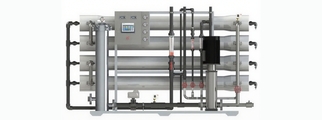
Brackish Water Reverse Osmosis (BWRO) Systems BWE Series are pre-engineered and pre-assembled units with 8" membrane housings for brackish water (higher TDS). The large volumes can help meet your a variety of industrial applications. They are designed for overall superior performance, high recovery rates and offer great savings with low maintenance and operation costs.
Key performance and design features to evaluate
When comparing BWRO BWE systems to other Water Treatment Systems for Well Water, focus on these design attributes:
- Membrane arrangement and housing type (8" housings increase membrane area per train).
- Recovery rate and concentrate management (higher recovery reduces water waste).
- Feed and permeate flow capacities to match your demand profile.
- Pre-treatment technology compatibility (e.g., multimedia filters, softening, antiscalants).
- Instrumentation and controls for automated operation and protection.
- Material compatibility for well water chemistry (corrosion resistance where chlorides are high).
Sizing and capacity considerations for BWRO BWE systems
Correct sizing ensures stable performance and reasonable lifecycle costs. Key steps include establishing peak and average demand, feed TDS and temperature, allowable permeate quality, and site recovery goals. Below is a simplified sizing comparison to illustrate how feed TDS and desired recovery influence permeate production and concentrate flow for a single 8" membrane housing configuration.
| Feed TDS (mg/L) | Target Recovery (%) | Estimated Permeate Yield per Train (m3/day) | Concentrate Volume (%) |
|---|---|---|---|
| 1,500 | 75 | 50 | 25 |
| 3,000 | 65 | 40 | 35 |
| 6,000 | 55 | 30 | 45 |
Note: The table is illustrative. Actual yields depend on membrane model, feed pressure, temperature and pre-treatment. BWE Series designs are optimized to achieve higher recoveries for brackish sources by using optimized staging and antiscalant dosing to control scaling at elevated recovery.
Pre-treatment: the foundation of reliable BWRO operation
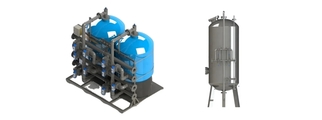
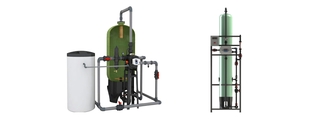
Proper pre-treatment protects membranes and maximizes recovery. For well water, pre-treatment typically includes: coarse filtration to remove turbidity and sand; oxidation and filtration for iron and manganese (or sequestration); softening or chemical scale control for high hardness and silica; and activated carbon for organics and chlorine removal if present. Antiscalants are commonly dosed to prevent scaling at high recovery. Investing in correct pre-treatment reduces membrane fouling, prolongs membrane life, and lowers overall lifecycle cost.
Post-treatment and polishing for intended use
Permeate from BWRO BWE systems is low in dissolved solids but may require post-treatment depending on use. For potable supply, remineralization and pH adjustment are common to stabilize permeate and prevent corrosion in distribution systems. For industrial process water, you may add dechlorination, UV disinfection, or specialized ion exchange polishers. Match post-treatment to final water quality requirements to ensure compliance and equipment protection downstream.
Installation, operation and maintenance considerations
Pre-assembled BWE Series units reduce installation time and on-site complexity. Key operational considerations include automated control logic for feed pressure, membrane flushing cycles, antiscalant dosing, and alarms for differential pressure and conductivity. Routine maintenance includes periodic membrane cleaning, filter element replacement, antiscalant refills, and monitoring logs for recovery and permeate quality. Planned maintenance intervals and spare parts strategy are crucial for minimizing downtime.
Comparing BWRO BWE to alternative water treatment systems
Choosing the right Water Treatment Systems for Well Water requires comparing BWRO to alternatives such as conventional softening, nanofiltration, or electrodialysis. The table below summarizes typical performance tradeoffs for brackish well water.
| Technology | Best for | TDS Removal | Typical Recovery | Operation Complexity |
|---|---|---|---|---|
| BWRO (BWE Series) | Brackish/high-TDS well water, near-potable or process water | High (>95% for many salts) | 55-75% (depends on feed TDS and pre-treatment) | Moderate (membrane care required) |
| Nanofiltration | Softening and partial TDS reduction | Moderate (selective divalent removal) | 60-80% | Moderate |
| Conventional Ion Exchange | Hardness removal for low to moderate TDS | Low for TDS; good for hardness | High per cycle but requires regeneration | High (chemicals and regeneration handling) |
| Electrodialysis | High-salinity streams and selective ion removal | Variable (effective at high conductivity) | Depends on stack design | High |
Cost and return on investment (ROI) factors
When comparing capital and operating costs, evaluate: initial equipment price, pre-treatment costs, power consumption, chemical usage (antiscalants, cleaning agents), membrane replacement intervals, and concentrate disposal. BWRO BWE Series aims to lower lifecycle costs through pre-assembled engineering, high recoveries, and lower maintenance needs. A simplified cost comparison example is shown below to highlight where cost differences arise.
| Cost Element | BWRO (BWE) | Alternative (Ion Exchange) |
|---|---|---|
| Capital Cost | Moderate | Low to Moderate |
| Energy Usage | Moderate (high-pressure pumps) | Low |
| Chemicals | Antiscalant, cleaning solutions | Regenerants (salt acid/caustic) |
| Waste/Brine | Concentrate disposal required | Regeneration brine handling |
| Maintenance | Membrane cleaning, filter changes | Frequent resin handling |
Consider total cost of ownership over 5–10 years rather than upfront price alone. BWRO often becomes favorable for moderate to high TDS wells where membrane recovery and life reduce operating cost per cubic meter of permeate.
Compliance, certifications and water quality assurance
Ensure the chosen system can meet your regulatory requirements. For potable use, verify that the complete treatment train provides water that meets local drinking water standards. Look for equipment and components certified by recognized agencies (e.g., NSF/ANSI for potable water components). Maintain robust monitoring (online conductivity, periodic microbiological testing) and recordkeeping to demonstrate compliance.
How to choose the right BWE model for your site: a practical checklist
Use this checklist when evaluating BWRO BWE Series or similar units:
- Complete well water lab report covering TDS, hardness, iron, manganese, silica, organics, and microbiology.
- Required permeate flow (daily and peak) and water quality targets.
- Available site utilities: electrical supply, feed water supply pressure, drainage for concentrate.
- Space constraints and access for maintenance.
- Pre-treatment needs identified and integrated with BWRO unit.
- Local regulations for concentrate discharge or disposal options.
- Service and spare parts availability from supplier.
Brand advantages and why BWE Series stands out
The Brackish Water Reverse Osmosis (BWRO) Systems BWE Series offers several advantages that are particularly relevant when selecting Water Treatment Systems for Well Water: pre-engineered and pre-assembled modules reduce site installation time and engineering complexity; 8" membrane housings provide large membrane area per train for higher throughput; designs focus on high recovery to conserve water and lower discharge volumes; and the systems are engineered for industrial reliability with straightforward maintenance routines. These strengths make BWE Series a solid choice for municipalities, industrial facilities, agricultural operations and remote sites relying on well water with elevated salinity.
FAQs — common questions about selecting BWRO for well water
Q: What TDS range is appropriate for BWRO BWE systems?
A: BWRO BWE Series is designed for brackish water, typically effective across a wide TDS range commonly from about 1,000 mg/L up to 10,000 mg/L depending on site specifics and pre-treatment.
Q: How important is pre-treatment?
A: Critical. Proper pre-treatment prevents scaling and fouling, prolongs membrane life, and enables higher recovery. Pre-treatment typically includes filtration, iron removal, antiscalant dosing and sometimes softening or silica control.
Q: How often do membranes need replacement?
A: Membrane life depends on feedwater quality and maintenance. With good pre-treatment and regular cleaning, membranes often last 3–7 years or longer. Monitoring performance (flux, salt rejection, differential pressure) guides replacement timing.
Q: Can BWE Series provide drinking water directly?
A: BWRO permeate is very low in dissolved solids, but potable use may require post-treatment such as remineralization, pH adjustment and disinfection to meet local drinking water standards.
Q: What about concentrate disposal?
A: Concentrate management must comply with local regulations. Options include discharge to sanitary systems where permitted, controlled evaporation, deep well injection, or beneficial reuse in certain industrial processes.
Contact us / view the product
If your site uses well water and you are evaluating Water Treatment Systems for Well Water, contact our specialists to review your water report and flow requirements. We can recommend the appropriate Brackish Water Reverse Osmosis (BWRO) Systems BWE Series model, provide a tailored quotation, and assist with system integration, installation and lifecycle support. Reach out through our sales team or request a product datasheet and site evaluation today.
Authoritative references and further reading
For technical standards and background information consult the following authoritative sources:
- U.S. Environmental Protection Agency (EPA) — Private Drinking Water Wells: https://www.epa.gov/privatewells
- World Health Organization (WHO) — Guideline for Drinking-water Quality: https://www.who.int/publications/i/item/9789241549950
- American Water Works Association (AWWA): https://www.awwa.org
- NSF International — Standards for water treatment components: https://www.nsf.org
- Reverse Osmosis (Wikipedia) — Technology overview: https://en.wikipedia.org/wiki/Reverse_osmosis
We recommend running a professional water analysis and contacting our engineering team to get a site-specific proposal for the Brackish Water Reverse Osmosis (BWRO) Systems BWE Series.
Industrial Water Purification Systems: Key Considerations for Buyers
UV Disinfection for Well Water: Benefits and Limitations
ROI and TCO Analysis for a 12TPH Industrial UF Water Treatment Device
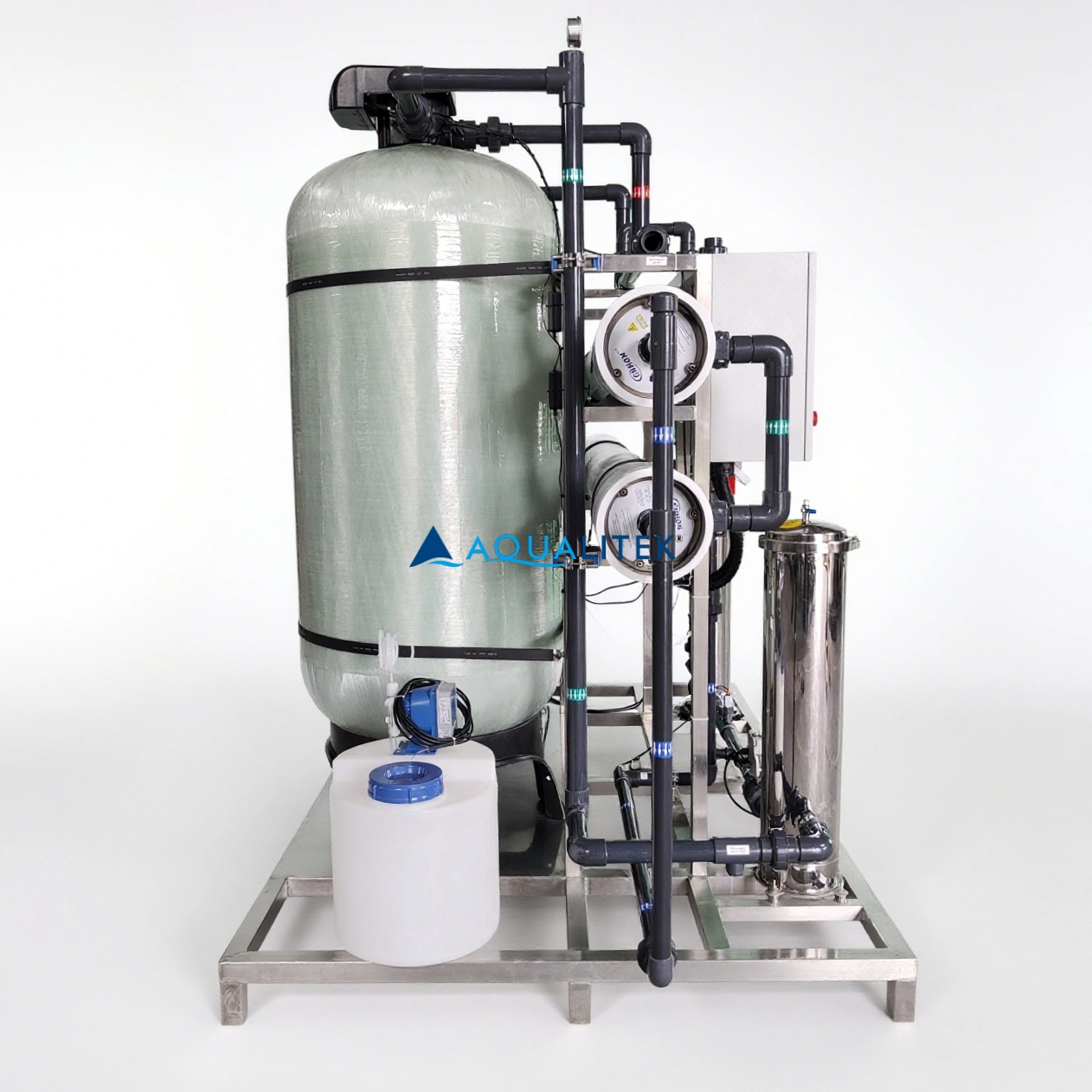
Maintenance and After-Sales for Industrial RO System Buyers
Membrane Water Treatment Systems
Can your membrane systems treat seawater?
Yes. Our seawater RO systems are designed to handle high salinity with corrosion-resistant materials and energy recovery devices.
Blog
How long does a water softener system last?
Most systems last 10–15 years with proper maintenance. Resin beads may need replacement after 8–10 years.
How do I know when to add salt to my softener?
Check the brine tank monthly. Modern systems often alert you automatically when salt levels are low.
Solutions
How often should I replace filters and membranes?
Filter and membrane lifespan depends on water quality, usage, and system type. General guidelines:
1. Sediment & Carbon Filters: Replace every 6–12 months.
2. RO Membranes: Replace every 2–3 years, depending on water conditions.
3. UF/NF Membranes: Replace every 1–2 years.
Regular maintenance ensures optimal performance and water quality.
Are AQT’s water treatment products certified?
Yes! Our products comply with international quality and safety standards, including ISO, CE, and NSF certifications. We prioritize high-quality materials, advanced technology, and strict quality control to ensure superior performance and reliability.
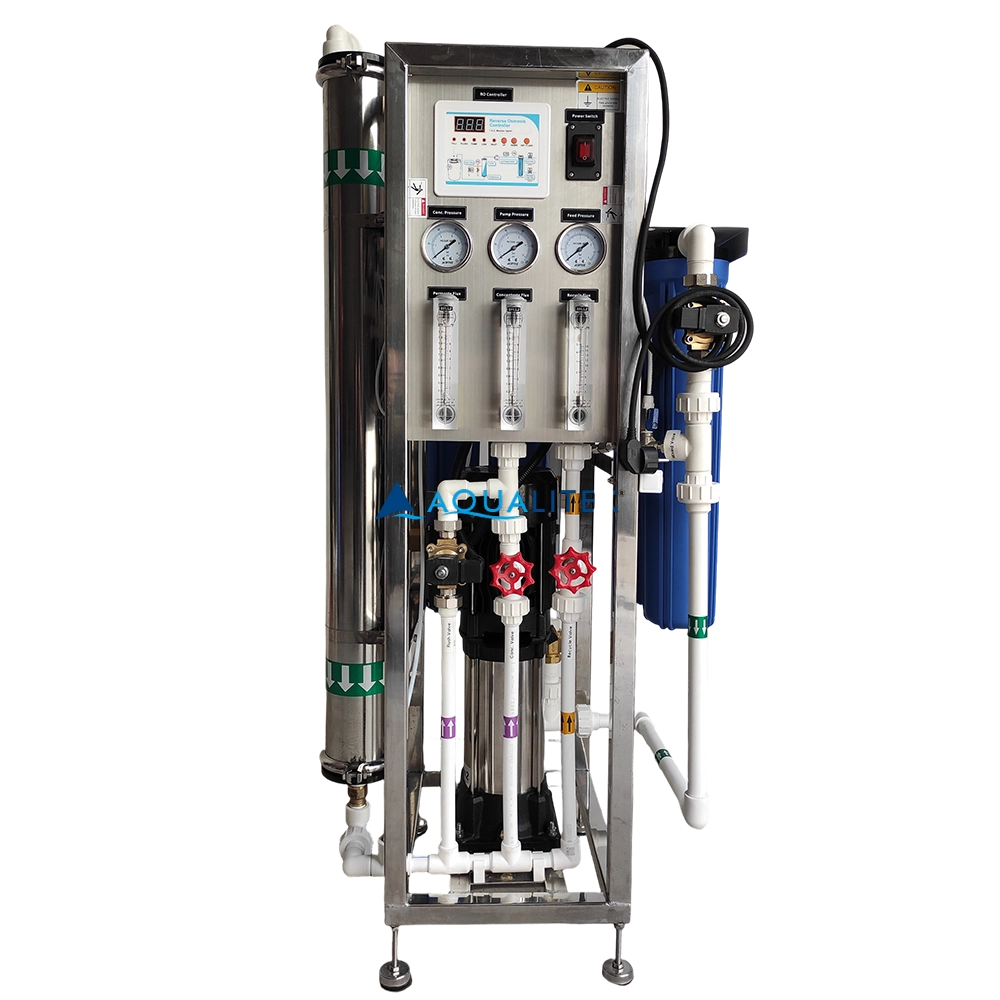
500 LPH Reverse Osmosis (RO) Water Purification Machine TWV - 412
Our 500 LPH Reverse Osmosis (RO) System is engineered to provide high-quality purified water for commercial applications. Designed with advanced RO technology, durable components, and a user-friendly interface, this system ensures consistent performance, low maintenance, and long-term reliability.
With its compact design and robust skid-mounted frame, it’s an excellent choice for businesses that demand efficiency and quality in water purification.
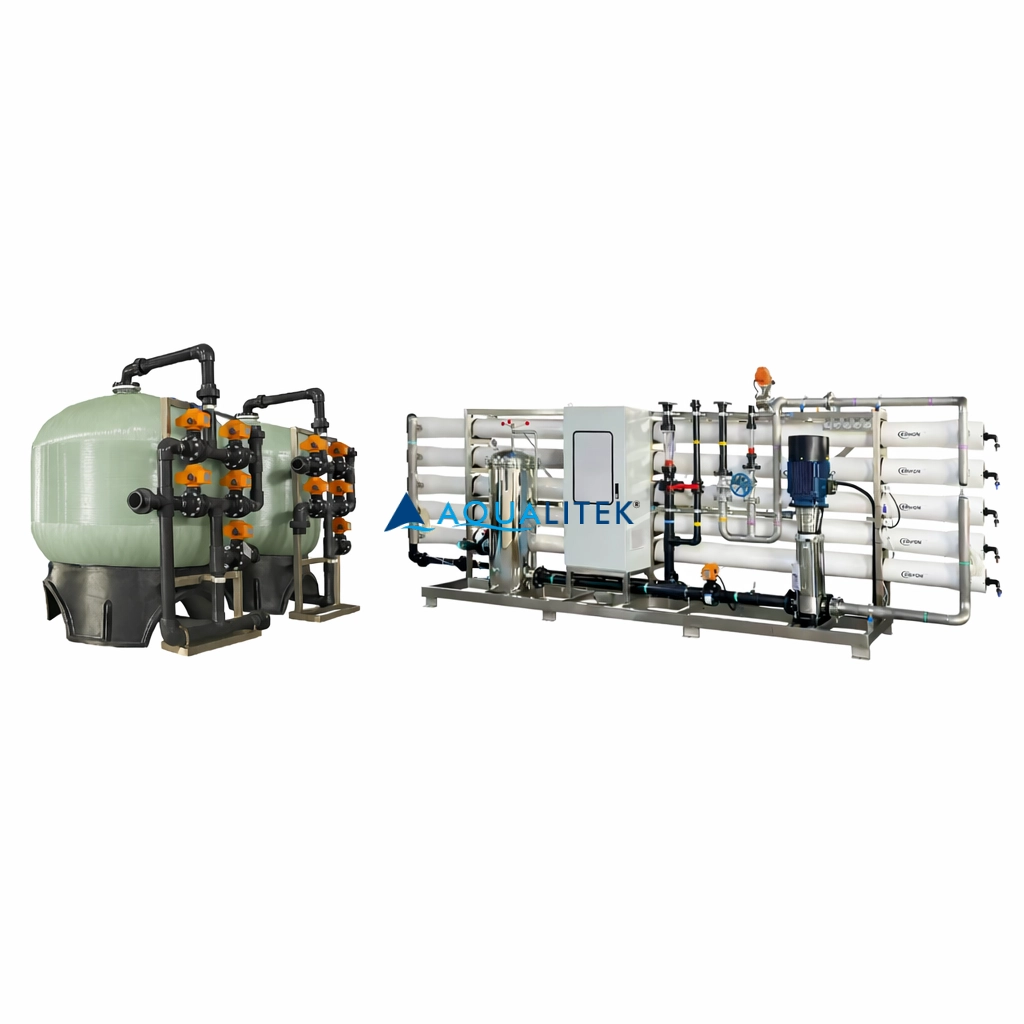
30TPH Industrial Reverse Osmosis (RO) System
30TPH Industrial Reverse Osmosis (RO) System designed for industrial and municipal water treatment. High salt rejection, energy-efficient design, PLC control, and customizable configuration.
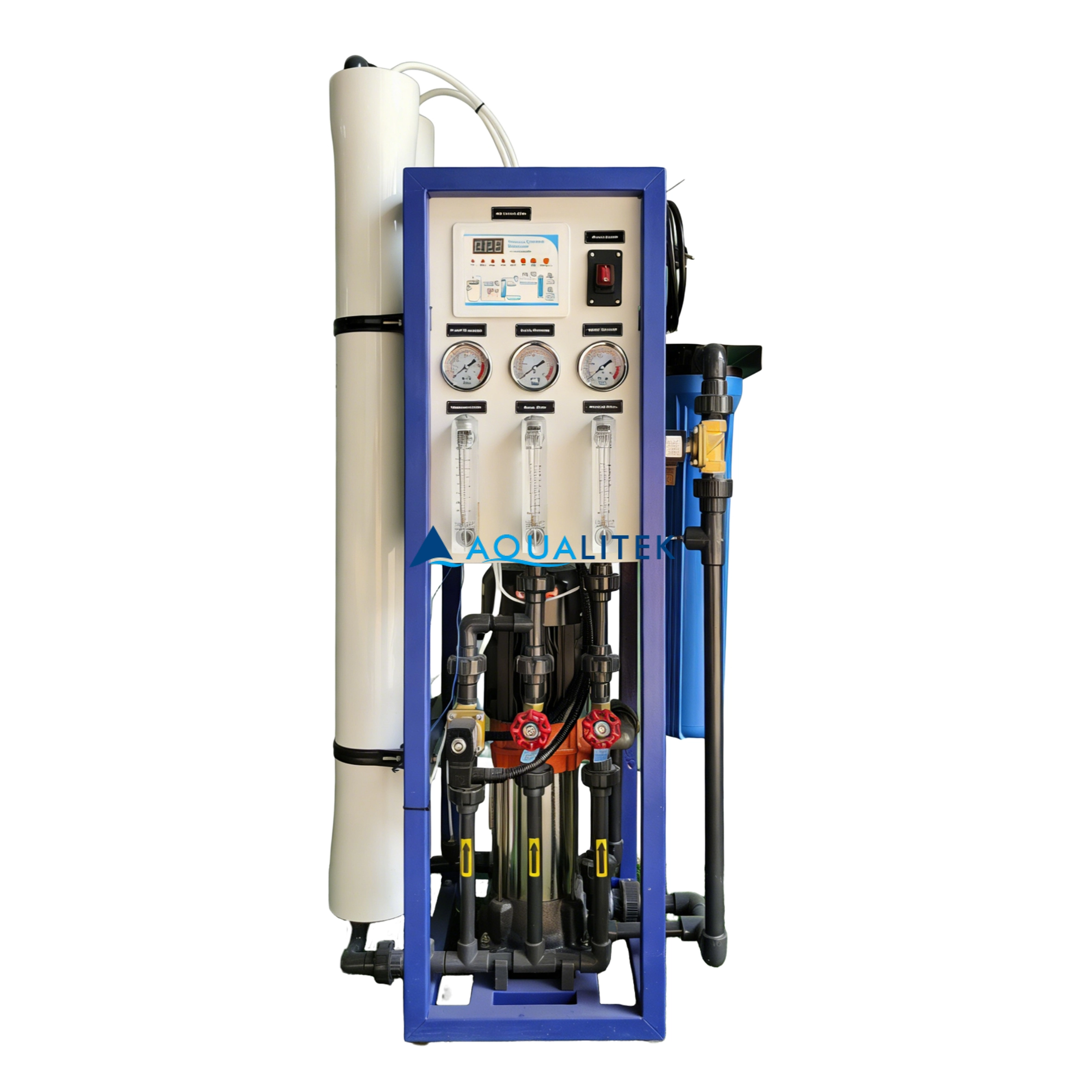
500LPH Panel Mounted Reverse Osmosis Water Purification System
AQUALITEK's 500LPH Panel Mounted Reverse Osmosis Water Purification System delivers reliable 500 LPH RO water production. This compact industrial reverse osmosis unit is ideal for small scale industrial RO needs, ensuring efficient and high-quality purified water in a space-saving design.
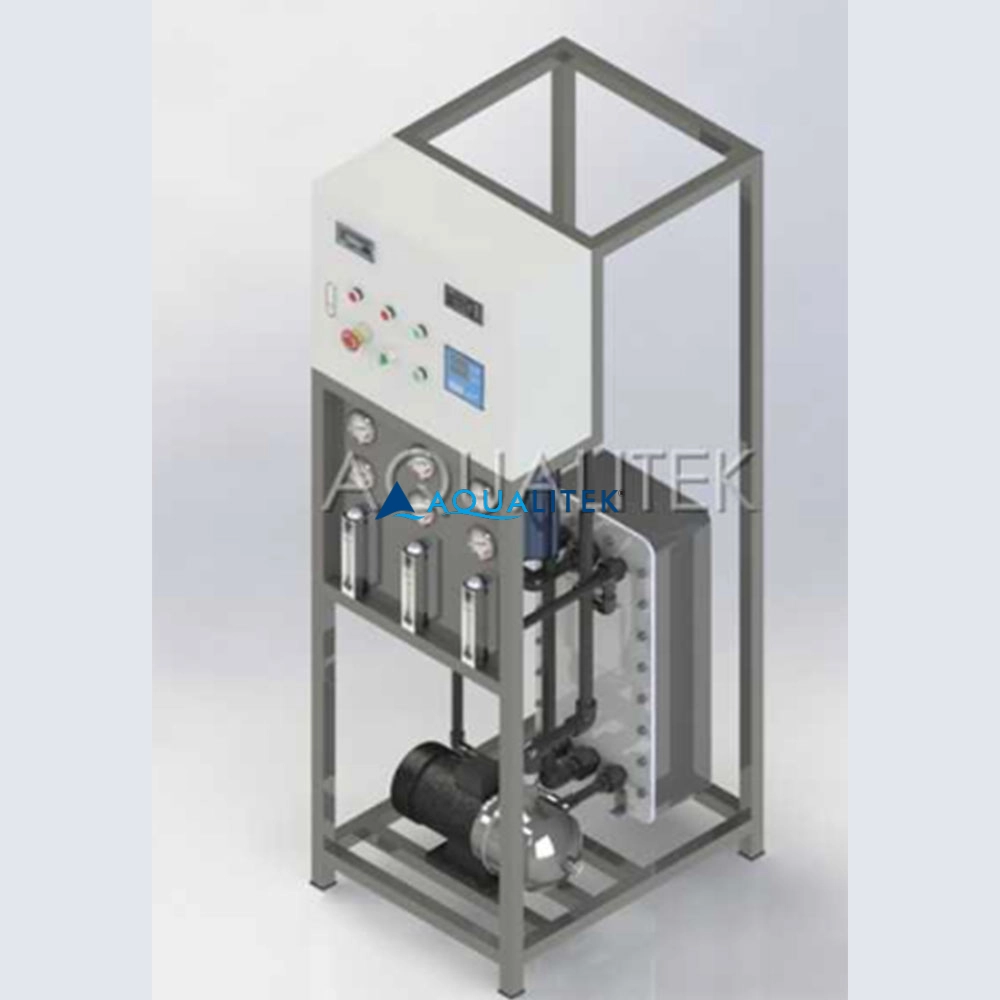
Electrodeionization Systems to Get UltraPure Water
Electrodeionization (EDI) system is an advanced water purification technology that combines ion exchange and electrochemical processes to produce ultra-pure water. Unlike traditional deionization methods, which rely on chemical regeneration, EDI utilizes electric fields to drive the movement of ions through ion-exchange membranes, effectively removing dissolved salts and other ionic contaminants.
This process is continuous and does not require the use of chemicals for regeneration, making it an environmentally friendly and cost-effective solution for producing high-quality deionized water. EDI systems are widely used in applications requiring ultrapure water, such as in the pharmaceutical, semiconductor, power generation, and biotechnology industries, as well as for laboratory use.
By offering high-purity water without the need for chemical regeneration, EDI systems provide a sustainable, efficient, and reliable alternative to traditional deionization methods, making them an ideal choice for industries where water quality and process control are critical.
Request More Information
Contact us today for product catalogs, customization options, and a free quotation designed for your business needs.
Rest assured that your privacy is important to us, and all information provided will be handled with the utmost confidentiality.
© 2026 AQUALITEK. All rights reserved.
AQUALITEK- Aimee Hoo
AQUALITEK - Aimee Hoo