




UV Disinfection for Well Water: Benefits and Limitations
- Understanding UV Disinfection for Private Wells
- What UV disinfection is and why it matters for Water Treatment Systems for Well Water
- How effective is UV at disinfecting well water?
- Advantages of UV in Water Treatment Systems for Well Water
- Key limitations and what they mean for well owners
- Design considerations for reliable UV-equipped Water Treatment Systems for Well Water
- Operational best practices and maintenance expectations
- How UV compares to other common well-water treatments
- Typical costs and lifecycle considerations
- Regulation, certification, and choosing a reliable UV product
- When to combine UV with other Water Treatment Systems for Well Water
- Real-world troubleshooting: common field issues and fixes
- Aqualitek: Manufacturer capabilities and how they support UV-enabled Water Treatment Systems for Well Water
- Summary: Is UV right for your well?
- Frequently Asked Questions (FAQ)
- 1. Can UV disinfect turbid well water?
- 2. Will UV remove iron, manganese, or nitrates from well water?
- 3. How often should UV lamps be replaced?
- 4. Does UV leave any chemical taste or by-products?
- 5. Should I test my well water after installing a UV system?
- 6. Can UV handle peak flow spikes in my household?
- 7. Do I need professional installation?
- Contact / Product Inquiry
- References
Understanding UV Disinfection for Private Wells
What UV disinfection is and why it matters for Water Treatment Systems for Well Water
Ultraviolet (UV) disinfection uses short-wavelength ultraviolet light (commonly around 254 nm) to inactivate microorganisms by damaging their nucleic acids and preventing replication. For owners of private wells, incorporating UV into Water Treatment Systems for Well Water addresses one of the most immediate risks: microbiological contamination (bacteria, viruses, and protozoa). Unlike chemical disinfectants, UV provides rapid inactivation without adding chemicals or taste changes to water when properly designed and maintained.
How effective is UV at disinfecting well water?
UV is highly effective against a broad spectrum of pathogens when the system is correctly sized and installed within a comprehensive Water Treatment Systems for Well Water approach. Agency guidance and peer-reviewed studies show that validated UV systems can achieve multi-log inactivation (e.g., 3-log or higher) for many bacteria and viruses and are particularly useful against chlorine-resistant protozoa like Cryptosporidium and Giardia. Effectiveness depends on delivered UV dose (mJ/cm²), water clarity (UV transmittance or turbidity), and system hydraulics. Site-specific verification and third-party certification (e.g., NSF/ANSI standards) are essential for confirming performance in real conditions (see References).
Advantages of UV in Water Treatment Systems for Well Water
- Rapid, chemical-free disinfection: UV inactivates microorganisms within seconds to minutes without adding residual chemicals or changing taste and odor.
- Effective vs. chlorine-resistant organisms: UV is particularly valuable against protozoa (Cryptosporidium, Giardia) that resist chlorination.
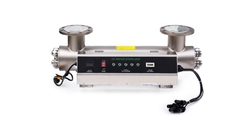
- Low operating footprint: Residential and commercial UV units are compact and can be integrated into existing well-water treatment trains.
- Predictable kinetics: When water quality parameters are within design limits, UV dose-response is well-characterized and can be validated.
Key limitations and what they mean for well owners
Understanding limitations is crucial when integrating UV into Water Treatment Systems for Well Water:
- No residual disinfection: UV leaves no disinfectant residual in the distribution system. If storage tanks, plumbing, or cross-connections exist downstream, recontamination is possible. Many systems therefore pair UV with a residual disinfectant or treat water at point-of-use.
- Sensitive to water quality: High turbidity, color, or low UV transmittance (UVT) reduces UV effectiveness. Pre-filtration (sediment/clarification) is often required to achieve recommended turbidity/UVT targets for reliable disinfection.
- No removal of chemical contaminants: UV does not remove dissolved metals, nitrates, pesticides, or hardness. It should be part of a multi-stage Water Treatment Systems for Well Water when chemical contaminants are present.
- Requires maintenance and monitoring: Lamps age and output declines; sleeves foul with scale/organics. Routine lamp replacement, sleeve cleaning, and monitoring (UV intensity sensors or lamp hour counters) are essential to guarantee performance.
Design considerations for reliable UV-equipped Water Treatment Systems for Well Water
Designing a UV system for a private well is site-specific. Key design parameters include:
- Water quality baseline: Test your well for turbidity/NTU, UV transmittance, iron, manganese, hardness, color, and microbiological indicators (total coliform, E. coli) before selection.
- Required UV dose: Choose a system validated to deliver the necessary dose for the target pathogens and log-removal goals. Third-party data sheets and certifications are useful for comparison.
- Flow rate and hydraulics: Match the UV reactor size to peak and sustained flow rates to ensure the delivered dose is not diminished by excessive velocity or short-circuiting.
- Pre-treatment: Sediment filters, multimedia filters, or other pretreatment may be necessary to reduce turbidity and protect the UV lamp/sleeve, prolonging uptime and ensuring efficacy.
- Monitoring and alarms: Consider systems with UV intensity sensors, lamp-fail alarms, and easy lamp replacement access to maintain continuous protection.
Operational best practices and maintenance expectations
Routine maintenance is non-negotiable for performance. Typical operational tasks for Water Treatment Systems for Well Water with UV include:
- Annual or manufacturer-recommended lamp replacement (lamp life commonly 9–12 months for germicidal output ratings).
- Regular cleaning of quartz sleeves to remove scale or organic fouling (frequency depends on feedwater quality).
- Periodic verification of water quality post-UV (microbiological testing) and checking lamp hours and sensor outputs.
- Keeping spare parts (lamp, sleeve O-rings) on hand to minimize downtime.
How UV compares to other common well-water treatments
Choosing between treatment options depends on contaminant type, system complexity, and ongoing costs. The table below summarizes typical performance and use-cases for UV, chlorination, and filtration in Water Treatment Systems for Well Water.
| Treatment | Primary Strength | Limitations | Typical Use in Well Water |
|---|---|---|---|
| UV Disinfection | Rapid inactivation of microbes; effective vs. protozoa | No residual; sensitive to turbidity/UVT; no chemical removal | Microbial control after sediment pre-filtration |
| Chlorination | Provides residual disinfection in plumbing | Less effective vs. Cryptosporidium/Giardia; taste/chemical by-products | Used when distribution residual is needed; often paired with filtration |
| Filtration (sediment/carbon/RO) | Removes particulates, some organics, and certain chemicals | May not inactivate microbes; RO wastes water and needs pre-treatment | Pre-treatment for UV; chemical contaminant removal |
Typical costs and lifecycle considerations
Costs for incorporating UV into Water Treatment Systems for Well Water vary by capacity, features, and pretreatment needs. Typical residential UV system price ranges (equipment only) are roughly $300–$1,800 depending on flow rate and features; commercial systems scale higher. Operating costs include lamp replacement (yearly), periodic sleeve cleaning, and electricity (low, often under a few dollars/month). Always account for pre-treatment equipment if turbidity or iron is high. Get quotes from reputable vendors and consider total cost of ownership (equipment + installation + maintenance) when comparing options.
Regulation, certification, and choosing a reliable UV product
For dependable performance, select UV systems certified to recognized standards (e.g., NSF/ANSI 55 for point-of-entry/point-of-use UV systems). Independent performance data, validated dose tables, and documented field testing are important. Regulatory guidance and design criteria can be found in documents such as the EPA Ultraviolet Disinfection Guidance Manual (UVDGM) and public health agency resources on private well management.
When to combine UV with other Water Treatment Systems for Well Water
Combining technologies is common and often necessary. Typical configurations include:
- Pre-filtration + UV: Sediment and iron removal followed by UV for microbiological safety.
- Activated carbon + UV: Carbon removes organics and taste/odor; UV disinfects microbes.
- RO + UV: RO removes dissolved chemicals and salts; UV provides final microbiological barrier for point-of-use drinking water.
- UV + residual disinfectant: Where storage or distribution risks recontamination, UV with a low-level residual disinfectant may be used—designed carefully to minimize disinfection by-products.
Real-world troubleshooting: common field issues and fixes
- Problem: UV alarm or reduced UV intensity. Fix: Check lamp life/hours, clean quartz sleeve, verify power supply and sensor calibration.
- Problem: Recurrent positives on bacterial tests after UV. Fix: Investigate storage tanks, downstream cross-connections, or biofilm in plumbing; consider residual disinfectant or point-of-use treatment.
- Problem: Lamp failure soon after replacement. Fix: Inspect electrical connections and ballast; ensure correct lamp type and proper insertion and sleeve sealing.
Aqualitek: Manufacturer capabilities and how they support UV-enabled Water Treatment Systems for Well Water
Aqualitek Water Treatment Technologies Co., Ltd. (AQT), headquartered in Guangzhou, China, is a leading manufacturer and supplier of advanced water treatment systems and high-quality component parts. We specialize in delivering customized solutions for residential, commercial, and industrial applications, meeting diverse water purification needs worldwide. With a strong foundation in engineering expertise, cutting-edge technology, and manufacturing excellence, AQT is committed to delivering innovative, reliable, and cost-effective water treatment solutions to global partners.
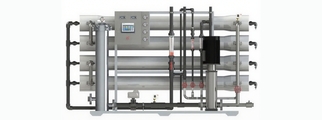
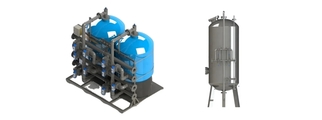
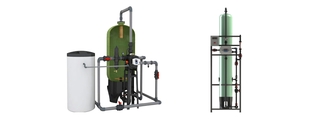
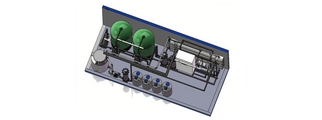
Aqualitek offers a comprehensive range of products organized by application and technical function, including membrane systems, water filtering systems, ion exchange systems, and customized water purification systems. For well-water projects, AQT can supply integrated packages combining pre-treatment (sediment, iron filtration), core disinfection units such as UV reactors, and end-use recycling or polishing systems. AQT differentiates itself through engineering customization, production capacity, and turnkey support—helping customers implement robust Water Treatment Systems for Well Water that meet performance and regulatory expectations.
Key AQUALITEK advantages and main products:
- Membrane systems: Reverse osmosis and ultrafiltration solutions for dissolved solids and particulate removal.
- Water filtering systems: Pretreatment and polishing filters tailored to feedwater characteristics.
- Ion exchange systems: Solutions for hardness and specific ionic contaminant removal.
- Customized purification systems: Engineered packages combining pre-treatment, core treatment (e.g., UV), and post-treatment to meet client specifications.
Whether the project is a household point-of-entry system or a larger commercial well-water treatment plant, Aqualitek’s engineering and manufacturing capabilities provide competitive advantages in customization, component quality, and delivery timelines.
Summary: Is UV right for your well?
UV disinfection is an effective, chemical-free method to control microbiological risks in Water Treatment Systems for Well Water when used within its design limits: clear feedwater, proper reactor sizing, and regular maintenance. It is especially valuable where protozoan pathogens are of concern or where chemical disinfectants are undesirable. However, UV should be part of a multi-barrier strategy—paired with pre-filtration and other technologies as needed—to address chemical contaminants, turbidity, and distribution system risks. Work with a qualified water treatment professional and choose certified equipment to ensure safe, reliable performance.
Frequently Asked Questions (FAQ)
1. Can UV disinfect turbid well water?
UV effectiveness declines with turbidity and low UV transmittance. Pretreatment (sediment filtration, clarification) is typically required to reduce turbidity to acceptable levels (often <1 NTU, but follow manufacturer guidance) before UV disinfection.
2. Will UV remove iron, manganese, or nitrates from well water?
No. UV does not remove dissolved metals or ions. Use appropriate pre-treatment (oxidation/filtration for iron and manganese) or ion exchange/RO for nitrates as part of a full Water Treatment Systems for Well Water solution.
3. How often should UV lamps be replaced?
Most germicidal UV lamps are rated for effective germicidal output for about 9–12 months; manufacturers provide specific lamp-life guidance. Timely replacement and sleeve cleaning are essential for consistent performance.
4. Does UV leave any chemical taste or by-products?
No. UV does not add chemicals and generally does not create disinfection by-products. It is a good option where taste/odor changes are a concern, but it does not address chemical contaminants that cause taste/odor.
5. Should I test my well water after installing a UV system?
Yes. Periodic microbiological testing (e.g., total coliform and E. coli) should be performed after installation and routinely to confirm ongoing protection. Test frequency depends on local guidance and system configuration.
6. Can UV handle peak flow spikes in my household?
UV reactors must be sized to the highest expected flow rate to maintain dose. For systems with variable flow, consider larger reactors or engineered solutions with parallel lamp banks to ensure adequate dose at peak flows.
7. Do I need professional installation?
Professional installation is recommended to ensure correct placement (after pretreatment), proper electrical connections, and integration with alarms and monitoring. A qualified installer can also advise on pre-treatment needs and regulatory considerations.
Contact / Product Inquiry
If you would like help selecting or designing Water Treatment Systems for Well Water that include UV disinfection, contact Aqualitek Water Treatment Technologies Co., Ltd. for consultation, system quotes, and technical specifications. For project inquiries and product catalogs, request a consultation to match your well-water quality and flow requirements with an engineered, certified solution.
References
- U.S. Environmental Protection Agency (EPA). Ultraviolet Disinfection Guidance Manual (UVDGM). 2006. https://www.epa.gov/water-research/uv-disinfection-guidance-manual-2006 (accessed Dec 2024).
- Centers for Disease Control and Prevention (CDC). Private Well Water. https://www.cdc.gov/healthywater/drinking/private/wells/index. (accessed Dec 2024).
- NSF International. UV Disinfection for Drinking Water. https://www.nsf.org/consumer-resources/articles/uv-water-treatment (accessed Nov 2024).
- World Health Organization (WHO). Drinking-water: Guidelines for Drinking-water Quality (4th ed.). https://www.who.int/publications/i/item/9789241549950 (accessed Nov 2024).
- Water Quality Association (WQA). Ultraviolet (UV) Disinfection. https://www.wqa.org/learn-about-water/common-contaminants/uv-disinfection (accessed Dec 2024).
- Peer-reviewed review: Hijnen, W.A.M., Beerendonk, E.F., Medema, G.J. Inactivation credit of UV radiation for viruses, bacteria and protozoan (oo)cysts in water: a review. Water Research, 2006;40(1):3–22. DOI: 10.1016/j.watres.2005.10.030 (accessed Dec 2024).
Top 10 reverse osmosis system Manufacturers and Supplier Brands
Maintenance and regeneration of activated carbon filters
Top 10 uf water system Manufacturers and Supplier Brands
Portable Water Purification Systems for Travel and Camping: Complete Buyer’s Guide
Membrane Water Treatment Systems
Can your membrane systems treat seawater?
Yes. Our seawater RO systems are designed to handle high salinity with corrosion-resistant materials and energy recovery devices.
Ion Exchange Water Treatment Systems
Which chemicals are required for regeneration?
Softening uses NaCl. Demineralization uses HCl or H₂SO₄ for cation resin and NaOH for anion resin.
Are mixed bed systems better than two-bed systems?
Mixed bed polishers are used for final polishing after RO or two-bed deionization to achieve ultra-pure water.
Solutions
Can AQT provide custom water treatment solutions?
Yes! We specialize in OEM/ODM water treatment solutions and can design custom filtration systems tailored to your business, industry, or brand requirements. Our team can assist with system design, branding, private labeling, and technical support.
Blog
How do I know when to add salt to my softener?
Check the brine tank monthly. Modern systems often alert you automatically when salt levels are low.
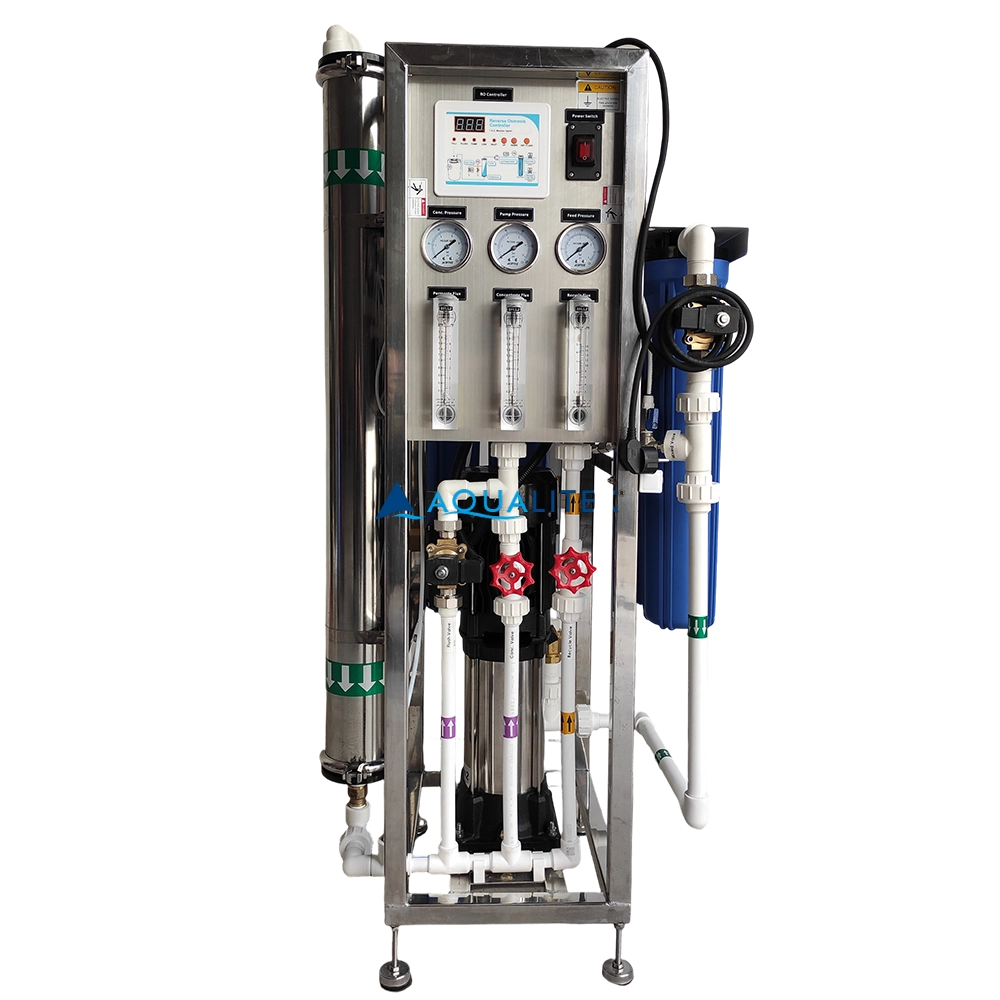
500 LPH Reverse Osmosis (RO) Water Purification Machine TWV - 412
Our 500 LPH Reverse Osmosis (RO) System is engineered to provide high-quality purified water for commercial applications. Designed with advanced RO technology, durable components, and a user-friendly interface, this system ensures consistent performance, low maintenance, and long-term reliability.
With its compact design and robust skid-mounted frame, it’s an excellent choice for businesses that demand efficiency and quality in water purification.
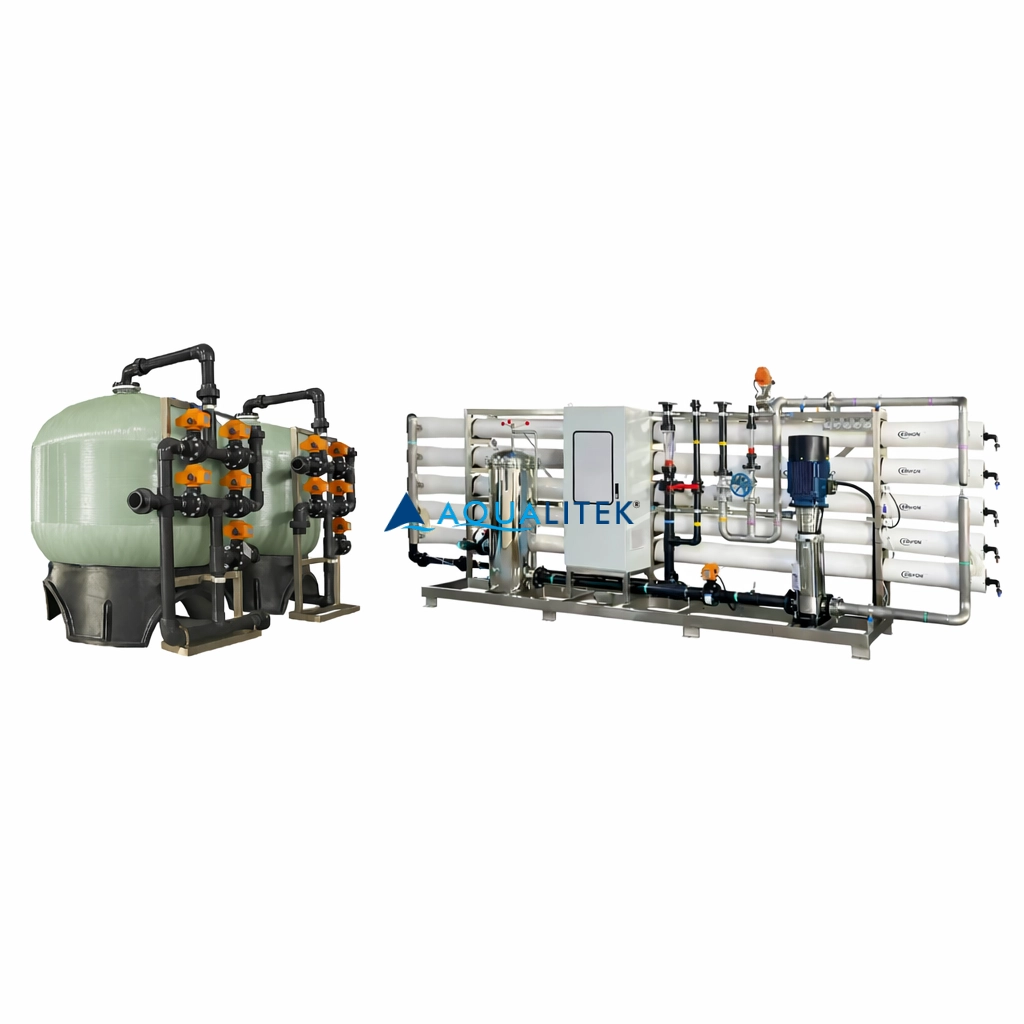
30TPH Industrial Reverse Osmosis (RO) System
30TPH Industrial Reverse Osmosis (RO) System designed for industrial and municipal water treatment. High salt rejection, energy-efficient design, PLC control, and customizable configuration.
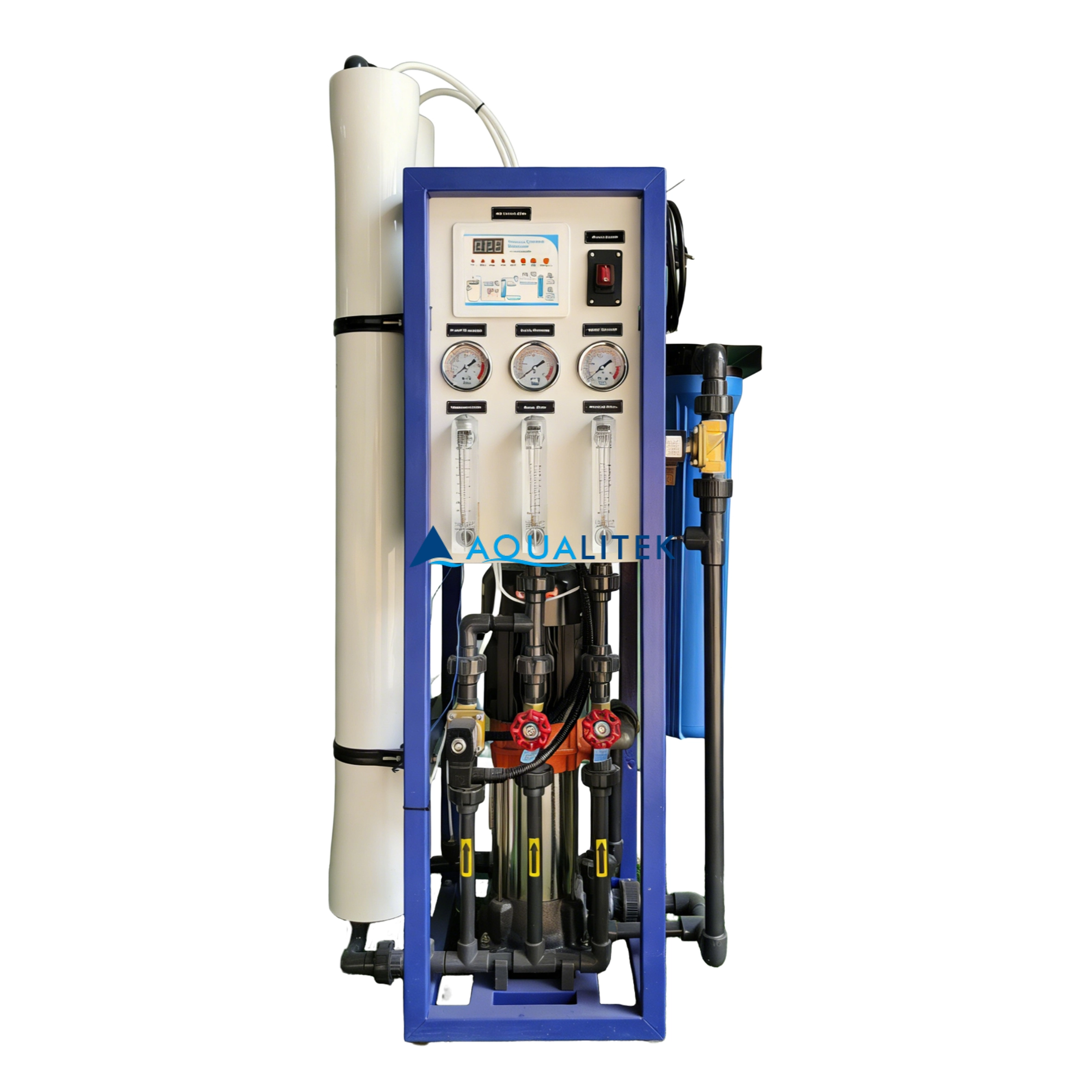
500LPH Panel Mounted Reverse Osmosis Water Purification System
AQUALITEK's 500LPH Panel Mounted Reverse Osmosis Water Purification System delivers reliable 500 LPH RO water production. This compact industrial reverse osmosis unit is ideal for small scale industrial RO needs, ensuring efficient and high-quality purified water in a space-saving design.
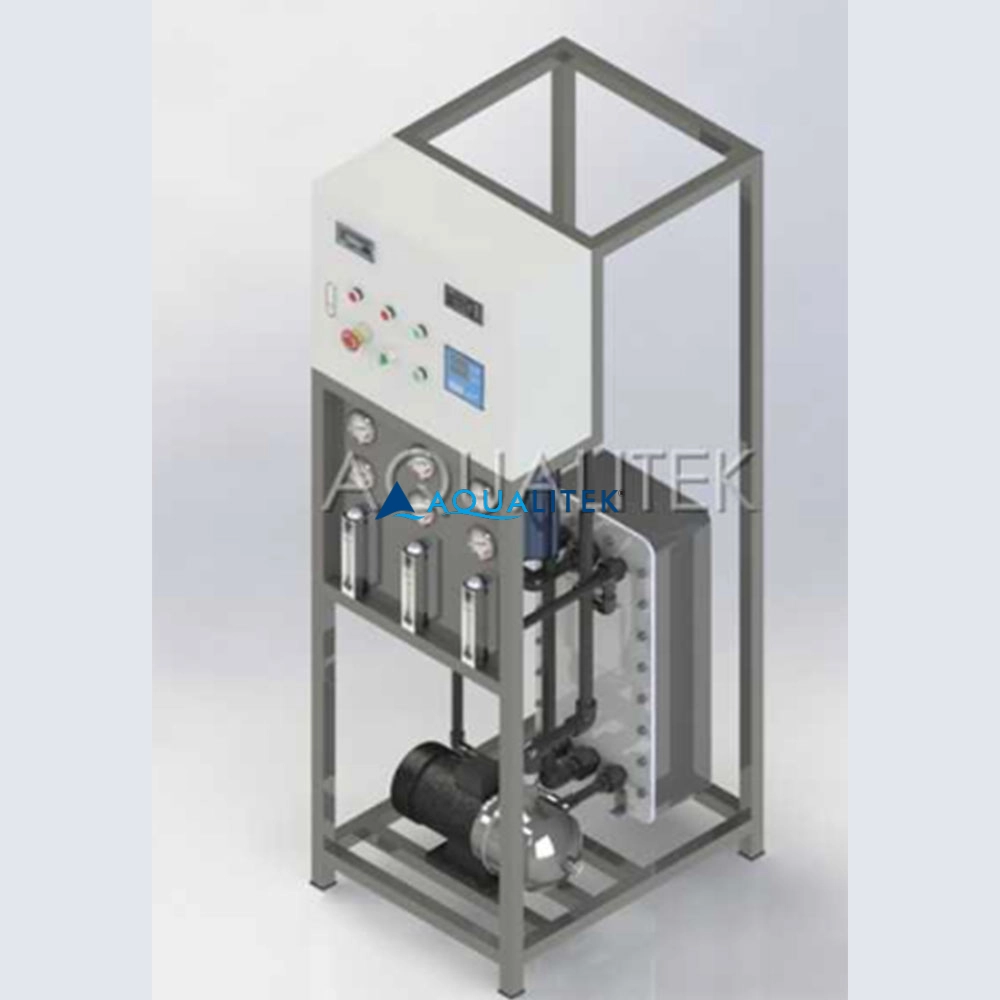
Electrodeionization Systems to Get UltraPure Water
Electrodeionization (EDI) system is an advanced water purification technology that combines ion exchange and electrochemical processes to produce ultra-pure water. Unlike traditional deionization methods, which rely on chemical regeneration, EDI utilizes electric fields to drive the movement of ions through ion-exchange membranes, effectively removing dissolved salts and other ionic contaminants.
This process is continuous and does not require the use of chemicals for regeneration, making it an environmentally friendly and cost-effective solution for producing high-quality deionized water. EDI systems are widely used in applications requiring ultrapure water, such as in the pharmaceutical, semiconductor, power generation, and biotechnology industries, as well as for laboratory use.
By offering high-purity water without the need for chemical regeneration, EDI systems provide a sustainable, efficient, and reliable alternative to traditional deionization methods, making them an ideal choice for industries where water quality and process control are critical.
Request More Information
Contact us today for product catalogs, customization options, and a free quotation designed for your business needs.
Rest assured that your privacy is important to us, and all information provided will be handled with the utmost confidentiality.
© 2026 AQUALITEK. All rights reserved.
AQUALITEK- Aimee Hoo
AQUALITEK - Aimee Hoo