


Ion Exchange Systems
AQUALITEK Ion Exchange systems provide high-performance, customizable ion exchange system solutions for residential, commercial and industrial water treatment. Reliable, efficient, and sustainable softening and deionization.
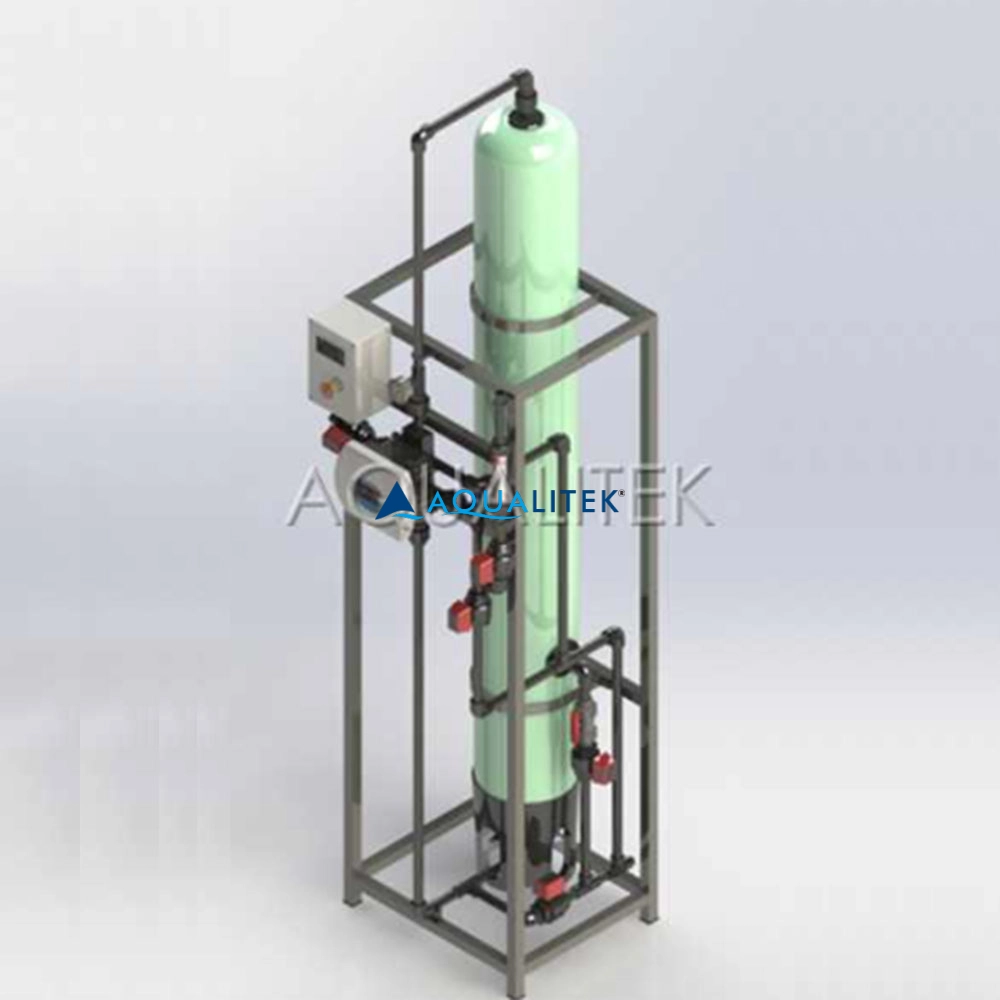
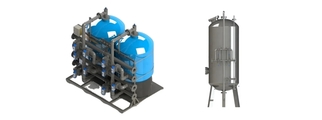
Mixed Bed Ion Exchange Deionizer | High Purity Water Treatment System for Ultrapure Applications
The Mixed Bed Deionizer (MBDI) is a highly efficient water purification system that combines cation and anion exchange resins in a single vessel. By ensuring intimate contact between resins, it achieves exceptionally low conductivity and silica levels, making it the preferred choice for producing ultrapure water.
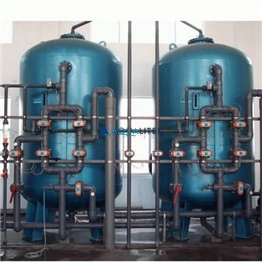
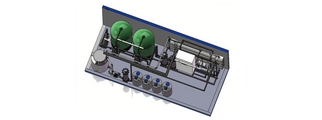
Two Bed Ion Exchange Deionizer for Industrial, Laboratory, and Boiler Feed Water Purification
A Water Deionizer is a specialized water purification system designed to remove dissolved ions, minerals, and contaminants from water through an ion exchange process. It effectively eliminates both cations (such as calcium, magnesium, sodium, and iron) and anions (such as chloride, sulfate, nitrate, and bicarbonate), resulting in high-purity deionized (DI) water.
Our Two Bed Deionized System is a reliable and cost-effective water treatment solution designed to produce high purity demineralized water. Using separate cation exchange resin and anion exchange resin columns, the system effectively removes dissolved salts, minerals, and impurities from raw water.
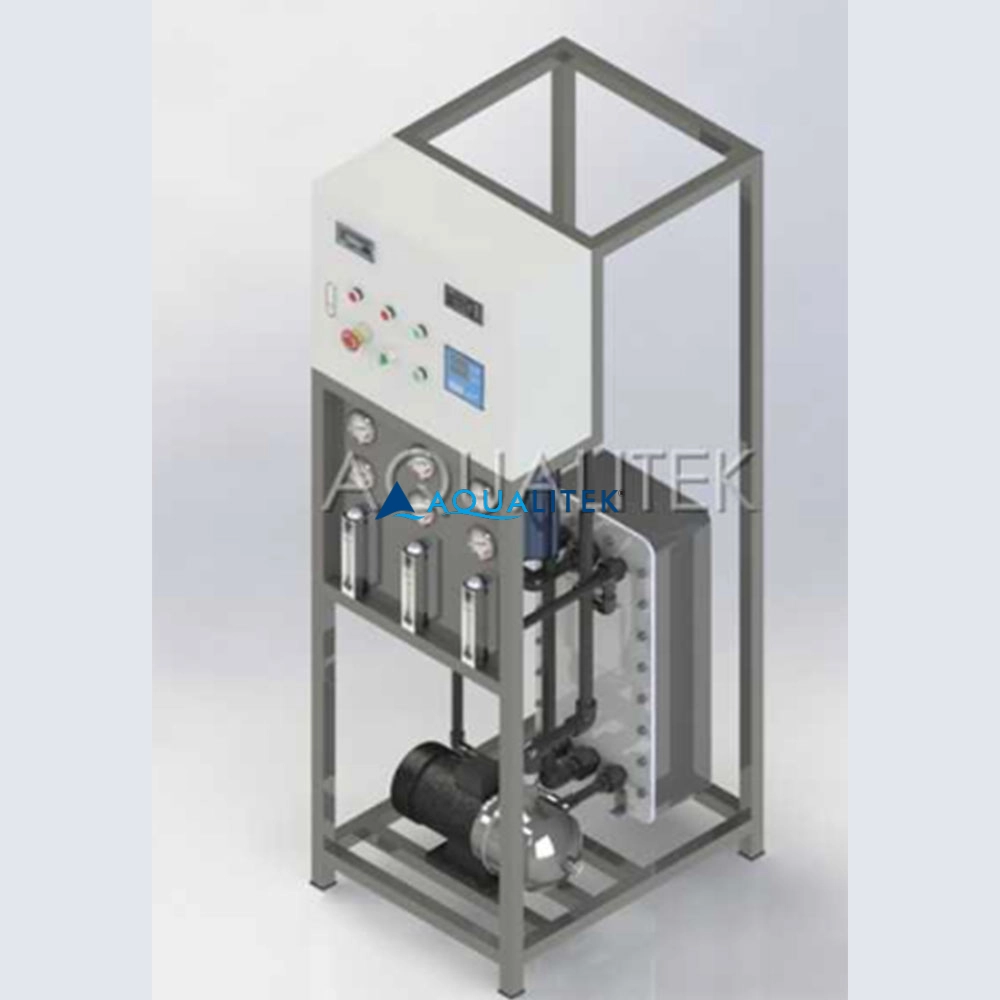
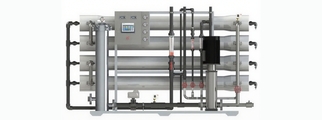
Electrodeionization Systems to Get UltraPure Water
Electrodeionization (EDI) system is an advanced water purification technology that combines ion exchange and electrochemical processes to produce ultra-pure water. Unlike traditional deionization methods, which rely on chemical regeneration, EDI utilizes electric fields to drive the movement of ions through ion-exchange membranes, effectively removing dissolved salts and other ionic contaminants.
This process is continuous and does not require the use of chemicals for regeneration, making it an environmentally friendly and cost-effective solution for producing high-quality deionized water. EDI systems are widely used in applications requiring ultrapure water, such as in the pharmaceutical, semiconductor, power generation, and biotechnology industries, as well as for laboratory use.
By offering high-purity water without the need for chemical regeneration, EDI systems provide a sustainable, efficient, and reliable alternative to traditional deionization methods, making them an ideal choice for industries where water quality and process control are critical.
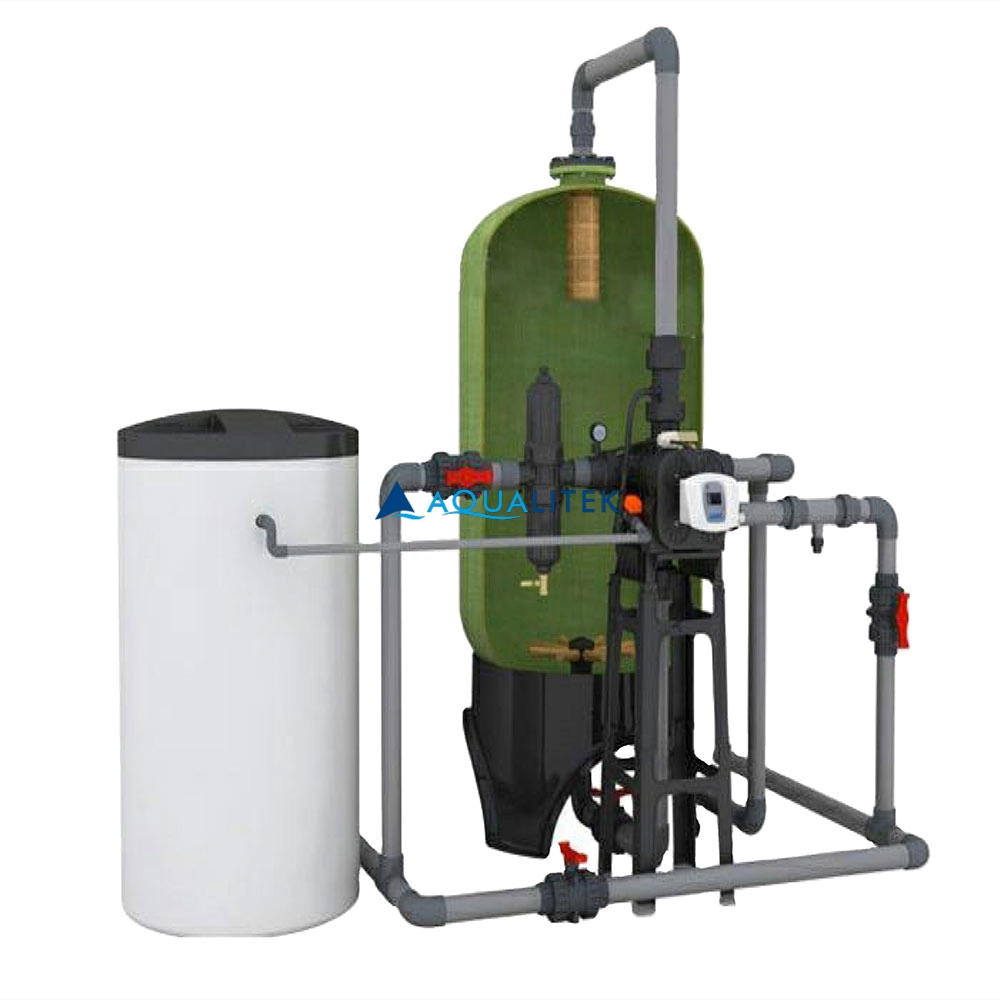
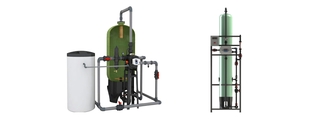
Single or Dual Water Softener Systems
A water softener is a specialized filtration system designed to remove hardness-causing minerals, primarily calcium and magnesium, from water. Hard water can lead to scale buildup in pipes, appliances, and fixtures, reducing their efficiency and lifespan. By using an ion exchange process, water softeners replace these hardness minerals with sodium or potassium ions, effectively softening the water.
Water softeners are widely used in residential, commercial, and industrial applications to improve water quality, enhance appliance performance, and prevent plumbing issues. Softened water also provides benefits such as better lathering of soaps and detergents, reduced soap scum, and improved efficiency of water heaters and other appliances. With their ability to extend the life of plumbing systems and reduce maintenance costs, water softeners are an essential solution for managing hard water problems effectively.
Ion Exchange Water Treatment Systems
High-Purity Water Solutions Using Ion Exchange Resins for Softening, Deionization, and Demineralization
Overview: What Is Ion Exchange in Water Treatment?
Ion exchange is a chemical water treatment process widely used to remove unwanted dissolved ions from water, such as calcium, magnesium, nitrates, and sulfates. Our ion exchange systems are engineered for high flow rates, low chemical consumption, and consistent water quality. Common applications include water softening, deionization (DI), demineralization (DM), Electrodeionization (EDI), nitrate removal, and mixed bed polishing.
Types of Ion Exchange Water Treatment Systems We Offer :
- Water Softening Systems (Cation Exchange)
- Demineralization Systems (Two-Bed: Cation + Anion)
- Mixed Bed Polishers (MB)
- Electrodeionization (EDI)
- Specialty Resin Systems (Heavy Metals)
Key Applications of Ion Exchange Systems
Our ion exchange solutions are deployed across multiple industries and facilities:
➤ Groundwater & Rural Water Treatment
Nitrate and sulfate removal for compliance and health protection.
Advantages of Our Ion Exchange Systems
- High removal efficiency for ions like calcium, magnesium, nitrate, chloride, and sodium
- Compact and modular designs suitable for limited space
- FRP, rubber-lined steel, or stainless steel vessels based on site requirements
- Manual, semi-auto, and fully automatic regeneration control
- Easy integration with RO, EDI, UV, and filtration units
- Customizable resins for special contaminant targets
Solutions in Real-World Scenarios
Our solutions have been widely implemented across industries—from industrial manufacturing and municipal infrastructure to agricultural irrigation and commercial facilities. Here are some selected cases that demonstrate how we tailor water treatment systems to meet client needs, achieving goals such as energy efficiency, compliance, and water reuse.

Cape Verde, an island nation off the coast of West Africa, faces seasonal freshwater scarcity due to limited natural water resources and increasing residential demand. A local utility company partnered with us to deploy a containerized seawater reverse osmosis (SWRO) system to provide reliable potable water for domestic use.

An industrial client in Ecuador required a reliable solution to pre-treat groundwater for production use. The raw water exhibited turbidity, sediment, and occasional odor, which posed a risk to downstream processes. The client sought a simple, automatic, and low-maintenance filtration system to improve water quality before further treatment or use. Water flow required at 20m3 per hour.

A residential customer in Mongolia required a robust water softening solution to ensure water quality for domestic purposes.Our dual-tank softening system was engineered to eliminate any downtime. It automatically switches between units to provide a non-stop supply of softened water, effortlessly sustaining the full 12-ton daily flow required for continuous household use.
FAQs About Ion Exchange Systems
Ion Exchange Water Treatment Systems
What is the difference between softening and deionization?
Softening removes only hardness ions (Ca²⁺, Mg²⁺), while deionization removes both cations and anions to produce high-purity water.
Which chemicals are required for regeneration?
Softening uses NaCl. Demineralization uses HCl or H₂SO₄ for cation resin and NaOH for anion resin.
Are mixed bed systems better than two-bed systems?
Mixed bed polishers are used for final polishing after RO or two-bed deionization to achieve ultra-pure water.
Can ion exchange work with seawater or high-TDS water?
Ion exchange is more suitable for low to moderate TDS water. High-TDS applications often use RO as a primary treatment.
How often is regeneration needed?
It depends on water quality and usage. Most systems regenerate every few days to a week under normal loads.


AQUALITEK Water Treatment Solutions
Innovative & Customized Systems for Global Water Purification Needs


Rest assured that your privacy is important to us, and all information provided will be handled with the utmost confidentiality.
By clicking "Submit now," I agree to your processing of my personal data.
To see how to withdraw your consent, how to control your personal data, and how we process it, please see our Privacy Policy and Terms of Use.
© 2026 AQUALITEK. All rights reserved.
AQUALITEK- Aimee Hoo
AQUALITEK - Aimee Hoo