




Ultimate Guide to Water Treatment Systems for Well Water 2026
Comprehensive guide to water treatment systems for well water in 2026, covering industrial solutions and safety.
- Introduction
- Understanding Industrial Well Water: A Critical First Step
- Comprehensive Testing
- Key Contaminants to Watch
- Common Industrial Well Water Problems and Their Impact
- Hardness (Calcium & Magnesium)
- Iron & Manganese
- Hydrogen Sulfide (Sulfur)
- Sediment (Sand, Silt, Dirt)
- Bacteria & Viruses
- Low pH (Acidic Water)
- Types of Water Treatment Systems for Industrial Well Water
- Choosing the Right Water Treatment System for Industrial Wells
- Installation and Maintenance: Ensuring Longevity and Performance
- Maintenance Checklist:
- The Benefits of Industrial Water Treatment Systems
- Can water treatment systems remove bacteria and viruses?
- Environmental Risks and Proper Disposal of Byproducts from Water Treatment
- FAQs
- What is a water treatment system and why is it important?
- How do I choose the right water treatment system for my needs?
- What are the most common types of water treatment systems?
- Are water treatment systems expensive to install and maintain?
- How often should I replace the filters in my water treatment system?
- How does reverse osmosis (RO) work in water treatment systems?
- What is the difference between whole-house and point-of-use water treatment systems?
- Can a water treatment system improve the taste of my water?
- Conclusion
Introduction
Many industrial operations rely heavily on private wells for water. They provide the water needed for manufacturing, cooling systems, and other production processes. But well water isn't always pure, so it often needs to be treated a lot to meet the strict water quality standards needed for industrial use. Municipal water is regularly treated and monitored, but the quality of well water depends on the actions of the industry managing it.
It's essential to make sure that well water is free from contaminants to keep machinery running smoothly, ensure product quality, and maintain safety. Contaminants in well water can range from aesthetic issues like mineral staining to more severe industrial risks like bacteria, nitrates, and heavy metals. This guide will help you understand how to choose the right water treatment systems for your industrial needs, ensuring that your operation runs smoothly and efficiently.
Understanding Industrial Well Water: A Critical First Step
Before picking a water treatment system for your factory, it's key to really understand the quality of the water. Guesswork can be costly—if you install the wrong system, like a water softener when the issue is iron contamination, you could end up with expensive repairs and operational downtime.
Comprehensive Testing
It's crucial to run a thorough lab test before implementing any treatment solution. DIY kits just aren't accurate enough for diagnosing industrial water quality. We suggest sending samples to a certified lab to get an accurate reading on the contaminants in your well water.
Key Contaminants to Watch
Common contaminants in industrial well water that need to be tested for include:
-
Microorganisms: Total Coliform and E. coli bacteria.
-
Minerals and Metals: Iron, manganese, lead, arsenic, and copper.
-
Chemical Parameters: Nitrates, nitrites, pH levels, hardness, and Total Dissolved Solids (TDS).
-
Volatile Organic Compounds (VOCs): Relevant for industries near agricultural or industrial zones.
Once you have the results, you can match the contaminants with the appropriate water treatment systems designed to tackle these specific issues.
Common Industrial Well Water Problems and Their Impact
Well water in industrial settings is rarely pure H₂O. As groundwater moves through soil and rock, it dissolves minerals and can pick up contaminants from the surface. Here are the most common problems industrial operations face:
Hardness (Calcium & Magnesium)
Hard water is a common problem, especially in industries that use water for cooling or washing. Having a lot of calcium and magnesium in the water can cause scale buildup in pipes, boilers, and heat exchangers. This can reduce their efficiency and lifespan. Water softeners with ion exchange technology are often used to get rid of these minerals.
Iron & Manganese
Iron and manganese can stain equipment, metal surfaces, and raw materials. They also often make processed products taste metallic. These metals can also damage industrial machinery. An iron removal system is essential for keeping equipment running well and making sure everything meets quality standards.
Hydrogen Sulfide (Sulfur)
Hydrogen sulfide, which smells like rotten eggs, can damage metal pipes and silverware in places like food production and pharmaceuticals. This gas can also damage industrial machines and cooling systems. You'll usually need a chemical or filtration system to get rid of the sulfur compounds.
Sediment (Sand, Silt, Dirt)
Turbidity caused by sediment or suspended solids is pretty common in well water. These contaminants can clog filters, damage pumps, and degrade the performance of water-based equipment. Pre-filtration systems are key to protecting downstream systems from these harmful particles.
Bacteria & Viruses
Industrial water sources, especially wells, can carry harmful bacteria like E. coli, which can pose health risks for workers and contaminate products. You can use ultraviolet (UV) light or chemicals to kill these germs.
Low pH (Acidic Water)
Water with a pH below 7.0 is considered acidic, and that can damage metal parts of industrial machinery and infrastructure, leading to leaks and contamination risks. Acid neutralizers are great for neutralizing systems because they adjust the pH of the water to a safe range.

Types of Water Treatment Systems for Industrial Well Water
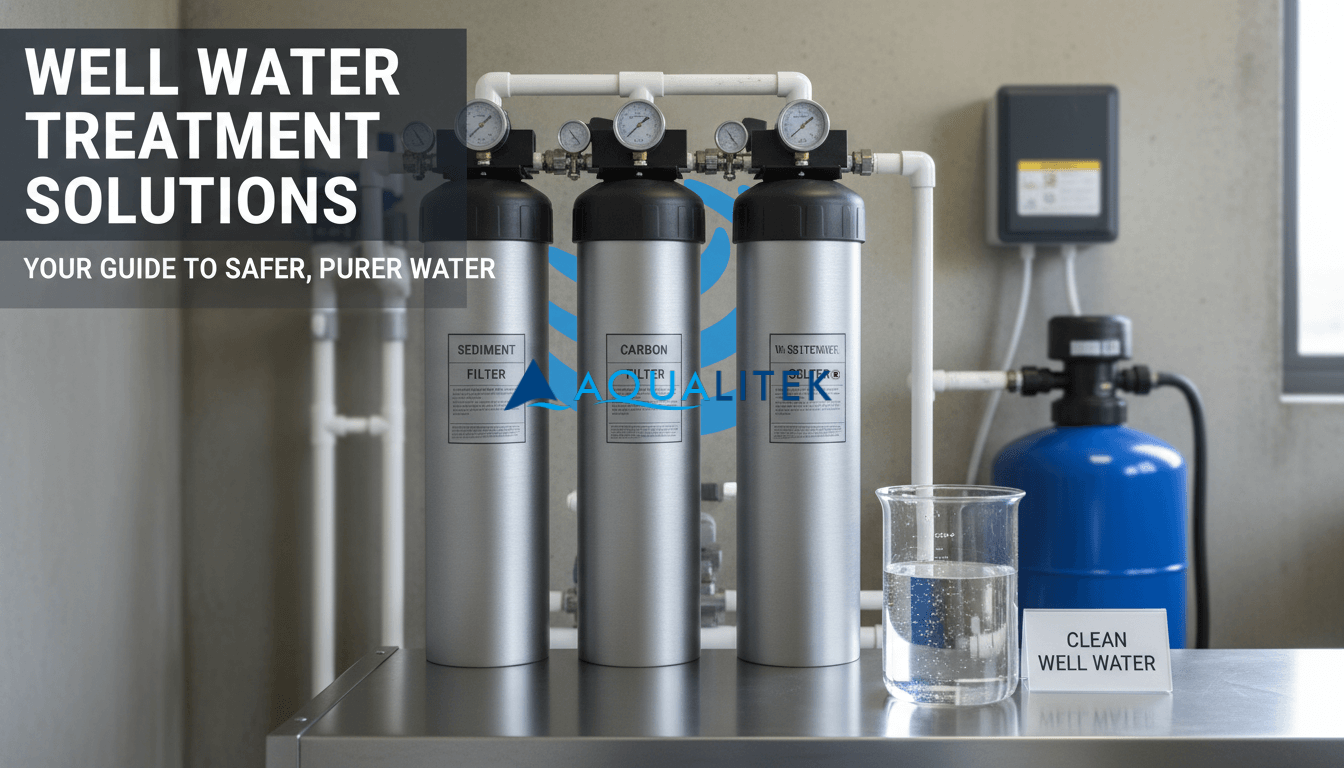
Once you've figured out the specific problems with your well water, you can choose the best treatment options. Industrial water treatment systems usually have several filtration stages to deal with different kinds of contaminants.
| Water Treatment System | Function | Common Applications |
|---|---|---|
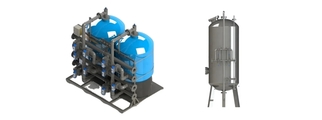
| Sediment Filters | Traps sand, dirt, rust, and other suspended solids, preventing clogging of equipment. | First line of defense in multi-stage filtration systems. Often used in industries with high particulate contamination. |
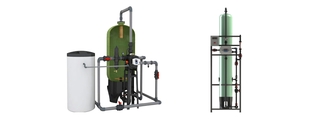
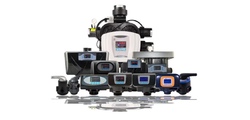
| Water Softeners | Uses ion exchange to replace calcium and magnesium ions with sodium or potassium, preventing scale buildup. | Industries with hard water, such as manufacturing plants, power stations, and cooling systems. |
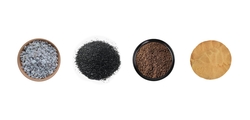
| Iron & Manganese Removal Systems | Removes dissolved iron and manganese using oxidizing media or air injection, turning them into solid particles for filtration. | Essential for industries where iron/manganese contamination affects equipment or product quality, like water treatment plants, food and beverage, and manufacturing. |
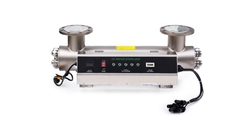
| UV Light Water Treatment | Uses ultraviolet light to disinfect water, disrupting the DNA of bacteria, viruses, and other microorganisms. | Common in industries concerned with biological contamination, including food processing, pharmaceuticals, and beverage production. |
| Acid Neutralizers | Raises pH levels of acidic water, neutralizing corrosive effects and preventing metal leaching. | Used in industries with acidic well water, especially in metal processing, manufacturing, and water-based cooling systems. |
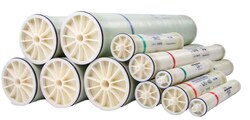
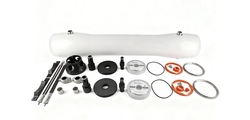
| Reverse Osmosis (RO) Systems | Removes up to 99% of dissolved solids, chemicals, and microorganisms by passing water through a semi-permeable membrane. | Ideal for industries requiring ultra-pure water, such as pharmaceuticals, food and beverage, electronics manufacturing, and laboratories. |
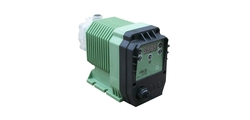
| Chemical Feed Pumps | Injects oxidizers like chlorine or hydrogen peroxide to disinfect water in cases of severe contamination. | Used in high-contamination environments, often in water treatment plants, industrial waste management, or areas with high sulfur levels. |
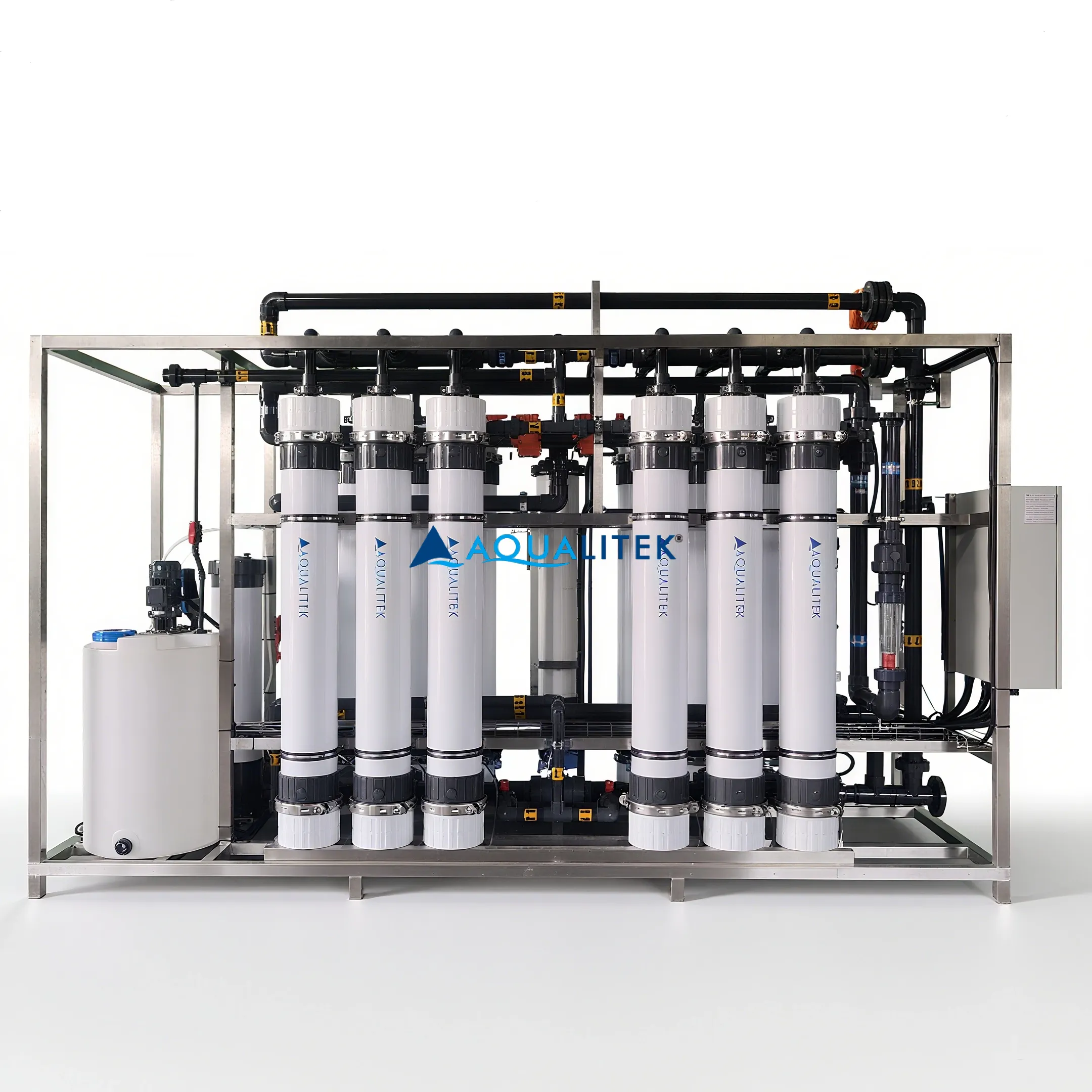
Choosing the Right Water Treatment System for Industrial Wells
When selecting a water treatment system for industrial applications, consider the specific needs of your operation:
-
Match the Solution to the Problem:
For biological contamination, a simple UV system may suffice; however, more complex systems may be required for hard water or heavy metal contamination.Whole-House vs. Point-of-Use:
Whole-house systems treat water for the entire industrial facility, while point-of-use systems are ideal for specific areas (e.g., drinking water for employees or critical production processes).System Sizing and Flow Rate:
Make sure the system is the right size to handle peak water usage. Industrial systems often need higher flow rates and larger capacities.Maintenance and Operating Costs:
Also, think about long-term maintenance needs, like salt for softeners or UV bulbs.
Installation and Maintenance: Ensuring Longevity and Performance
Proper installation is key to making sure your water treatment system works right. For complex systems, it's best to have a pro handle the installation to make sure it works right.
Maintenance Checklist:
-
Sediment Filters: Replace every 3-6 months.
UV Lamps: Replace every year and clean the quartz sleeves regularly.
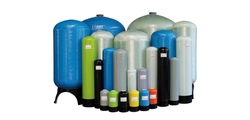
Resin Tanks: Just remember to clean it every now and then to keep it from getting dirty.
System Testing: You should also retest the water quality once a year to make sure the system is working right.
The Benefits of Industrial Water Treatment Systems
Investing in water treatment systems has many benefits:
-
Health and Safety:
Getting rid of harmful contaminants is important for keeping workers safe and stopping expensive product recalls.
Asset Protection:
You can keep your machinery and equipment running longer by preventing scale and corrosion.
Improved Efficiency:
Having clean water improves how well your business runs, because it cuts back on times when your equipment is broken or your products have quality problems.
Cost Savings:
You can save a lot of money over time by reducing the need for bottled water and minimizing plumbing repairs.
-
Can water treatment systems remove bacteria and viruses?
- Absolutely, water treatment systems can actually get rid of bacteria and viruses, making sure the water is safe for both industry and home use. When it comes to water treatment systems for well water, UV light is one of the most common ways to disinfect. UV systems use ultraviolet light to disrupt the DNA of germs, which stops them from reproducing and causing illness. Chlorination is another effective option. It involves injecting chlorine to kill bacteria and viruses. Reverse osmosis (RO) systems can also get rid of some biological contaminants by filtering water through a semi-permeable membrane. But how well these systems work depends on the quality of the water. Sometimes, pretreatment like sediment filtration is needed to get the best results. It's important to keep up with regular maintenance and monitoring to make sure the system is doing its job of getting rid of harmful microorganisms.
-
Environmental Risks and Proper Disposal of Byproducts from Water Treatment
- While water treatment systems for well water are essential for ensuring clean, safe water, it's also important to consider the environmental risks and proper disposal of byproducts. Some water treatment methods, like chemical treatments and reverse osmosis, generate waste products such as brine, sludge, and spent filters, which may contain harmful chemicals or heavy metals. If you don't dispose of them properly, they can contaminate local water sources, soil, and ecosystems. To deal with these risks, industries and facilities need to follow proper waste management practices. This includes neutralizing hazardous materials, recycling spent filters, and disposing of waste in compliance with environmental regulations. Making sure to dispose of them properly is good for the environment and helps keep water treatment processes sustainable, making them safer to use over time.
-
FAQs
-
What is a water treatment system and why is it important?
A water treatment system is a process that improves the quality of water by removing contaminants. It's important because untreated water can contain harmful stuff like bacteria, viruses, minerals, and chemicals that can affect your health, equipment, and product quality. A good system makes sure you've got clean, safe water for all sorts of uses, from industrial processes to drinking water.
How do I choose the right water treatment system for my needs?
Choosing the right water treatment system depends on your water quality, the specific contaminants, and how you'll use it. The first step is to test the water to see what contaminants are present. Then, you can choose a system to get rid of those contaminants, like a sediment filter, softener, or UV treatment.
What are the most common types of water treatment systems?
The most common types of water treatment systems include sediment filters, water softeners, reverse osmosis (RO) systems, UV treatment, and chemical feed pumps. Each system has a specific purpose, like removing sediment, softening hard water, or disinfecting biological contaminants.
Are water treatment systems expensive to install and maintain?
The cost of installing a water treatment system can vary a lot. It depends on how complex the system is and how big the installation is. But the maintenance costs are usually pretty low, as long as the system is well-maintained. To keep things running smoothly and save you from having to pay for expensive repairs down the road, it's important to do regular maintenance, like replacing filters and cleaning components.
How often should I replace the filters in my water treatment system?
How often you need to replace the filter depends on the type of filter and the quality of the water. Sediment filters usually need to be replaced every 3-6 months, while carbon and UV filters may need to be replaced once a year. It's important to follow the manufacturer's guidelines for maintenance to keep the system running efficiently.
How does reverse osmosis (RO) work in water treatment systems?
Reverse osmosis (RO) uses a semi-permeable membrane to remove dissolved solids, chemicals, and microorganisms from water. It works by applying pressure to force water through the membrane, allowing clean water to pass through while blocking out contaminants. RO systems are great for making ultra-pure water, and they're used a lot in industries like food production and pharmaceuticals.
What is the difference between whole-house and point-of-use water treatment systems?
A whole-house water treatment system treats water at the point of entry (POE), filtering water for the entire house or facility. This type is great for getting rid of the stuff that can mess up your plumbing, appliances, and the water quality in your building. Point-of-use systems treat water at a single tap or outlet, usually for drinking or cooking, and provide targeted filtration where it's needed most.
Can a water treatment system improve the taste of my water?
A water treatment system can definitely make a big difference in the taste of water. It can get rid of things like chlorine, sediment, and organic compounds that can make the water taste bad. Carbon filters and reverse osmosis systems are great at making water taste better by getting rid of stuff that changes the taste.
Conclusion
It's crucial to have reliable, clean water for industrial operations. If you know the quality of your well water and pick the right treatment systems, you can make sure your operation is a long-term success. No matter what kind of industrial facility you've got, there are solutions out there to meet your needs. Whether you need an iron filter, UV sterilization, or a multi-stage filtration system, you can find the right one.For tailored water treatment solutions, contact Aqualitek today to discuss your specific needs and ensure optimal performance for your operation.



Request More Information or Expert Advice
Share a few details, and we’ll provide deeper insights, tailored suggestions, or product support.
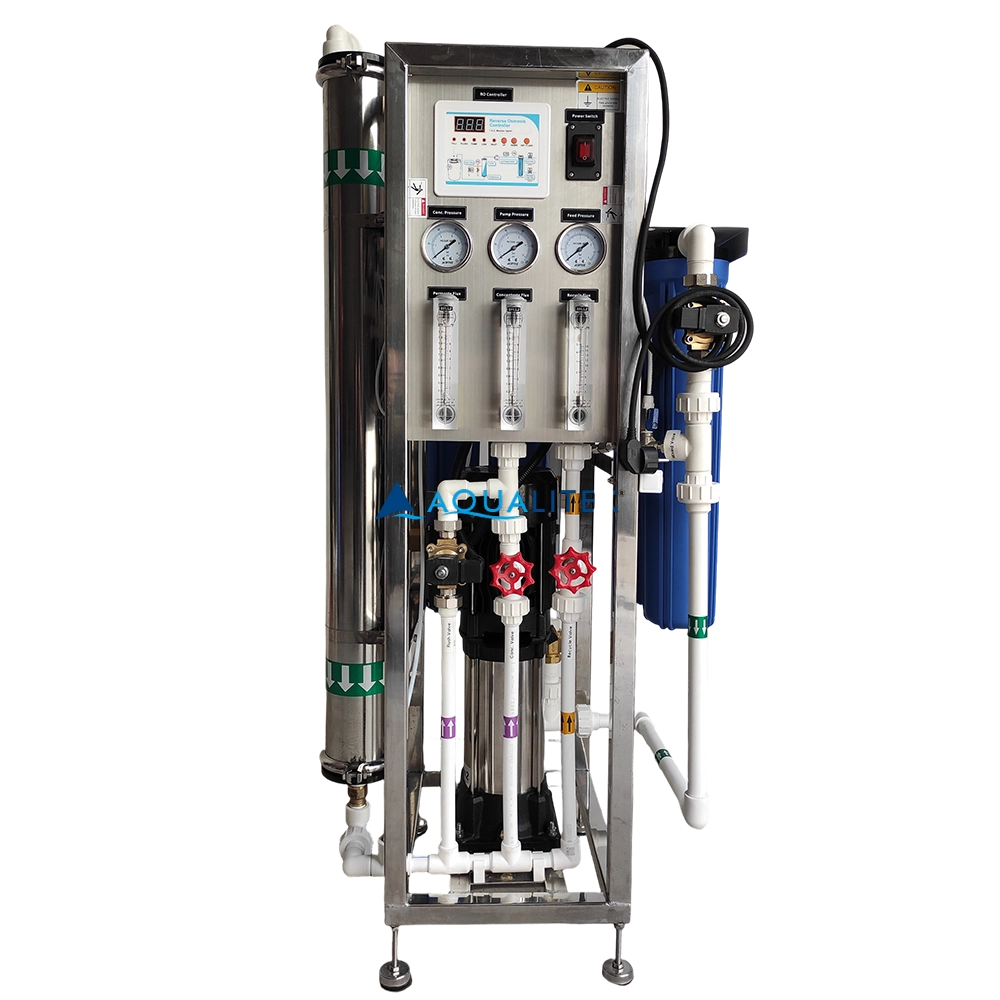
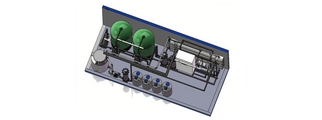
Our 500 LPH Reverse Osmosis (RO) System is engineered to provide high-quality purified water for commercial applications. Designed with advanced RO technology, durable components, and a user-friendly interface, this system ensures consistent performance, low maintenance, and long-term reliability.
With its compact design and robust skid-mounted frame, it’s an excellent choice for businesses that demand efficiency and quality in water purification.
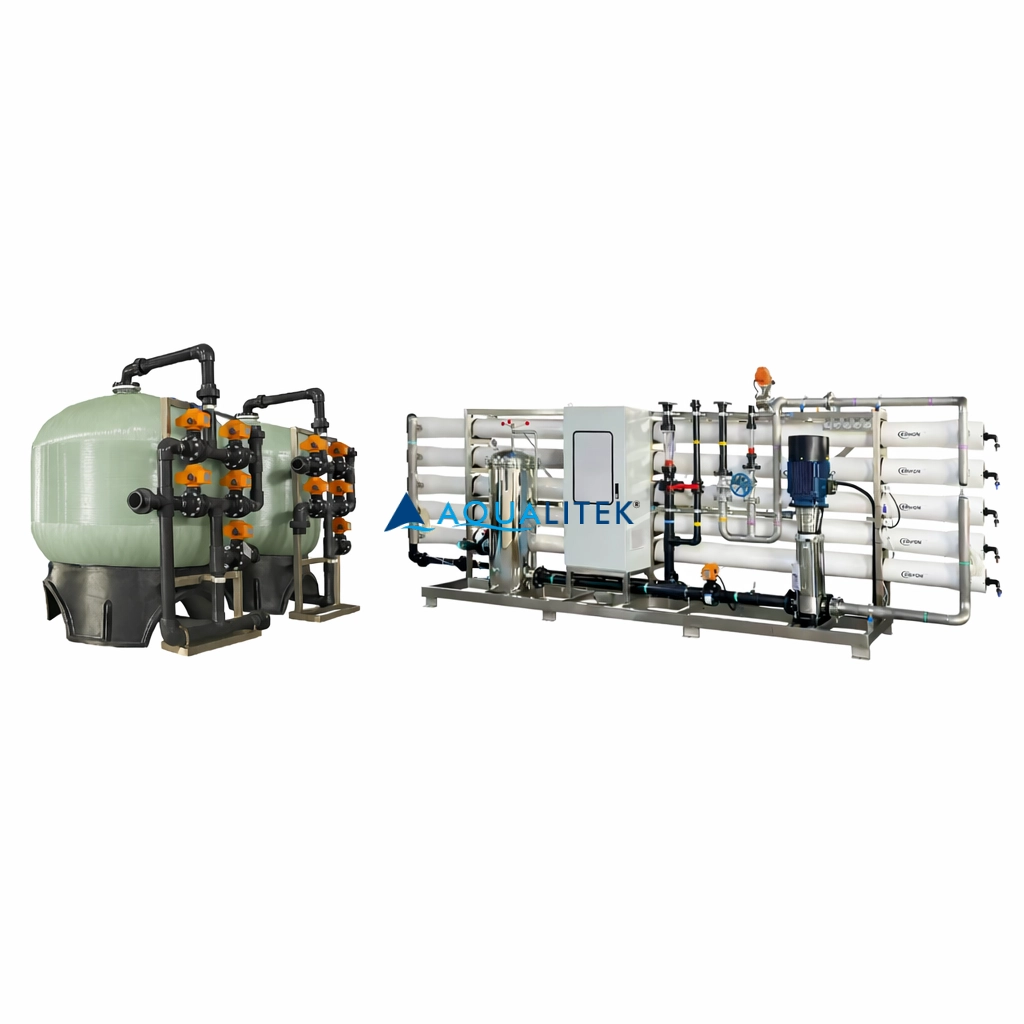
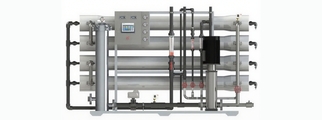
30TPH Industrial Reverse Osmosis (RO) System designed for industrial and municipal water treatment. High salt rejection, energy-efficient design, PLC control, and customizable configuration.
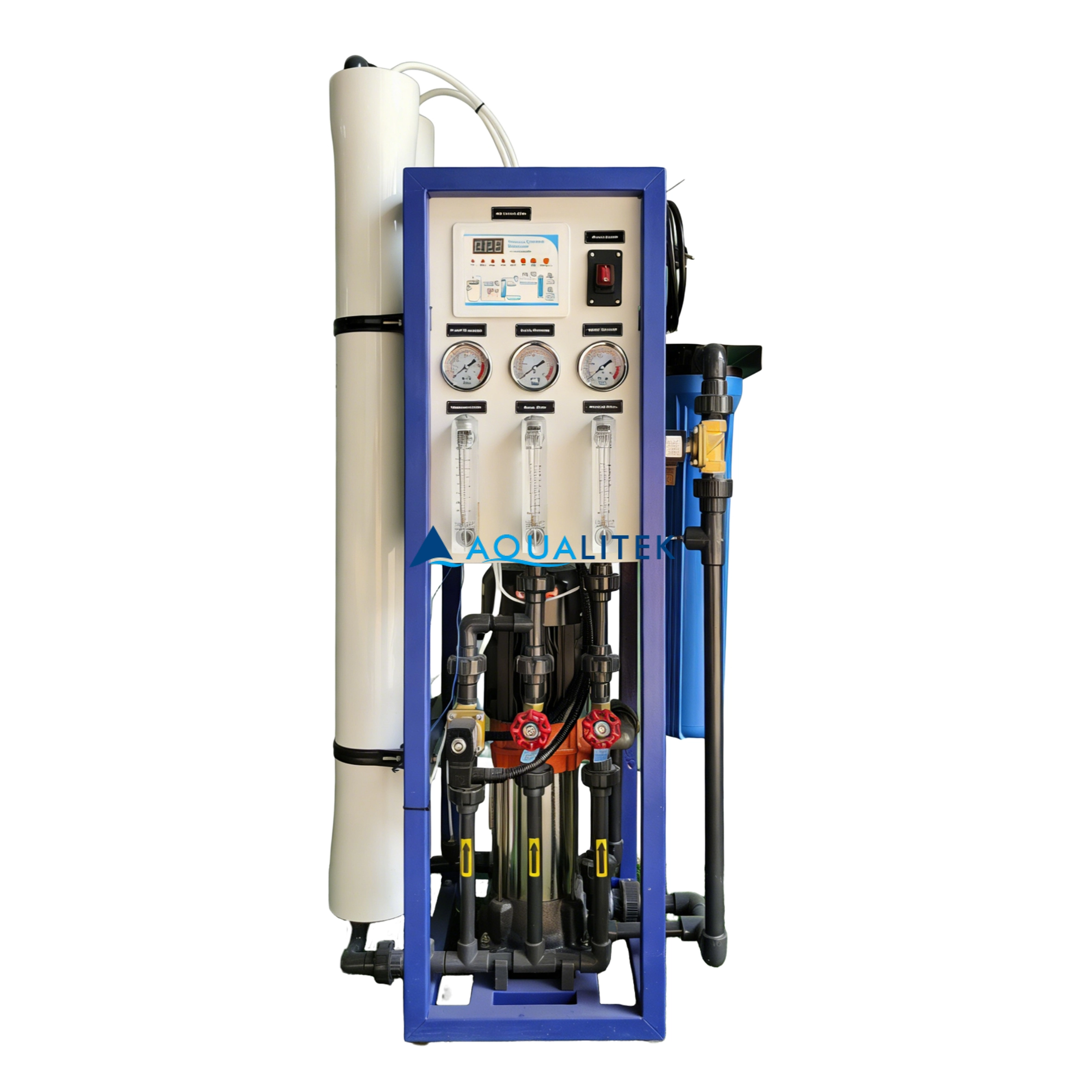
AQUALITEK's 500LPH Panel Mounted Reverse Osmosis Water Purification System delivers reliable 500 LPH RO water production. This compact industrial reverse osmosis unit is ideal for small scale industrial RO needs, ensuring efficient and high-quality purified water in a space-saving design.
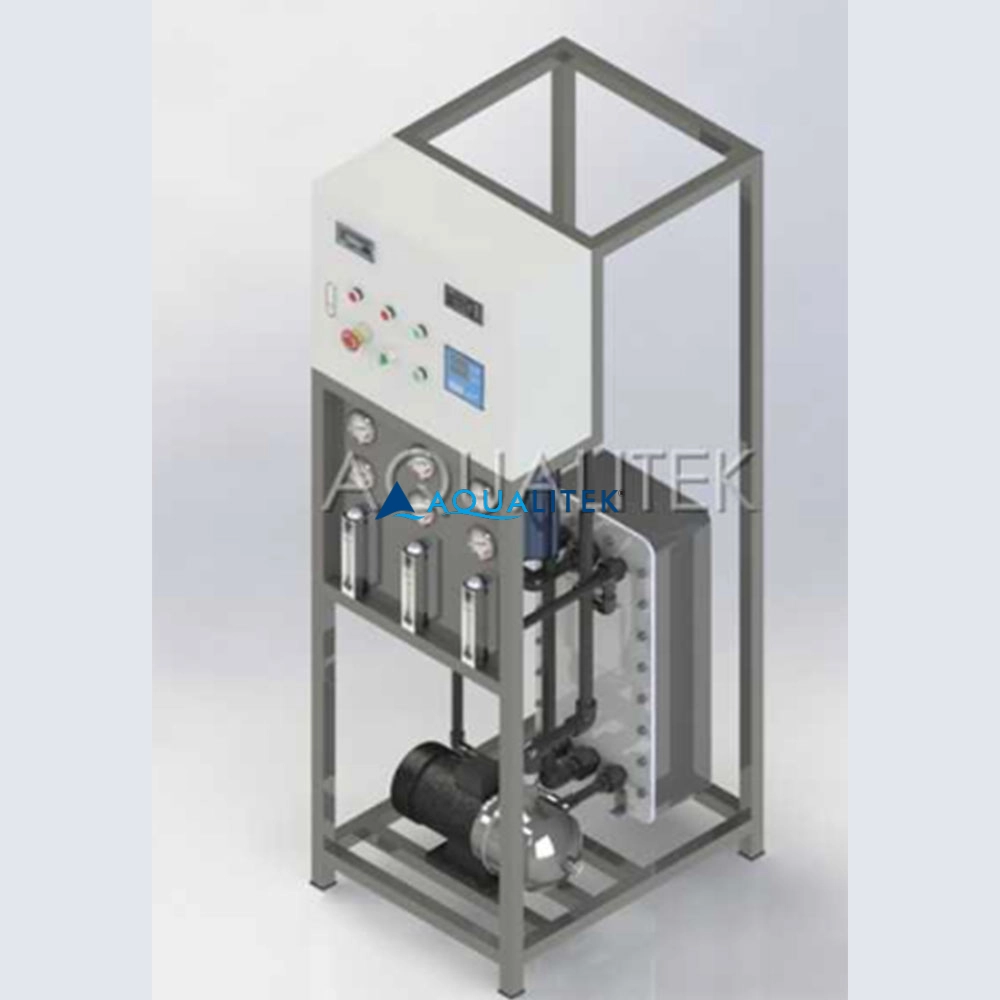
Electrodeionization (EDI) system is an advanced water purification technology that combines ion exchange and electrochemical processes to produce ultra-pure water. Unlike traditional deionization methods, which rely on chemical regeneration, EDI utilizes electric fields to drive the movement of ions through ion-exchange membranes, effectively removing dissolved salts and other ionic contaminants.
This process is continuous and does not require the use of chemicals for regeneration, making it an environmentally friendly and cost-effective solution for producing high-quality deionized water. EDI systems are widely used in applications requiring ultrapure water, such as in the pharmaceutical, semiconductor, power generation, and biotechnology industries, as well as for laboratory use.
By offering high-purity water without the need for chemical regeneration, EDI systems provide a sustainable, efficient, and reliable alternative to traditional deionization methods, making them an ideal choice for industries where water quality and process control are critical.
© 2026 AQUALITEK. All rights reserved.
AQUALITEK- Aimee Hoo
AQUALITEK - Aimee Hoo