
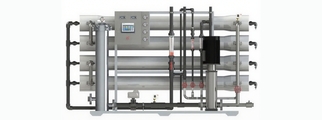
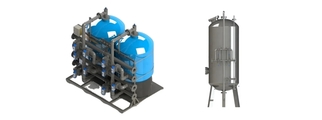
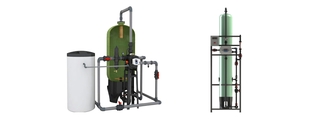
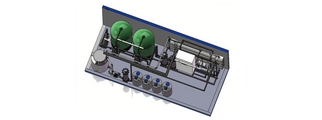



What are reverse osmosis systems and how do they work?
- Understanding Reverse Osmosis Systems: A Comprehensive Guide for Water Treatment Professionals
- 1. What is Reverse Osmosis and How Does it Work?
- 2. What Are the Key Components of an RO System?
- 3. What Are the Applications of Reverse Osmosis Systems?
- 4. How Do You Maintain an RO System?
- 5. What Are the Advantages and Disadvantages of RO Systems?
- 6. How Do You Select the Right RO System?
- 7. What Are the Costs Associated with RO Systems?
- 8. How Do RO Systems Compare to Other Water Treatment Methods?
- Conclusion: Why Choose AQUALITEK for Your RO System Needs?
Understanding Reverse Osmosis Systems: A Comprehensive Guide for Water Treatment Professionals
Reverse osmosis (RO) systems are integral to modern water treatment, offering efficient purification by removing contaminants through a semi-permeable membrane. This guide addresses common questions to assist professionals in selecting and maintaining RO systems.
1. What is Reverse Osmosis and How Does it Work?
Reverse osmosis is a water purification process where pressure forces water through a semi-permeable membrane, separating impurities from the water. The membrane allows water molecules to pass while blocking contaminants, resulting in purified water. This process is widely used in various applications, including desalination, pharmaceuticals, and food production.
2. What Are the Key Components of an RO System?
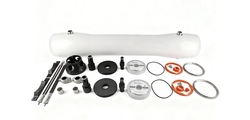
An RO system typically includes:
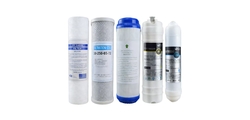
- Pre-Filters: Remove larger particles and chlorine to protect the membrane.
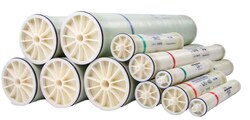
- RO Membrane: The core component that filters out dissolved solids and contaminants.
- Post-Filters: Polish the water, removing any remaining impurities.
- Storage Tank: Holds the purified water for on-demand use.
- Faucet: Dispenses the treated water.
3. What Are the Applications of Reverse Osmosis Systems?
RO systems are utilized in various sectors, including:
- Desalination: Converting seawater into freshwater.
- Pharmaceuticals: Producing high-purity water for drug manufacturing.
- Food and Beverage: Concentrating juices and removing impurities from products.
- Agriculture: Providing clean water for irrigation.
4. How Do You Maintain an RO System?
Regular maintenance ensures optimal performance:
- Pre-Filters: Replace every 6–12 months.
- RO Membrane: Replace every 2–3 years, depending on usage and water quality.
- Post-Filters: Replace annually.
Additionally, sanitize the system annually and monitor water quality to detect any issues promptly.
5. What Are the Advantages and Disadvantages of RO Systems?
Advantages:
- High Purity: Effectively removes a wide range of contaminants.
- Versatility: Suitable for various applications, from residential to industrial.
Disadvantages:
- Water Waste: Typically, 25–30% of the input water is discarded as waste.
- Mineral Removal: Essential minerals may be removed, requiring remineralization for health benefits.
6. How Do You Select the Right RO System?
Consider the following factors:
- Water Quality: Assess the specific contaminants present.
- Water Usage: Determine the required flow rate and daily water volume.
- System Size: Ensure the system fits the available space.
- Maintenance Requirements: Evaluate the ease of maintenance and availability of replacement parts.
7. What Are the Costs Associated with RO Systems?
Costs vary based on system size and complexity:
- Residential Systems: Typically range from $150 to $600.
- Commercial Systems: Can range from $1,000 to over $10,000.
Consider both initial investment and ongoing maintenance costs when budgeting.
8. How Do RO Systems Compare to Other Water Treatment Methods?
Compared to distillation and UV filtration:
- Efficiency: RO systems are more energy-efficient than distillation.
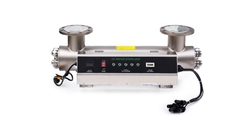
- Effectiveness: RO systems can remove a broader range of contaminants compared to UV filtration.
However, RO systems produce wastewater and may require remineralization of the purified water.
Conclusion: Why Choose AQUALITEK for Your RO System Needs?
AQUALITEK offers advanced reverse osmosis systems designed for efficiency and reliability. With a focus on quality materials, user-friendly design, and comprehensive support, AQUALITEK ensures optimal water purification solutions tailored to your specific requirements.
For a visual demonstration of how reverse osmosis systems work, you can watch the following video:


Request More Information or Expert Advice
Share a few details, and we’ll provide deeper insights, tailored suggestions, or product support.
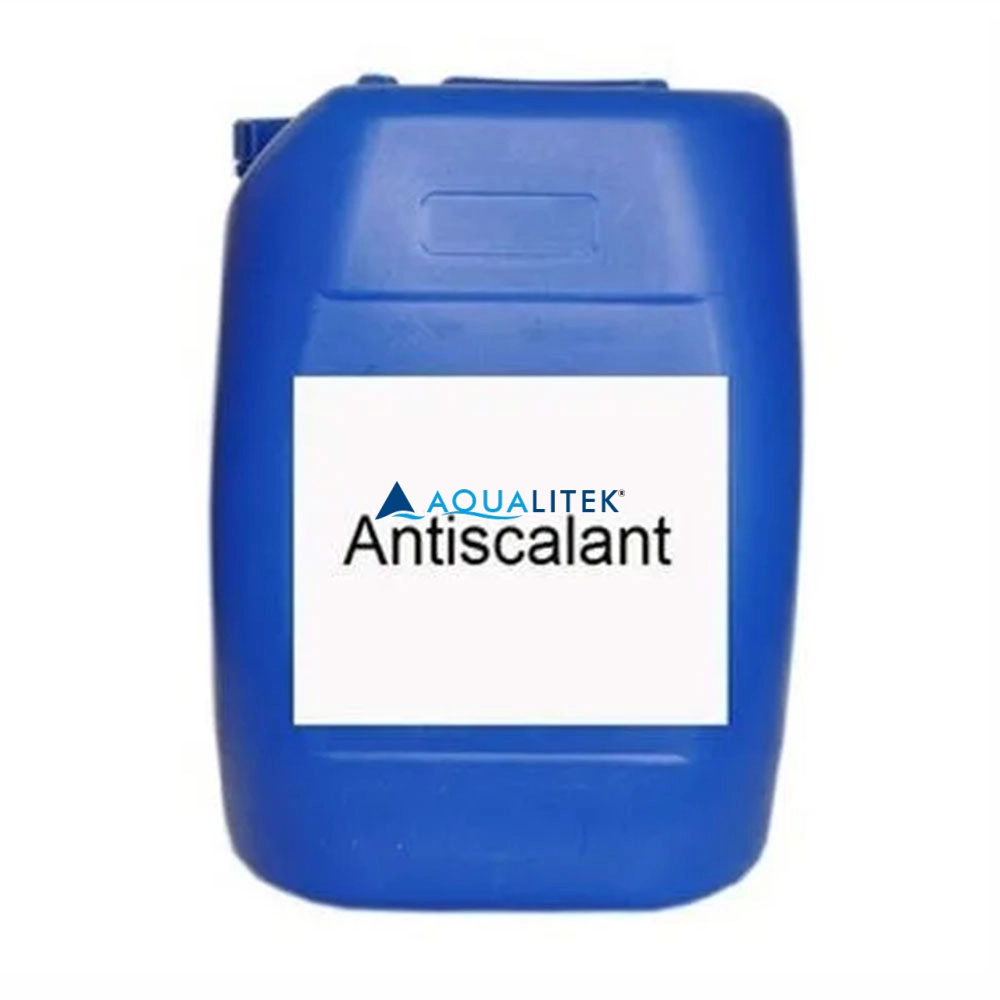
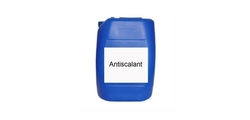
Anti-Scalant is a specialized water treatment chemical designed to prevent the formation of scale in reverse osmosis (RO) systems. Scaling is a common issue in RO systems, where minerals like calcium, magnesium, and silica precipitate and form hard deposits on the membrane surface. These deposits can clog the membranes, reduce water production efficiency, and increase operational costs.
RO chemical anti-scalants work by inhibiting the crystallization of scale-forming minerals, effectively keeping them in solution and preventing them from adhering to the membrane. This ensures the longevity and optimal performance of the RO system.
Anti-scalants are essential in applications with hard water or high mineral content, such as in industrial, municipal, and desalination plants.
These chemicals are highly effective in preventing scaling caused by common minerals such as calcium carbonate, calcium sulfate, barium sulfate, and silica, helping to extend the lifespan of the membranes, reduce cleaning cycles, and enhance system efficiency.
By incorporating an RO chemical anti-scalant into your water treatment process, you can improve the reliability and overall performance of your reverse osmosis system, ensuring consistent, high-quality water output while minimizing maintenance costs.
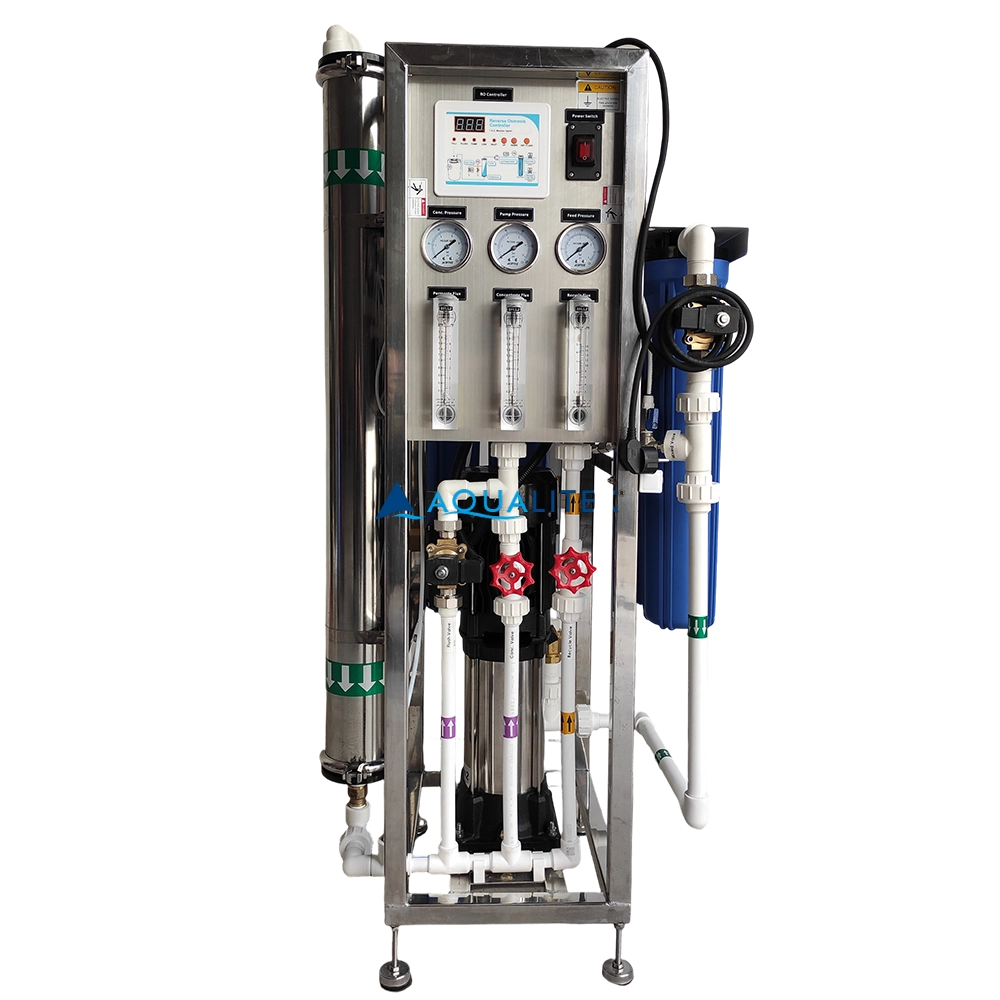
Our 500 LPH Reverse Osmosis (RO) System is engineered to provide high-quality purified water for commercial applications. Designed with advanced RO technology, durable components, and a user-friendly interface, this system ensures consistent performance, low maintenance, and long-term reliability.
With its compact design and robust skid-mounted frame, it’s an excellent choice for businesses that demand efficiency and quality in water purification.
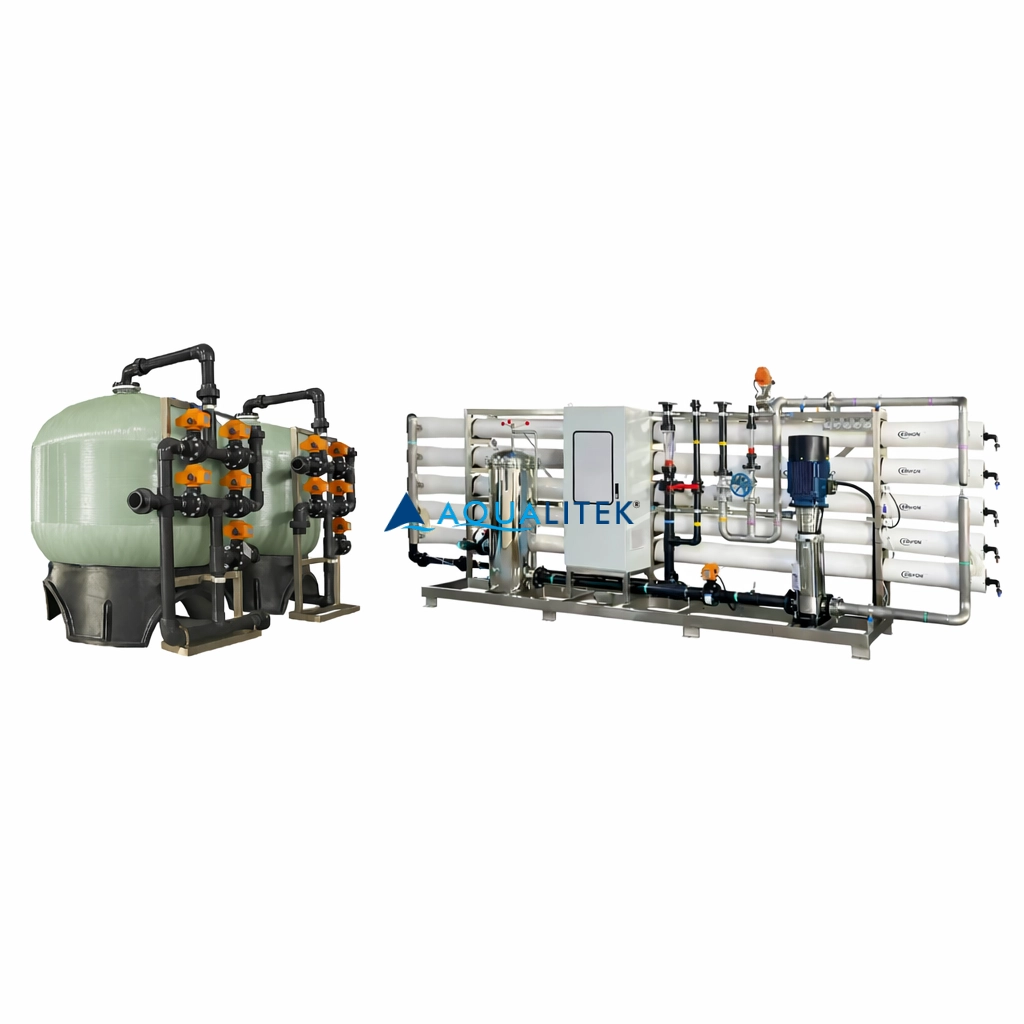
30TPH Industrial Reverse Osmosis (RO) System designed for industrial and municipal water treatment. High salt rejection, energy-efficient design, PLC control, and customizable configuration.
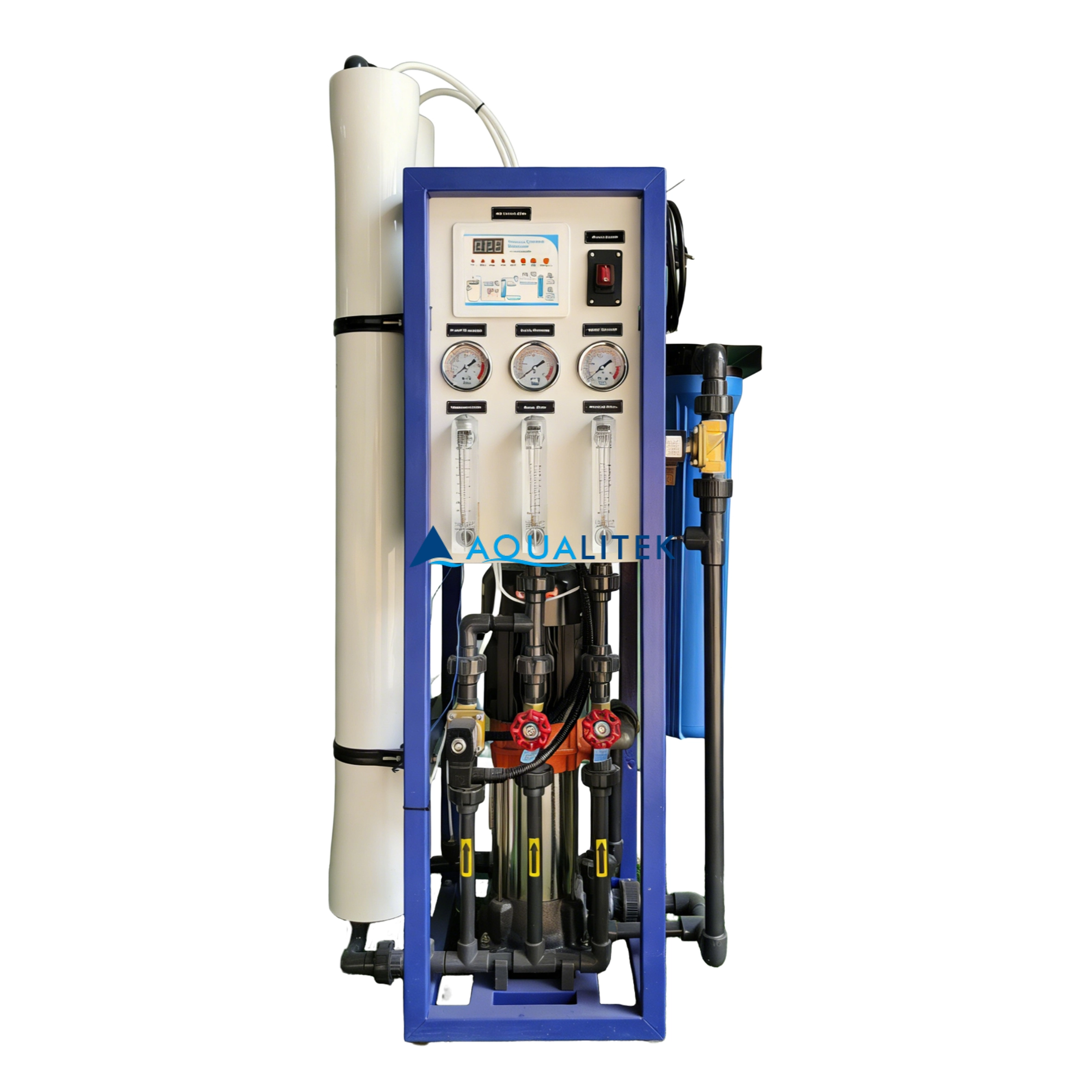
AQUALITEK's 500LPH Panel Mounted Reverse Osmosis Water Purification System delivers reliable 500 LPH RO water production. This compact industrial reverse osmosis unit is ideal for small scale industrial RO needs, ensuring efficient and high-quality purified water in a space-saving design.
© 2026 AQUALITEK. All rights reserved.
AQUALITEK- Aimee Hoo
AQUALITEK - Aimee Hoo