



Why choose reverse osmosis for industrial water treatment?
- Understanding Reverse Osmosis Systems for Industrial Water Treatment
- 1. What is Reverse Osmosis and How Does It Work?
- 2. Why Choose Reverse Osmosis for Industrial Water Treatment?
- 3. What Are the Key Components of an Industrial Reverse Osmosis System?
- 4. How Do I Determine the Appropriate Size for an Industrial RO System?
- 5. What Are the Maintenance Requirements for Industrial RO Systems?
- 6. What Are the Environmental Considerations When Using RO Systems?
- 7. How Do I Select a Reliable Supplier for Industrial RO Systems?
- 8. What Are the Costs Associated with Industrial RO Systems?
- Conclusion
- AQUALITEK's Advantages
Understanding Reverse Osmosis Systems for Industrial Water Treatment
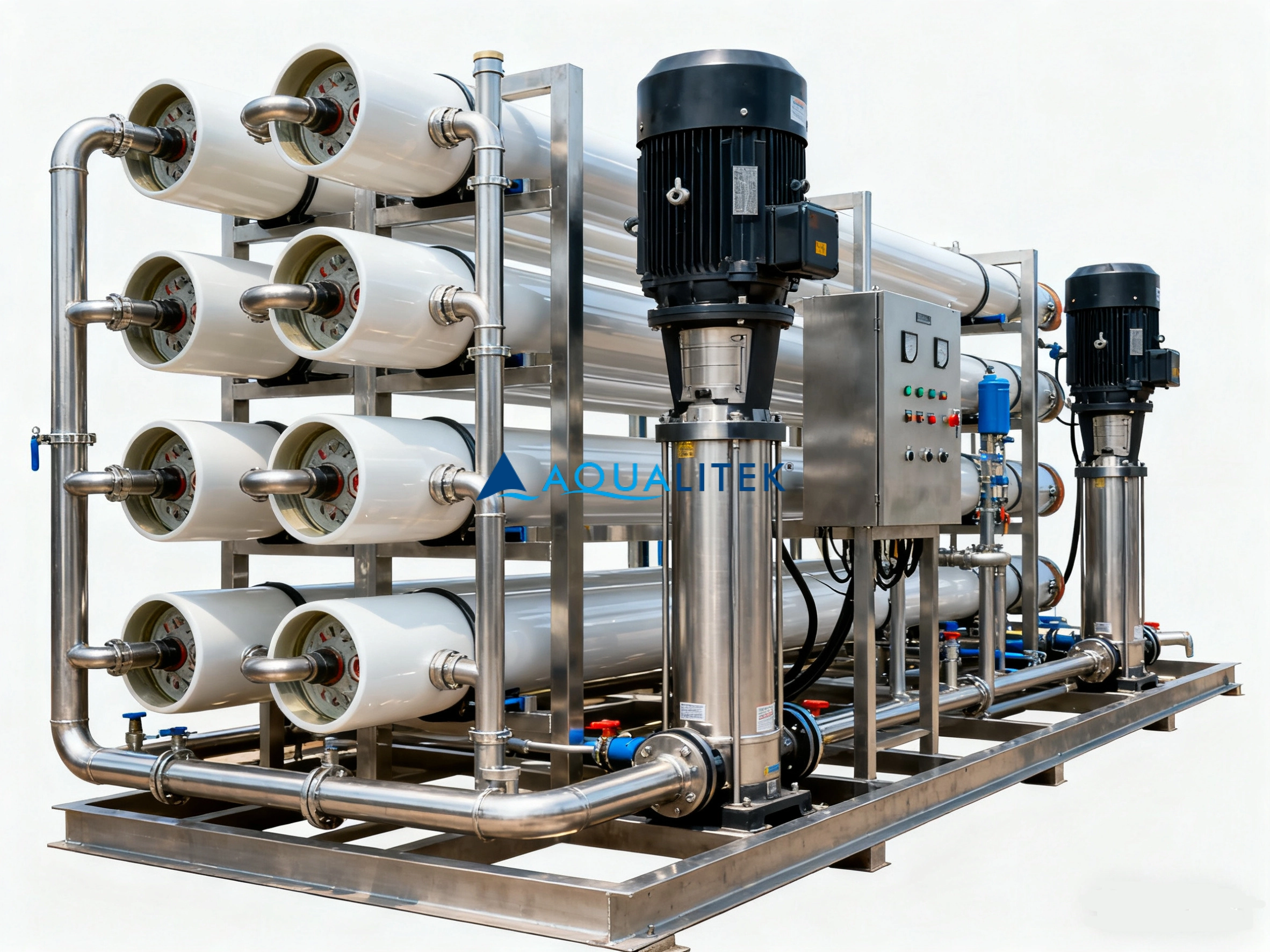
Industrial water treatment is crucial for ensuring the quality and safety of water used in various industrial processes. Reverse osmosis (RO) systems have become a preferred choice due to their efficiency and effectiveness. This article addresses common questions to assist in making informed decisions when selecting an RO system for industrial applications.
1. What is Reverse Osmosis and How Does It Work?
Reverse osmosis is a water purification process that removes dissolved salts, minerals, and other impurities by forcing water through a semi-permeable membrane under pressure. The membrane allows water molecules to pass while blocking contaminants, resulting in purified water. This process is effective in reducing up to 99% of dissolved solids, making it suitable for various industrial applications.
2. Why Choose Reverse Osmosis for Industrial Water Treatment?
RO systems offer several advantages for industrial water treatment:
High Purity Water: RO effectively removes a wide range of contaminants, providing high-quality water essential for industrial processes.
Cost-Effectiveness: Compared to other purification methods, RO is often more economical, especially when dealing with high concentrations of dissolved solids.
Energy Efficiency: Modern RO systems are designed to minimize energy consumption, reducing operational costs.
Scalability: RO systems can be customized to meet varying capacity requirements, from small-scale operations to large industrial facilities.
3. What Are the Key Components of an Industrial Reverse Osmosis System?
An industrial RO system typically includes:
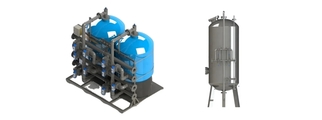
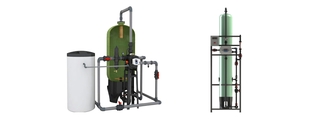
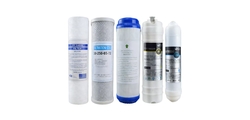
Pre-Treatment Units: These may consist of sediment filters, carbon filters, and water softeners to remove larger particles and chemicals that could damage the RO membrane.
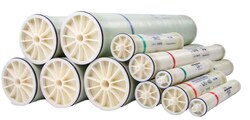
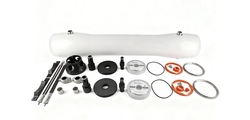
RO Membrane: The core component that separates impurities from water.
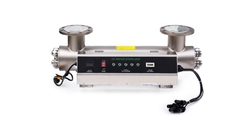
Post-Treatment Units: Such as UV sterilizers or pH adjustment systems to ensure the treated water meets quality standards.
Storage and Distribution Systems: To store and distribute the purified water as needed.
4. How Do I Determine the Appropriate Size for an Industrial RO System?
Sizing an RO system involves considering:
Daily Water Usage: Assess the total volume of water required for your operations.
Water Quality Requirements: Determine the acceptable levels of contaminants in the treated water.
Available Space: Ensure sufficient space for system installation and maintenance.
Future Expansion: Account for potential increases in water demand. Consulting with a water treatment specialist can provide a tailored solution.
5. What Are the Maintenance Requirements for Industrial RO Systems?
Regular maintenance is essential to ensure optimal performance and longevity of RO systems. Maintenance tasks include:
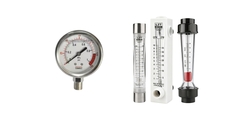
Monitoring System Performance: Regularly check parameters like pressure, flow rates, and water quality.
Cleaning and Replacing Membranes: Periodically clean membranes to remove fouling and replace them as needed.
Inspecting Pre-Treatment Components: Ensure filters and softeners are functioning correctly and replace them when necessary.
System Calibration: Verify that all instruments and controls are accurate. Establishing a maintenance schedule with a qualified service provider is recommended.
6. What Are the Environmental Considerations When Using RO Systems?
RO systems can have environmental impacts, such as:
Brine Disposal: The concentrated waste stream from RO processes must be managed responsibly to prevent environmental contamination.
Energy Consumption: While modern RO systems are energy-efficient, they still consume electricity, contributing to carbon emissions.
To mitigate these impacts, consider implementing energy-saving measures and exploring sustainable brine disposal options.
7. How Do I Select a Reliable Supplier for Industrial RO Systems?
When choosing a supplier, consider:
Experience and Reputation: Look for companies with a proven track record in providing industrial water treatment solutions.
Customization Capabilities: Ensure the supplier can tailor systems to meet your specific requirements.
Support and Service: Evaluate the quality of customer support, including installation, maintenance, and troubleshooting services.
Compliance and Certifications: Verify that the supplier's products meet industry standards and regulations.
8. What Are the Costs Associated with Industrial RO Systems?
Costs can vary based on:
System Capacity: Larger systems with higher capacities generally cost more.
Customization: Specialized features or configurations can increase the price.
Installation and Maintenance: Consider both initial installation costs and ongoing maintenance expenses.
Operational Costs: Account for energy consumption and consumables like replacement filters and membranes.
Obtaining quotes from multiple suppliers and considering the total cost of ownership over the system's lifespan can help in making an informed decision.
Conclusion
Selecting the right reverse osmosis system is vital for ensuring high-quality water in industrial applications. By understanding the key aspects of RO systems and carefully evaluating your specific needs, you can make an informed decision that aligns with your operational requirements and environmental considerations.
AQUALITEK's Advantages
AQUALITEK offers state-of-the-art reverse osmosis systems designed for industrial applications. With a focus on reliability, energy efficiency, and customizable solutions, AQUALITEK ensures that your water treatment needs are met with the highest standards of quality and service.
Sources:
Industrial Reverse Osmosis Systems | Industrial Water Solutions. Industrial H2O Solutions.
Commercial Reverse Osmosis Water Treatment Systems - USW. US Water Systems.
Industrial Reverse Osmosis Systems - Pure Aqua, Inc.
Industrial Reverse Osmosis Systems | Crystal Quest Water Filters. Crystal Quest.
Industrial Reverse Osmosis Products. MECO.
Industrial Reverse Osmosis Systems | Reynolds Culligan. Reynolds Culligan.
Industrial Reverse Osmosis Systems | Total Water. Total Water.
Industrial Reverse Osmosis System - Advance Water Systems. Advance Water Systems.
Industrial Reverse Osmosis Systems | Industrial Water Systems | Reverse Osmosis Superstore. Reverse Osmosis Superstore.



Request More Information or Expert Advice
Share a few details, and we’ll provide deeper insights, tailored suggestions, or product support.
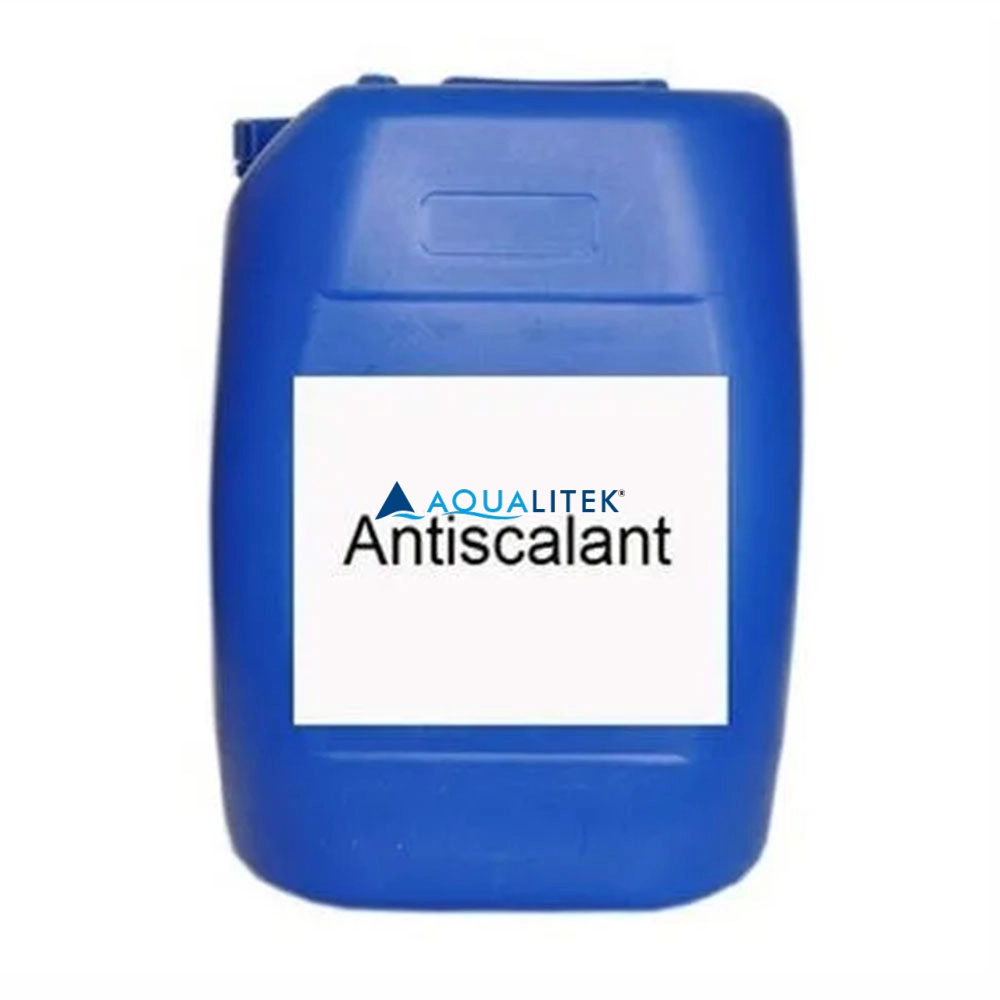
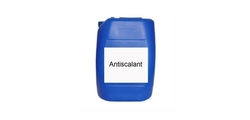
Anti-Scalant is a specialized water treatment chemical designed to prevent the formation of scale in reverse osmosis (RO) systems. Scaling is a common issue in RO systems, where minerals like calcium, magnesium, and silica precipitate and form hard deposits on the membrane surface. These deposits can clog the membranes, reduce water production efficiency, and increase operational costs.
RO chemical anti-scalants work by inhibiting the crystallization of scale-forming minerals, effectively keeping them in solution and preventing them from adhering to the membrane. This ensures the longevity and optimal performance of the RO system.
Anti-scalants are essential in applications with hard water or high mineral content, such as in industrial, municipal, and desalination plants.
These chemicals are highly effective in preventing scaling caused by common minerals such as calcium carbonate, calcium sulfate, barium sulfate, and silica, helping to extend the lifespan of the membranes, reduce cleaning cycles, and enhance system efficiency.
By incorporating an RO chemical anti-scalant into your water treatment process, you can improve the reliability and overall performance of your reverse osmosis system, ensuring consistent, high-quality water output while minimizing maintenance costs.
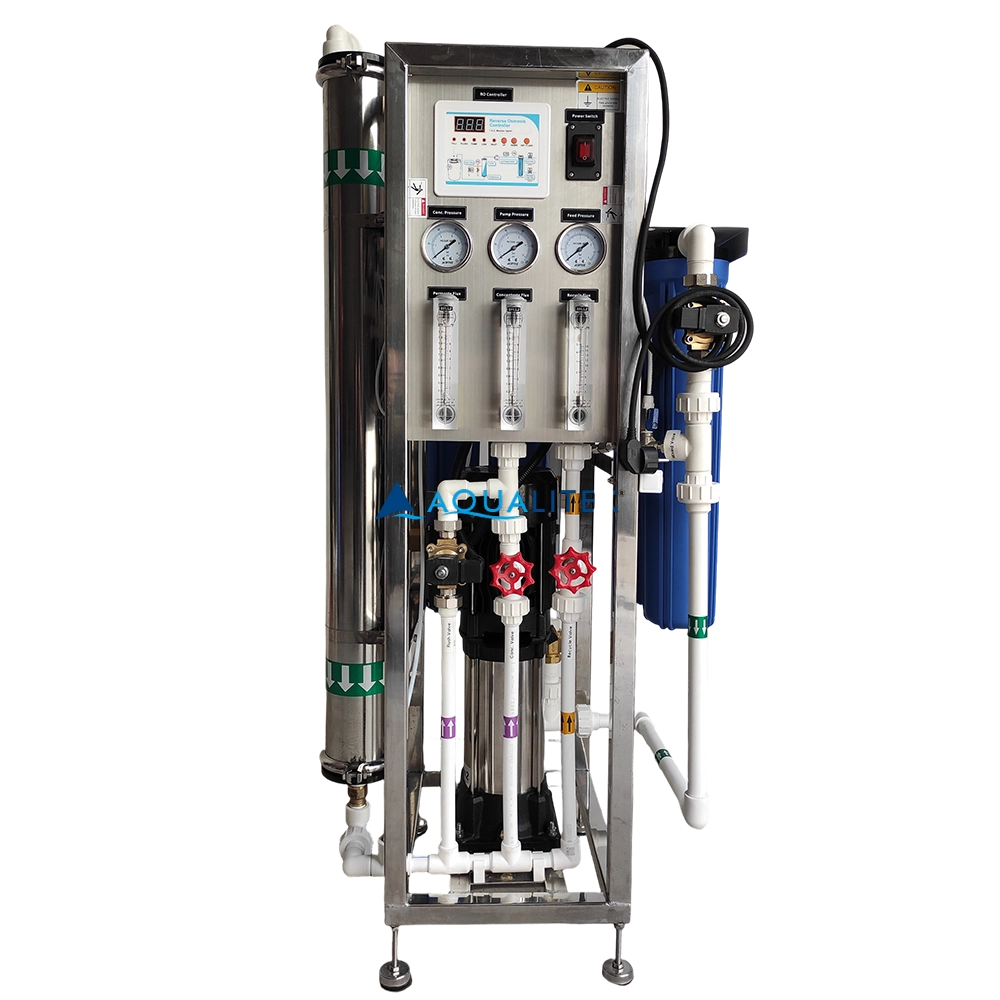
Our 500 LPH Reverse Osmosis (RO) System is engineered to provide high-quality purified water for commercial applications. Designed with advanced RO technology, durable components, and a user-friendly interface, this system ensures consistent performance, low maintenance, and long-term reliability.
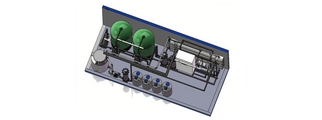
With its compact design and robust skid-mounted frame, it’s an excellent choice for businesses that demand efficiency and quality in water purification.
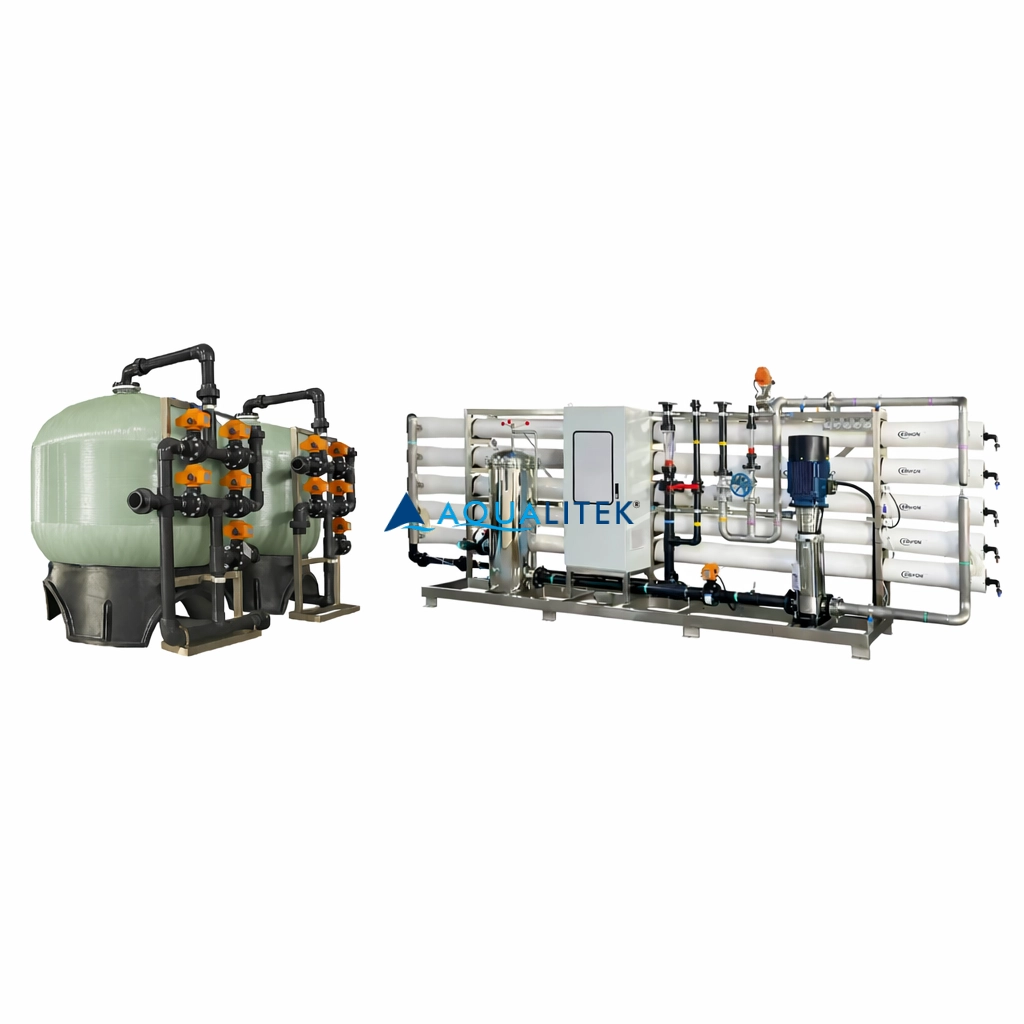
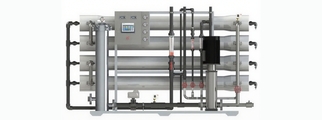
30TPH Industrial Reverse Osmosis (RO) System designed for industrial and municipal water treatment. High salt rejection, energy-efficient design, PLC control, and customizable configuration.
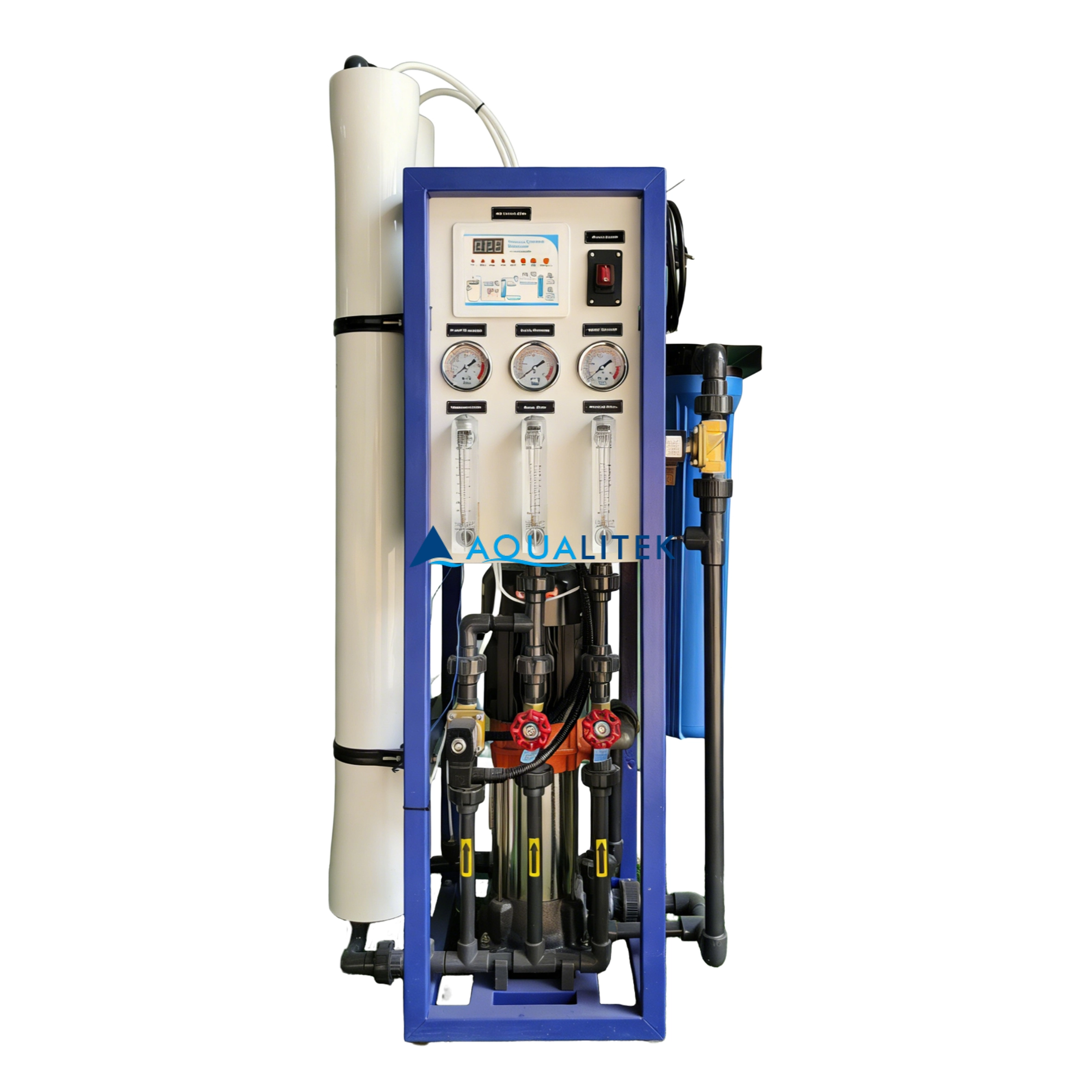
AQUALITEK's 500LPH Panel Mounted Reverse Osmosis Water Purification System delivers reliable 500 LPH RO water production. This compact industrial reverse osmosis unit is ideal for small scale industrial RO needs, ensuring efficient and high-quality purified water in a space-saving design.
© 2026 AQUALITEK. All rights reserved.
AQUALITEK- Aimee Hoo
AQUALITEK - Aimee Hoo