




The Most Common Scaling Types in Seawater Desalination Systems and How to Prevent Them| Insights by AQUALITEK
Scaling is one of the main operational risks in seawater desalination RO systems. Learn which scaling types are most common and the most effective prevention strategies.
- Introduction
- 1. What Is the Most Common Type of Scaling in Seawater Desalination?
- 2. Why Calcium Carbonate Scaling Is So Prevalent in SWRO Systems
- 2.1 High Bicarbonate and Alkalinity in Seawater
- 2.2 High Recovery Increases Local Supersaturation
- 2.3 Temperature Sensitivity of CaCO₃
- 3. Other Scaling Types in Seawater Desalination (Less Common but Important)
- 3.1 Calcium Sulfate (CaSO₄)
- 3.2 Magnesium Hydroxide (Mg(OH)₂)
- 3.3 Silica Scaling (Rare but Severe)
- 4. Why Seawater Scaling Is Particularly Dangerous
- 5. Best Practices to Prevent Scaling in Seawater Desalination Systems
- 5.1 Conservative Recovery Design
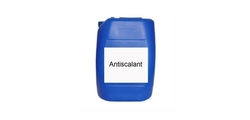
- 5.2 Accurate and Stable Antiscalant Dosing
- 5.3 Strict pH Control
- 5.4 Effective Pretreatment and SDI Control
- 5.5 Temperature-Aware Operation
- 5.6 Early Warning Through Normalized Data
- 6. What Happens If Scaling Is Not Controlled
- Conclusion
Introduction
Scaling is one of the most critical and costly fouling mechanisms in seawater desalination (SWRO) systems. Once scale forms on the membrane surface, it leads to:
•Rapid flux decline
•Increased differential pressure
•Higher energy consumption
•Difficult or irreversible membrane damage
Unlike brackish water RO systems, seawater desalination operates under high salinity, high pressure, and high ionic strength, which significantly affects scaling behavior.
This article explains:
1.Which type of scaling is most common in SWRO systems
2.Why it forms
3.How it can be effectively prevented
1. What Is the Most Common Type of Scaling in Seawater Desalination?
✅ Calcium Carbonate (CaCO₃) Scaling Is the Most Common
In seawater desalination systems, calcium carbonate (CaCO₃) scaling is by far the most frequently encountered scaling type, especially in:
•First-stage RO elements
•High-recovery zones
•Warm operating conditions
Although seawater contains many dissolved salts, carbonate scaling dominates due to the unique chemistry of seawater under RO conditions.
2. Why Calcium Carbonate Scaling Is So Prevalent in SWRO Systems
2.1 High Bicarbonate and Alkalinity in Seawater
Seawater contains significant levels of:
•Bicarbonate (HCO₃⁻)
•Calcium ions (Ca²⁺)
Under RO concentration polarization:
•Local pH near the membrane surface increases
•Bicarbonate converts to carbonate (CO₃²⁻)
•Calcium carbonate supersaturation occurs
2.2 High Recovery Increases Local Supersaturation
Although single-pass SWRO recovery is usually limited to 40–50%, the local concentration factor at the membrane surface can be much higher.
This creates ideal conditions for CaCO₃ precipitation, especially:
•Near the membrane inlet
•In the first pressure vessel of each stage
2.3 Temperature Sensitivity of CaCO₃
Calcium carbonate solubility decreases with increasing temperature.
As a result:
•Warm seawater significantly increases scaling risk
•Seasonal temperature rises often coincide with scaling incidents
3. Other Scaling Types in Seawater Desalination (Less Common but Important)
3.1 Calcium Sulfate (CaSO₄)
•Less common than CaCO₃
•More stable solubility across pH
•Difficult to remove once formed
Occurs mainly when:
•Recovery is pushed beyond design
•Sulfate concentration is unusually high
3.2 Magnesium Hydroxide (Mg(OH)₂)
•Forms at high pH
•Typically associated with:
Excessive alkali dosing
Improper CIP procedures
Boron removal stages
3.3 Silica Scaling (Rare but Severe)
•Generally uncommon in open-ocean seawater
•Can occur near coastal areas or estuaries
•Very difficult to clean once polymerized
4. Why Seawater Scaling Is Particularly Dangerous
Compared to brackish water systems, scaling in SWRO systems is:
•Faster once initiated
•Harder to clean
•More likely to cause irreversible permeability loss
This is due to:
•Higher ionic strength
•Higher operating pressure
•Stronger crystal adhesion under compression
5. Best Practices to Prevent Scaling in Seawater Desalination Systems
5.1 Conservative Recovery Design
•Maintain single-pass recovery at 40–50%
•Avoid local over-recovery by:
Proper staging
Balanced flow distribution
5.2 Accurate and Stable Antiscalant Dosing
•Use seawater-specific antiscalants
•Dose based on:
Full ionic analysis
Temperature correction
Recovery setpoint
Key points:
•Underdosing = scale formation
•Overdosing = organic fouling risk
5.3 Strict pH Control
•Avoid unnecessary pH elevation in first-pass RO
•Carefully control pH adjustment in boron removal systems
•Monitor permeate and concentrate pH trends
5.4 Effective Pretreatment and SDI Control
Although pretreatment mainly targets fouling, it indirectly helps scaling prevention by:
•Reducing nucleation sites
•Preventing particulate-induced scale deposition
5.5 Temperature-Aware Operation
•Adjust recovery and antiscalant dosage seasonally
•Be cautious during summer or warm seawater periods
5.6 Early Warning Through Normalized Data
Monitor:
•Normalized pressure drop
•Normalized flux decline
•Differential pressure in first-stage vessels
Early intervention prevents irreversible scaling.
6. What Happens If Scaling Is Not Controlled
Uncontrolled scaling can lead to:
•Frequent chemical cleaning
•Reduced membrane lifespan
•Increased energy consumption
•Sudden system shutdowns
In severe cases, membrane replacement is the only solution.
Conclusion
In seawater desalination systems, calcium carbonate scaling is the most common and most critical scaling risk. Its formation is driven by:
•High alkalinity
•Concentration polarization
•Elevated temperature
•Recovery pressure
Effective prevention relies on:
•Conservative system design
•Accurate antiscalant dosing
•Stable operation
•Early detection through data trends
Scaling control is not a one-time setup—it is a continuous operational discipline.


Request More Information or Expert Advice
Share a few details, and we’ll provide deeper insights, tailored suggestions, or product support.
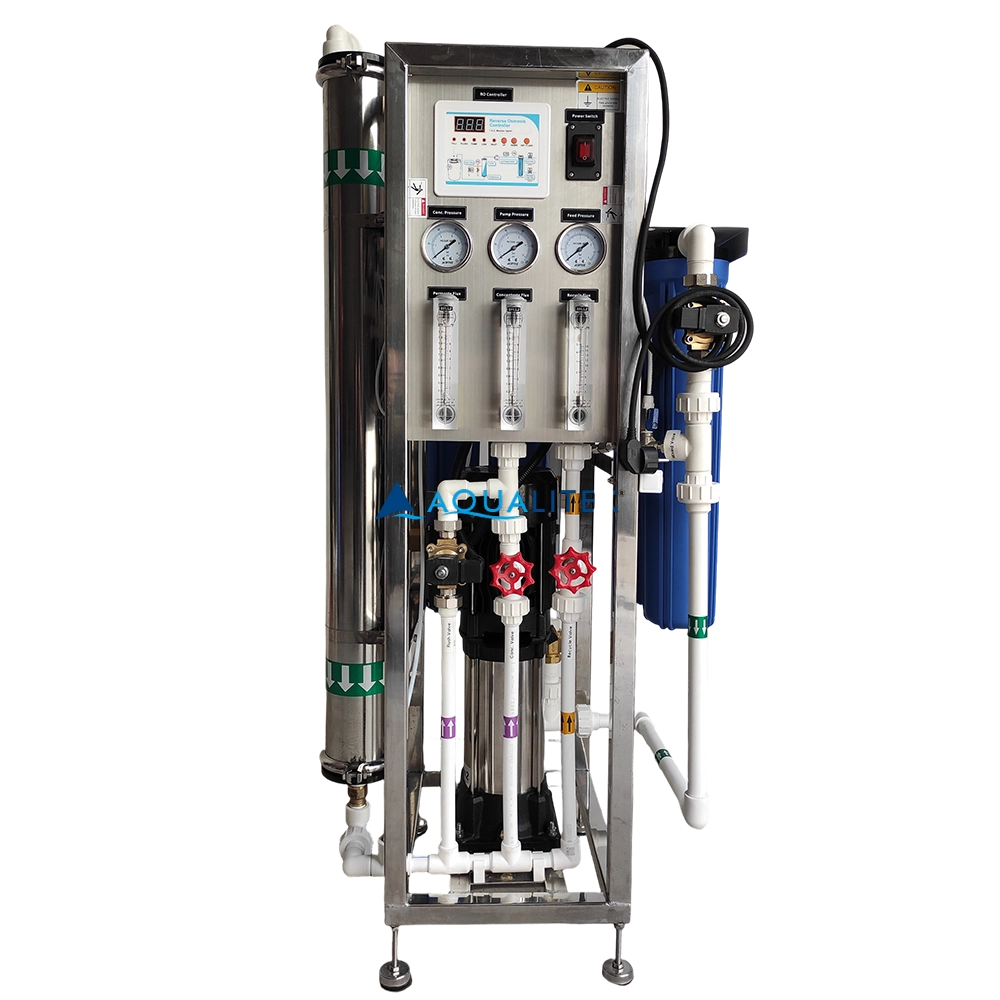
Our 500 LPH Reverse Osmosis (RO) System is engineered to provide high-quality purified water for commercial applications. Designed with advanced RO technology, durable components, and a user-friendly interface, this system ensures consistent performance, low maintenance, and long-term reliability.
With its compact design and robust skid-mounted frame, it’s an excellent choice for businesses that demand efficiency and quality in water purification.
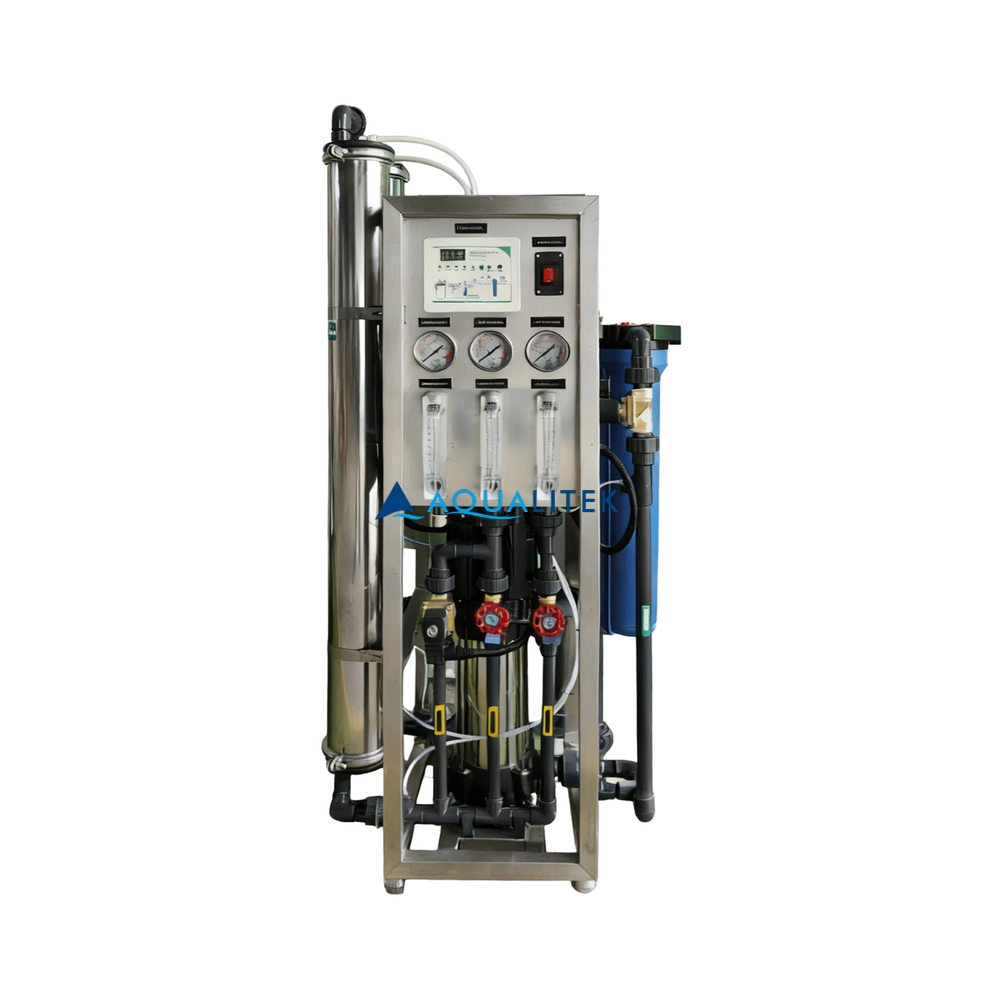
TWV series Reverse Osmosis (RO) systems are pre-engineered and pre-assembled units with 2.5”/4” membrane housings(single element type)for tap water(lower TDS).They are designed for overall superior performance, high recovery rates and offer great savings with low maintenance and operation costs.
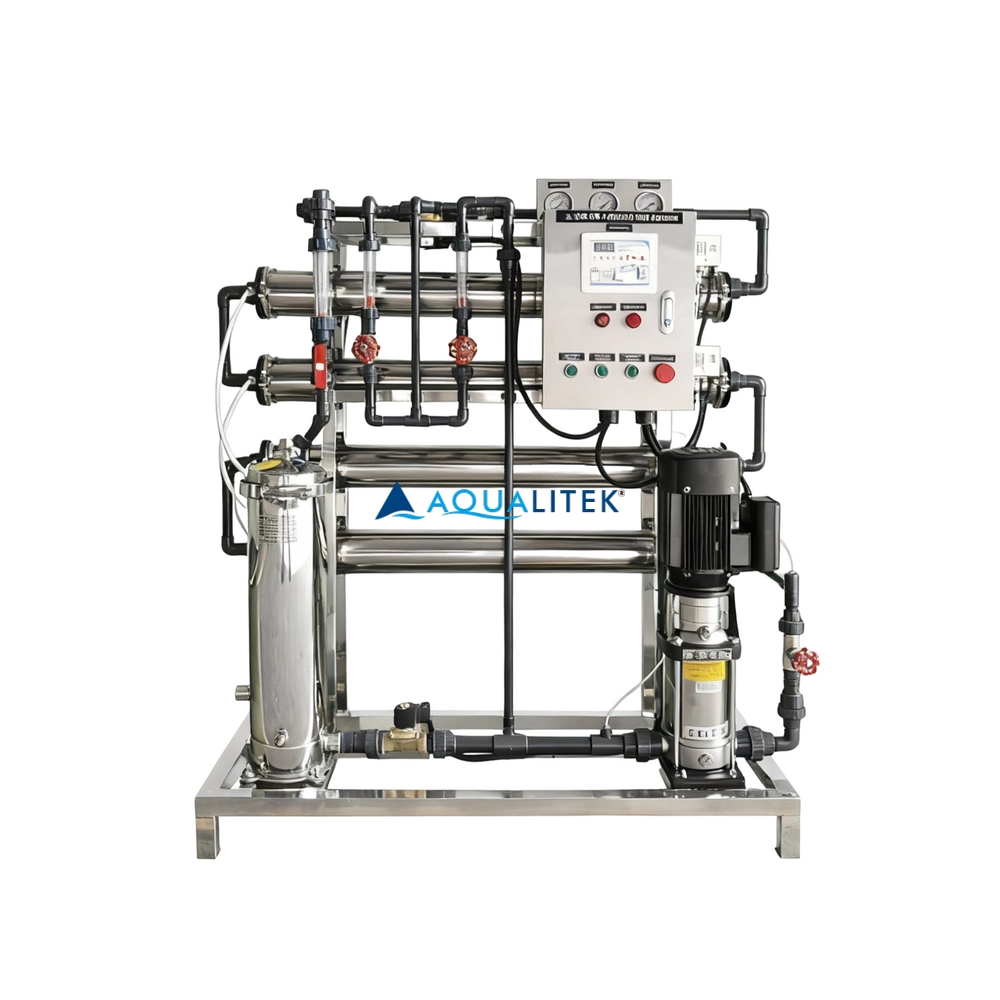
TWF series Reverse Osmosis (RO) systems are pre-engineered and pre-assembled units with 4” membrane housings(multiple elements type) for tap water(lower TDS) .The medium large volumes can help meet your a variety of commercial and industrial applications. They are designed for overall superior performance, high recovery rates and offer great savings with low maintenance and operation costs.

TWE series Reverse Osmosis (RO) systems are pre-engineered and pre-assembled units with 8” membrane housings for tap water (lower TDS). The large volumes can help meet your a variety of industrial applications. They are designed for overall superior performance, high recovery rates and offer great savings with low maintenance and operation costs.
© 2026 AQUALITEK. All rights reserved.
AQUALITEK- Aimee Hoo
AQUALITEK - Aimee Hoo