



How to Quickly Distinguish Whether an RO Membrane Is Fouled by Scaling or Sludge| Insights by AQUALITEK
Learn how to quickly identify whether RO membrane fouling is caused by inorganic scaling or organic/sludge contamination. This practical guide covers key symptoms, data trends, and on-site diagnostic methods to help operators respond correctly and avoid irreversible membrane damage.
Introduction
Membrane fouling is one of the most common and costly problems in reverse osmosis (RO) system operation. However, not all fouling is the same. The two most frequent causes—inorganic scaling and sludge (colloidal/organic) fouling—require completely different countermeasures.
Misjudging the fouling type can lead to ineffective cleaning, accelerated membrane degradation, and unnecessary replacement costs. This article provides a fast, field-proven method to distinguish between scaling and sludge fouling using operational data, visual cues, and simple diagnostic tests.
1. Understand the Fundamental Difference
Before troubleshooting, it is critical to understand how these two fouling mechanisms differ:
Scaling (Inorganic Fouling)
•Caused by precipitation of sparingly soluble salts
•Common scale types:
Calcium carbonate (CaCO₃)
Calcium sulfate (CaSO₄)
Barium/strontium sulfate
Silica
•Typically linked to high recovery rates and water chemistry imbalance
Sludge Fouling (Organic / Colloidal / Biological)
•Caused by accumulation of:
Silt and clay
Iron hydroxide
Organic matter
Biofilm and microorganisms
•Closely related to poor pretreatment and high SDI/turbidity
2. Compare Key Operating Data Trends
Pressure Drop (ΔP) Pattern
|
Indicator |
Scaling |
Sludge Fouling |
|
Differential pressure increase |
Gradual, steady |
Rapid, sometimes sudden |
|
Location |
Primarily tail-end membranes |
Mainly lead elements |
|
Reversibility |
Often difficult |
Usually easier |
Rule of thumb:
•Tail-end ΔP rise → Scaling likely
•Front-end ΔP rise → Sludge likely
Permeate Flow and Salt Rejection
•Scaling
Permeate flow gradually decreases
Salt rejection remains relatively stable initially
•Sludge fouling
Permeate flow drops faster
Salt rejection may fluctuate due to uneven fouling
3. Observe Physical and Visual Characteristics
If membranes are removed for inspection:
Scaling Indicators
•Hard, crystalline deposits
•White, gray, or yellowish appearance
•Brittle texture that does not smear
•Concentrated near membrane tail end
Sludge Fouling Indicators
•Soft, gelatinous, or muddy layer
•Brown, black, or dark green color
•Smears easily when touched
•Often accompanied by odor (especially biological fouling)
4. Review Feed Water and Pretreatment Data
Signs Pointing to Scaling
•High hardness, alkalinity, sulfate, or silica
•High system recovery rate
•Insufficient or incorrect antiscalant dosing
•Rising Langelier Saturation Index (LSI) or scaling indices
Signs Pointing to Sludge Fouling
•High SDI (>3–5)
•Elevated turbidity or iron
•Ineffective multimedia or cartridge filtration
•Long shutdowns without proper preservation
5. Use Cleaning Response as a Diagnostic Tool
Cleaning performance provides one of the fastest confirmations.
Acid Cleaning Results
•Effective recovery → Scaling confirmed
•Little improvement → Sludge likely
Alkaline / Biocide Cleaning Results
•Effective recovery → Sludge fouling confirmed
•Minimal improvement → Scaling likely
Best practice:
Always start with alkaline cleaning first if the fouling type is uncertain, followed by acid cleaning if required.
6. Quick Decision Checklist
Ask yourself these questions:
•Is pressure drop higher at the front or end of the vessel?
•Did fouling develop rapidly or gradually?
•Is feed water chemistry driving precipitation?
•Did acid or alkaline cleaning work better?
Answering these systematically will usually identify the dominant fouling mechanism within minutes.
Conclusion
Quickly distinguishing between scaling and sludge fouling is essential for effective RO membrane maintenance. By combining pressure trend analysis, visual inspection, water quality data, and cleaning response, operators can make accurate decisions and avoid costly mistakes.
Correct diagnosis not only restores system performance faster but also significantly extends membrane life and reduces operating costs.


Request More Information or Expert Advice
Share a few details, and we’ll provide deeper insights, tailored suggestions, or product support.
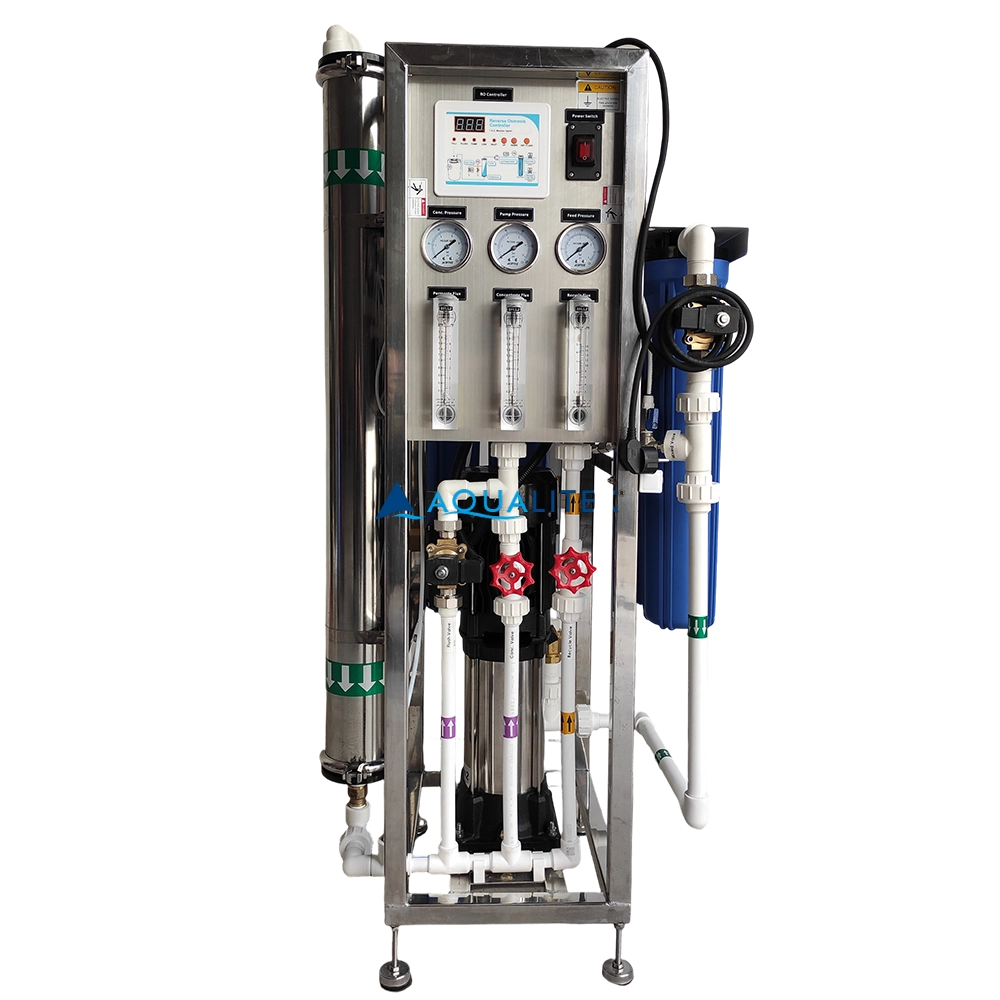
Our 500 LPH Reverse Osmosis (RO) System is engineered to provide high-quality purified water for commercial applications. Designed with advanced RO technology, durable components, and a user-friendly interface, this system ensures consistent performance, low maintenance, and long-term reliability.
With its compact design and robust skid-mounted frame, it’s an excellent choice for businesses that demand efficiency and quality in water purification.
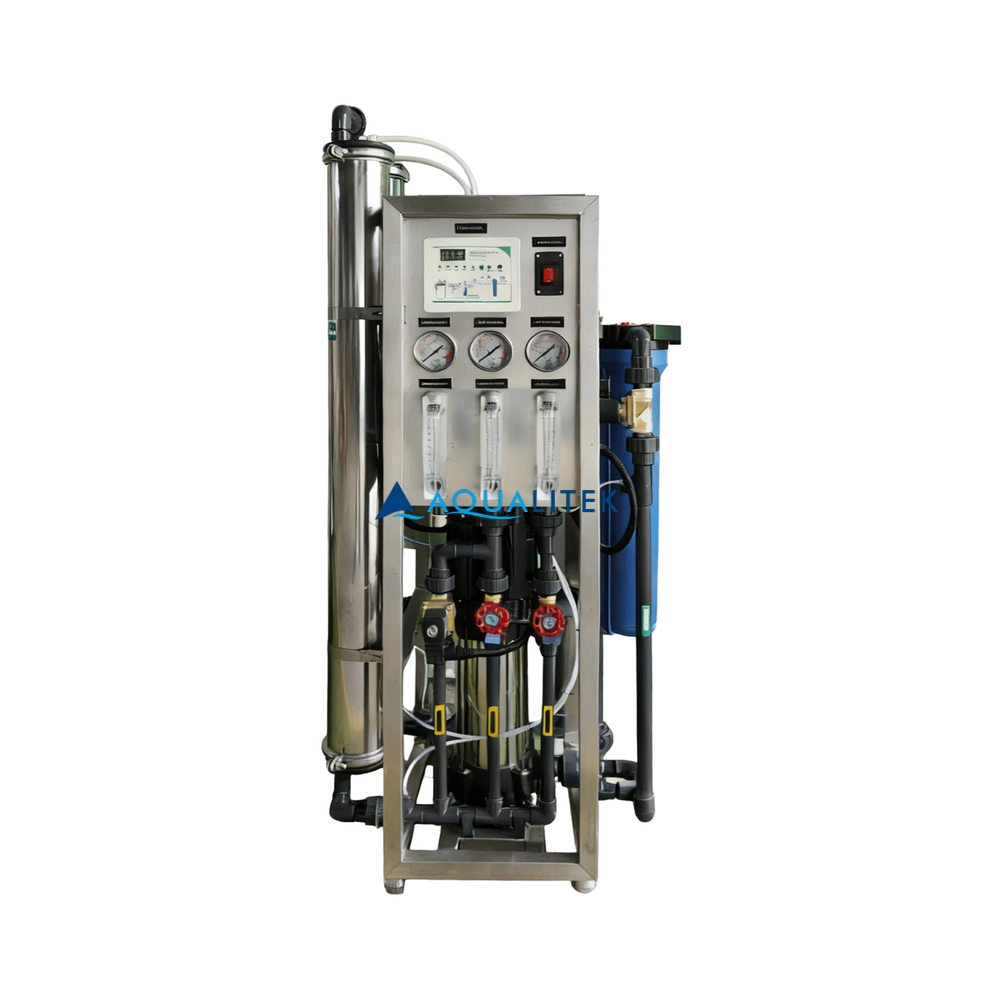
TWV series Reverse Osmosis (RO) systems are pre-engineered and pre-assembled units with 2.5”/4” membrane housings(single element type)for tap water(lower TDS).They are designed for overall superior performance, high recovery rates and offer great savings with low maintenance and operation costs.
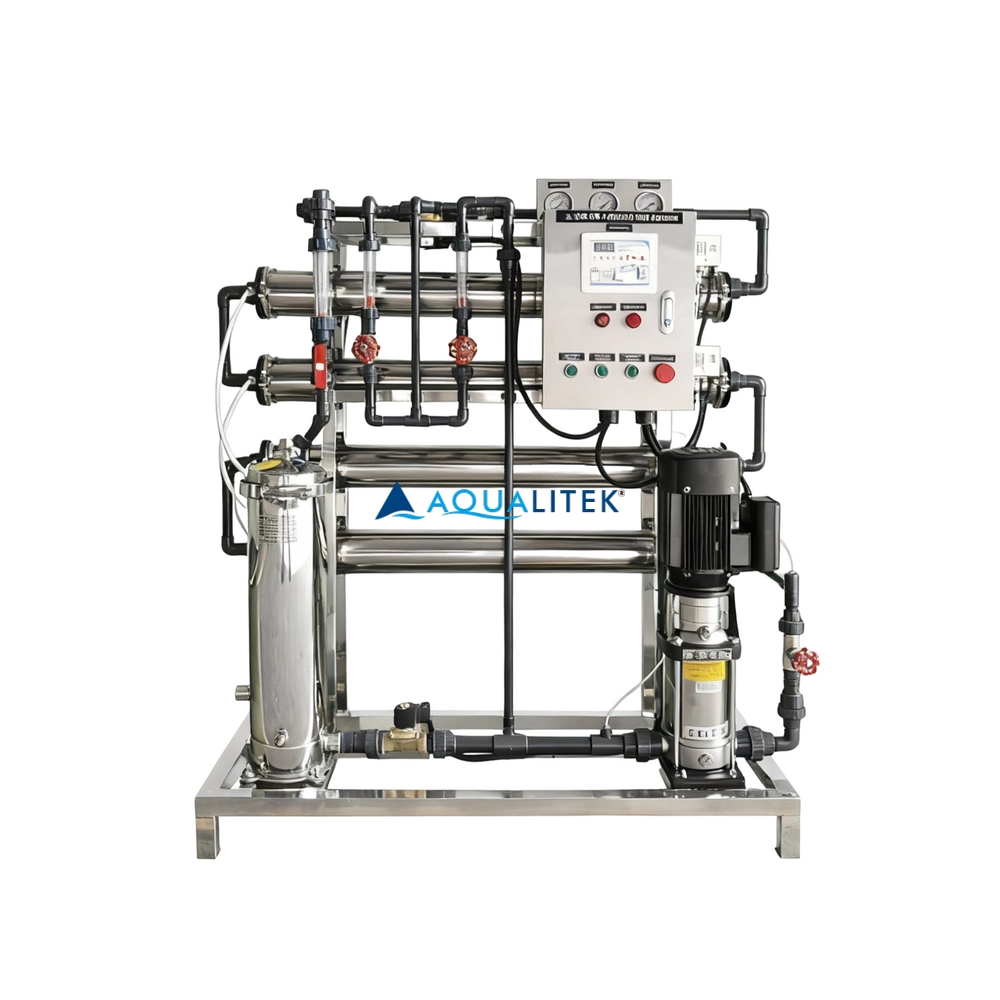
TWF series Reverse Osmosis (RO) systems are pre-engineered and pre-assembled units with 4” membrane housings(multiple elements type) for tap water(lower TDS) .The medium large volumes can help meet your a variety of commercial and industrial applications. They are designed for overall superior performance, high recovery rates and offer great savings with low maintenance and operation costs.

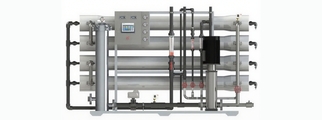
TWE series Reverse Osmosis (RO) systems are pre-engineered and pre-assembled units with 8” membrane housings for tap water (lower TDS). The large volumes can help meet your a variety of industrial applications. They are designed for overall superior performance, high recovery rates and offer great savings with low maintenance and operation costs.
© 2026 AQUALITEK. All rights reserved.
AQUALITEK- Aimee Hoo
AQUALITEK - Aimee Hoo