



Can RO Membrane Surfaces Be Manually Cleaned Using Physical Methods Like Brushing?| Insights by AQUALITEK
Manually cleaning RO membranes with brushes or physical tools is a common misconception. This Best-practice guide explains why physical cleaning damages membranes, what irreversible risks it causes, and the correct alternatives for membrane cleaning.
- Introduction
- Short Answer: No — RO Membranes Must Never Be Physically Scrubbed
- Why Physical Cleaning of RO Membranes Is Not Allowed
- 1. RO Membranes Have an Extremely Delicate Active Layer
- 2. Fouling Occurs Inside the Membrane Structure, Not Just on the Surface
- 3. Physical Cleaning Destroys Membrane Surface Uniformity
- 4. Mechanical Damage Is Often Invisible but Catastrophic
- Common Physical Methods That Must Never Be Used
- Correct Way to Clean RO Membranes: Chemical Cleaning (CIP)
- Why Chemical Cleaning Works
- Typical CIP Cleaning Types
- What If Fouling Is Severe and CIP Is Ineffective?
- Recommended Actions
- Special Case: What Can Be Physically Cleaned?
- Common Misconceptions
- Conclusion
Introduction
When RO system performance declines, some operators consider physically cleaning the membrane surface using brushes, cloths, or other tools.
At first glance, this seems logical—if fouling is visible, why not scrub it off?
However, manual physical cleaning of RO membrane surfaces is strictly prohibited and can cause irreversible damage. This article explains why physical cleaning does not work, what damage it causes, and what should be done instead.
Short Answer: No — RO Membranes Must Never Be Physically Scrubbed
RO membranes are precision-engineered composite materials, not mechanical filter screens.
Any form of brushing, wiping, scraping, or abrasive contact will permanently destroy membrane performance.
Why Physical Cleaning of RO Membranes Is Not Allowed
1. RO Membranes Have an Extremely Delicate Active Layer
The effective separation layer of an RO membrane is:
•Only microns thick
•Made of polyamide
•Responsible for salt and contaminant rejection
Even light mechanical contact can:
•Scratch the active layer
•Create micro-defects
•Reduce salt rejection permanently
Once damaged, membrane rejection can never be restored.
2. Fouling Occurs Inside the Membrane Structure, Not Just on the Surface
RO fouling typically involves:
•Scale crystals embedded in flow channels
•Biofilm attached within membrane folds
•Organic fouling absorbed into membrane material
These cannot be removed by brushing, even if the surface looks cleaner.
3. Physical Cleaning Destroys Membrane Surface Uniformity
Brushing causes:
•Uneven surface stress
•Localized compaction
•Channel deformation
This leads to:
•Increased pressure drop
•Reduced flux
•Accelerated fouling
4. Mechanical Damage Is Often Invisible but Catastrophic
After physical cleaning, membranes may show:
•Sudden increase in permeate conductivity
•Rapid bacterial breakthrough
•Irreversible loss of rejection
⚠ By the time damage is detected, replacement is the only option.
Common Physical Methods That Must Never Be Used
❌ Brushes (soft or hard)
❌ Sponges or cloth wiping
❌ High-pressure water jets
❌ Scrapers or blades
❌ Ultrasonic or vibration tools
Correct Way to Clean RO Membranes: Chemical Cleaning (CIP)
Why Chemical Cleaning Works
Chemical cleaning:
•Dissolves scale chemically
•Breaks down organic fouling
•Penetrates membrane pores safely
•Preserves membrane integrity
Typical CIP Cleaning Types
|
Fouling Type |
Cleaning Method |
|
Scaling |
Acid cleaning |
|
Organic fouling |
Alkaline + surfactant |
|
Biofouling |
Alkaline + biocide |
|
Mixed fouling |
Multi-step CIP |
What If Fouling Is Severe and CIP Is Ineffective?
If performance cannot be restored after proper CIP:
•The membrane may be irreversibly fouled
•Or physically aged/damaged
Recommended Actions
✔ Perform performance normalization
✔ Compare salt rejection and flux recovery
✔ Consider offline professional cleaning
✔ Replace the membrane if necessary
Physical cleaning is never a solution—even as a last resort.
Special Case: What Can Be Physically Cleaned?
Only non-membrane components may be physically cleaned:
•Membrane housing interior (when empty)
•CIP tanks and piping
•Pretreatment filters
⚠ Never touch the membrane surface itself.
Common Misconceptions
❌ “The brush is very soft, so it’s safe”
❌ “Only the outer surface is touched”
❌ “I’ll be very gentle”
Reality:
Any physical contact with the membrane surface risks permanent failure.
Conclusion
RO membranes must never be manually cleaned using physical methods such as brushing or wiping. The membrane’s ultra-thin active layer is extremely fragile, and mechanical contact causes irreversible damage that no chemical cleaning can repair.
Chemical cleaning is the only correct and safe method to restore membrane performance. When cleaning fails, replacement—not physical cleaning—is the only viable option.


Request More Information or Expert Advice
Share a few details, and we’ll provide deeper insights, tailored suggestions, or product support.
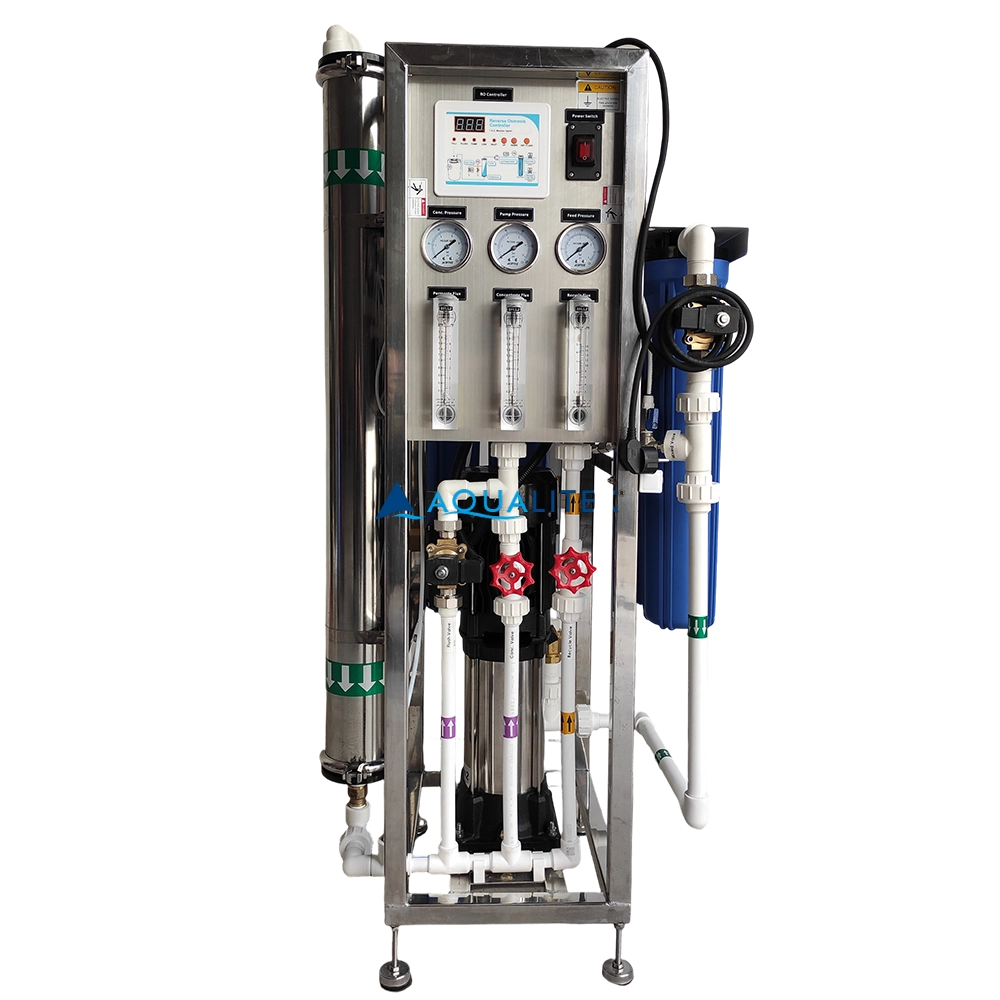
Our 500 LPH Reverse Osmosis (RO) System is engineered to provide high-quality purified water for commercial applications. Designed with advanced RO technology, durable components, and a user-friendly interface, this system ensures consistent performance, low maintenance, and long-term reliability.
With its compact design and robust skid-mounted frame, it’s an excellent choice for businesses that demand efficiency and quality in water purification.
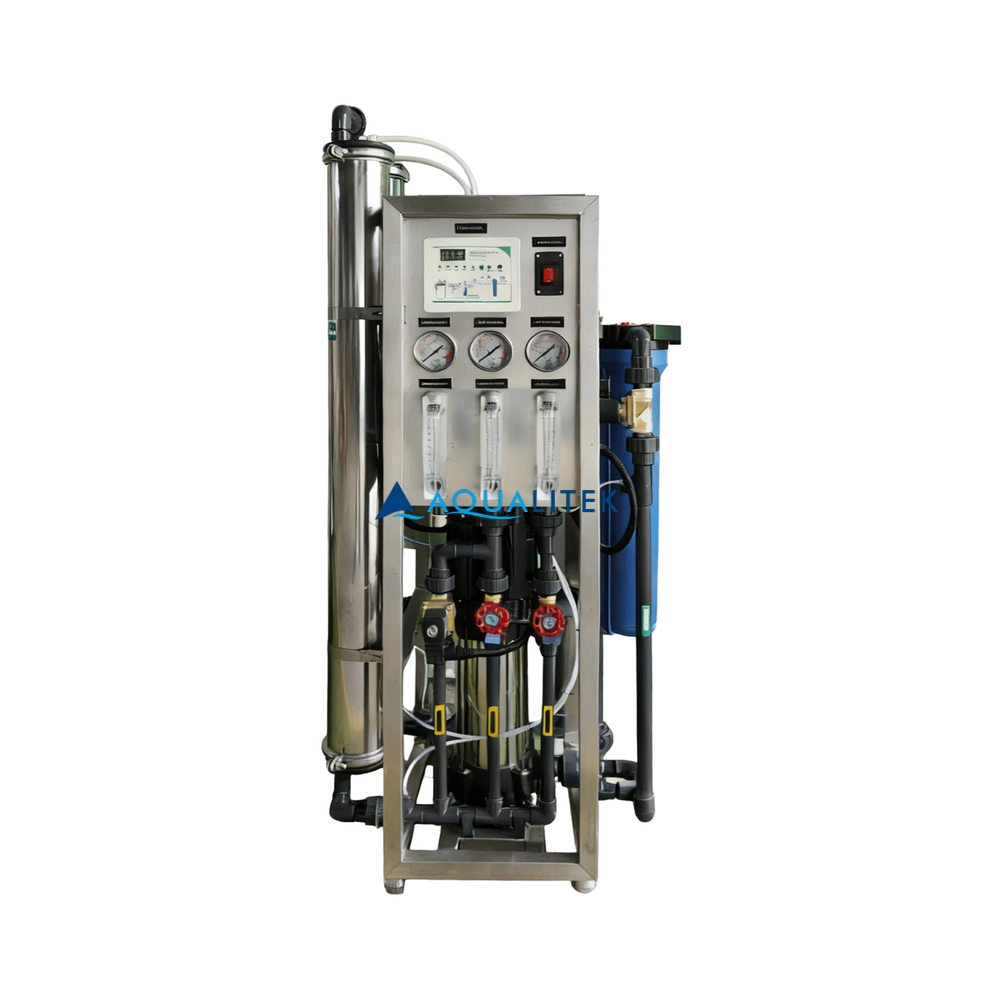
TWV series Reverse Osmosis (RO) systems are pre-engineered and pre-assembled units with 2.5”/4” membrane housings(single element type)for tap water(lower TDS).They are designed for overall superior performance, high recovery rates and offer great savings with low maintenance and operation costs.
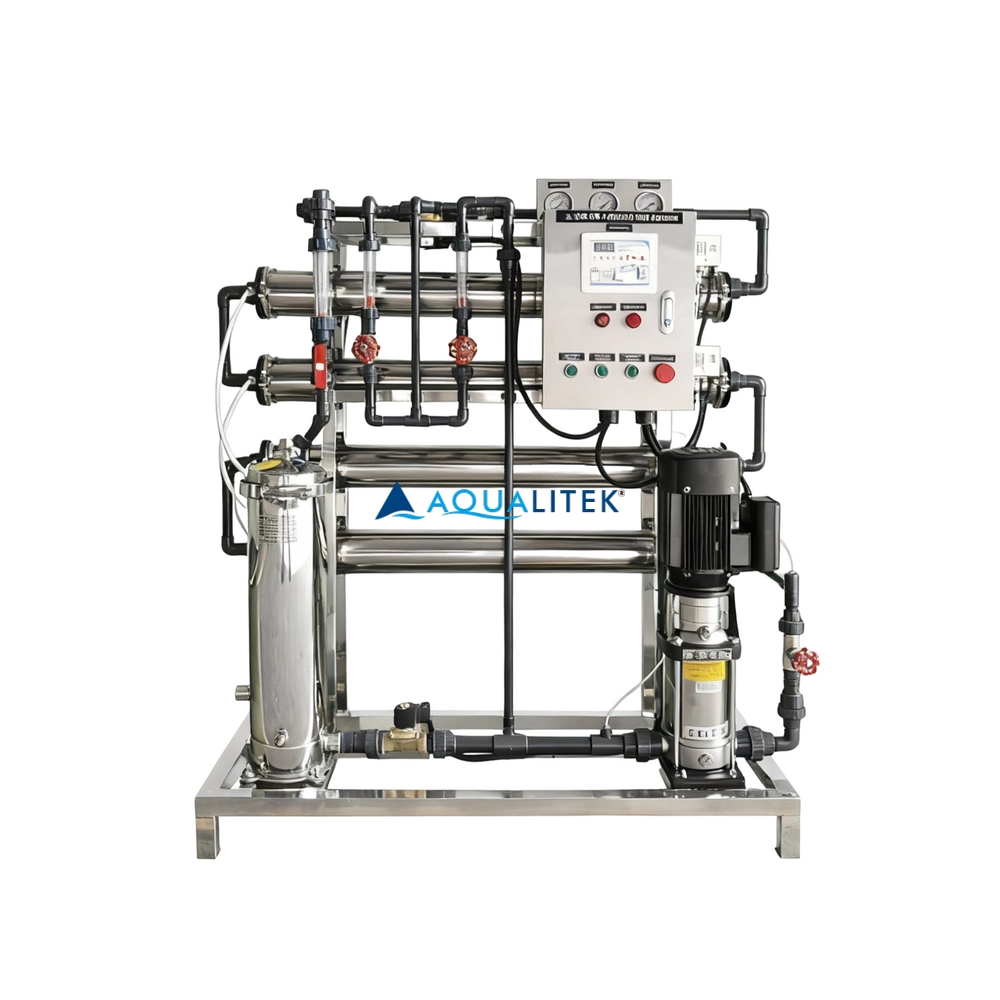
TWF series Reverse Osmosis (RO) systems are pre-engineered and pre-assembled units with 4” membrane housings(multiple elements type) for tap water(lower TDS) .The medium large volumes can help meet your a variety of commercial and industrial applications. They are designed for overall superior performance, high recovery rates and offer great savings with low maintenance and operation costs.

TWE series Reverse Osmosis (RO) systems are pre-engineered and pre-assembled units with 8” membrane housings for tap water (lower TDS). The large volumes can help meet your a variety of industrial applications. They are designed for overall superior performance, high recovery rates and offer great savings with low maintenance and operation costs.
© 2026 AQUALITEK. All rights reserved.
AQUALITEK- Aimee Hoo
AQUALITEK - Aimee Hoo