



How to Confirm That Chemical Cleaning Agents Have Been Completely Rinsed Off in an RO System| Insights by AQUALITEK
Incomplete rinsing after RO chemical cleaning can contaminate permeate water and damage membranes. This Best-practice guide explains reliable methods to confirm that cleaning chemicals have been fully flushed from the system before returning to service.
- Introduction
- Why Complete Rinsing After Chemical Cleaning Is Essential
- Key Methods to Confirm Complete Removal of Cleaning Chemicals
- 1. Permeate pH Stabilization (Primary Indicator)
- 2. Conductivity Trending (Most Practical Online Method)
- 3. Visual and Odor Inspection
- 4. Comparison of Feed, Flush, and Product Water
- 5. ORP or Residual Chemical Testing (If Applicable)
- Minimum Recommended Flushing Duration
- When Is It Safe to Connect to the Product Water Tank?
- Common Mistakes to Avoid
- Best Practice Checklist Before Restarting Normal Operation
- Conclusion
Introduction
After chemical cleaning (CIP) of RO membrane systems, confirming that all cleaning agents have been completely rinsed off is critical. Residual acids, alkalis, surfactants, or biocides can:
•Contaminate product water
•Damage membranes or downstream equipment
•Corrode piping and instruments
•Cause safety and compliance issues
This article explains practical, field-proven methods to verify complete rinsing and ensure the RO system is safe to return to normal operation.
Why Complete Rinsing After Chemical Cleaning Is Essential
Chemical cleaning agents are designed to be aggressive. If not fully removed, they may:
•Continue reacting with membrane materials
•Alter permeate pH and conductivity
•Destroy post-treatment resins or tanks
•Create misleading performance data
Proper rinsing is just as important as the cleaning itself.
Key Methods to Confirm Complete Removal of Cleaning Chemicals
1. Permeate pH Stabilization (Primary Indicator)
What to Check
•Measure permeate pH continuously during flushing
•Compare with:
Normal RO permeate pH before cleaning
Feed water pH trend
Acceptance Criteria
•pH returns to normal operating range
•pH remains stable for at least 30–60 minutes
⚠ Abnormal pH drift usually indicates residual acid or alkali.
2. Conductivity Trending (Most Practical Online Method)
Why It Works
Most cleaning chemicals are ionic and will increase permeate conductivity if present.
Best Practice
•Monitor permeate conductivity during flushing
•Compare with baseline data prior to CIP
Acceptance Criteria
•Conductivity stabilizes at normal operating value
•No downward or upward drift over time
3. Visual and Odor Inspection
What to Look For
•No foam in flushing water
•No chemical smell (acidic, alkaline, or detergent-like)
•Clear, colorless water
⚠ Foaming or odor is a strong sign of residual surfactants.
4. Comparison of Feed, Flush, and Product Water
Collect samples from:
•Feed water
•Final flush water
•Permeate outlet
Confirm:
•Similar pH and conductivity between flush water and feed/permeate (as expected for the system)
5. ORP or Residual Chemical Testing (If Applicable)
For systems cleaned with:
•Oxidizing biocides
•Reducing agents
•Specialized disinfectants
Use:
•ORP meters
•Specific residual test kits (when available)
Acceptance:
•ORP returns to normal background values
•No detectable residual chemicals
Minimum Recommended Flushing Duration
|
System Size |
Typical Flushing Time |
|
Small / Commercial RO |
30–60 minutes |
|
Industrial RO |
1–2 hours |
|
Heavily fouled systems |
2–4 hours |
⚠ Time alone is not sufficient—always rely on water quality indicators.
When Is It Safe to Connect to the Product Water Tank?
Only when all the following conditions are met:
✔ Permeate pH stabilized
✔ Conductivity returned to baseline
✔ No foam or odor present
✔ ORP or residual chemicals at normal levels
✔ Flushing records documented
Never allow post-CIP water into the product tank prematurely.
Common Mistakes to Avoid
❌ Relying only on flushing time
❌ Skipping water quality testing
❌ Filling the product tank too early
❌ Assuming “dilution is enough”
❌ Ignoring slight pH or conductivity deviations
Best Practice Checklist Before Restarting Normal Operation
•pH checked and stable
•Conductivity normal
•No chemical smell
•Flush water visually clean
•System operated under low pressure first
•Data recorded for traceability
Conclusion
Confirming that chemical cleaning agents have been completely rinsed off is a mandatory safety and quality step in RO system operation. The most reliable confirmation methods are pH stability, conductivity normalization, and visual/odor inspection, supported by ORP or residual testing when necessary.
Only when all indicators return to normal should the system be reconnected to the product water tank.



Request More Information or Expert Advice
Share a few details, and we’ll provide deeper insights, tailored suggestions, or product support.
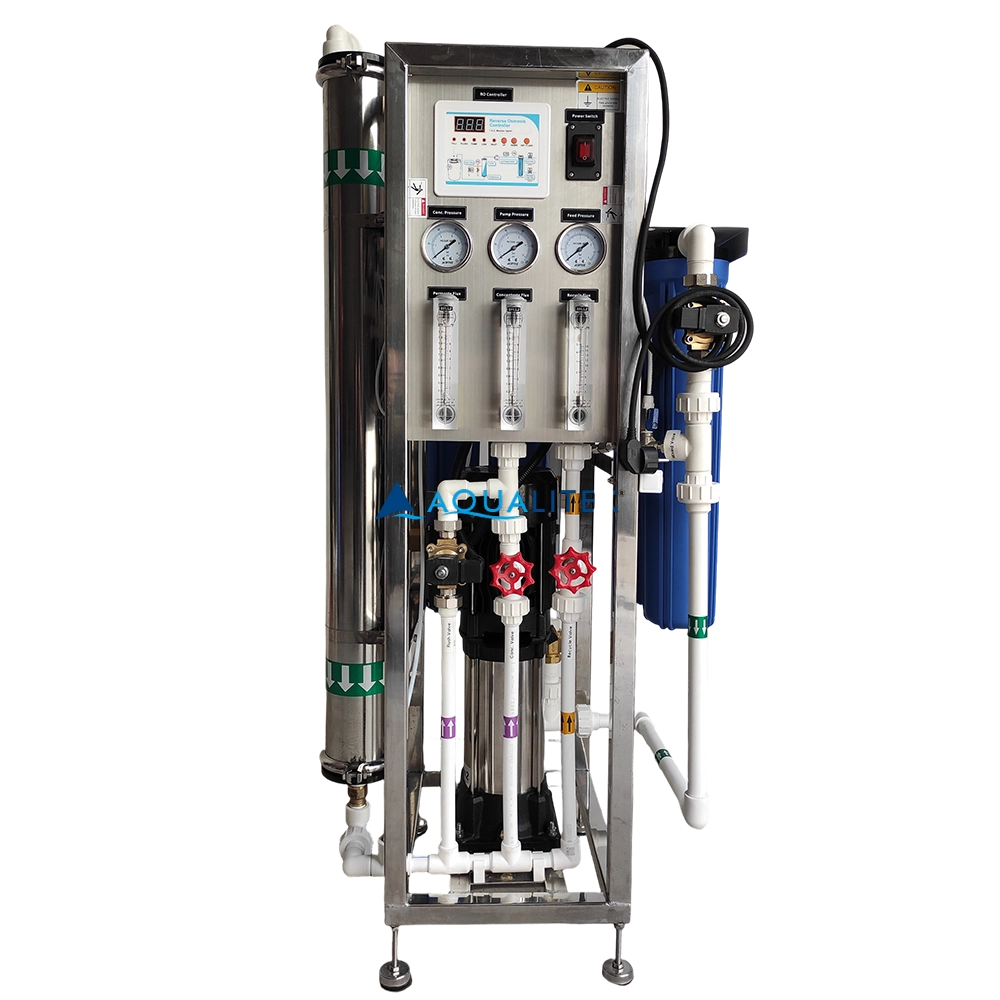
Our 500 LPH Reverse Osmosis (RO) System is engineered to provide high-quality purified water for commercial applications. Designed with advanced RO technology, durable components, and a user-friendly interface, this system ensures consistent performance, low maintenance, and long-term reliability.
With its compact design and robust skid-mounted frame, it’s an excellent choice for businesses that demand efficiency and quality in water purification.
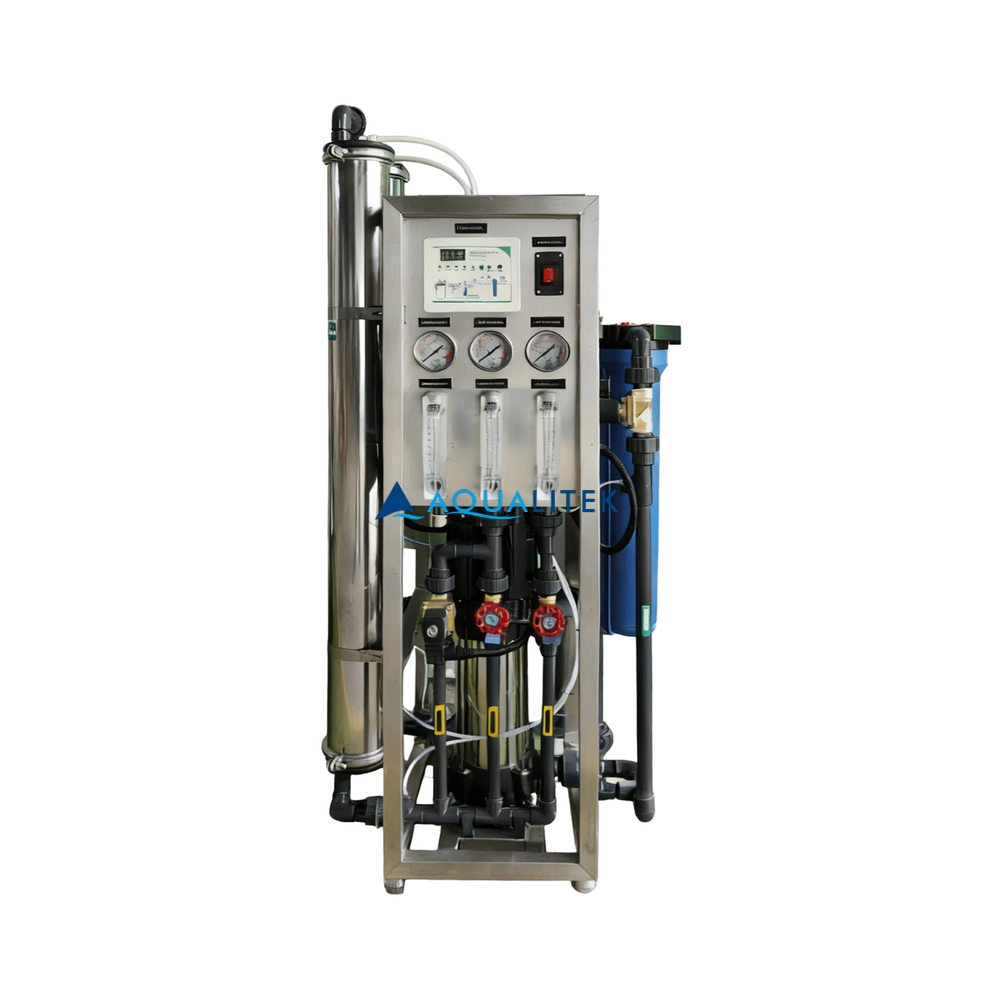
TWV series Reverse Osmosis (RO) systems are pre-engineered and pre-assembled units with 2.5”/4” membrane housings(single element type)for tap water(lower TDS).They are designed for overall superior performance, high recovery rates and offer great savings with low maintenance and operation costs.
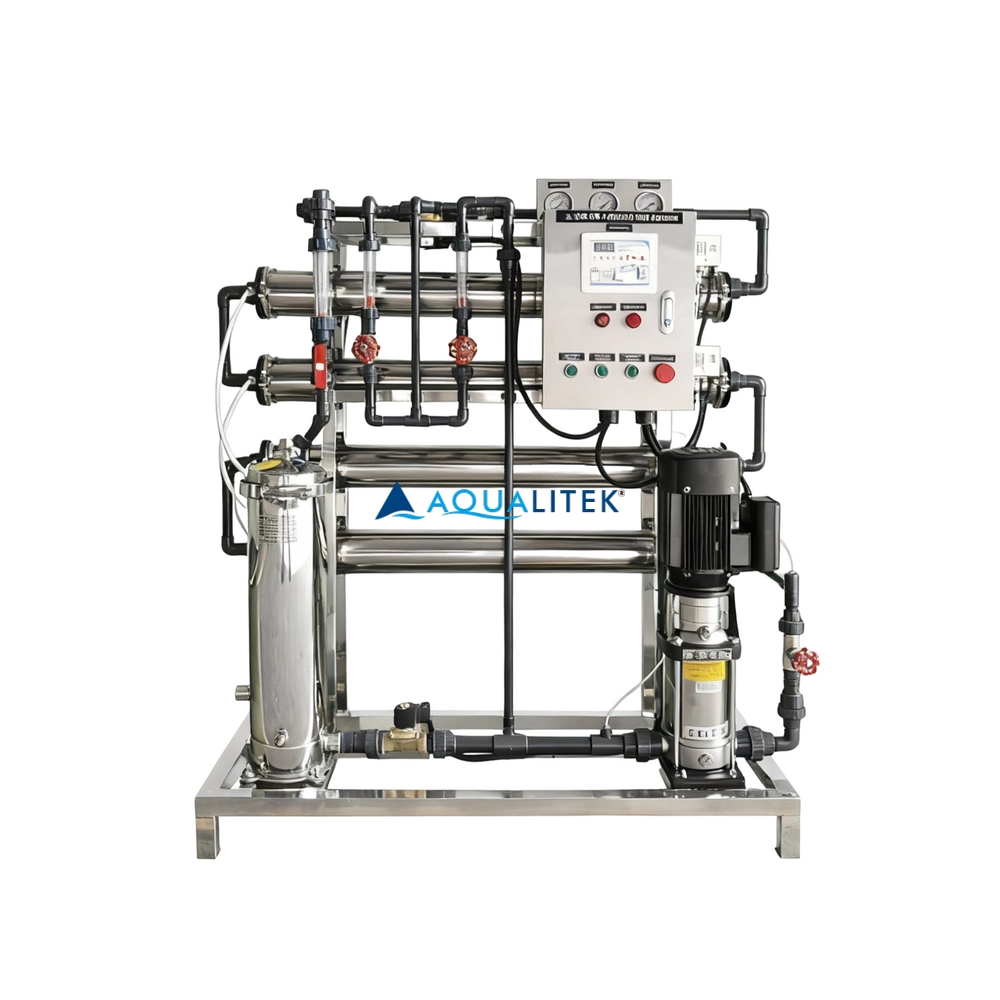
TWF series Reverse Osmosis (RO) systems are pre-engineered and pre-assembled units with 4” membrane housings(multiple elements type) for tap water(lower TDS) .The medium large volumes can help meet your a variety of commercial and industrial applications. They are designed for overall superior performance, high recovery rates and offer great savings with low maintenance and operation costs.

TWE series Reverse Osmosis (RO) systems are pre-engineered and pre-assembled units with 8” membrane housings for tap water (lower TDS). The large volumes can help meet your a variety of industrial applications. They are designed for overall superior performance, high recovery rates and offer great savings with low maintenance and operation costs.
© 2026 AQUALITEK. All rights reserved.
AQUALITEK- Aimee Hoo
AQUALITEK - Aimee Hoo