




Why Extended Flushing Without Tank Filling Is Required During Initial RO System Startup| Insights by AQUALITEK
During the initial startup of a new RO system, operators are often instructed to flush the system for an extended period without sending permeate to the product water tank. This practice is not optional—it is essential for system safety, membrane protection, and long-term water quality stability. This article explains the technical reasons behind this critical startup procedure.
- What Is Initial Startup Flushing?
- Key Reasons for Extended Flushing Without Filling the Tank
- 1. Removal of Preservatives from New RO Membranes
- 2. Elimination of Installation Debris and Manufacturing Residues
- 3. Prevention of Early Membrane Fouling
- 4. Stabilization of Operating Parameters
- 5. Avoidance of Biological Contamination
- 6. Protection of Product Water Storage Tanks
- How Long Should Initial Flushing Last?
- Best Practices During Initial Flushing
- Common Mistakes to Avoid
- Conclusion
What Is Initial Startup Flushing?
Initial startup flushing refers to operating the RO system:
•With permeate diverted to drain, not the storage tank
•At low or controlled pressure
•For an extended period (often several hours)
This process applies to:
•Newly installed RO systems
•Systems after major modification
•Systems with newly installed membranes or pretreatment media
Key Reasons for Extended Flushing Without Filling the Tank
1. Removal of Preservatives from New RO Membranes
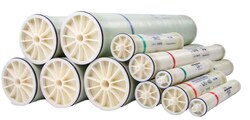
New RO membranes are shipped with chemical preservatives, such as:
•Sodium metabisulfite (SMBS)
•Glycerin-based protection agents
These chemicals:
•Are not suitable for consumption or industrial use
•Can cause odor, taste, or downstream contamination
Extended flushing ensures complete removal of preservatives before product water is collected.
2. Elimination of Installation Debris and Manufacturing Residues
New systems often contain:
•Dust and metal shavings from piping
•Glue, grease, and sealing compounds
•Carbon fines from pretreatment filters
Without sufficient flushing, these contaminants can:
•Enter the product water tank
•Pollute downstream processes
•Cause long-term water quality issues
3. Prevention of Early Membrane Fouling
During early operation:
•Flow paths are unstable
•Fine particles may still be present
•Pretreatment performance is not fully stabilized
Sending this water to the tank risks:
•Fouling membranes prematurely
•Contaminating storage tanks and pipelines
Flushing protects both membranes and the entire downstream system.
4. Stabilization of Operating Parameters
New systems require time for:
•Pressure to stabilize
•Flow rates to balance
•Conductivity readings to normalize
Initial permeate often shows:
•Elevated conductivity
•Unstable pH
•Fluctuating flow
Only after extended flushing do readings reflect true operating performance.
5. Avoidance of Biological Contamination
Preservatives, organic residues, and stagnant water can:
•Promote bacterial growth
•Create biofilm risks in tanks
By flushing to drain:
•Contaminated water is removed
•Clean baseline conditions are established
Once water enters the tank, contamination becomes much harder to eliminate.
6. Protection of Product Water Storage Tanks
Product tanks are designed for qualified water only.
If contaminated water enters:
•Tank cleaning may be required
•Disinfection becomes necessary
•Production may be delayed
Preventing contamination is far more efficient than corrective cleaning.
How Long Should Initial Flushing Last?
Typical industry practice:
•2–6 hours for small systems
•8–24 hours for large industrial RO systems
Flushing should continue until:
•Permeate conductivity stabilizes
•No odor is detected
•Water meets quality specifications
Always follow membrane supplier and system manufacturer guidelines.
Best Practices During Initial Flushing
✔ Divert permeate to drain
✔ Operate at low or staged pressure
✔ Monitor conductivity and pH trends
✔ Do not rush tank filling
✔ Record baseline operating data
Common Mistakes to Avoid
❌ Filling the product tank too early
❌ Judging water quality by appearance only
❌ Ignoring odor or conductivity fluctuations
❌ Skipping flushing to save time
These mistakes often lead to long-term operational problems.
Conclusion
Extended flushing without filling the tank during initial RO system startup is a critical protective measure. It removes preservatives, debris, and unstable water, stabilizes system performance, and prevents contamination of storage tanks and downstream processes. Skipping or shortening this step can compromise water quality and significantly increase maintenance costs later.


Request More Information or Expert Advice
Share a few details, and we’ll provide deeper insights, tailored suggestions, or product support.
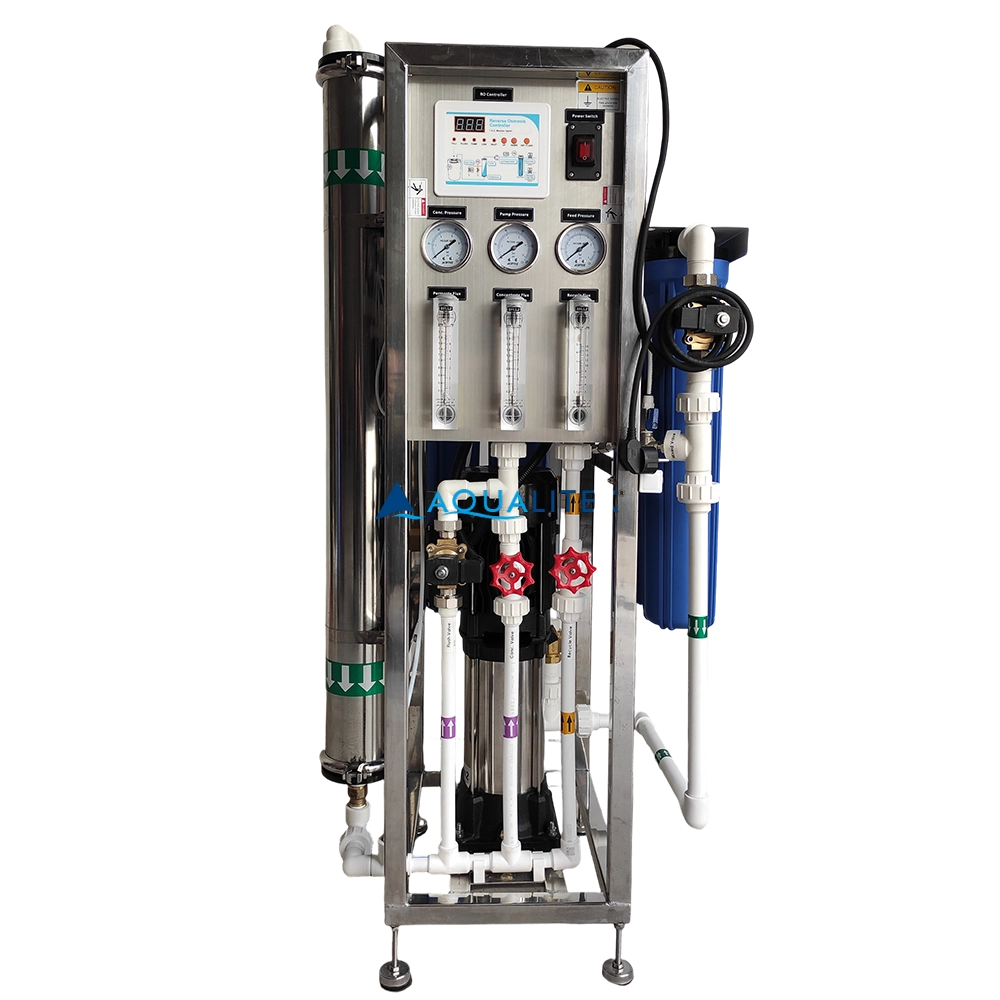
Our 500 LPH Reverse Osmosis (RO) System is engineered to provide high-quality purified water for commercial applications. Designed with advanced RO technology, durable components, and a user-friendly interface, this system ensures consistent performance, low maintenance, and long-term reliability.
With its compact design and robust skid-mounted frame, it’s an excellent choice for businesses that demand efficiency and quality in water purification.
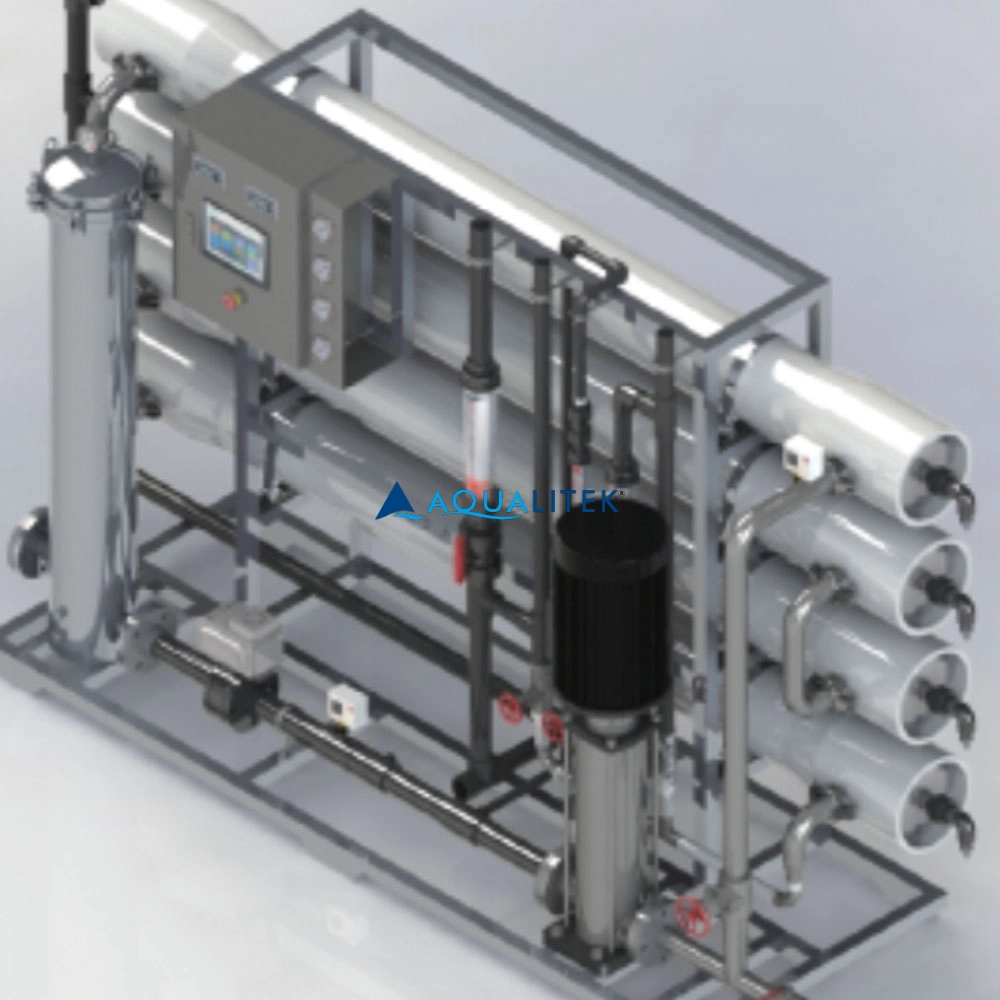
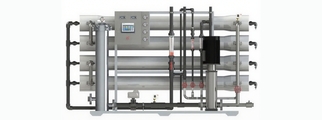
BWE series Reverse Osmosis (RO) systems are pre-engineered and pre-assembled units with 8” membrane housings for brackish water(higher TDS).The large volumes can help meet your a variety of industrial applications.T hey are designed for overall superior performance, high recovery rates and offer great savings with low maintenance and operation costs.

-
An IBC (Intermediate Bulk Container) tank is a robust, reusable industrial-grade vessel designed for the storage and transport of liquids, powders, and granules. Its space-efficient cubic shape and integrated pallet base make it ideal for easy handling and stacking, offering a cost-effective solution for bulk quantities.

UV Water Sterilizer Systems are advanced water purification devices that utilize ultraviolet (UV) light to eliminate harmful microorganisms such as bacteria, viruses, and protozoa from water. These systems are highly effective, environmentally friendly, and do not require the use of chemicals, making them a popular choice for both residential and commercial applications. UV sterilizers are often used in conjunction with other filtration methods, such as reverse osmosis or carbon filters, to ensure comprehensive water treatment. They are easy to install, require minimal maintenance, and provide a reliable method for ensuring safe and clean drinking water.
Copyright © 2025 AQUALITEK. All rights reserved.
AQT
AQT