



Using RO Permeate as Cooling Water: Key Precautions You Must Take| Insights by AQUALITEK
Using RO permeate directly as cooling water can improve heat transfer efficiency, but it also introduces corrosion, stability, and biological risks. This guide explains the key precautions, control strategies, and best practices to safely and economically use RO permeate in cooling systems.
- Introduction
- 1. Understand the Corrosive Nature of RO Permeate
- 2. Control pH and Alkalinity for Water Stability
- 3. Re-Evaluate Corrosion Inhibitor Programs
- 4. Manage Biological Growth Risks
- 5. Monitor Conductivity and Cycles of Concentration
- 6. Evaluate Materials Compatibility
- 7. Plan for Emergency Bypass and Blending
- 8. Economic and Operational Considerations
- Conclusion
Introduction
Reverse osmosis (RO) permeate is often viewed as an ideal cooling-water source because of its very low hardness, low TDS, and minimal scaling tendency. In theory, this allows higher cycles of concentration and improved heat-exchange efficiency.
However, ultra-low mineral content does not automatically mean “safe” cooling water. In fact, RO permeate can be chemically aggressive, biologically unstable, and damaging to carbon-steel and copper alloys if used without proper control.
This article outlines the most important precautions to consider before using RO permeate directly as cooling water in industrial applications.
1. Understand the Corrosive Nature of RO Permeate
Why RO Permeate Is Corrosive
RO permeate typicallyDS, alkalinity, and calcium hardness are extremely low, which results in:
•Very low buffering capacity
•Negative Langelier Saturation Index (LSI)
•High tendency to dissolve metals
Without adjustment, RO permeate can aggressively attack:
•Carbon steel piping
•Heat exchanger tubes
•Condenser shells
•Welded joints and fittings
Key Precaution
Do not use RO permeate directly without corrosion control.
pH adjustment, alkalinity addition, or corrosion inhibitors are mandatory.
2. Control pH and Alkalinity for Water Stability
Recommended Targets
Typical stabilization targets when RO permeate is used as cooling water:
•pH: 7.0–8.5 (depending on metallurgy)
•Alkalinity: 30–100 mg/L as CaCO₃
•Slightly positive or near-neutral LSI
Common Conditioning Methods
•Sodium hydroxide or lime dosing
•Blended bypass of raw or softened water
•Specialized corrosion inhibitor programs
Best practice:
Stabilize water chemistry before it enters the cooling loop.
3. Re-Evaluate Corrosion Inhibitor Programs
Traditional cooling-water treatment programs are often designed for harder water. When using RO permeate:
•Film-forming inhibitors may behave differently
•Over-dosing becomes easier due to low background ions
•Copper alloy protection requires special attention
Key Precaution
Work with a chemical supplier to redesign the inhibitor formulation specifically for low-TDS water.
4. Manage Biological Growth Risks
Why Biological Fouling Can Increase
RO permeate:
•Contains almost no residual disinfectant
•Warms quickly in cooling systems
•Can support rapid microbial colonization once nutrients are introduced
This creates ideal conditions for:
•Biofilm formation
•Microbiologically influenced corrosion (MIC)
•Slime fouling on heat transfer surfaces
Key Precautions
•Continuous or intermittent biocide dosing
•Maintain measurable oxidizing or non-oxidizing biocide residuals
•Regular microbiological monitoring (ATP, plate counts)
5. Monitor Conductivity and Cycles of Concentration
RO permeate starts with very low conductivity, which can be misleading.
Common Risks
•Excessive cycles of concentration
•Undetected contamination ingress
•Over-concentration of treatment chemicals
Best Practices
•Install high-accuracy conductivity sensors
•Set conservative alarm limits
•Adjust blowdown control logic specifically for RO permeate
6. Evaluate Materials Compatibility
Low-mineral water can be incompatible with certain materials.
Materials at Higher Risk
•Carbon steel
•Galvanized steel
•Yellow metals (brass, copper alloys)
Safer Alternatives
•Stainless steel (304/316)
•Certain plastics and coatings
•Properly lined carbon steel
Key Precaution:
Conduct a materials review before converting to RO permeate cooling water.
7. Plan for Emergency Bypass and Blending
Sudden loss of chemical dosing or control can cause rapid corrosion damage.
Recommended Safeguards
•Emergency blending with raw or softened water
•Automatic shutdown on pH or conductivity deviation
•Redundant chemical dosing systems
These measures prevent catastrophic failures during upsets.
8. Economic and Operational Considerations
While RO permeate can:
•Reduce scaling
•Increase heat-exchange efficiency
•Lower blowdown volumes
It may also:
•Increase chemical consumption
•Require tighter monitoring
•Raise corrosion-related maintenance costs if mismanaged
A total cost of ownership (TCO) analysis is strongly recommended.
Conclusion
Using RO permeate directly as cooling water is feasible and increasingly common—but only when water stability, corrosion control, biological management, and system materials are properly addressed.
The key takeaway is simple:
RO permeate is clean, but not inherently safe.
With the right conditioning and monitoring strategy, it can deliver excellent performance and long-term reliability in industrial cooling systems.


Request More Information or Expert Advice
Share a few details, and we’ll provide deeper insights, tailored suggestions, or product support.
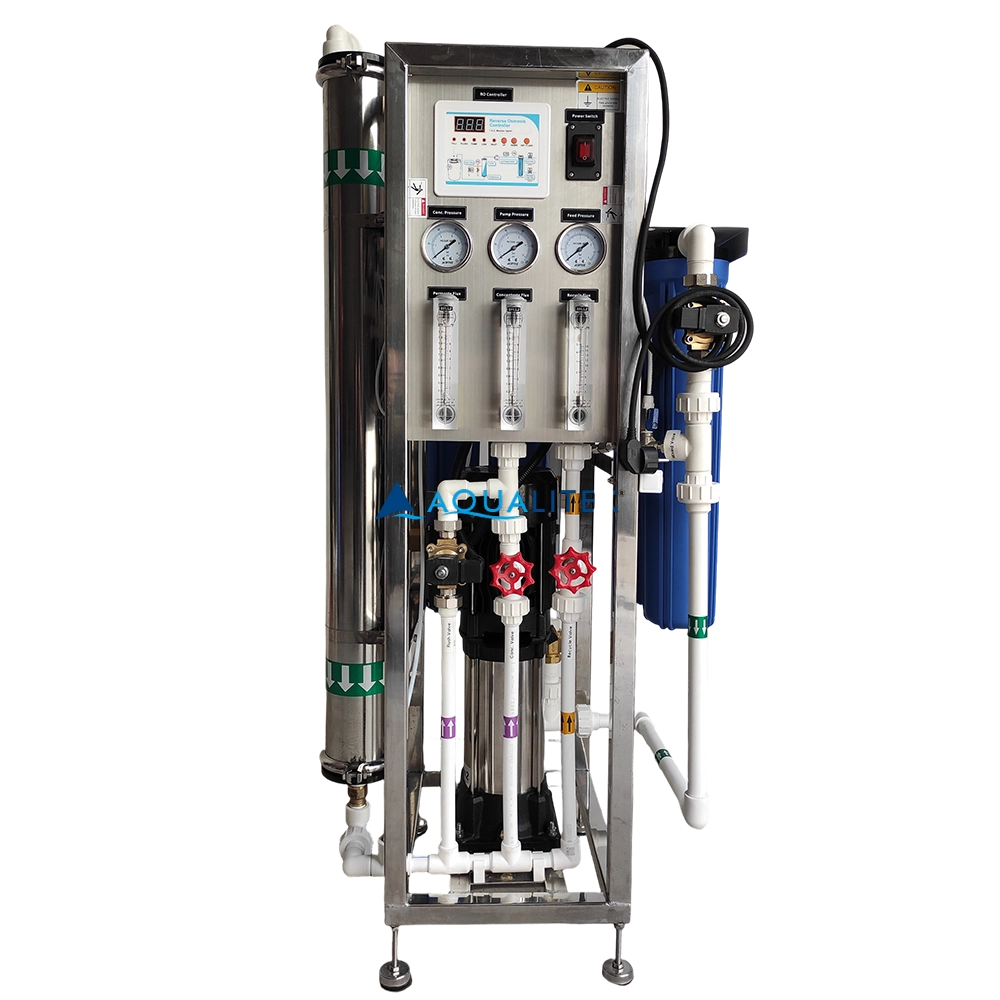
Our 500 LPH Reverse Osmosis (RO) System is engineered to provide high-quality purified water for commercial applications. Designed with advanced RO technology, durable components, and a user-friendly interface, this system ensures consistent performance, low maintenance, and long-term reliability.
With its compact design and robust skid-mounted frame, it’s an excellent choice for businesses that demand efficiency and quality in water purification.
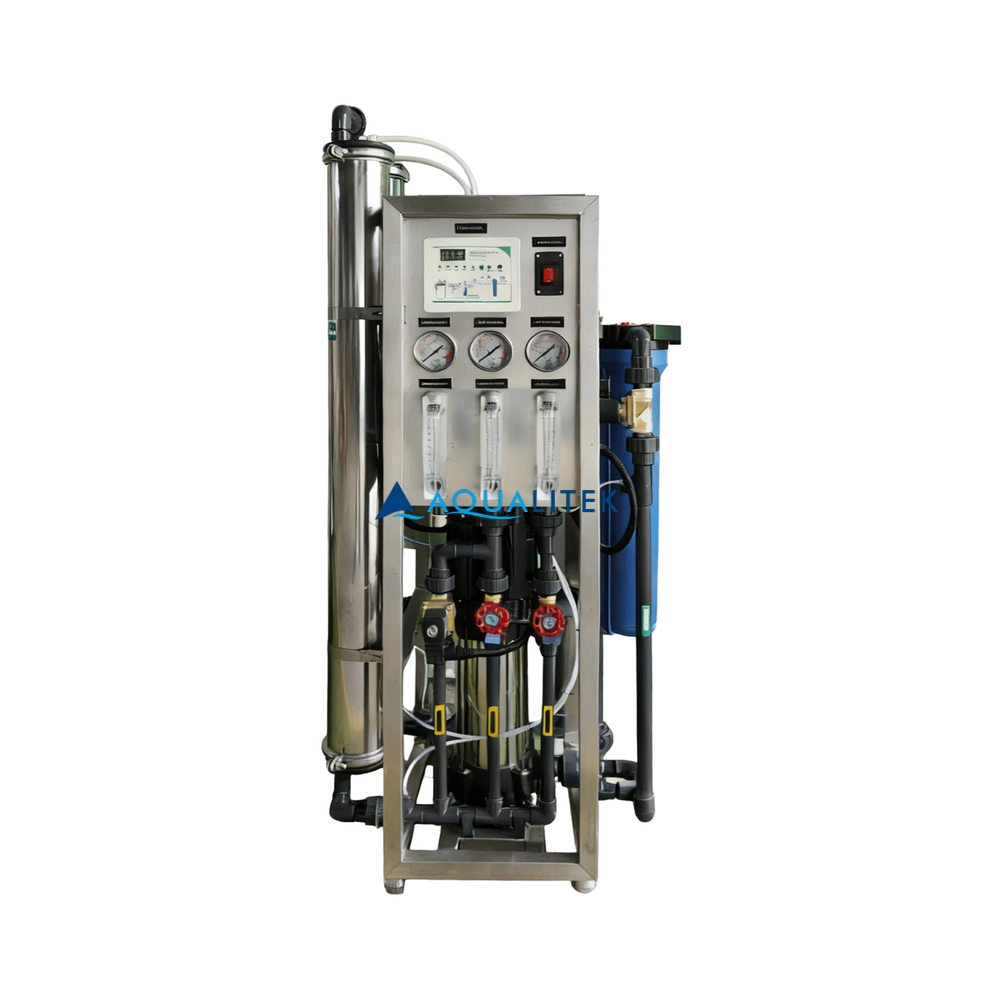
TWV series Reverse Osmosis (RO) systems are pre-engineered and pre-assembled units with 2.5”/4” membrane housings(single element type)for tap water(lower TDS).They are designed for overall superior performance, high recovery rates and offer great savings with low maintenance and operation costs.
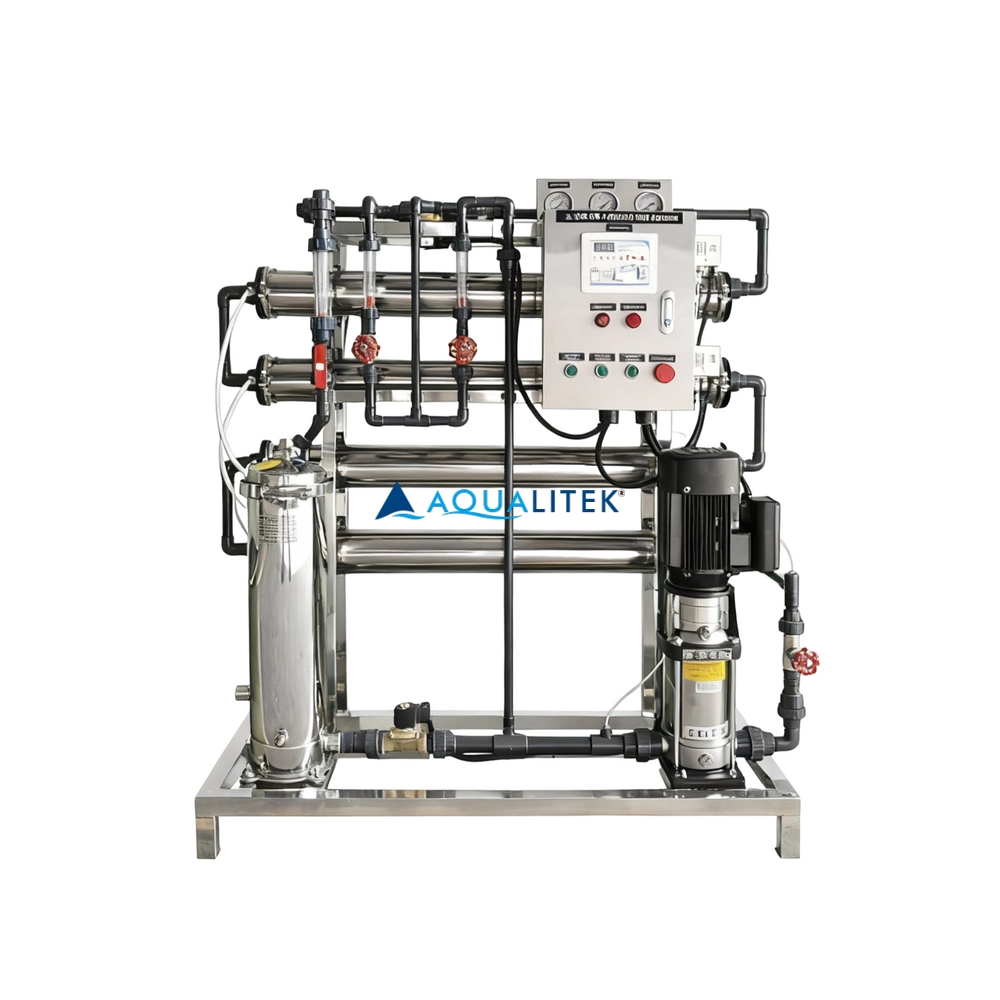
TWF series Reverse Osmosis (RO) systems are pre-engineered and pre-assembled units with 4” membrane housings(multiple elements type) for tap water(lower TDS) .The medium large volumes can help meet your a variety of commercial and industrial applications. They are designed for overall superior performance, high recovery rates and offer great savings with low maintenance and operation costs.

TWE series Reverse Osmosis (RO) systems are pre-engineered and pre-assembled units with 8” membrane housings for tap water (lower TDS). The large volumes can help meet your a variety of industrial applications. They are designed for overall superior performance, high recovery rates and offer great savings with low maintenance and operation costs.
© 2026 AQUALITEK. All rights reserved.
AQUALITEK- Aimee Hoo
AQUALITEK - Aimee Hoo