




The Ultimate Guide to Commercial Reverse Osmosis Systems for 2026
This definitive guide explores Commercial Reverse Osmosis (RO) systems for 2026. It covers the scientific principles of RO, detailed system components, specific industrial applications, and critical selection criteria. Readers will gain insights into maintenance best practices, troubleshooting common issues, and future technological trends, empowering businesses to make data-driven decisions for optimal water quality and ROI.
- Introduction
- What is a Commercial Reverse Osmosis System?
- Defining Reverse Osmosis: From Osmosis to Reverse Osmosis
- The Core Principle: Semi-Permeable Membranes and Pressure
- Distinguishing Commercial RO from Residential/Industrial Systems
- How Commercial Reverse Osmosis Systems Work: A Step-by-Step Breakdown
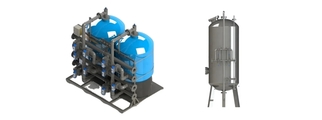
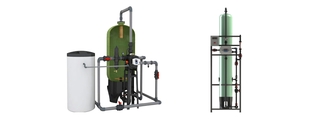
- Pre-Treatment: The First Line of Defense
- High-Pressure Pump: Overcoming Osmotic Pressure
- The RO Membrane: The Heart of the Filtration Process
- Permeate and Concentrate Streams
- Post-Treatment: Enhancing Water Quality
- Key Benefits of Implementing Commercial RO for Your Business
- Superior Contaminant Removal
- Protecting Equipment and Infrastructure
- Significant Cost Savings
- Diverse Applications: Where Commercial RO Makes an Impact
- Types of Commercial RO Systems: Finding the Right Fit
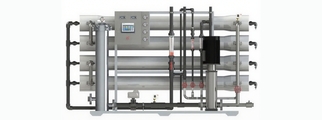
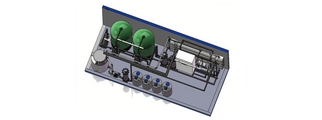
- Skid-Mounted vs. Custom-Built
- Advanced Features
- Membrane Configurations
- How to Choose the Best Commercial RO System for Your Business
- 1. Water Analysis
- 2. Capacity and Flow Rate
- 3. Total Cost of Ownership (TCO)
- Installation and Ongoing Maintenance
- Professional Installation
- Routine Maintenance Schedule
- Troubleshooting Common Commercial RO System Issues
- The Future of Commercial Reverse Osmosis: Innovations and Sustainability
- Frequently Asked Questions
- What is the primary difference between residential and commercial reverse osmosis systems?
- How much does a commercial reverse osmosis system cost?
- What contaminants do commercial RO systems remove?
- How often do RO membranes and filters need to be replaced in a commercial system?
- Can a commercial RO system treat any type of water?
- What is the typical lifespan of a commercial reverse osmosis system?
- Is the wastewater from a commercial RO system harmful?
- How do I determine the right size commercial RO system for my business?
- References
Introduction
In the landscape of modern business operations, water quality is rarely just a utility concern—it is a critical asset. From pharmaceutical manufacturing to high-volume food service, the purity of your water supply directly impacts product consistency, equipment longevity, and operational efficiency. Commercial reverse osmosis systems represent the gold standard in filtration technology, offering a robust solution for businesses demanding near-perfect water purity.
As we navigate 2026, the technology backing these systems has evolved, offering higher recovery rates and smarter integration. Whether you are upgrading an existing industrial reverse osmosis system or installing one for the first time, understanding the nuances of pressure, membrane technology, and total cost of ownership is essential. This guide provides a deep dive into the engineering, economics, and operational best practices of commercial RO systems.

What is a Commercial Reverse Osmosis System?
Defining Reverse Osmosis: From Osmosis to Reverse Osmosis
To understand the solution, one must understand the science. Osmosis is a natural phenomenon where a solvent (typically water) moves from an area of low solute concentration to an area of high solute concentration through a semi-permeable membrane. This process attempts to equalize the concentration on both sides.
Reverse Osmosis (RO) flips this process entirely. By applying external pressure greater than the natural osmotic pressure to the concentrated side (the contaminated water), water molecules are forced back through the semi-permeable membrane to the dilute side (the pure water). As stated on Wikipedia, this process effectively separates water molecules from other substances, leaving dissolved salts, bacteria, and organics behind.
The Core Principle: Semi-Permeable Membranes and Pressure
The semi-permeable membrane is the gatekeeper. It is designed to allow small water molecules (H2O) to pass while blocking larger molecules such as glucose, bacteria, and viral pathogens. In a commercial reverse osmosis system, the applied pressure is generated by high-performance pumps, which is necessary to overcome the high osmotic pressure of feed water containing significant levels of Total Dissolved Solids (TDS).
Distinguishing Commercial RO from Residential/Industrial Systems
While the underlying science is identical, the scale differs vastly. A residential unit might produce 50 gallons per day (GPD) using line pressure. In contrast, a commercial system operates at 2,000 to 20,000+ GPD, utilizing high-pressure pumps and robust automation. As noted in industry comparisons, the distinction often lies in the duty cycle; commercial units are built for continuous operation, whereas an industrial reverse osmosis system is designed for even massive volumes, often exceeding 30,000 GPD for power plants or municipal treatment.
How Commercial Reverse Osmosis Systems Work: A Step-by-Step Breakdown
Pre-Treatment: The First Line of Defense
Raw water is rarely ready for the delicate RO membranes. Pre-treatment is vital to prevent fouling. This stage typically involves:
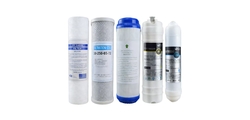
· Sediment Filters: Remove large particulates like sand and rust.
· Carbon Filters: Remove chlorine and chloramines, which can chemically degrade TFC (Thin Film Composite) membranes.
· Water Softeners/Anti-scalants: Prevent hardness minerals (calcium and magnesium) from scaling on the membrane surface.
High-Pressure Pump: Overcoming Osmotic Pressure
This is the engine of the system. For a reverse osmosis system with booster pump capabilities, the goal is to elevate water pressure to 150-250 psi (for brackish water) or higher. The pump ensures a steady flow across the membrane surface, which is crucial for the separation process.
The RO Membrane: The Heart of the Filtration Process
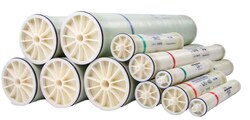
Commercial systems often utilize spiral-wound membranes made of Thin Film Composite (TFC) polyamide. According to Axeon Water Technologies, proper membrane selection is paramount, with options available for high-rejection (99%+) or low-energy consumption depending on the application.
Permeate and Concentrate Streams
The process splits the feed water into two streams:
1. Permeate: The purified water that passes through the membrane.
2. Concentrate (Reject): The wastewater containing the concentrated contaminants.
Post-Treatment: Enhancing Water Quality
Once purified, the water acts as a "hungry" solvent and can be slightly acidic. Post-treatment often involves pH adjustment (remineralization) or UV sterilization to ensure the water remains stable and pathogen-free before use.
Key Benefits of Implementing Commercial RO for Your Business
Superior Contaminant Removal
RO is one of the most effective water purification methods known. The CDC confirms that reverse osmosis systems are highly effective at removing contaminants including arsenic, nitrates, and copper. Furthermore, many businesses ask, does a reverse osmosis system remove fluoride? Yes, high-quality commercial RO systems can remove 90-99% of fluoride, ensuring compliance with specific food and beverage standards.
Protecting Equipment and Infrastructure
Hard water scale is a silent killer of industrial boilers, coffee machines, and cooling towers. By removing the minerals that cause scale, RO systems significantly extend the lifespan of expensive downstream equipment, reducing capital replacement costs.
Significant Cost Savings
While the upfront cost is a factor, the ROI is driven by operational savings. Reduced chemical usage for cleaning, lower energy bills due to scale-free heat transfer, and minimized downtime contribute to a lower Total Cost of Ownership (TCO).
Diverse Applications: Where Commercial RO Makes an Impact
· Food and Beverage: Ensuring consistent taste in sodas and clarity in ice.
· Pharmaceuticals: Creating Ultrapure Water (UPW) for compounding and cleaning.
· Boiler Feed Water: Preventing scale in high-pressure steam boilers.
· Car Washes: Providing a "spot-free" rinse by removing dissolved solids that leave water spots.
· Agriculture: optimizing nutrient mixes for hydroponics.
For those relying on groundwater sources, implementing a reverse osmosis system for well water is often necessary to treat fluctuating mineral content and potential agricultural runoff. You can learn more about specific treatments in our guide to water treatment systems for well water.
Types of Commercial RO Systems: Finding the Right Fit
Skid-Mounted vs. Custom-Built
· Skid-Mounted: Pre-engineered, plug-and-play units ideal for standard applications.
· Custom-Built: Tailored for unique space constraints or specific water chemistries, often required for heavy industrial use.
Advanced Features
Modern systems are increasingly adopting tankless reverse osmosis system designs for space efficiency and lower stagnation risks. These systems rely on high-flow membranes to deliver water on demand rather than storing it in large, potentially contaminating tanks.
Membrane Configurations
While spiral-wound is the industry standard for commercial use due to its high packing density, other types like hollow fiber or plate-and-frame are used in specialized high-fouling applications.
How to Choose the Best Commercial RO System for Your Business
Selecting the best reverse osmosis water filter system requires more than just picking a brand; it requires data.
1. Water Analysis
Before purchasing, obtain a comprehensive water report. You cannot design a system without knowing the specific levels of TDS, hardness, silica, and iron in your feed water.
2. Capacity and Flow Rate
Calculate your peak demand. A system rated for 10,000 GPD might only produce 7,000 GPD if your feed water is colder than the test standard (typically 77°F/25°C).
3. Total Cost of Ownership (TCO)
When evaluating reverse osmosis system cost, look beyond the sticker price. Factor in:
· Consumables: Frequency of filter changes.
· Energy: Pump efficiency (kWh per 1000 gallons).
· Water Waste: The recovery rate (standard systems waste 2-4 gallons for every 1 produced; high-efficiency systems can achieve 1:1 or better).
For a broader look at the market, consider reviewing our 2026 guide to industrial reverse osmosis systems to compare heavy-duty options.
Installation and Ongoing Maintenance
Professional Installation
Reverse osmosis water system installation is complex. It requires precise plumbing integration, drainage planning for the concentrate stream, and electrical setups for pumps and controllers. Improper installation can lead to backpressure issues that rupture membranes.
Routine Maintenance Schedule
Reverse osmosis system maintenance is non-negotiable for longevity.
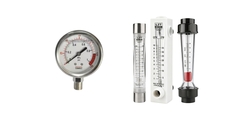
· Daily: Check pressure gauges and flow meters.
· Monthly: Replace pre-filters (sediment/carbon).
· Annually: Sanitize the system and clean membranes.
According to EPA standards and best practices, regular monitoring of the "differential pressure" (the pressure drop across the membrane) is the most reliable indicator of fouling.
Troubleshooting Common Commercial RO System Issues
· Low Permeate Flow: Often caused by cold feed water or fouled membranes.
· High TDS in Permeate: Indicates membrane breach or O-ring failure.
· Short Cycling: If using a storage tank, check the pressure switch settings.
· Noisy Pump: Could indicate cavitation (air in the line) or insufficient feed pressure.
For businesses comparing different filtration technologies, it may be helpful to check our list of the top 10 industrial water filters to see where RO fits in the broader spectrum.
The Future of Commercial Reverse Osmosis: Innovations and Sustainability
Looking ahead to 2026 and beyond, the industry is pivoting toward sustainability. New "High Recovery" systems are pushing the boundaries of water efficiency, utilizing closed-circuit desalination technology to minimize waste. Additionally, IoT-enabled smart controllers now allow facility managers to monitor system health remotely, predicting membrane failure before it halts production.
Frequently Asked Questions
What is the primary difference between residential and commercial reverse osmosis systems?
Commercial systems are built for higher duty cycles and capacities (2,000+ GPD). They utilize rotary vane or multi-stage centrifugal pumps to generate higher pressures (150+ psi) compared to the 40-60 psi typical of residential units. They also feature robust pre-treatment and monitoring instrumentation not found in under-sink models.
How much does a commercial reverse osmosis system cost?
The how much does a reverse osmosis system cost question depends heavily on capacity. A light commercial system (2,000 GPD) may range from $3,000 to $6,000. Larger industrial skids (20,000+ GPD) can easily exceed $20,000 to $50,000. Installation and commissioning are additional costs.
What contaminants do commercial RO systems remove?
Commercial RO systems remove up to 99% of Total Dissolved Solids (TDS), including heavy metals (lead, mercury), salts, bacteria, viruses, and fluoride. They are the best reverse osmosis water filtration system choice for businesses requiring high-purity water.
How often do RO membranes and filters need to be replaced in a commercial system?
Pre-filters usually require replacement every 1-3 months. The RO membranes themselves, if properly protected by pre-treatment, typically last 2-4 years. Regular cleaning (CIP - Clean In Place) can extend this lifespan.
Can a commercial RO system treat any type of water?
RO is versatile but has limits. It cannot handle water with high levels of oil, grease, or chlorine (unless carbon pre-treatment is used). Extremely hard water must be softened first to prevent rapid scaling.
What is the typical lifespan of a commercial reverse osmosis system?
With proper maintenance, the rig structure (pumps, frames, housings) can last 15-20 years. The consumable components (membranes, filters, seals) are the only parts needing regular cycling.
Is the wastewater from a commercial RO system harmful?
The "concentrate" contains the same impurities as the feed water, just in higher concentrations. In most municipal settings, it is safe to discharge into the sewer. However, strictly regulated industries or areas with high salinity restrictions may require waste treatment.
How do I determine the right size commercial RO system for my business?
Start by calculating your daily water usage in gallons. Then, apply a safety factor of 20-30% to account for maintenance downtime and future growth. Always size the system based on the membrane's output at your actual water temperature, not just the rated "ideal" temperature.
References
· Axeon Water: Commercial RO Membrane Selection Guide
· ResearchGate: Evolution of energy consumption in seawater reverse osmosis
· Complete Water Solutions: Maintain Industrial Reverse Osmosis Systems


Request More Information or Expert Advice
Share a few details, and we’ll provide deeper insights, tailored suggestions, or product support.
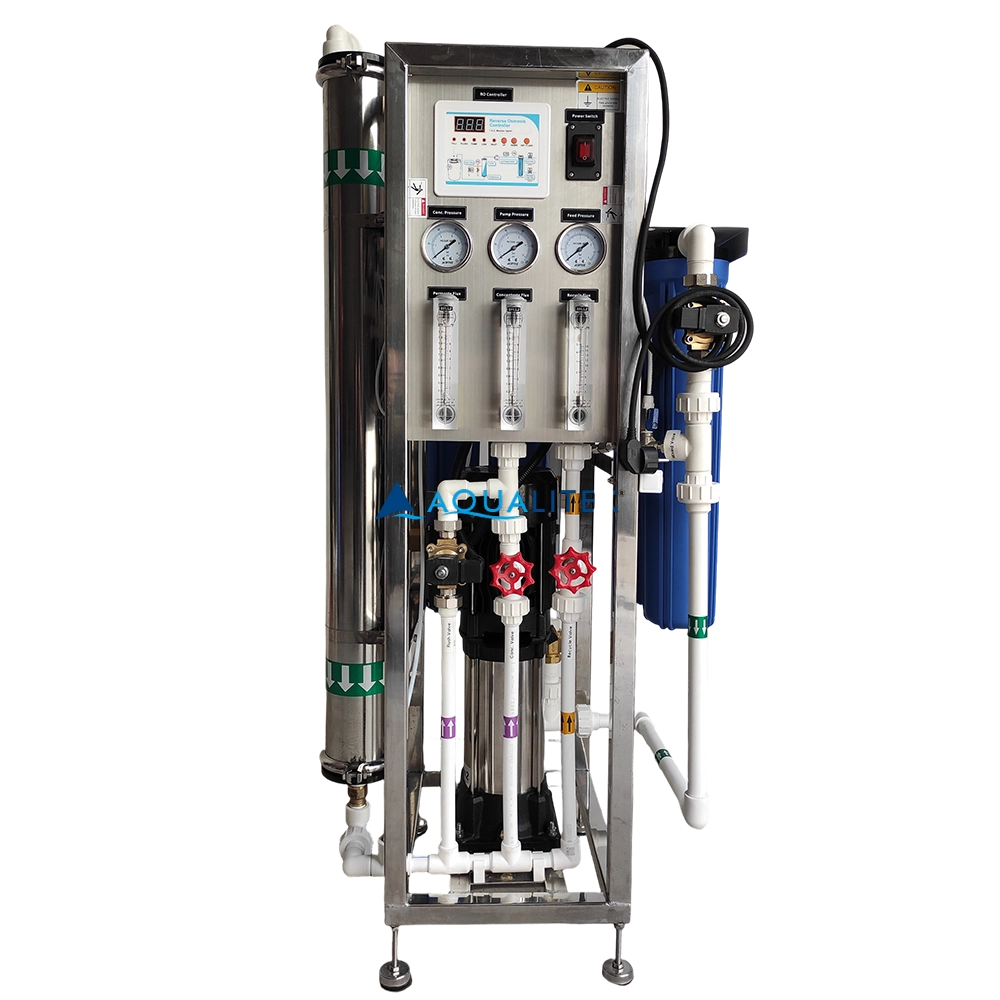
Our 500 LPH Reverse Osmosis (RO) System is engineered to provide high-quality purified water for commercial applications. Designed with advanced RO technology, durable components, and a user-friendly interface, this system ensures consistent performance, low maintenance, and long-term reliability.
With its compact design and robust skid-mounted frame, it’s an excellent choice for businesses that demand efficiency and quality in water purification.
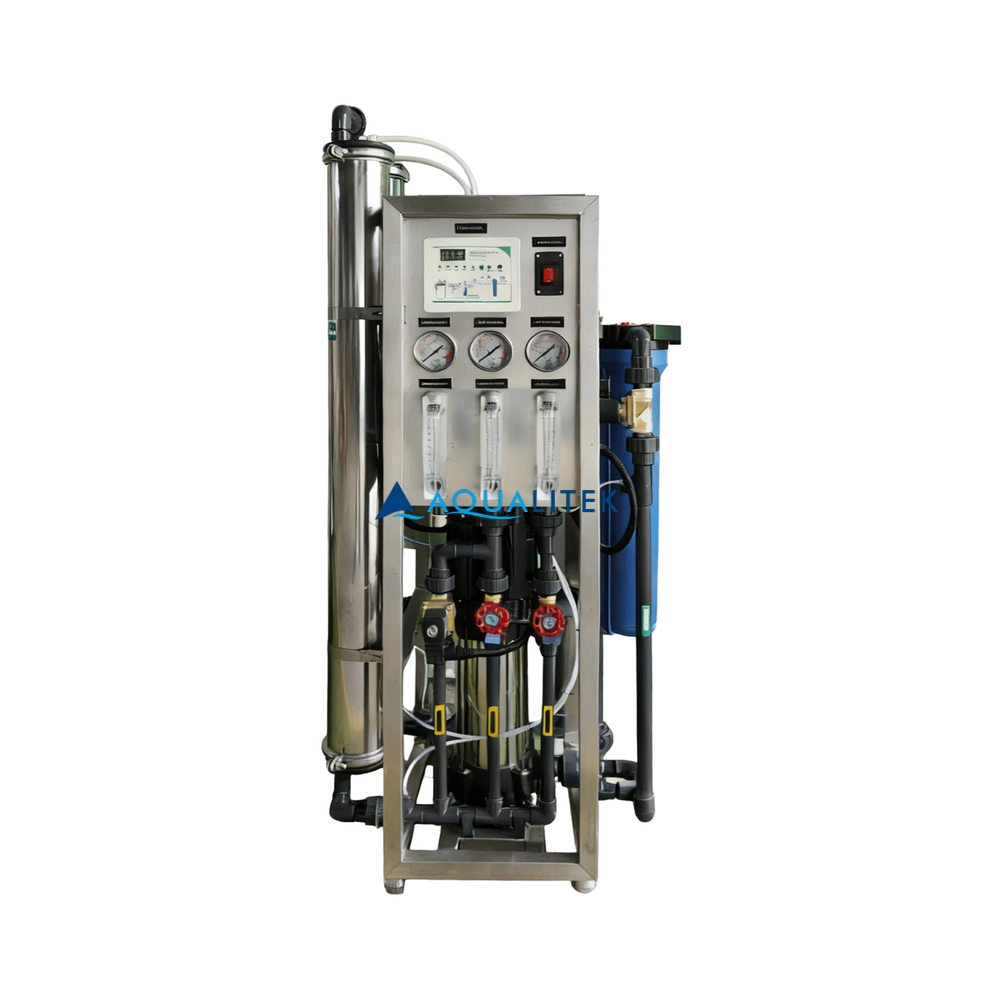
TWV series Reverse Osmosis (RO) systems are pre-engineered and pre-assembled units with 2.5”/4” membrane housings(single element type)for tap water(lower TDS).They are designed for overall superior performance, high recovery rates and offer great savings with low maintenance and operation costs.
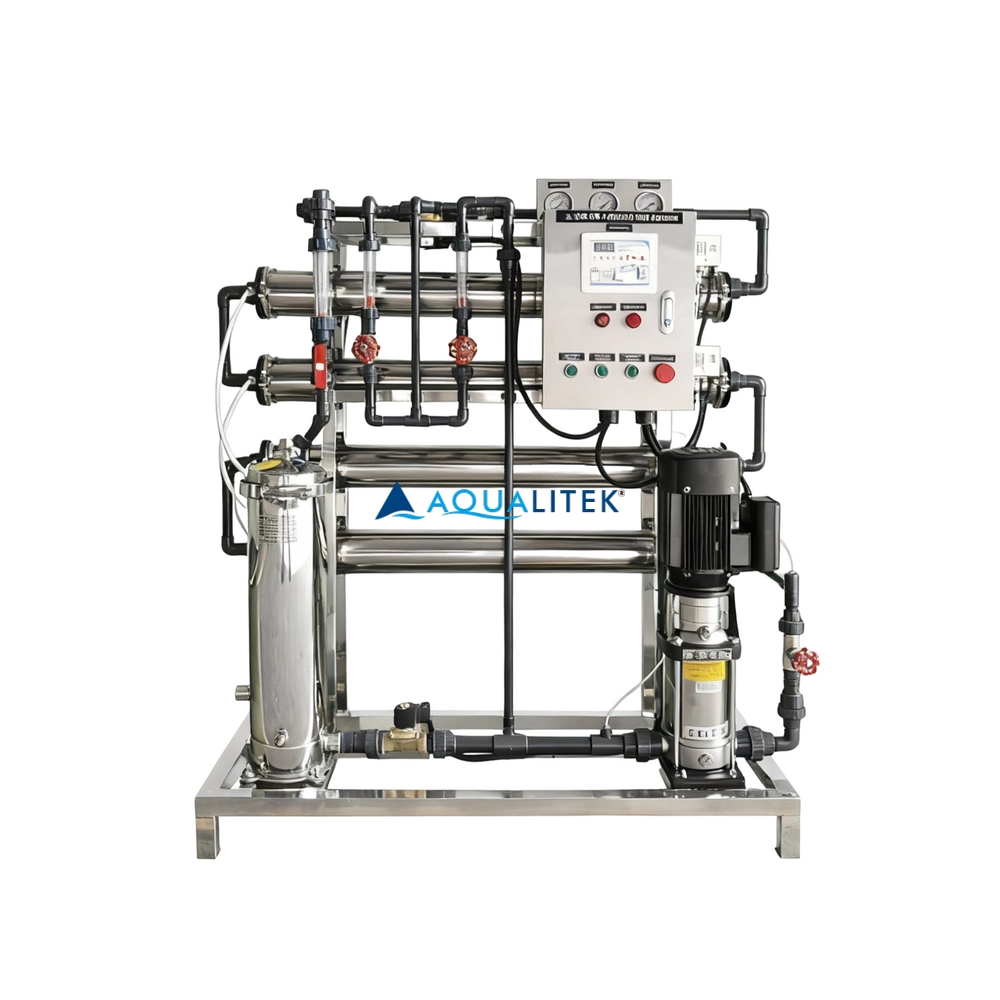
TWF series Reverse Osmosis (RO) systems are pre-engineered and pre-assembled units with 4” membrane housings(multiple elements type) for tap water(lower TDS) .The medium large volumes can help meet your a variety of commercial and industrial applications. They are designed for overall superior performance, high recovery rates and offer great savings with low maintenance and operation costs.

TWE series Reverse Osmosis (RO) systems are pre-engineered and pre-assembled units with 8” membrane housings for tap water (lower TDS). The large volumes can help meet your a variety of industrial applications. They are designed for overall superior performance, high recovery rates and offer great savings with low maintenance and operation costs.
© 2026 AQUALITEK. All rights reserved.
AQUALITEK- Aimee Hoo
AQUALITEK - Aimee Hoo