




What Could Be Causing an RO System to Shut Down Due to a “Low Inlet Pressure” Alarm?| Insights by AQUALITEK
A low inlet pressure alarm is a common cause of RO system shutdowns. Learn the most common mechanical, hydraulic, and operational reasons behind low inlet pressure and how to troubleshoot them effectively.
- Introduction
- What Does “Low Inlet Pressure” Mean in an RO System?
- Most Common Causes of Low Inlet Pressure Alarms
- 1. Insufficient Raw Water Supply Pressure
- 2. Blocked or Fouled Pretreatment Components
- 3. Cartridge Filter Incorrect Installation
- 4. Feed Valve or Pipeline Restrictions
- 5. Air Entrapment in the Feed Line
- 6. Feed Pump Malfunction
- 7. Pressure Sensor or Switch Failure
- 8. Incorrect Alarm Setpoint Configuration
- Systematic Troubleshooting Checklist
- Why Ignoring Low Inlet Pressure Is Dangerous
- Best Practices to Prevent Low Inlet Pressure Alarms
- Conclusion
Introduction
A sudden shutdown of a reverse osmosis (RO) system accompanied by a “low inlet pressure” alarm is a frequent and frustrating issue in water treatment operations.
This alarm is not a fault by itself—it is a protective signal indicating that the system is operating outside safe hydraulic conditions. If ignored or misjudged, it may lead to:
•High-pressure pump cavitation
•Membrane damage
•Unstable system operation
This article explains what causes low inlet pressure alarms, how to systematically diagnose them, and what corrective actions should be taken.
What Does “Low Inlet Pressure” Mean in an RO System?
“Inlet pressure” typically refers to:
•Pressure at the high-pressure pump suction, or
•Pressure at the RO feed inlet, depending on system design
When pressure falls below the preset safety threshold:
•The PLC or pressure switch triggers an alarm
•The system shuts down to protect critical components
Most Common Causes of Low Inlet Pressure Alarms
1. Insufficient Raw Water Supply Pressure
This is the most frequent cause.
Possible reasons include:
•Municipal supply pressure drop
•Well pump malfunction
•Upstream booster pump failure
•Insufficient water level in raw water tank
If the feed source cannot provide stable pressure, the RO system cannot operate safely.
2. Blocked or Fouled Pretreatment Components
Pretreatment resistance directly affects inlet pressure.
Common problem points:
•Clogged multimedia filters
•Fouled activated carbon filters
•Plugged cartridge (security) filters
•Excessive pressure loss across pretreatment units
A rising differential pressure across pretreatment is a strong warning sign.
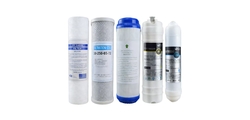
3. Cartridge Filter Incorrect Installation
Improper cartridge filter installation can cause:
•Partial blockage
•Filter collapse
•Bypass channeling that confuses pressure readings
Also check:
•Incorrect micron rating (too fine)
•Deformed sealing O-rings
4. Feed Valve or Pipeline Restrictions
Hydraulic restrictions often go unnoticed.
Check for:
•Partially closed inlet valves
•Mispositioned automatic control valves
•Obstructed strainers
•Pipeline scaling or internal debris
Even a slightly closed valve can trigger low-pressure alarms under high flow demand.
5. Air Entrapment in the Feed Line
Air in the system can:
•Reduce effective pressure
•Cause unstable pressure signals
•Trigger false low-pressure alarms
Common air entry points:
•Leaking suction fittings
•Empty or low raw water tanks
•Inadequate venting after maintenance
6. Feed Pump Malfunction
If the RO system relies on a feed or booster pump:
•Pump wear
•Impeller damage
•Seal failure
•Motor speed reduction
may result in insufficient discharge pressure to the RO inlet.
7. Pressure Sensor or Switch Failure
Sometimes, the pressure is normal—but the signal is wrong.
Possible issues:
•Blocked pressure impulse line
•Sensor drift or aging
•Loose wiring
•Incorrect calibration
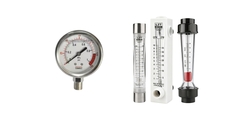
Always verify pressure using a manual gauge before assuming a hydraulic problem.
8. Incorrect Alarm Setpoint Configuration
Low-pressure alarm thresholds may be:
•Set too high
•Changed accidentally during commissioning or maintenance
This can cause nuisance shutdowns even when the system is hydraulically stable.
Systematic Troubleshooting Checklist
1.Verify actual inlet pressure with a mechanical gauge
2.Check raw water source pressure and tank level
3.Inspect pretreatment differential pressure
4.Confirm cartridge filter condition and installation
5.Fully open and verify inlet valves
6.Eliminate air from pipelines
7.Inspect feed pump performance
8.Validate pressure sensor accuracy and alarm setpoints
Why Ignoring Low Inlet Pressure Is Dangerous
Operating an RO system under low inlet pressure may lead to:
•High-pressure pump cavitation
•Excessive vibration and noise
•Rapid mechanical wear
•Membrane fouling due to unstable flow
The alarm exists to protect equipment—not to slow production.
Best Practices to Prevent Low Inlet Pressure Alarms
✔ Maintain pretreatment units regularly
✔ Monitor differential pressure trends
✔ Keep cartridge replacement records
✔ Install redundant pressure gauges
✔ Ensure stable raw water supply design
✔ Periodically calibrate pressure sensors
Conclusion
A low inlet pressure alarm is rarely a single-point failure. It is usually the result of upstream hydraulic resistance, supply instability, or instrumentation issues.
By understanding the root causes and following a structured troubleshooting approach, operators can:
•Restore stable operation quickly
•Avoid unnecessary membrane damage
•Reduce downtime and maintenance costs
In RO systems, stable inlet pressure is the foundation of reliable performance.


Request More Information or Expert Advice
Share a few details, and we’ll provide deeper insights, tailored suggestions, or product support.
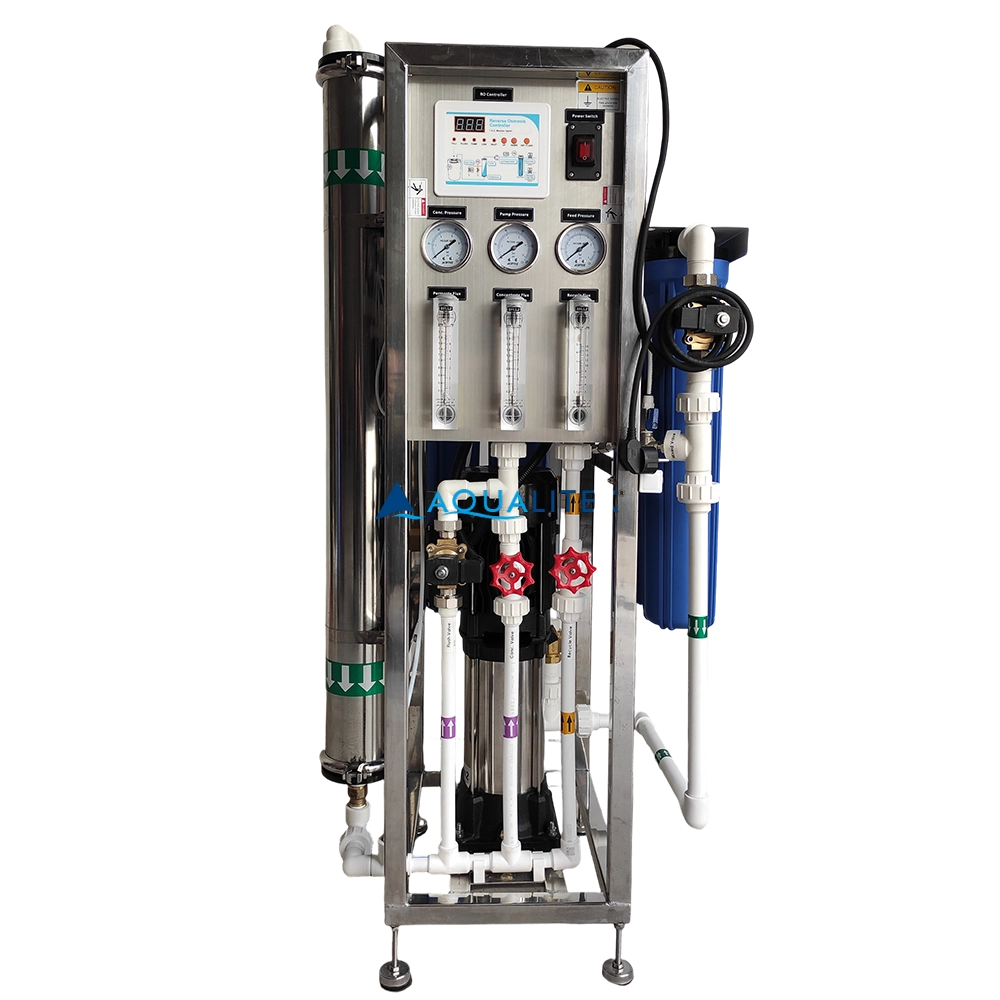
Our 500 LPH Reverse Osmosis (RO) System is engineered to provide high-quality purified water for commercial applications. Designed with advanced RO technology, durable components, and a user-friendly interface, this system ensures consistent performance, low maintenance, and long-term reliability.
With its compact design and robust skid-mounted frame, it’s an excellent choice for businesses that demand efficiency and quality in water purification.
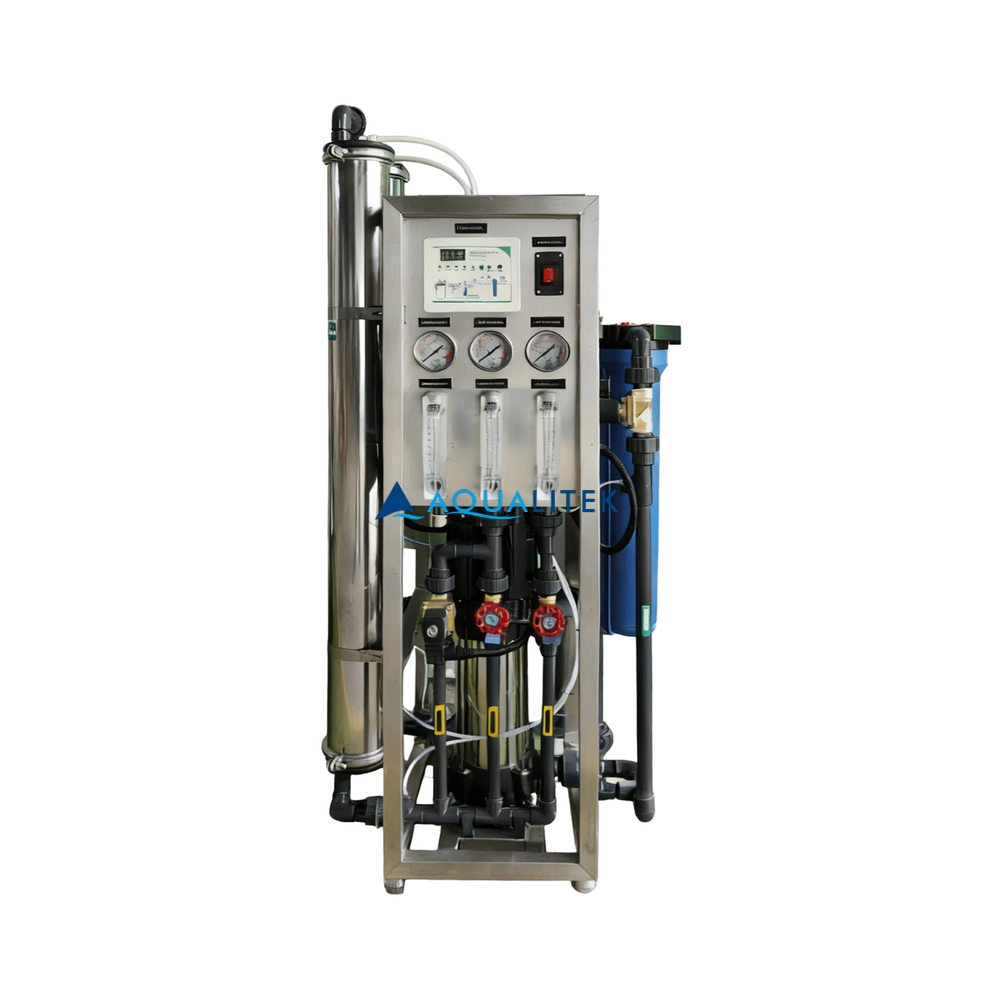
TWV series Reverse Osmosis (RO) systems are pre-engineered and pre-assembled units with 2.5”/4” membrane housings(single element type)for tap water(lower TDS).They are designed for overall superior performance, high recovery rates and offer great savings with low maintenance and operation costs.
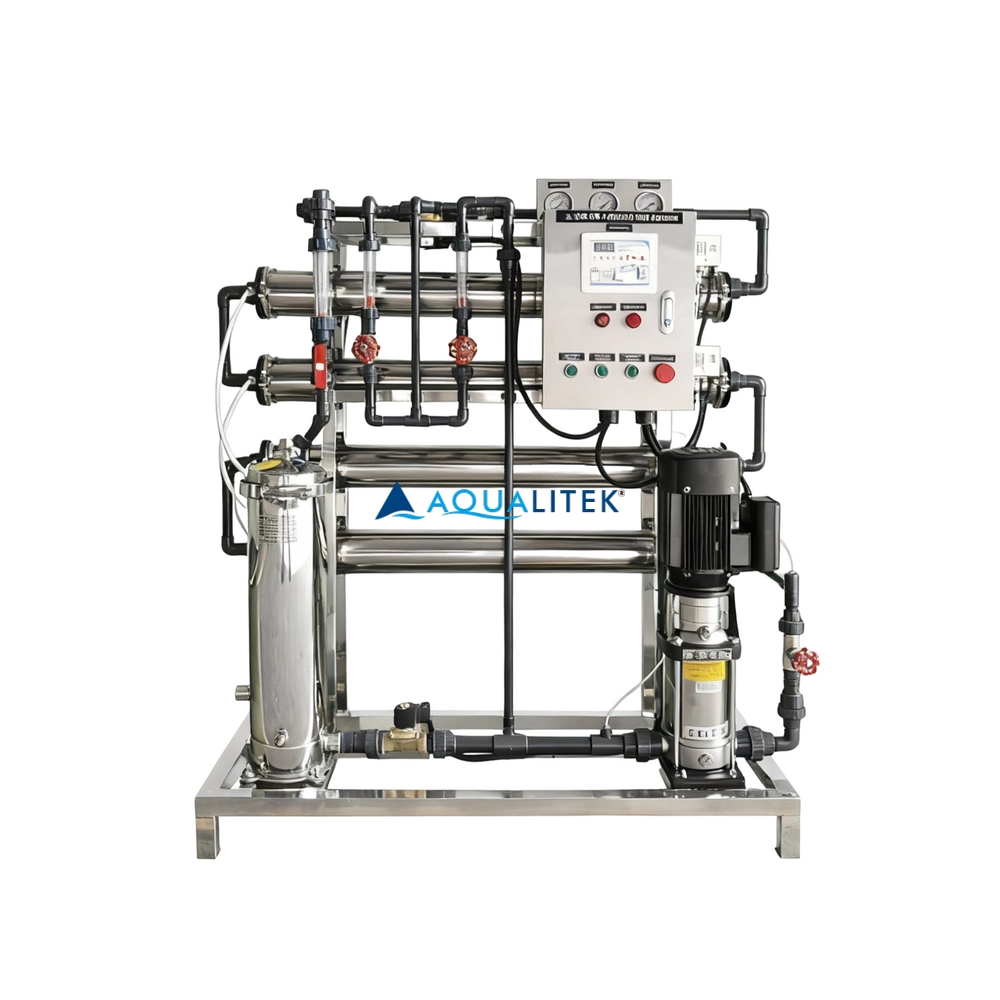
TWF series Reverse Osmosis (RO) systems are pre-engineered and pre-assembled units with 4” membrane housings(multiple elements type) for tap water(lower TDS) .The medium large volumes can help meet your a variety of commercial and industrial applications. They are designed for overall superior performance, high recovery rates and offer great savings with low maintenance and operation costs.

TWE series Reverse Osmosis (RO) systems are pre-engineered and pre-assembled units with 8” membrane housings for tap water (lower TDS). The large volumes can help meet your a variety of industrial applications. They are designed for overall superior performance, high recovery rates and offer great savings with low maintenance and operation costs.
© 2026 AQUALITEK. All rights reserved.
AQUALITEK- Aimee Hoo
AQUALITEK - Aimee Hoo