



Ultimate Guide to Industrial Reverse Osmosis Systems in 2026
Explore AQUALITEK's 2026 guide to industrial reverse osmosis systems. Reliable, cost-effective solutions to optimize your water treatment today.
- The Future of Industrial Water Treatment: Reverse Osmosis in 2026 and Beyond
- What Is Reverse Osmosis?
- Top 5 Manufacturers of Industrial Reverse Osmosis Systems
- 1. Aqualitek (China)
- 2. Dow Water & Process Solutions (USA)
- 3. Koch Membrane Systems (USA)
- 4. Toray Industries (Japan)
- 5. Hydranautics (USA/Japan)
- How Does Reverse Osmosis Work?
- Pre-Treatment: Prepping water for filtration
- Here's how we do filtration with a reverse osmosis membrane:
- Post-Treatment: Final Purification
- Concentrate and Permeate:
- Industrial Applications of Reverse Osmosis
- Benefits of Reverse Osmosis in Industrial Applications
- Why Choose Aqualitek’s Industrial Reverse Osmosis Systems?
- FAQ – Common Questions About Industrial Reverse Osmosis
- What is the difference between industrial reverse osmosis and regular water filtration?
- How does industrial reverse osmosis improve water quality?
- What industries use reverse osmosis systems?
- How long do industrial reverse osmosis membranes last?
- How to Choose the Right Reverse Osmosis System Manufacturer?
- Conclusion
The Future of Industrial Water Treatment: Reverse Osmosis in 2026 and Beyond
In an era when industries are under greater pressure than ever to meet strict environmental regulations and sustainability targets, reverse osmosis systems for industry are more important than ever. The global market for industrial water treatment is expected to grow significantly in 2026, with companies needing cost-effective, efficient, and eco-friendly solutions. Reverse osmosis industrial systems are at the forefront of this change, providing industries with cleaner water for a wide range of applications, from manufacturing to power generation. The power of reverse osmosis in drinking water treatment is equally crucial, as it ensures the availability of safe, high-quality water for consumption. But how does reverse osmosis work, and why is it essential for industrial use? Let's take a look at industrial reverse osmosis systems.
What Is Reverse Osmosis?
Reverse osmosis (RO) is a water filtration process that uses a semi-permeable membrane to remove ions, molecules, and larger particles from water. It's a key technology in industrial water treatment because it makes sure that water is ultra-pure by filtering out things like salts, heavy metals, and microorganisms.
The process is simple yet highly effective. When you apply pressure to water on one side of the membrane, it pushes the water molecules through, leaving contaminants behind on the other side. The end result is purified water that meets the strict quality standards required by industries like pharmaceuticals, food processing, and power generation.

Top 5 Manufacturers of Industrial Reverse Osmosis Systems
-
1. Aqualitek (China)
-
Description: Aqualitek is based in Guangzhou and makes high-capacity industrial reverse osmosis systems (RO systems) for all kinds of uses, like manufacturing, processing, and commercial use. We provide complete industrial reverse osmosis water system solutions, including pretreatment equipment, core RO units, and end-of-use recycling systems.
Advantages: Aqualitek is known for its reliable industrial reverse osmosis plant solutions, and it excels with robust OEM/ODM capabilities, modular skid-mounted designs, high salt rejection performance, and global manufacturing capacity.
Weakness: Brand recognition and service network are growing in certain international markets.
2. Dow Water & Process Solutions (USA)
- Description: Dow is a global leader in water purification technology. They've got large-scale industrial reverse osmosis systems that use advanced membranes, pretreatment, and system integration for high-duty applications across industries like chemical, power, and desalination.
Advantages: Dow's FILMTEC™ membranes have high rejection rates, so you can count on them. The company also has a solid global support network and a strong R&D team.
Weakness: Dow's systems can be pricey and might be too big or complicated for smaller or mid-sized industrial users.

3. Koch Membrane Systems (USA)
Description: Koch is all about advanced membrane filtration and integrated RO/NF systems. They provide solutions for industrial feeds in sectors like food and beverage, biotech, automotive, and water reuse.
Advantages: Koch systems are ideal for tough processes such as complex feedwater treatment. They've got flexible and high-efficiency industrial reverse osmosis machines for tough jobs.
Weakness: Implementing and maintaining Koch systems might require more specialized engineering expertise and infrastructure compared to simpler systems.

4. Toray Industries (Japan)
Description: Toray has tons of experience with polymer and membrane technology, and they offer high-recovery industrial reverse osmosis systems that can handle tough situations, like high-TDS brackish or seawater feed, manufacturing process water, and desalination needs.
Advantages: Toray's membrane materials can handle chemicals and extreme temperatures, so they're perfect for tough water conditions.
Weakness: In some regions, local service and installation support may be slower compared to more localized suppliers.

5. Hydranautics (USA/Japan)
Description: Hydranautics designs and manufactures spiral-wound RO modules and full systems for industrial, desalination, reuse, and high-flux applications. They're known for supporting large-scale industrial reverse osmosis water systems all over the world.
Advantages: Hydranautics is a global company, and they're known for their high-performance membranes and modules, which are perfect for zero-liquid-discharge (ZLD) and recycling applications.
Weakness: For mid-sized, general industrial use, Hydranautics' cost structure may be higher than more basic alternatives.

How Does Reverse Osmosis Work?
Industrial reverse osmosis systems work by applying pressure to water, forcing it through a semi-permeable membrane. Here's a more detailed look at the process:
-
Pre-Treatment: Prepping water for filtration
Water goes through pre-filters first to get rid of big particles like dirt and sediment and then activated carbon filters to get rid of chlorine and organic compounds. This helps prevent the RO membrane from clogging and makes it last longer.
Here's how we do filtration with a reverse osmosis membrane:
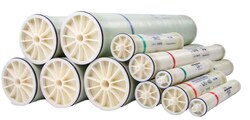
The RO membrane is the heart of the system. Water is forced through the membrane under high pressure. The tiny holes in the mask's fabric are like a sieve, letting water molecules pass through but stopping anything else like salts, minerals, and bacteria. This ensures the water is purified and safe for industrial use.
Post-Treatment: Final Purification
After the water passes through the RO membrane, it might undergo extra filtration, like carbon or UV treatment, to get rid of any remaining impurities. This ensures the water meets the strict quality standards needed for industrial uses, like making pharmaceuticals or food.
Concentrate and Permeate:
-
We've got wastewater and purified water.The system separates permeate (purified water) from concentrate (reject water). We collect the permeate for use, and the concentrate—which contains the contaminants—is either disposed of or treated further to reduce the environmental impact.
Industrial Applications of Reverse Osmosis
Reverse osmosis is key for lots of industries because it can purify a lot of water quickly. Let's take a closer look at some key industrial applications:
-
Food & Beverage Industry: Reverse osmosis is used to purify water for processing, cleaning, and making beverages. It gets rid of the bad stuff in the water, making sure it's good to go.
-
Pharmaceutical Industry: RO is key to making ultra-pure water, which is needed for drug manufacturing, research, and lab testing. The high purity level of water ensures product quality and compliance with regulations.
-
Power Generation: In power plants, reverse osmosis (RO) systems are used for cooling and steam generation. They help get rid of contaminants in the cooling water, which prevents things like scaling and corrosion in turbines and boilers.
-
Semiconductor Manufacturing: For semiconductor fabs, reverse osmosis provides ultra-pure deionized water, which is key for the precise cleaning and etching of chips.
-
Desalination: RO is being used more and more in desalination plants to turn seawater into drinking water, which is really important for places that don't have enough water.
-
Benefits of Reverse Osmosis in Industrial Applications
| Benefit | Explanation |
|---|---|
| High Purity Water | Removes up to 99% of contaminants, ensuring water meets industrial standards. |
| Cost-Effective | Reduces the need for chemical treatments, cutting operational costs. |
| Energy Efficiency | Low-energy consumption compared to other filtration methods, reducing operational expenses. |
| Sustainability | Contributes to sustainable practices by reducing waste and the need for bottled water. |
| Scalability | Can be customized for both small and large industrial applications, offering flexible solutions. |
| Low Maintenance | Requires minimal maintenance if properly managed, leading to long-term reliability. |
Why Choose Aqualitek’s Industrial Reverse Osmosis Systems?
At Aqualitek, we're all about providing top-notch industrial reverse osmosis systems that can handle the tough demands of different industries. Here's why our systems stand out:
-
Custom Solutions: We've got some sweet RO systems that you can customize to fit your needs, whether you're in food processing, pharmaceuticals, or power generation.
-
Cost Efficiency: Our systems are built for long-term cost savings. They provide durable, high-performance water treatment with low operational costs.
-
Advanced Technology: Our reverse osmosis industrial systems are engineered with cutting-edge technology, so you can count on them to keep on working.
-
Global Reach, Local Expertise: We combine global expertise with local service, offering customized solutions for businesses worldwide.
-
Proven Track Record: We've got a proven track record of delivering large-scale RO systems for industries all over the world, helping our clients keep water quality top-notch.
-

FAQ – Common Questions About Industrial Reverse Osmosis
What is the difference between industrial reverse osmosis and regular water filtration?
Industrial reverse osmosis (RO) systems are way better than regular water filters at filtration. Traditional filters may remove large particles and chlorine, but RO systems can remove dissolved salts, metals, bacteria, and even viruses, producing ultra-pure water needed for industrial applications.
How does industrial reverse osmosis improve water quality?
Industrial reverse osmosis gets rid of up to 99% of contaminants like heavy metals, salts, microorganisms, and organic compounds. This makes sure that the water used in production is top-notch, avoiding contamination and keeping products safe.
What industries use reverse osmosis systems?
Reverse osmosis systems are used in a lot of industries, like food and beverage, pharmaceuticals, power generation, semiconductor manufacturing, and desalination. RO systems are key for delivering clean, purified water for processes that demand high purity.
How long do industrial reverse osmosis membranes last?
Reverse osmosis membranes usually last about 2 to 3 years, but it depends on things like water quality, maintenance, and how you use the system. If you keep up with cleaning and maintenance, you can get a lot more use out of the membranes.
How to Choose the Right Reverse Osmosis System Manufacturer?
When picking a reverse osmosis system manufacturer, think about how long they've been in the industry and their engineering skills. Make sure they can provide custom solutions that meet your needs and focus on high efficiency and long-term reliability. Strong customer support, including installation and maintenance services, is essential. Finally, pick a manufacturer that gives you good pricing without skimping on quality or performance.
Conclusion
Industrial reverse osmosis systems are key to modern water treatment, providing clean, purified water for all sorts of industrial uses. Aqualitek has got you covered, whether you're in food and beverage production, pharmaceuticals, or power generation. We've got top-notch, affordable, and expandable solutions to meet your water purification needs. As industries keep making sustainability and efficiency a top priority, reverse osmosis is going to be a key part of industrial water treatment technology.
Hey, want to upgrade your industrial water treatment system? Give Aqualitek a call to learn more about our cutting-edge industrial reverse osmosis systems, which are designed to fit your unique needs.



Request More Information or Expert Advice
Share a few details, and we’ll provide deeper insights, tailored suggestions, or product support.
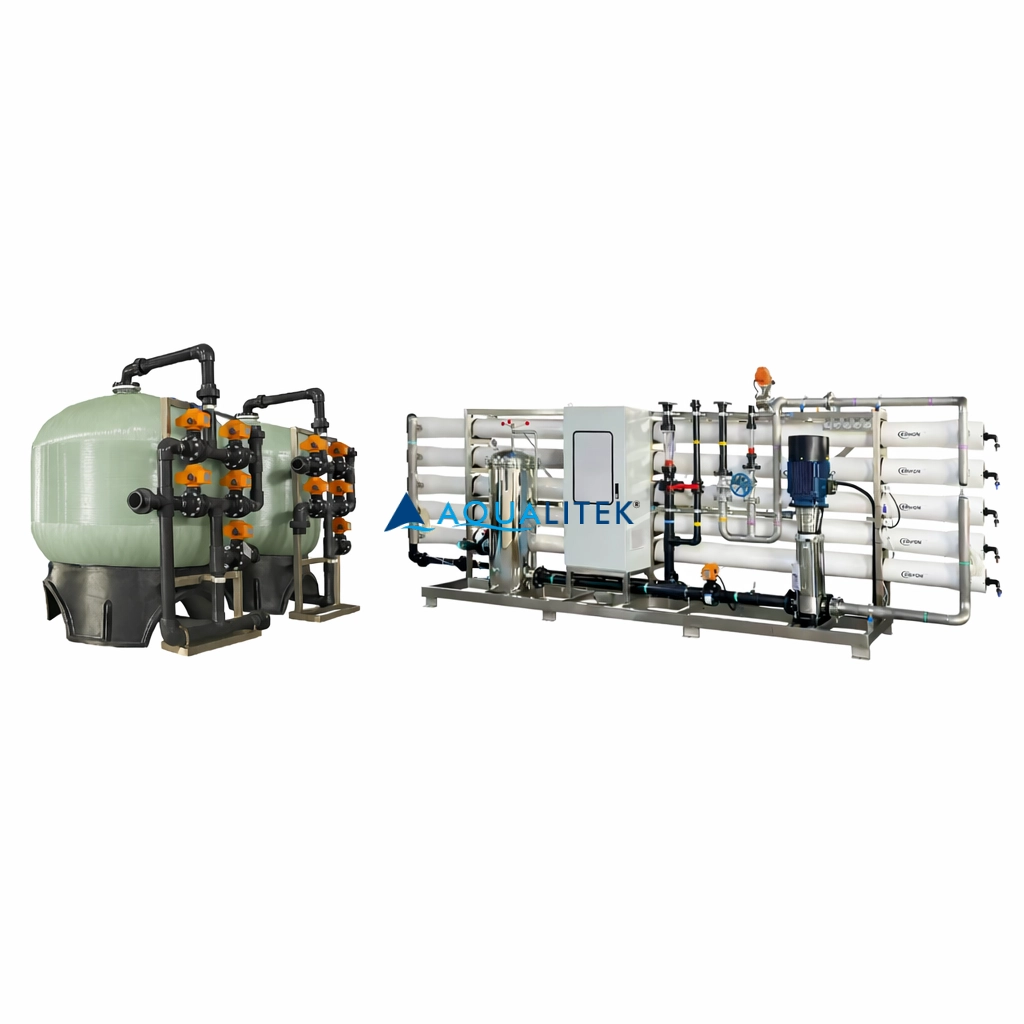
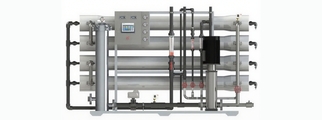
30TPH Industrial Reverse Osmosis (RO) System designed for industrial and municipal water treatment. High salt rejection, energy-efficient design, PLC control, and customizable configuration.
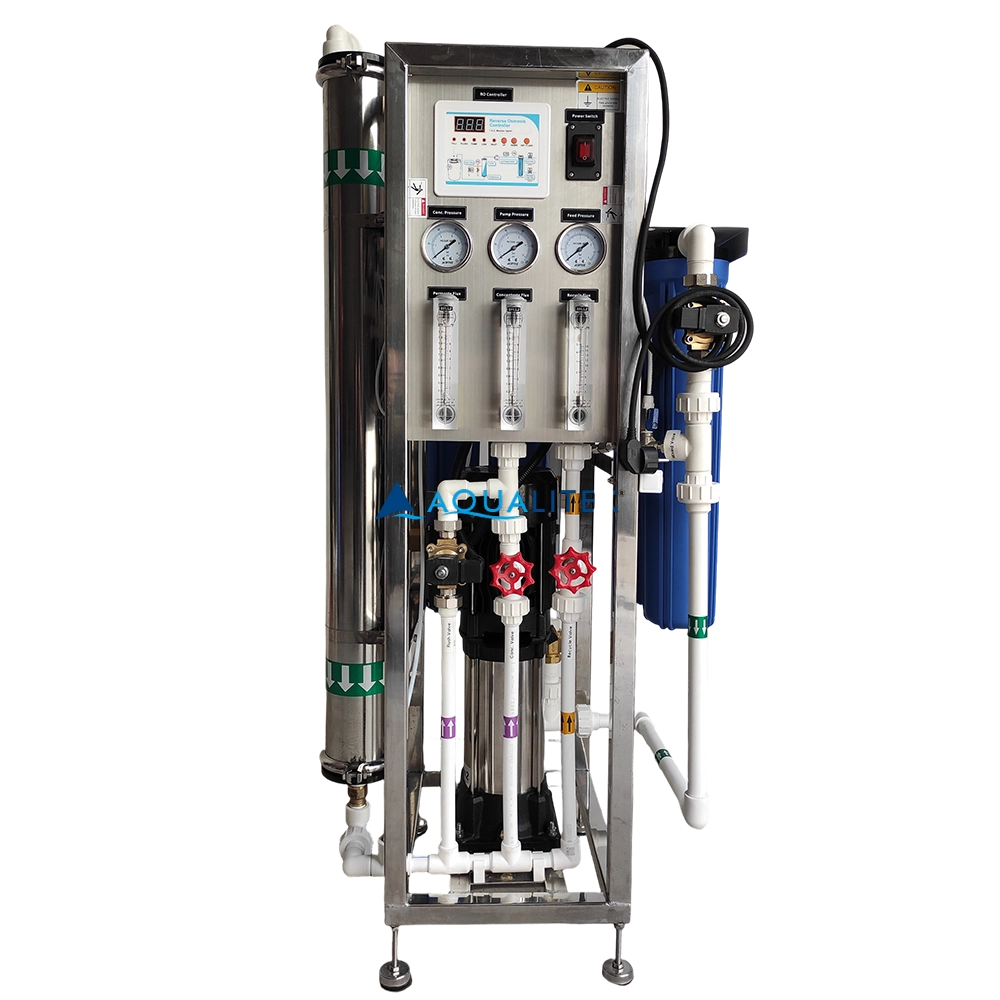
Our 500 LPH Reverse Osmosis (RO) System is engineered to provide high-quality purified water for commercial applications. Designed with advanced RO technology, durable components, and a user-friendly interface, this system ensures consistent performance, low maintenance, and long-term reliability.
With its compact design and robust skid-mounted frame, it’s an excellent choice for businesses that demand efficiency and quality in water purification.
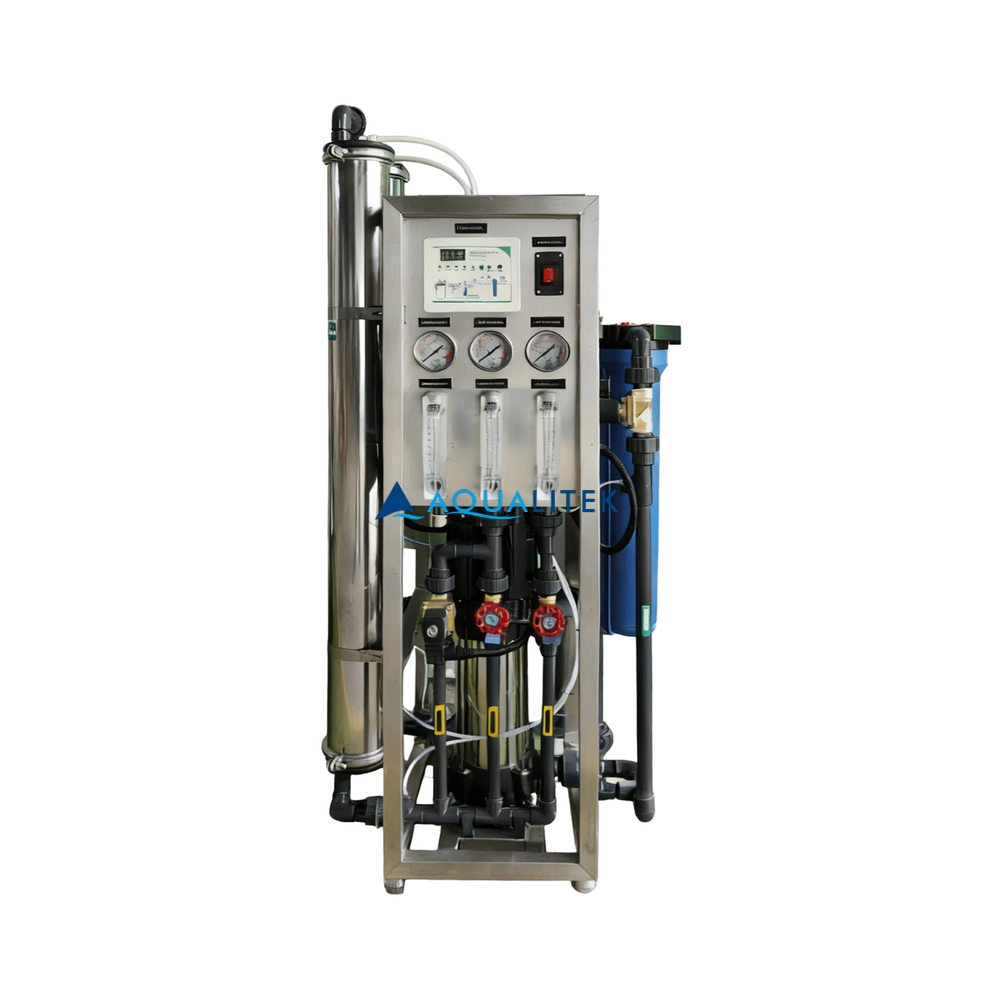
TWV series Reverse Osmosis (RO) systems are pre-engineered and pre-assembled units with 2.5”/4” membrane housings(single element type)for tap water(lower TDS).They are designed for overall superior performance, high recovery rates and offer great savings with low maintenance and operation costs.
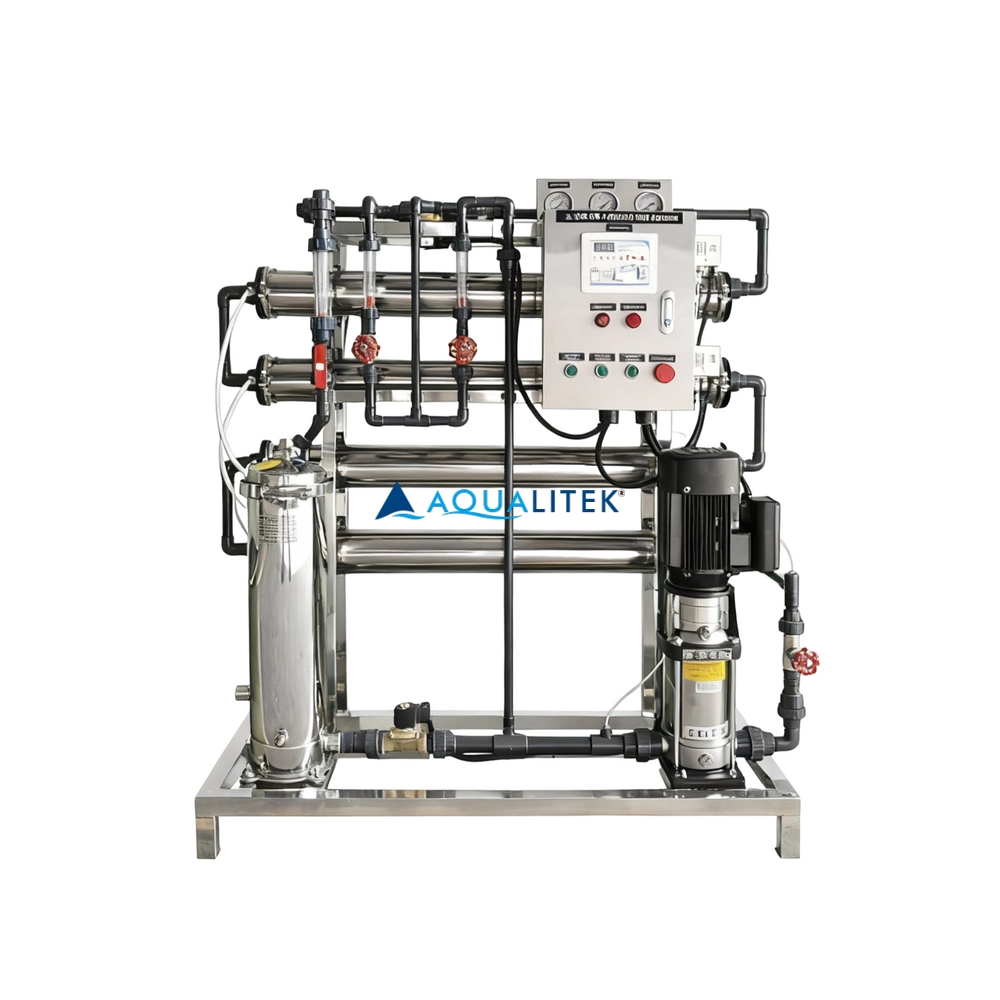
TWF series Reverse Osmosis (RO) systems are pre-engineered and pre-assembled units with 4” membrane housings(multiple elements type) for tap water(lower TDS) .The medium large volumes can help meet your a variety of commercial and industrial applications. They are designed for overall superior performance, high recovery rates and offer great savings with low maintenance and operation costs.
© 2026 AQUALITEK. All rights reserved.
AQUALITEK- Aimee Hoo
AQUALITEK - Aimee Hoo