




Core Pressure Components Required in a Seawater Desalination RO System| Insights by AQUALITEK
A seawater RO system operates under extreme pressure. This article explains the essential pressure-bearing components required in SWRO systems and why each one is critical for safety, efficiency, and reliability.
- Introduction
- 1. Seawater High-Pressure Pump
- The Heart of the SWRO System
- 2. High-Pressure RO Membrane Pressure Vessels
- Primary Pressure Containment for Membranes
- 3. Energy Recovery Device (ERD)
- Pressure Reuse and Energy Optimization
- 4. High-Pressure Piping and Manifolds
- The Pressure Transmission Network
- 5. High-Pressure Control Valves
- Pressure Regulation and System Protection
- 6. Pressure Relief and Safety Valves
- Last Line of Defense
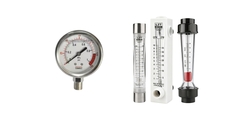
- 7. High-Pressure Instrumentation
- Monitoring Under Extreme Conditions
- 8. High-Pressure Seals and End Closures
- Often Overlooked, Always Critical
- Summary Table: Core Pressure Components in SWRO
- Conclusion
Introduction
Seawater reverse osmosis (SWRO) systems operate under the highest pressures found in commercial water treatment, typically reaching 55–70 bar (800–1,000 psi).
At these pressures, system design is no longer just about performance—it is about safety, reliability, and material integrity.
Every pressure-bearing component must be carefully selected, engineered, and integrated.
This article outlines the core pressure components that every seawater desalination RO system must include, and explains their functions, material requirements, and design considerations.
1. Seawater High-Pressure Pump
The Heart of the SWRO System
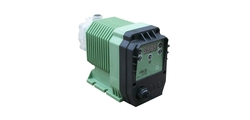
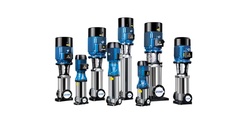
The high-pressure pump provides the driving force needed to overcome seawater’s high osmotic pressure.
Key characteristics:
•Operating pressure: 55–70 bar
•Continuous-duty design
•High hydraulic efficiency
•Resistance to chloride corrosion
Common materials:
•Duplex stainless steel (2205)
•Super duplex stainless steel (2507)
This pump represents one of the highest capital and maintenance costs in the system.
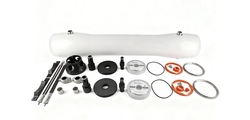
2. High-Pressure RO Membrane Pressure Vessels
Primary Pressure Containment for Membranes
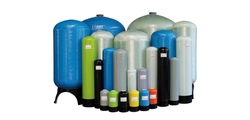
Pressure vessels house the RO membrane elements and must safely withstand:
•Continuous high internal pressure
•Pressure fluctuations during startup/shutdown
•Long-term exposure to saline environments
Typical specifications:
•Pressure rating: 1,000–1,200 psi
•Material: FRP (fiber-reinforced plastic) with epoxy resin
•Compliance: ASME, PED, or equivalent standards
Failure of a pressure vessel is catastrophic, making quality and certification essential.
3. Energy Recovery Device (ERD)
Pressure Reuse and Energy Optimization
In SWRO systems, the concentrate stream exits the membrane at nearly the same pressure as the feed.
The ERD captures this pressure and transfers it back to the incoming seawater.
Common ERD types:
•Isobaric pressure exchangers
•Turbochargers (less common today)
Benefits:
•Reduces energy consumption by 30–50%
•Lowers load on the high-pressure pump
•Improves overall system efficiency
Without an ERD, modern seawater desalination is economically impractical.
4. High-Pressure Piping and Manifolds
The Pressure Transmission Network
All piping between the high-pressure pump, membranes, and ERD must withstand extreme pressure and corrosion.
Material requirements:
•Duplex or super duplex stainless steel
•High-pressure rated flanges and fittings
•Precision welding and stress control
Improper piping design can lead to:
•Fatigue cracking
•Leakage
•Vibration-induced failures
5. High-Pressure Control Valves
Pressure Regulation and System Protection
Key valve types include:
•Concentrate control valves
•Pressure-regulating valves
•Automatic isolation valves
Design requirements:
•High-pressure rating
•Anti-cavitation trim
•Corrosion-resistant materials
These valves directly influence:
•System recovery rate
•Membrane loading
•Operational stability
6. Pressure Relief and Safety Valves
Last Line of Defense
Safety valves protect the system from:
•Sudden pressure spikes
•Valve misoperation
•Emergency shutdown scenarios
Typical installation points:
•Downstream of high-pressure pump
•Near membrane arrays
A properly sized relief valve is a mandatory safety requirement, not an optional accessory.
7. High-Pressure Instrumentation
Monitoring Under Extreme Conditions
Essential pressure-related instruments include:
•High-pressure gauges
•Pressure transmitters
•Differential pressure sensors
These instruments enable:
•Real-time system monitoring
•Early fault detection
•Automated system protection
In SWRO systems, instrument reliability is critical because small deviations can indicate serious problems.
8. High-Pressure Seals and End Closures
Often Overlooked, Always Critical
Components such as:
•O-rings
•End caps
•Locking rings
Must be:
•Pressure-rated
•Chemically compatible
•Precisely installed
Seal failure can cause:
•High-pressure leaks
•Sudden system shutdown
•Safety hazards for operators
Summary Table: Core Pressure Components in SWRO
|
Component |
Function |
|
High-pressure pump |
Provides driving pressure |
|
Pressure vessels |
Contain RO membranes |
|
Energy recovery device |
Reuses concentrate pressure |
|
High-pressure piping |
Transmits pressure safely |
|
Control valves |
Regulate pressure and recovery |
|
Safety valves |
Protect against overpressure |
|
Pressure instruments |
Monitor system stability |
|
Seals & end closures |
Maintain pressure integrity |
Conclusion
A seawater desalination RO system is fundamentally a high-pressure engineering system.
Its reliability and safety depend on the correct selection and integration of:
•High-pressure pumps
•Pressure vessels
•Energy recovery devices
•Piping, valves, seals, and instrumentation
Any weakness in these components can compromise system performance, operator safety, and project economics.
Understanding these core pressure components is essential for proper design, procurement, and long-term operation of SWRO plants.


Request More Information or Expert Advice
Share a few details, and we’ll provide deeper insights, tailored suggestions, or product support.
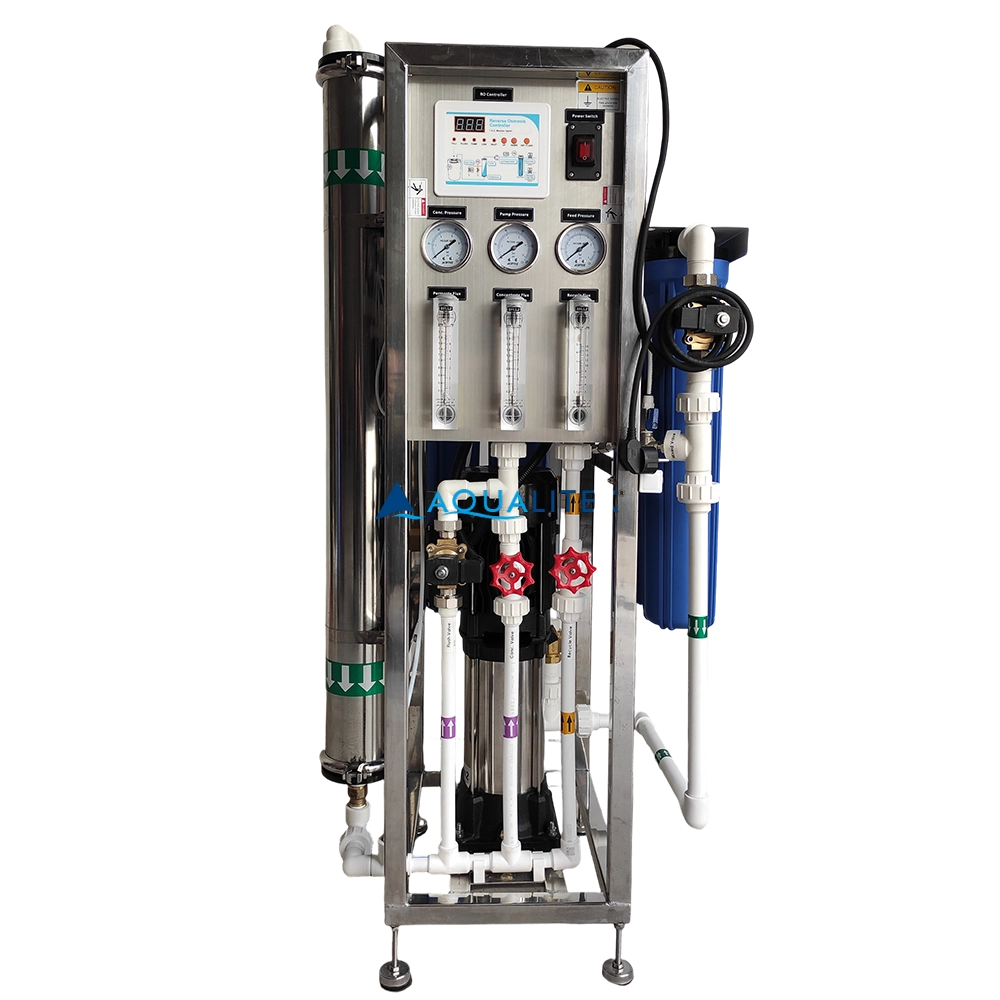
Our 500 LPH Reverse Osmosis (RO) System is engineered to provide high-quality purified water for commercial applications. Designed with advanced RO technology, durable components, and a user-friendly interface, this system ensures consistent performance, low maintenance, and long-term reliability.
With its compact design and robust skid-mounted frame, it’s an excellent choice for businesses that demand efficiency and quality in water purification.
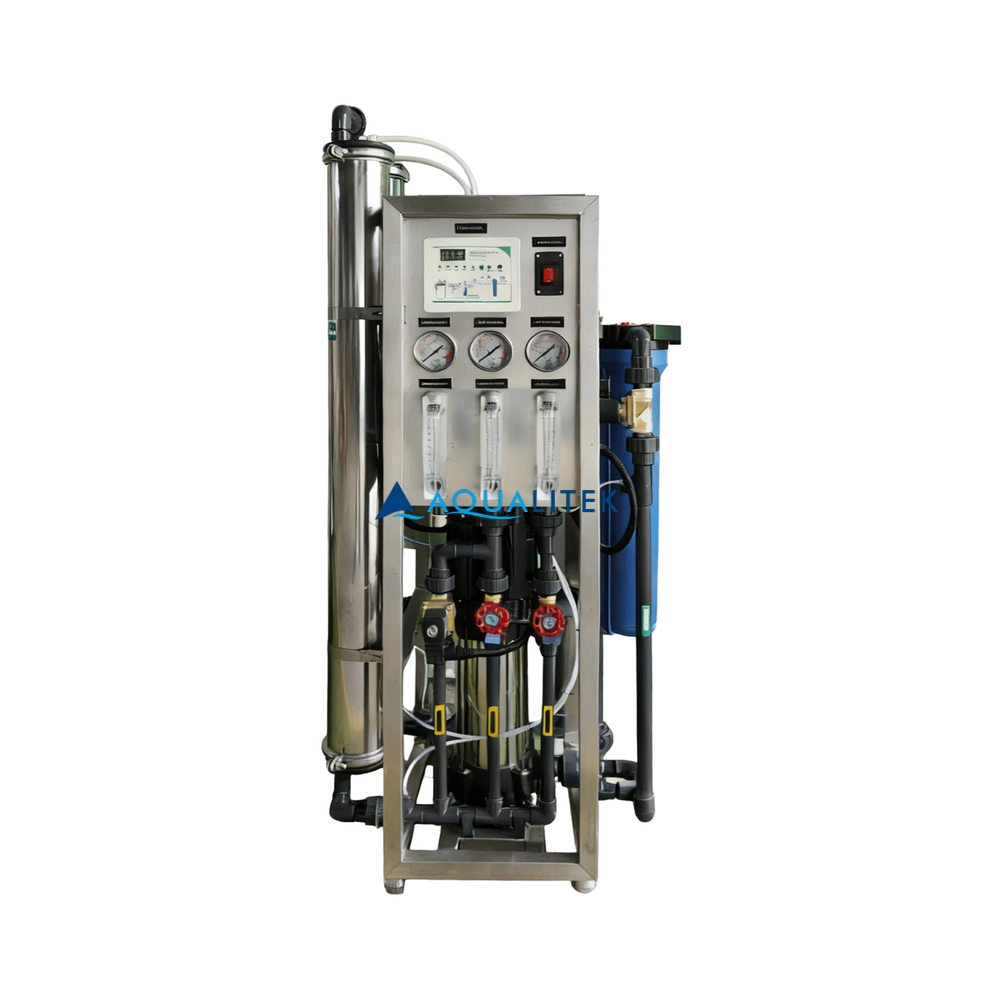
TWV series Reverse Osmosis (RO) systems are pre-engineered and pre-assembled units with 2.5”/4” membrane housings(single element type)for tap water(lower TDS).They are designed for overall superior performance, high recovery rates and offer great savings with low maintenance and operation costs.
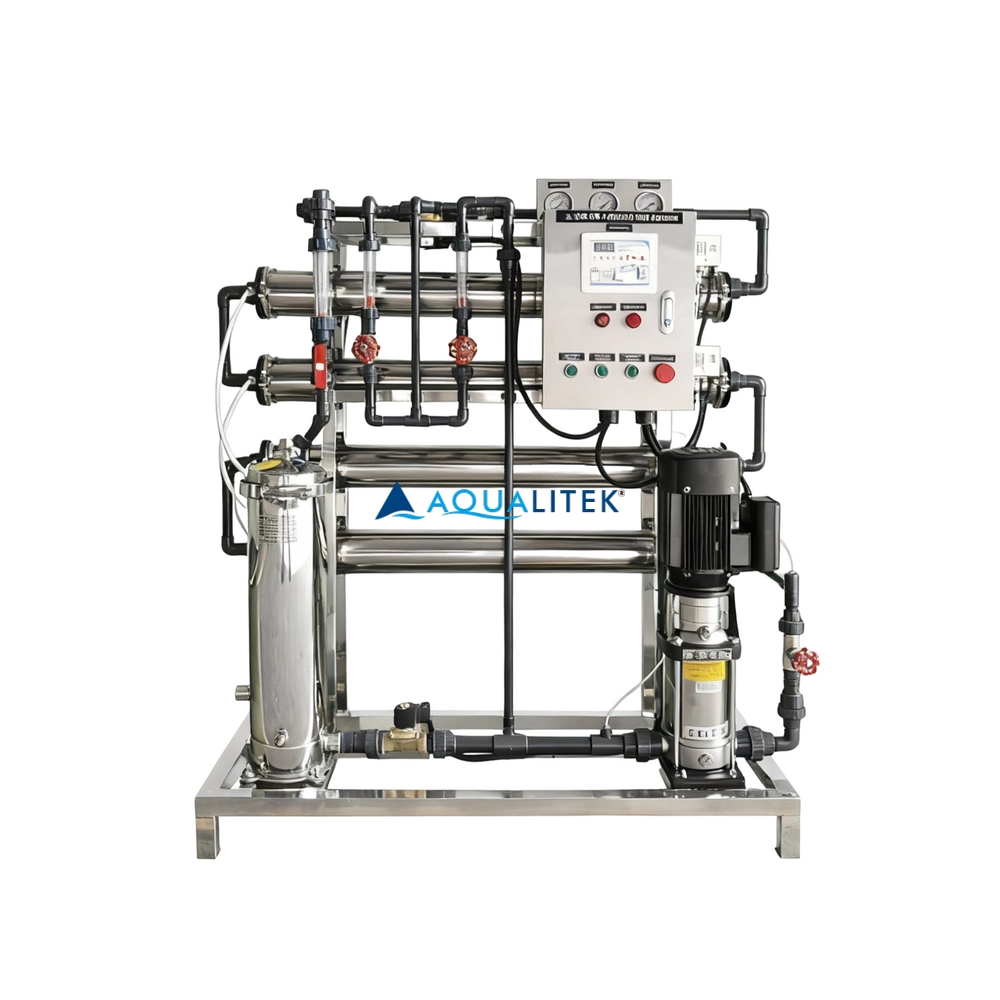
TWF series Reverse Osmosis (RO) systems are pre-engineered and pre-assembled units with 4” membrane housings(multiple elements type) for tap water(lower TDS) .The medium large volumes can help meet your a variety of commercial and industrial applications. They are designed for overall superior performance, high recovery rates and offer great savings with low maintenance and operation costs.

TWE series Reverse Osmosis (RO) systems are pre-engineered and pre-assembled units with 8” membrane housings for tap water (lower TDS). The large volumes can help meet your a variety of industrial applications. They are designed for overall superior performance, high recovery rates and offer great savings with low maintenance and operation costs.
© 2026 AQUALITEK. All rights reserved.
AQUALITEK- Aimee Hoo
AQUALITEK - Aimee Hoo