



Best Guide: How to Determine if an RO System Is Contaminated with Biological Substances—and How to Handle It| Insights by AQUALITEK
Biological contamination is one of the most common and damaging issues in industrial RO systems. It leads to rapid performance decline, biofouling, membrane clogging, higher differential pressure, and product water quality deterioration. This article explains how to identify biological contamination early and provides effective strategies to clean, control, and prevent it.
Introduction
RO membranes are highly sensitive to biological pollutants. When bacteria, algae, fungi, or biofilms enter the system—especially through pretreatment failures or warm stagnant water—they multiply rapidly and attach to membrane surfaces.
If not properly controlled, biological contamination can cause severe fouling, shorten membrane lifespan, and increase operating costs. Early detection and timely treatment are essential.
1. How to Determine if an RO System Has Biological Contamination
Biological fouling has some clear and measurable indicators. The following are the most reliable signs operators should monitor daily.
1.1 Rapid Increase in Differential Pressure (ΔP)
This is the most direct and common sign.
•ΔP across the membrane increases gradually or suddenly
•Pressure rise occurs mainly at the front stage
•System requires more pressure to maintain the same flow
Reason: Biofilm accumulates on the feed side, restricting flow.
1.2 Decrease in Permeate Flow, but Conductivity Remains Normal
Unlike scaling or chemical fouling, biological fouling:
•Reduces permeate output
•Does not significantly affect salt rejection in early stages
This is an important diagnostic difference.
1.3 Slippery or Gel-Like Material Found During Disassembly
When a membrane is removed, biological contamination is obvious:
•Slimy, gelatinous, sticky layers
•Typically transparent, white, yellow, or brown
•Sometimes foul odor
This confirms biofouling.
1.4 Sudden Fouling After Long Idle Time
Systems left idle with stagnant water—especially warm conditions—are prone to bacterial growth.
If ΔP rises quickly after startup, biological growth is highly likely.
1.5 High Bacterial Count in Feed Water
If pretreatment fails, bacteria easily enter the RO system.
Signs include:
•Increase in total bacteria count
•Poor performance of multimedia filter or activated carbon filter
•Malfunctioning dosing system (e.g., sodium bisulfite)
1.6 Unusual Odor in Concentrate or Permeate
Biological fouling may produce:
•Musty smell
•Rotting odor
•Earthy or fishy smells
This is often detected even before performance drops.
2. What Causes Biological Contamination in RO Systems?
Common reasons include:
•Activated carbon filters without regular sterilization
•Failure of chlorine residual control
•SBS overdosing (removes chlorine too early)
•Long-term stagnation of water
•Warm operating environments (>25°C)
•Poor CIP disinfection practice
•Incorrect preservation of spare membranes
Understanding the root cause prevents recurrence.
3. How to Handle Biological Contamination Effectively
Once biological fouling is suspected, prompt action is needed. The following steps provide a reliable and industry-standard approach.
3.1 Perform a Biological CIP (Chemical Cleaning)
Use a disinfectant-compatible cleaning solution such as:
•Alkaline detergent with surfactants (for organic + biofilm removal)
•Chlorine-free biocidal cleaner (compatible with polyamide RO membranes)
•Hydrogen peroxide (only in pretreatment, not RO membranes)
•Non-oxidizing biocides
Cleaning procedure:
1.Rinse RO system
2.Circulate cleaning solution for 30–60 minutes
3.Soak for 2–6 hours
4.Repeat circulation
5.Rinse thoroughly with RO permeate or softened water
Avoid oxidizing agents like chlorine at the RO stage—they permanently damage membranes.
3.2 Disinfect the Pretreatment System
Biofouling usually originates upstream.
Key steps:
•Sterilize multimedia and carbon filters
•Replace activated carbon if biofilm is severe
•Clean cartridge filter housings
•Flush pipelines with disinfectant
•Inspect SBS and chemical dosing systems
3.3 Increase Flushing Frequency
Frequent flushing reduces biofilm adhesion, especially in:
•Warm seasons
•Low-flow periods
•Systems with intermittent operation
3.4 Optimize Chlorine Control
Critical rules:
•Pretreatment requires stable residual chlorine
•RO membrane must never be exposed to chlorine
•Sodium bisulfite dosing must be accurate
•Online ORP monitoring is recommended
3.5 Lower Feed Water Temperature if Practical
Biological growth increases dramatically above 25°C.
3.6 Plan a Preventive Biocide Dosing Program
Industrial RO systems often dose:
•Isothiazolinone
•DBNPA
•Glutaraldehyde (upstream only)
Dosing is periodic—e.g., once weekly or biweekly.
3.7 Membrane Preservation for Long-Term Shutdown
If a system is idle for >24–48 hours:
•Apply a membrane storage solution (biocide-based)
•Avoid leaving the membrane wet but untreated
This prevents reinfection.
4. What Happens If Biological Contamination Is Not Addressed?
Consequences include:
•Rapid membrane fouling
•Permanent damage to membrane surface
•Higher operating pressure (energy cost rises)
•Membrane blockage leading to element replacement
•Poor permeate quality
•Shorter membrane lifespan
•Unscheduled downtime
In severe cases, entire RO trains must be cleaned or replaced.
Conclusion
Biological contamination is one of the fastest-growing threats to RO performance, but it is highly manageable with early detection, proper disinfection, and a strong preventive strategy. By monitoring ΔP, flow rate, and visual signs, operators can respond quickly and avoid severe operational losses.


Request More Information or Expert Advice
Share a few details, and we’ll provide deeper insights, tailored suggestions, or product support.
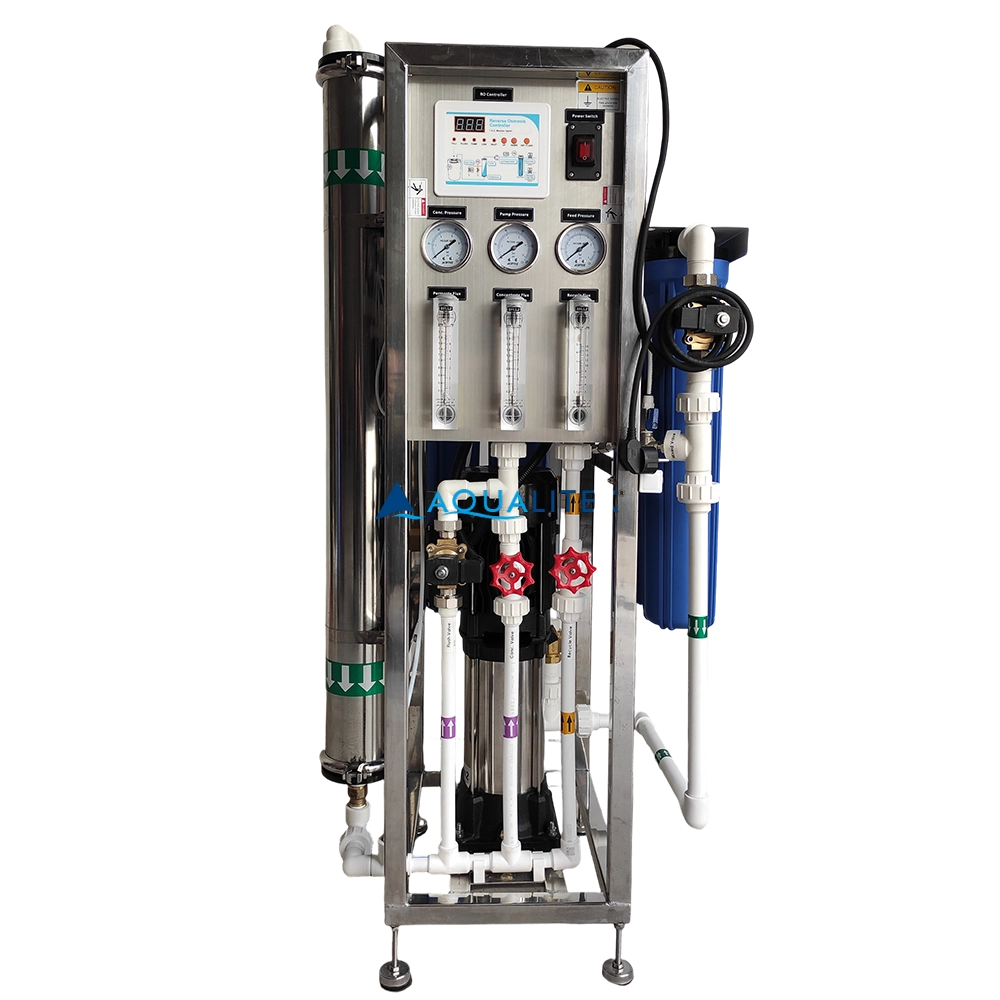
Our 500 LPH Reverse Osmosis (RO) System is engineered to provide high-quality purified water for commercial applications. Designed with advanced RO technology, durable components, and a user-friendly interface, this system ensures consistent performance, low maintenance, and long-term reliability.
With its compact design and robust skid-mounted frame, it’s an excellent choice for businesses that demand efficiency and quality in water purification.
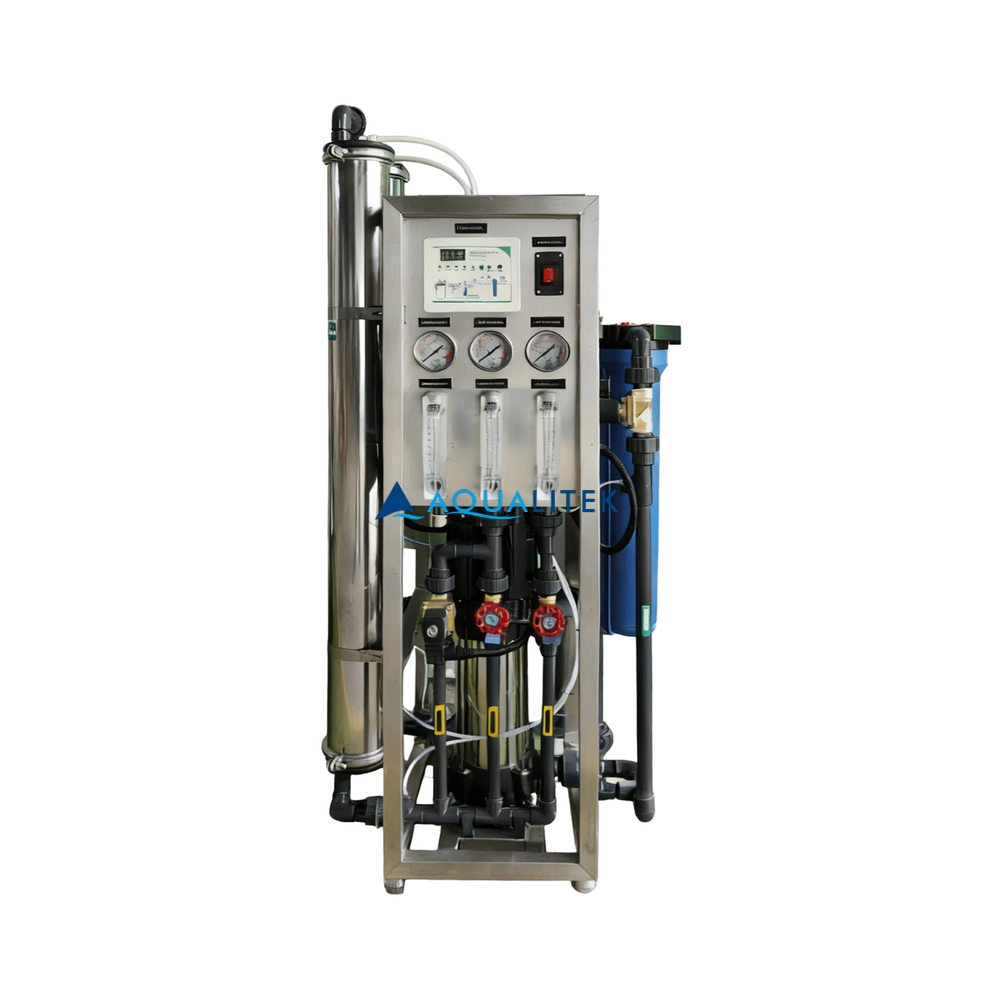
TWV series Reverse Osmosis (RO) systems are pre-engineered and pre-assembled units with 2.5”/4” membrane housings(single element type)for tap water(lower TDS).They are designed for overall superior performance, high recovery rates and offer great savings with low maintenance and operation costs.
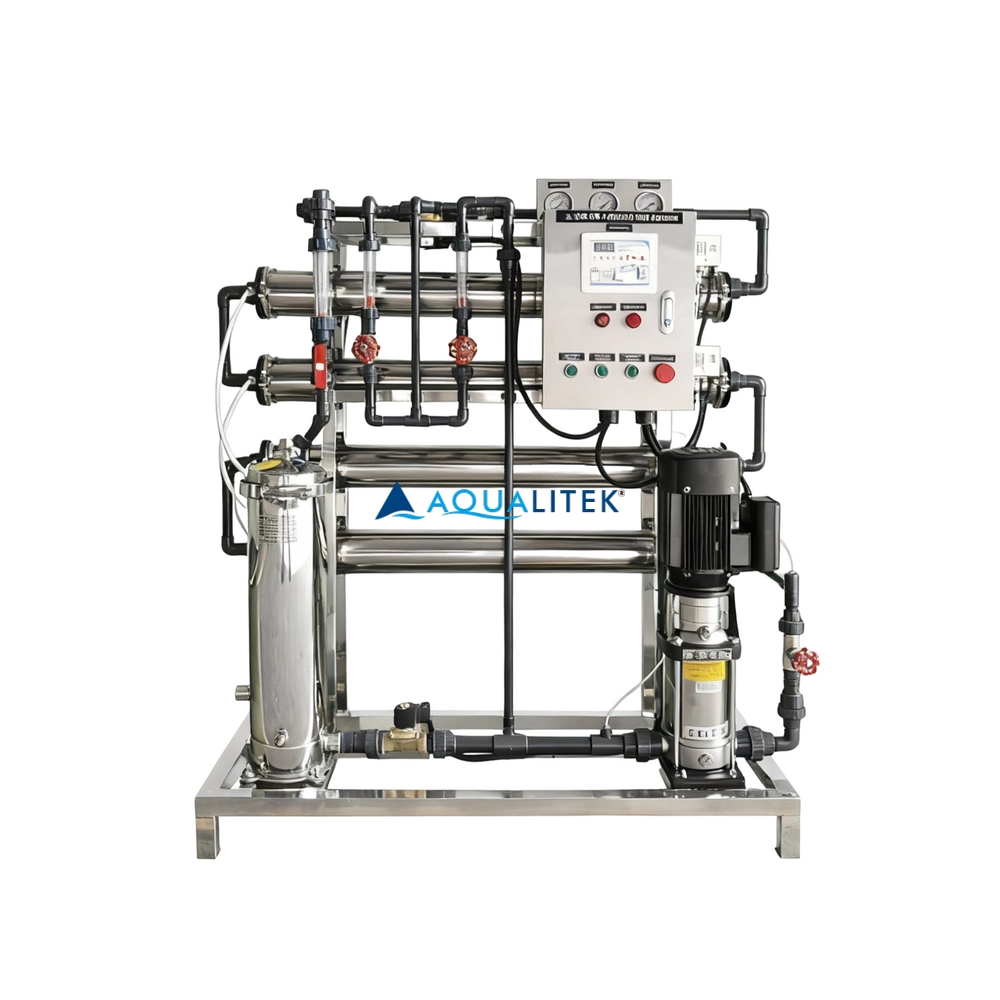
TWF series Reverse Osmosis (RO) systems are pre-engineered and pre-assembled units with 4” membrane housings(multiple elements type) for tap water(lower TDS) .The medium large volumes can help meet your a variety of commercial and industrial applications. They are designed for overall superior performance, high recovery rates and offer great savings with low maintenance and operation costs.

TWE series Reverse Osmosis (RO) systems are pre-engineered and pre-assembled units with 8” membrane housings for tap water (lower TDS). The large volumes can help meet your a variety of industrial applications. They are designed for overall superior performance, high recovery rates and offer great savings with low maintenance and operation costs.
© 2026 AQUALITEK. All rights reserved.
AQUALITEK- Aimee Hoo
AQUALITEK - Aimee Hoo