




How Long Do Seawater RO Membranes Last? Key Factors That Determine Membrane Lifespan | Best SWRO Maintenance Guide| Insights by AQUALITEK
How long do seawater RO membranes last? Learn the typical lifespan, key influencing factors, failure mechanisms, and best practices to extend membrane life in desalination systems.
- How Long Do Seawater RO Membranes Last? Key Factors That Determine Membrane Lifespan
- 1. Typical Lifespan of Seawater RO Membranes
- Real-World Operating Ranges:
- 2. Core Factors That Determine SWRO Membrane Lifespan
- 2.1 Feed Water Quality & Pretreatment Efficiency
- 2.2 Operating Recovery Rate
- 2.3 Operating Pressure & Flux Load
- 2.4 Fouling Types & Cleaning Strategy
- 2.5 Oxidant Exposure (Chlorine, Ozone, etc.)
- 3. Main Failure Mechanisms of SWRO Membranes
- 3.1 Fouling-Induced Irreversible Blockage
- 3.2 Oxidative Chemical Attack
- 3.3 Mechanical Fatigue & Compaction
- 3.4 Scaling-Induced Structural Damage
- 4. Key Indicators for Membrane End-of-Life Decision
- 5. How to Extend SWRO Membrane Lifespan (Best Practices)
- 5.1 Optimize Pretreatment System Design
- 5.2 Control Recovery Rate & Flux Load
- 5.3 Strict Oxidant Control
- 5.4 Intelligent CIP Strategy
- 5.5 Digital Performance Monitoring
- 6. Typical Lifecycle Cost Impact
- Conclusion
How Long Do Seawater RO Membranes Last? Key Factors That Determine Membrane Lifespan
Seawater reverse osmosis (SWRO) membranes are the core components of desalination systems. Their operational lifespan directly affects plant reliability, water production stability, operating cost, and return on investment (ROI).
So, how long do seawater RO membranes actually last? And what determines whether a membrane operates reliably for 3 years, 5 years, or even 10 years?
This article provides a comprehensive technical explanation of typical SWRO membrane lifespan, key degradation mechanisms, and best operational strategies to extend service life.
1. Typical Lifespan of Seawater RO Membranes
Under normal operating conditions, modern SWRO membranes generally last:
3–5 years (industry standard design life)
However, actual lifespan varies widely depending on:
•Feed seawater quality
•Pretreatment effectiveness
•Operating pressure and recovery
•Cleaning frequency
•Chemical control strategies
Real-World Operating Ranges:
|
Operating Condition |
Typical Lifespan |
|
Excellent pretreatment + stable operation |
3–5 years |
|
Standard industrial operation |
2–4 years |
|
Poor pretreatment / unstable operation |
1–2 years |
|
Severe fouling & scaling |
<1 years |
2. Core Factors That Determine SWRO Membrane Lifespan
2.1 Feed Water Quality & Pretreatment Efficiency
Pretreatment is the single most important factor controlling membrane longevity.
Key parameters include:
•SDI15 ≤ 3–5
•Turbidity ≤ 1 NTU
•Oil & grease < 1 mg/L
•Iron < 0.05 mg/L
•Silt, algae, bacteria: effectively removed
Poor pretreatment leads to:
•Rapid fouling
•Frequent chemical cleaning
•Accelerated membrane aging
2.2 Operating Recovery Rate
High recovery increases:
•Salt concentration
•Osmotic pressure
•Scaling risk
Typical SWRO recovery:
40–45% (single pass)
Excessively high recovery shortens membrane lifespan by:
•Increasing fouling velocity
•Promoting calcium carbonate and sulfate scaling
•Intensifying concentration polarization
2.3 Operating Pressure & Flux Load
Excessive transmembrane pressure and high permeate flux cause:
•Compaction of membrane structure
•Loss of salt rejection
•Permanent permeability decline
Design rule:
Operate membranes within manufacturer-recommended flux limits.
2.4 Fouling Types & Cleaning Strategy
Major fouling categories:
|
Fouling Type |
Impact on Membrane |
|
Biofouling |
Irreversible damage |
|
Organic fouling |
Flux loss |
|
Colloidal fouling |
Pressure increase |
|
Inorganic scaling |
Permanent blockage |
Frequent CIP cleaning:
•Restores flux
•But gradually damages membrane polymer
Over-cleaning reduces lifespan.
2.5 Oxidant Exposure (Chlorine, Ozone, etc.)
Polyamide RO membranes are extremely sensitive to oxidants.
Safe chlorine exposure:
< 0.01 mg/L (continuous)
Excess chlorine causes:
•Rapid polymer chain breakage
•Permanent salt rejection loss
•Irreversible membrane damage
3. Main Failure Mechanisms of SWRO Membranes
3.1 Fouling-Induced Irreversible Blockage
Persistent fouling compresses membrane pores and feed spacers, leading to:
•Permanent flux decline
•Increased pressure drop
•Uneven flow distribution
3.2 Oxidative Chemical Attack
Even brief oxidant exposure can cause:
•Instant loss of salt rejection
•Permanent membrane degradation
3.3 Mechanical Fatigue & Compaction
Long-term high-pressure operation leads to:
•Membrane compaction
•Reduced permeability
•Structural fatigue
3.4 Scaling-Induced Structural Damage
Crystallized scale embeds into membrane layers, resulting in:
•Mechanical tearing
•Permanent permeability loss
4. Key Indicators for Membrane End-of-Life Decision
Membrane replacement is typically considered when:
|
Indicator |
Threshold |
|
Normalized permeate flow decline |
≥ 25–30% |
|
Salt rejection loss |
≥ 10–15% |
|
Differential pressure rise |
≥ 50–100% |
|
Cleaning frequency |
≥ 1–2 times/month |
|
Energy consumption |
≥ 15–20% increase |
When multiple indicators occur simultaneously, full membrane replacement planning should begin.
5. How to Extend SWRO Membrane Lifespan (Best Practices)
5.1 Optimize Pretreatment System Design
•Dual media filtration
•Ultrafiltration (UF) pretreatment
•High-efficiency security filtration
5.2 Control Recovery Rate & Flux Load
•Maintain recovery ≤ 45%
•Operate within flux design range
5.3 Strict Oxidant Control
•Dechlorination with SMBS or AC filters
•Continuous ORP monitoring
5.4 Intelligent CIP Strategy
•Condition-based cleaning
•Avoid over-cleaning
•Use tailored chemical formulations
5.5 Digital Performance Monitoring
•Online normalization
•Predictive fouling diagnostics
•AI-based cleaning optimization
6. Typical Lifecycle Cost Impact
Membranes account for:
20–30% of total desalination OPEX
Extending membrane lifespan by just 1 year can reduce:
•Operating cost by 8–12%
•Downtime by 15–20%
Conclusion
The typical lifespan of seawater RO membranes is 5–7 years, but with optimized pretreatment, intelligent operation, and precise chemical control, membranes can reliably operate for 8–10 years.
In modern desalination engineering, membrane life optimization is one of the most powerful cost-control strategies, delivering substantial operational and economic benefits.



Request More Information or Expert Advice
Share a few details, and we’ll provide deeper insights, tailored suggestions, or product support.
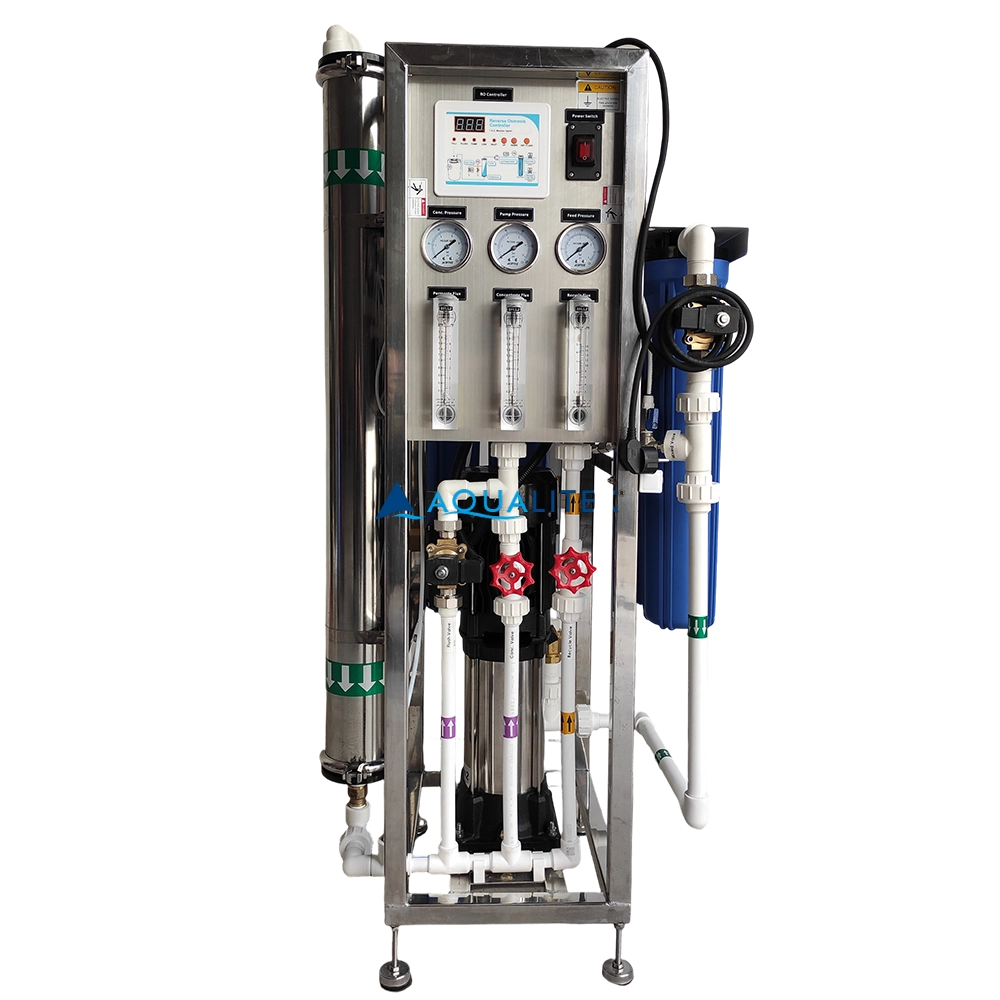
Our 500 LPH Reverse Osmosis (RO) System is engineered to provide high-quality purified water for commercial applications. Designed with advanced RO technology, durable components, and a user-friendly interface, this system ensures consistent performance, low maintenance, and long-term reliability.
With its compact design and robust skid-mounted frame, it’s an excellent choice for businesses that demand efficiency and quality in water purification.
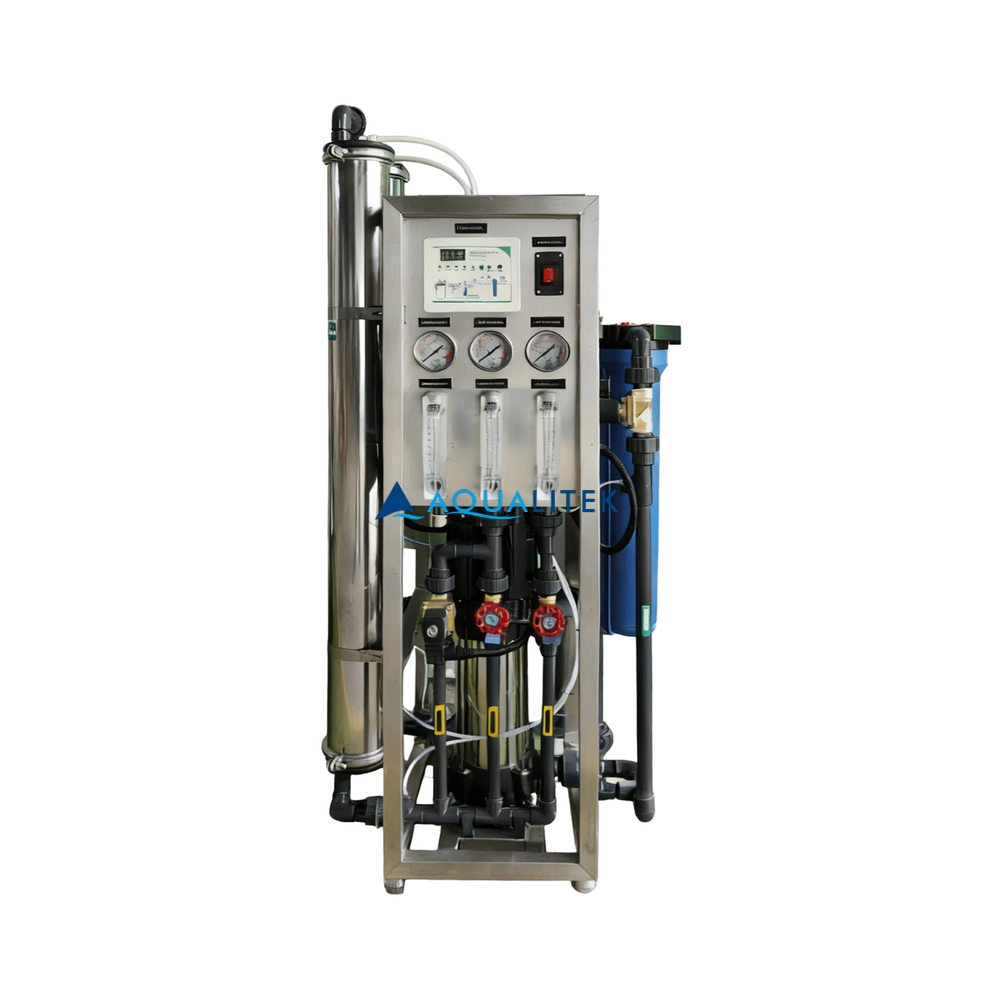
TWV series Reverse Osmosis (RO) systems are pre-engineered and pre-assembled units with 2.5”/4” membrane housings(single element type)for tap water(lower TDS).They are designed for overall superior performance, high recovery rates and offer great savings with low maintenance and operation costs.
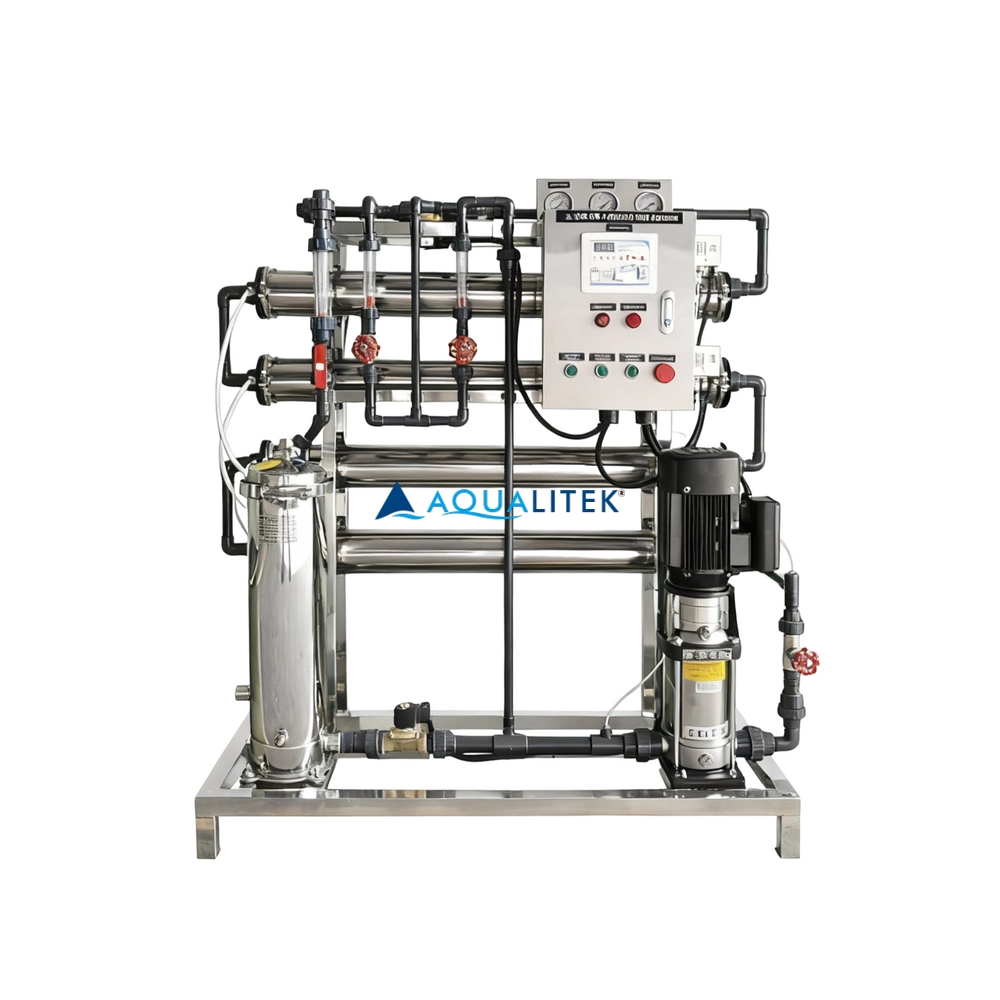
TWF series Reverse Osmosis (RO) systems are pre-engineered and pre-assembled units with 4” membrane housings(multiple elements type) for tap water(lower TDS) .The medium large volumes can help meet your a variety of commercial and industrial applications. They are designed for overall superior performance, high recovery rates and offer great savings with low maintenance and operation costs.

TWE series Reverse Osmosis (RO) systems are pre-engineered and pre-assembled units with 8” membrane housings for tap water (lower TDS). The large volumes can help meet your a variety of industrial applications. They are designed for overall superior performance, high recovery rates and offer great savings with low maintenance and operation costs.
© 2026 AQUALITEK. All rights reserved.
AQUALITEK- Aimee Hoo
AQUALITEK - Aimee Hoo