




What Operational Data Must Be Recorded Long-Term in RO Systems? (Professional Guide)| Insights by AQUALITEK
Learn the essential operational data that must be recorded long-term in RO (Reverse Osmosis) water treatment systems. This guide covers key indicators, why long-term logs matter, best practices, and expert tips for stable performance and predictive maintenance.
Introduction
Long-term operational data is the foundation of efficient RO (Reverse Osmosis) system management. Without continuous, consistent records, operators cannot diagnose issues, track system decline, plan maintenance, or optimize performance. For facilities aiming to minimize downtime and maximize membrane lifespan, proper data logging is not just recommended—it's mandatory.
In this Best-class guide, we detail the critical operational parameters that must be recorded long-term, explain their importance, and provide actionable insights for professional water treatment operations.
1. Feed Water Quality Data
Long-term feed water data helps operators detect upstream issues and identify trends that may affect membrane performance.
Key Parameters
•TDS (Total Dissolved Solids)
•Conductivity
•Turbidity / SDI (Silt Density Index)
•pH Level
•Temperature
•Residual Chlorine or Oxidants
•Hardness and Alkalinity
Why It Matters
•Predicts scaling and fouling risk
•Helps adjust pretreatment
•Supports membrane performance forecasting
2. System Pressures
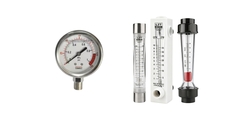
Pressure-related data shows the health of pretreatment equipment and membrane elements.
Key Parameters
•Feed pressure
•Boost pump pressure
•Concentrate (brine) pressure
•Permeate backpressure
Why It Matters
•Increases in feed pressure often indicate fouling or scaling
•Helps assess energy efficiency
•Supports decisions on cleaning intervals and membrane replacement
3. Flow Rates
Stable flow patterns reflect balanced system operation.
Key Parameters
•Feed flow rate
•Permeate flow rate
•Concentrate flow rate
Why It Matters
•Sudden drops may indicate membrane clogging
•Long-term decline signals irreversible fouling or membrane aging
•Supports recovery rate optimization
4. Differential Pressure (ΔP)
A primary early-warning indicator of fouling.
Key Parameters
•ΔP across the entire pressure vessel
•ΔP for each stage or bank
Why It Matters
•Detects localized fouling
•Helps prevent damage to membranes due to excessive pressure
•Critical for determining the timing of CIP (Clean-in-Place)
5. Permeate Quality
Monitoring product water quality reflects membrane integrity.
Key Parameters
•Permeate conductivity
•Permeate TDS
•Boron levels (if applicable)
•TOC (Total Organic Carbon)
Why It Matters
•Rising permeate conductivity indicates membrane deterioration
•Protects downstream storage and distribution
•Ensures compliance with drinking or process water standards
6. Temperature-Corrected Normalized Data
Normalization converts fluctuating raw data into comparable long-term performance metrics.
Key Parameters
•Normalized permeate flow
•Normalized salt rejection
•Normalized pressure
Why It Matters
•Eliminates the effect of temperature changes
•Provides true performance trends
•Required for accurate membrane performance analysis
7. Operational Events and Maintenance Logs
This qualitative data is equally important.
Examples
•CIP cleaning dates and results
•Membrane replacements
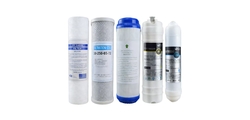
•Pretreatment filter changes
•Chemical dosing adjustments
•Equipment faults or alarms
Why It Matters
•Helps identify patterns between events and performance shifts
•Supports root-cause analysis
•Provides documentation for audits and compliance
8. Chemical Dosing Records
Proper chemical dosing is crucial for membrane protection.
Key Parameters
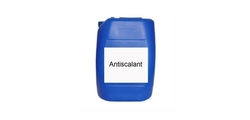
•Antiscalant dosage
•pH adjustment chemicals
•Sodium bisulfite (SBS) for dechlorination
•Coagulants (if applicable)
Why It Matters
•Prevents overdosing or underdosing
•Ensures safe membrane conditions
•Helps correlate dosing changes with performance trends
Conclusion
Long-term data recording is an essential practice for RO system reliability. Consistently capturing pressures, flows, quality metrics, and maintenance activities helps operators make data-driven decisions, prevent failures, and prolong membrane lifespan.
For professional water treatment operations, long-term historical logs are not optional—they’re the backbone of efficient system management.



Request More Information or Expert Advice
Share a few details, and we’ll provide deeper insights, tailored suggestions, or product support.
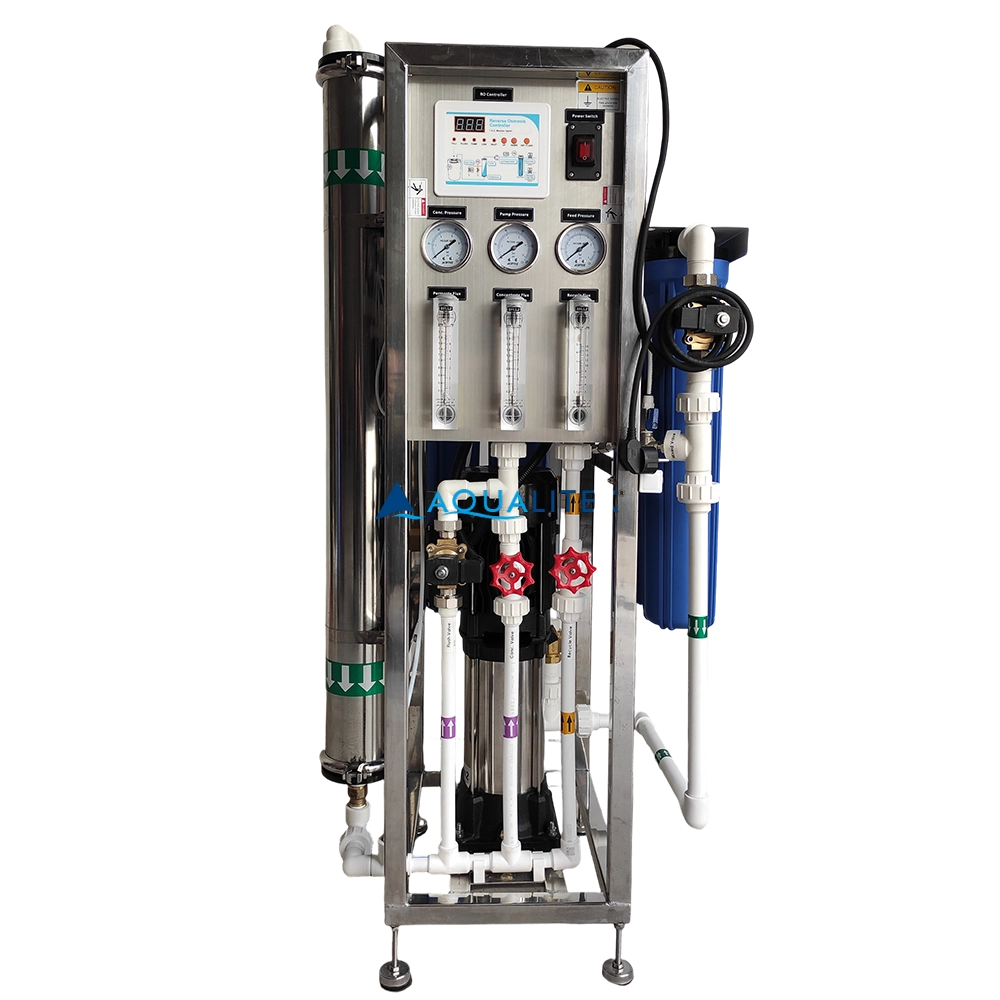
Our 500 LPH Reverse Osmosis (RO) System is engineered to provide high-quality purified water for commercial applications. Designed with advanced RO technology, durable components, and a user-friendly interface, this system ensures consistent performance, low maintenance, and long-term reliability.
With its compact design and robust skid-mounted frame, it’s an excellent choice for businesses that demand efficiency and quality in water purification.
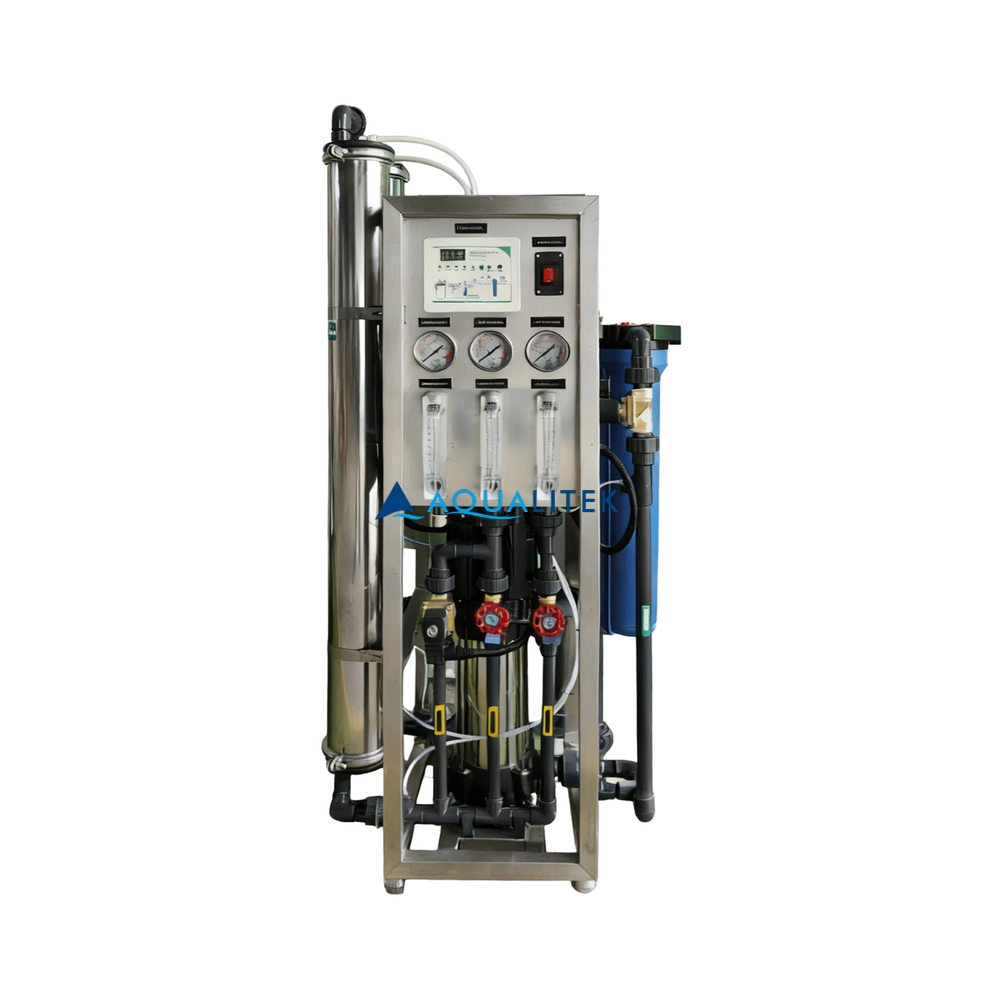
TWV series Reverse Osmosis (RO) systems are pre-engineered and pre-assembled units with 2.5”/4” membrane housings(single element type)for tap water(lower TDS).They are designed for overall superior performance, high recovery rates and offer great savings with low maintenance and operation costs.
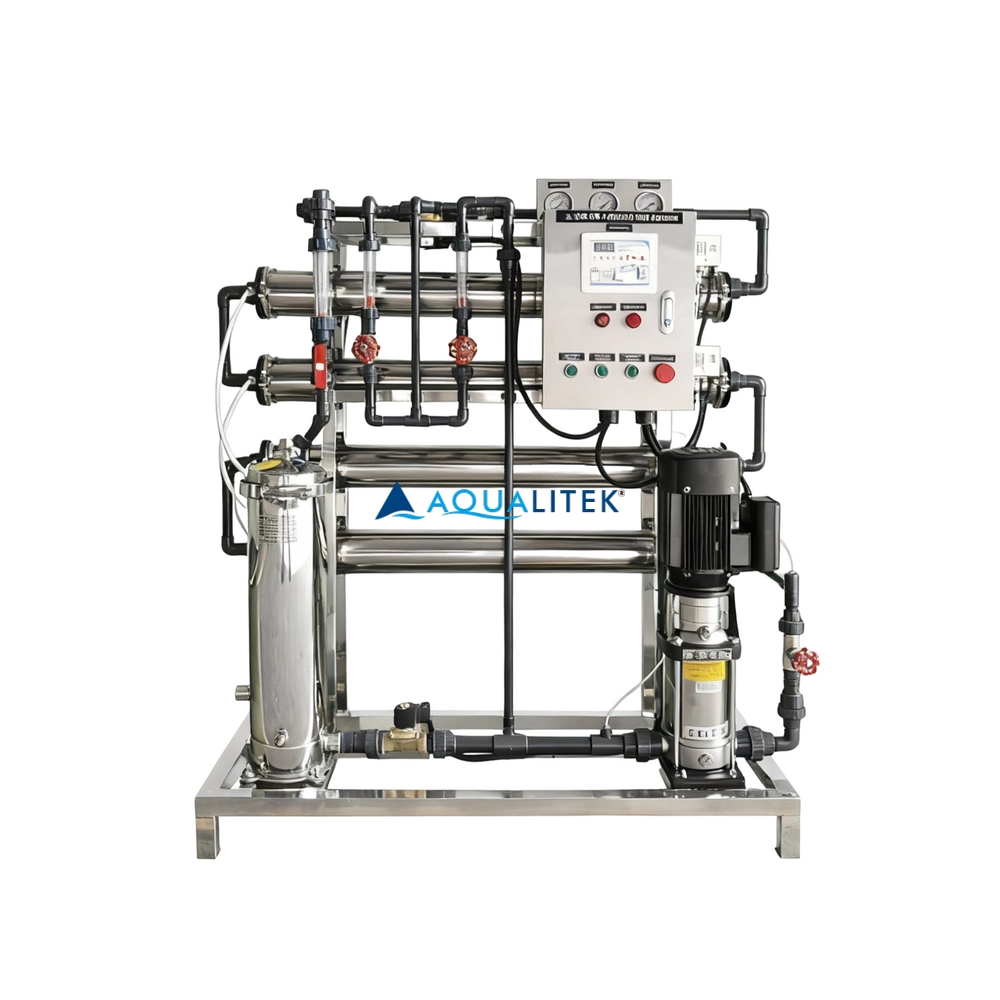
TWF series Reverse Osmosis (RO) systems are pre-engineered and pre-assembled units with 4” membrane housings(multiple elements type) for tap water(lower TDS) .The medium large volumes can help meet your a variety of commercial and industrial applications. They are designed for overall superior performance, high recovery rates and offer great savings with low maintenance and operation costs.

TWE series Reverse Osmosis (RO) systems are pre-engineered and pre-assembled units with 8” membrane housings for tap water (lower TDS). The large volumes can help meet your a variety of industrial applications. They are designed for overall superior performance, high recovery rates and offer great savings with low maintenance and operation costs.
© 2026 AQUALITEK. All rights reserved.
AQUALITEK- Aimee Hoo
AQUALITEK - Aimee Hoo