




Which Small Component Must Be Checked When Replacing a Membrane Element? (Professional RO Guide)| Insights by AQUALITEK
Learn the most important small component that must be inspected when replacing RO membrane elements. This expert guide explains why the interconnector and seals matter, how failures occur, and best practices to ensure leak-free system performance.
- Introduction
- 1. The Critical Small Component: The Interconnector (and Its O-Rings)
- 2. Why the Interconnector and O-Rings Are So Important
- 3. What to Check During Membrane Replacement
- (1) Check Interconnector Condition
- (2) Inspect O-Rings Carefully
- (3) Lubricate O-Rings Properly
- (4) Confirm Brine Seal Orientation
- (5) Clean and Inspect the Pressure Vessel
- 4. Best Practices to Avoid Installation Issues
- (1) Use Manufacturer-Approved Parts
- (2) Replace O-Rings Every Time
- (3) Label and Document Every Replacement
- (5) Train Operators in Proper Installation Techniques
- Conclusion
Introduction
When replacing RO (Reverse Osmosis) membrane elements, operators often focus on the membrane itself but overlook a small part that plays an absolutely critical role. This component is essential for maintaining sealing integrity and ensuring that water flows through the membrane instead of bypassing it. A single mistake can cause severe permeate quality deterioration, system instability, or even complete performance failure.
This Best-class article explains what small component must be checked, why it matters, and how to handle it properly during membrane replacement.
1. The Critical Small Component: The Interconnector (and Its O-Rings)
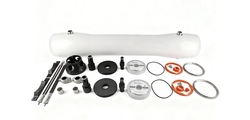
The interconnector, also known as the coupler or brine seal interconnector, is the small but essential component that connects adjacent RO membrane elements inside a pressure vessel.
Main Parts to Check
•Interconnector / Coupler
•O-rings on both ends of the interconnector
•Brine seal (also called the anti-telescoping device seal)
These components form the proper hydraulic connection between elements and prevent water from bypassing the membrane.
2. Why the Interconnector and O-Rings Are So Important
Even though the interconnector is small, it has an outsized impact on system performance.
If the interconnector or O-rings fail:
•Feed water bypasses the membrane element
•Permeate quality drops sharply
•Salt rejection decreases
•Differential pressure becomes unstable
•Flow distribution between stages becomes uneven
•Membrane telescoping or element damage may occur
A missing or damaged interconnector can even result in system shutdowns and costly troubleshooting.
3. What to Check During Membrane Replacement
(1) Check Interconnector Condition
•Ensure it is not cracked or worn
•Confirm it matches the correct type and size
•Avoid mixing interconnector brands from different membrane manufacturers
(2) Inspect O-Rings Carefully
•Check for cuts, scratches, deformation, or chemical swelling
•Ensure elasticity is still good
•Replace O-rings when in doubt—cheap to replace, costly to overlook
(3) Lubricate O-Rings Properly
•Use only approved food-grade silicone lubricant
•Do NOT use petroleum-based lubricants (damaging to membranes)
(4) Confirm Brine Seal Orientation
•Brine seal must face the feed inlet
•Misorientation causes immediate bypass and failure
(5) Clean and Inspect the Pressure Vessel
•Remove debris, dirt, or leftover lubricant
•Check internal surfaces for scratches or cracks
4. Best Practices to Avoid Installation Issues
(1) Use Manufacturer-Approved Parts
Membrane manufacturers design interconnectors and seals specifically for their element dimensions. Using unmatched components increases failure risk.
(2) Replace O-Rings Every Time
They are inexpensive, and a fresh seal eliminates leak risks.
(3) Label and Document Every Replacement
Record:
•Installation date
•Membrane brand/model
•Interconnector and brine seal condition
•Installation operator
This supports long-term maintenance tracking.
(5) Train Operators in Proper Installation Techniques
Many bypass failures result from improper installation rather than part failure.
Conclusion
When replacing RO membrane elements, the interconnector and its O-rings are the most important small components that must be checked. Though small in size, they are critical for ensuring proper sealing, preventing bypass, and maintaining system efficiency. Thorough inspection and correct installation of these parts directly influence water quality, membrane lifespan, and overall system stability.
By giving attention to these essential components, operators can avoid costly troubleshooting and maintain optimal RO system performance.


Request More Information or Expert Advice
Share a few details, and we’ll provide deeper insights, tailored suggestions, or product support.
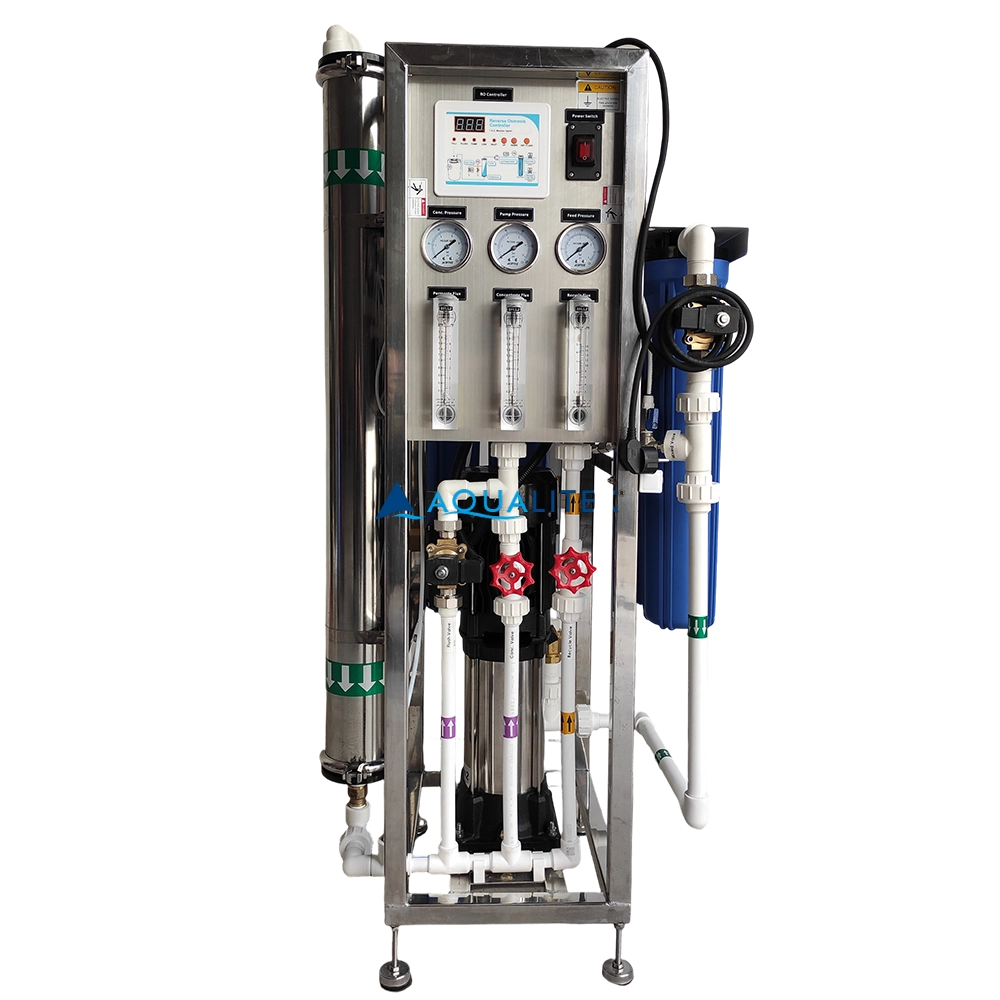
Our 500 LPH Reverse Osmosis (RO) System is engineered to provide high-quality purified water for commercial applications. Designed with advanced RO technology, durable components, and a user-friendly interface, this system ensures consistent performance, low maintenance, and long-term reliability.
With its compact design and robust skid-mounted frame, it’s an excellent choice for businesses that demand efficiency and quality in water purification.
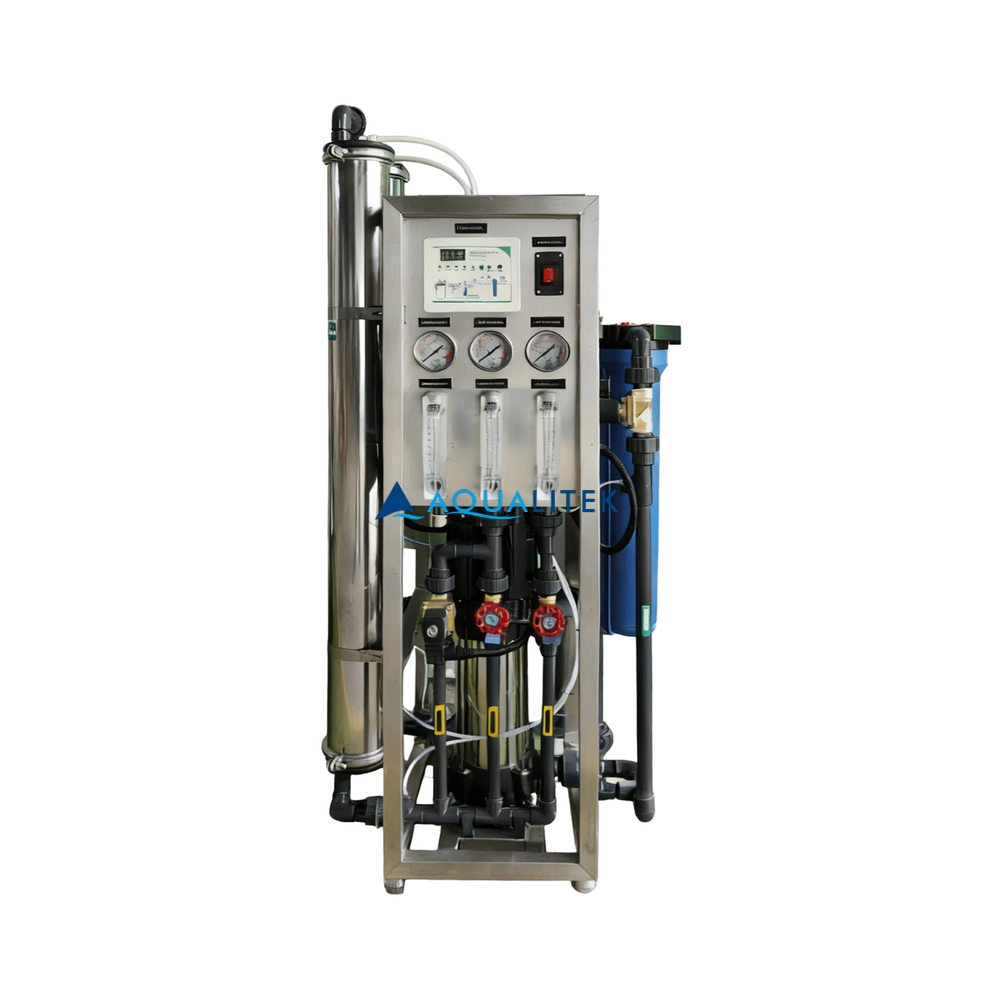
TWV series Reverse Osmosis (RO) systems are pre-engineered and pre-assembled units with 2.5”/4” membrane housings(single element type)for tap water(lower TDS).They are designed for overall superior performance, high recovery rates and offer great savings with low maintenance and operation costs.
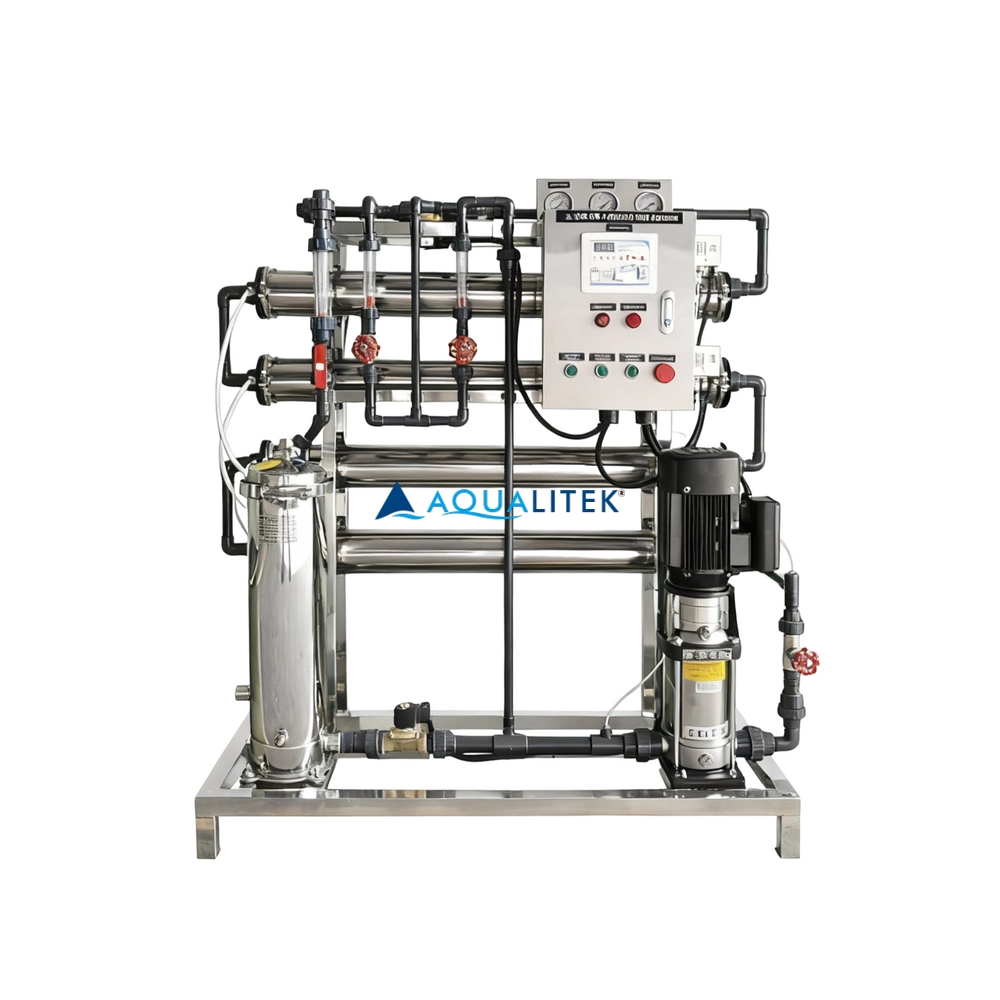
TWF series Reverse Osmosis (RO) systems are pre-engineered and pre-assembled units with 4” membrane housings(multiple elements type) for tap water(lower TDS) .The medium large volumes can help meet your a variety of commercial and industrial applications. They are designed for overall superior performance, high recovery rates and offer great savings with low maintenance and operation costs.

TWE series Reverse Osmosis (RO) systems are pre-engineered and pre-assembled units with 8” membrane housings for tap water (lower TDS). The large volumes can help meet your a variety of industrial applications. They are designed for overall superior performance, high recovery rates and offer great savings with low maintenance and operation costs.
© 2026 AQUALITEK. All rights reserved.
AQUALITEK- Aimee Hoo
AQUALITEK - Aimee Hoo