



Best Safety Precautions for Disassembling RO Membrane Housing End Plates| Insights by AQUALITEK
Learn the essential safety precautions required when disassembling RO membrane housing end plates. This guide covers risks, step-by-step protective measures, and best practices to ensure safe, efficient RO system maintenance.
- Introduction
- Why Safety is Critical When Removing RO End Plates
- 1. Verify That System Pressure Is Fully Released
- 2. Disconnect All Electrical and Control Components
- 3. Drain the Membrane Housing Thoroughly
- 4. Use Proper Personal Protective Equipment (PPE)
- 5. Loosen End Plate Bolts Gradually and Evenly
- 6. Stand to the Side, Not Directly in Front of the End Plate
- 7. Gently Pry the End Plate, Never Strike It
- 8. Label and Protect All O-Rings and Sealing Surfaces
- 9. Support the Membrane Element During Removal
- Conclusion
Introduction
In reverse osmosis (RO) systems, the membrane housing is responsible for containing membrane elements under extremely high operating pressures—often 150 to 1,000 psi depending on system design. When technicians need to remove or replace membranes, one of the most critical steps is safely disassembling the end plates (also known as end caps or thrust rings). Without proper precautions, serious accidents can occur, including sudden high-pressure release, injury from flying components, or damage to the vessel itself.
This Best-class article explains the most important safety measures that must be observed before and during end plate disassembly.
Why Safety is Critical When Removing RO End Plates
RO membrane housings are designed to hold water at very high pressures. If residual pressure remains in the housing, even a partially loosened end plate can become a dangerous projectile. Incorrect handling can also damage seals, O-rings, or fiberglass surfaces, causing leaks or structural failure.
To avoid these risks, strict procedures must be followed.
1. Verify That System Pressure Is Fully Released
Before touching any end plate:
•Shut down the RO system completely
•Close inlet and outlet valves
•Open the pressure release valve
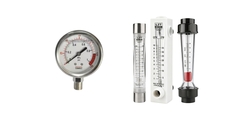
•Confirm zero pressure on pressure gauges
•Wait for all residual internal pressure to escape
Even low residual pressure can cause the end plate to eject suddenly.
2. Disconnect All Electrical and Control Components
If the membrane housing has:
•Conductivity sensors
•End-mounted switches
•Permeate port sensors
Disconnect these components to prevent accidental electrical hazards or cable damage during removal.
3. Drain the Membrane Housing Thoroughly
Standing water inside the vessel increases internal force and can push against the end plate. Always:
•Open the drain valve
•Allow complete drainage
•Confirm no backflow from adjacent vessels in a series
This stabilizes internal pressure and makes disassembly safer.
4. Use Proper Personal Protective Equipment (PPE)
Technicians should wear:
•Safety goggles
•Cut-resistant gloves
•Protective clothing
•Anti-slip safety shoes
Fiberglass edges can be sharp, and unexpected movement may occur during removal.
5. Loosen End Plate Bolts Gradually and Evenly
For vessels with bolted end plates:
•Loosen bolts in a star pattern
•Only half-turn at a time
•Maintain even pressure to avoid twisting forces
Never remove one bolt completely before loosening the others—this can cause uneven stress and plate ejection.
6. Stand to the Side, Not Directly in Front of the End Plate
When loosening the retaining ring or bolts:
•Always position yourself off-axis
•Keep your face and torso out of the line of potential release
This minimizes risk if an unexpected pressure release occurs.
7. Gently Pry the End Plate, Never Strike It
Use:
•Plastic wedges
•Non-metallic pry tools
Avoid metal tools or hammering, which can crack fiberglass or damage O-ring sealing surfaces.
8. Label and Protect All O-Rings and Sealing Surfaces
When removing the end plate:
•Inspect for damage
•Lubricate O-rings
•Keep components clean
•Do not place end plates on abrasive surfaces
Damage to these parts can cause post-maintenance leaks or system failure.
9. Support the Membrane Element During Removal
Membrane elements can be heavy and slippery. Use:
•Membrane pullers
•Two-person handling if needed
Dropping a membrane can damage both the element and the vessel interior.
Conclusion
Disassembling RO membrane housing end plates is a high-risk maintenance task that demands strict adherence to safety protocols. By ensuring complete depressurization, correct tool usage, proper PPE, and careful handling of seals and components, technicians can prevent accidents and ensure the RO system remains reliable and secure.
Following the Best practices above ensures a safe, efficient, and professionally executed maintenance procedure.


Request More Information or Expert Advice
Share a few details, and we’ll provide deeper insights, tailored suggestions, or product support.
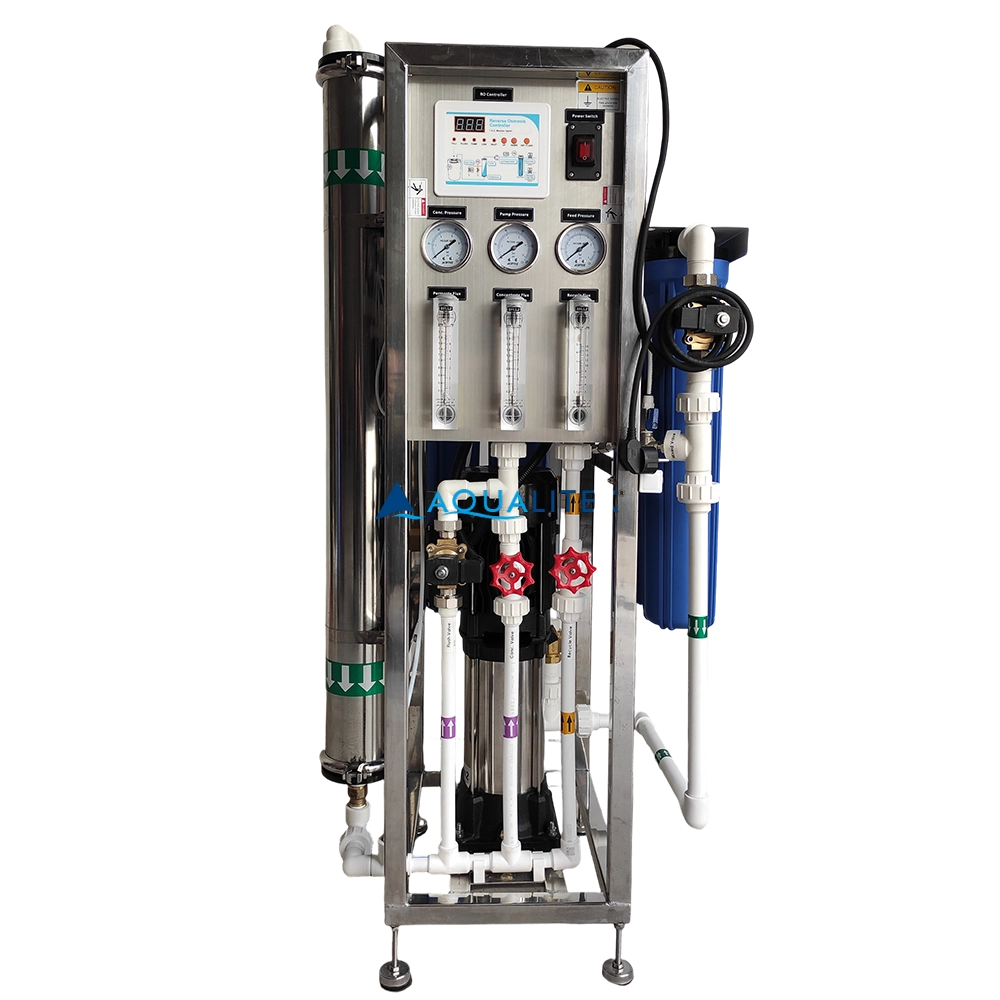
Our 500 LPH Reverse Osmosis (RO) System is engineered to provide high-quality purified water for commercial applications. Designed with advanced RO technology, durable components, and a user-friendly interface, this system ensures consistent performance, low maintenance, and long-term reliability.
With its compact design and robust skid-mounted frame, it’s an excellent choice for businesses that demand efficiency and quality in water purification.
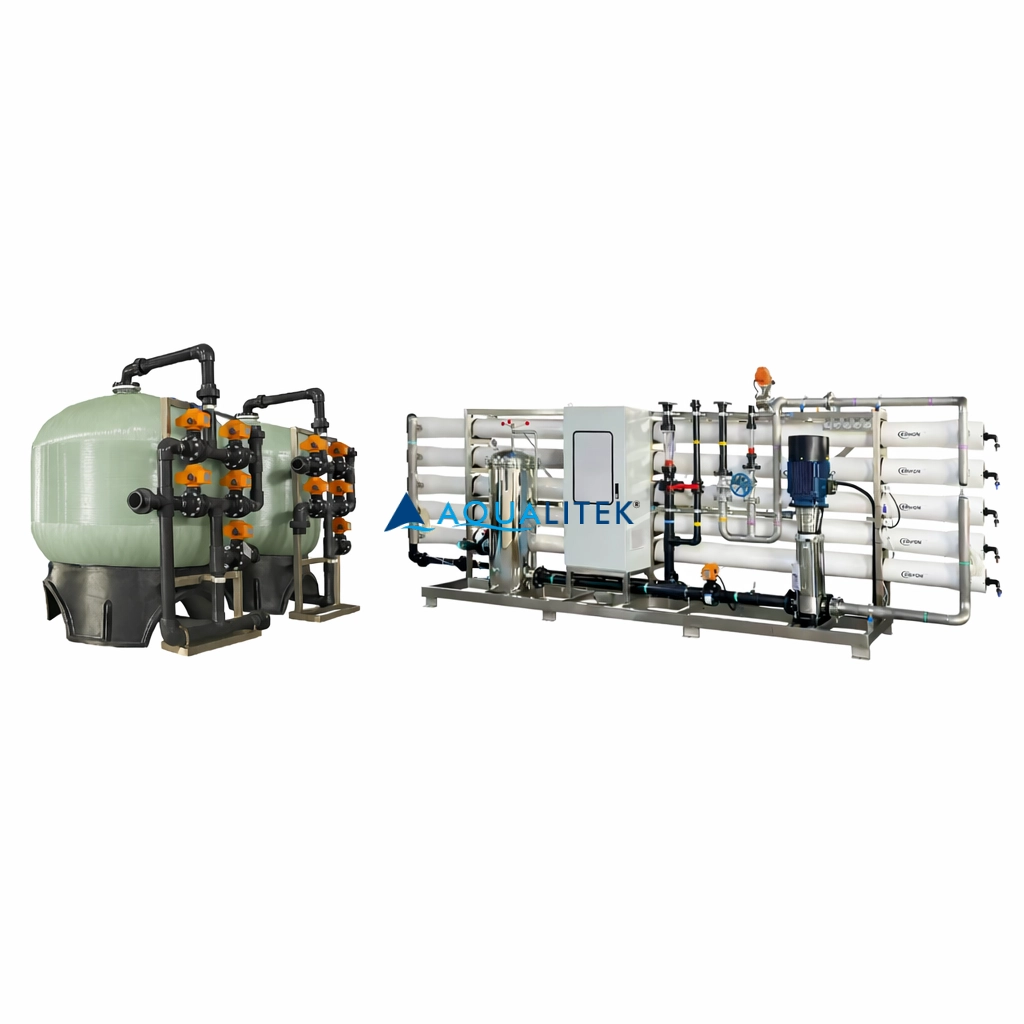
30TPH Industrial Reverse Osmosis (RO) System designed for industrial and municipal water treatment. High salt rejection, energy-efficient design, PLC control, and customizable configuration.
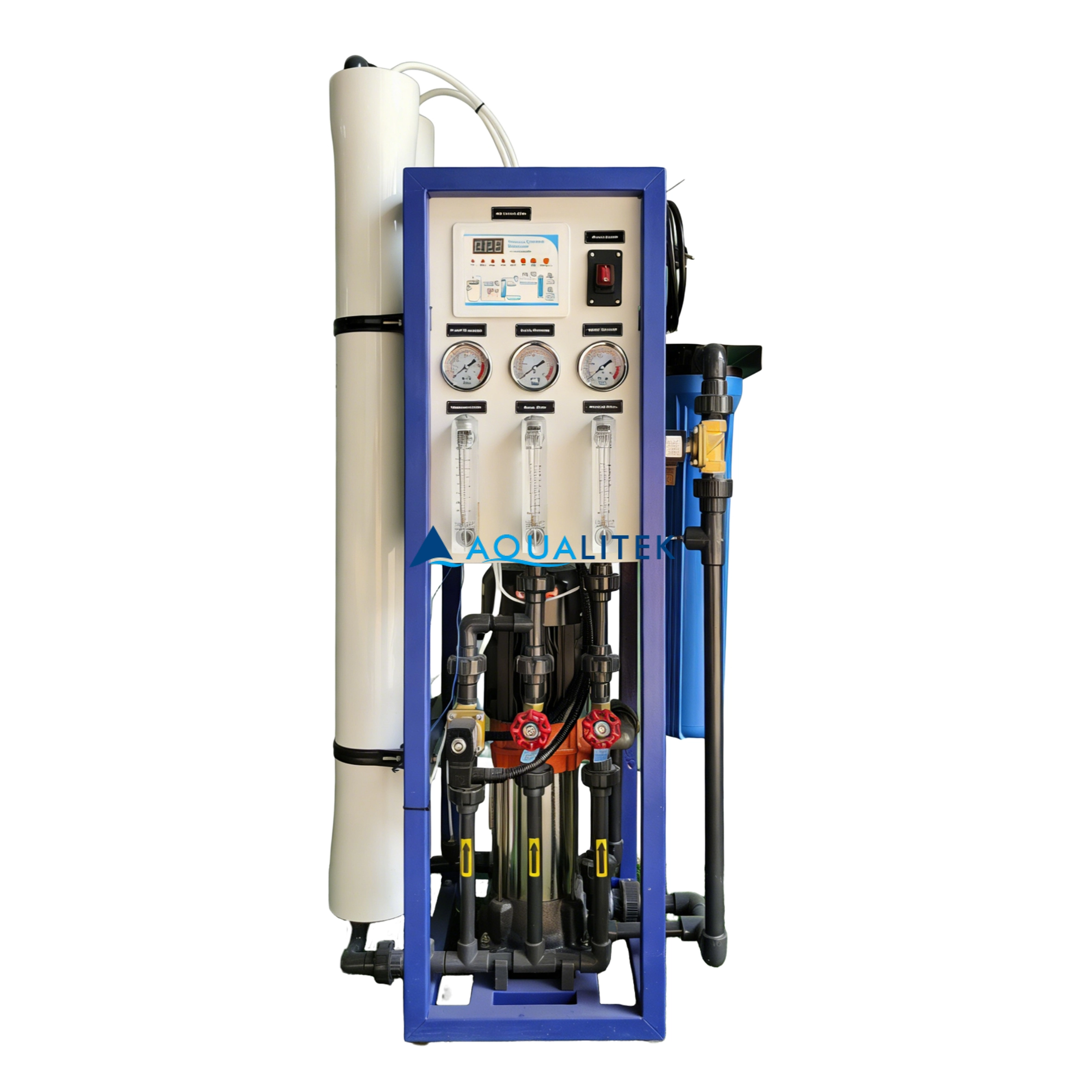
AQUALITEK's 500LPH Panel Mounted Reverse Osmosis Water Purification System delivers reliable 500 LPH RO water production. This compact industrial reverse osmosis unit is ideal for small scale industrial RO needs, ensuring efficient and high-quality purified water in a space-saving design.
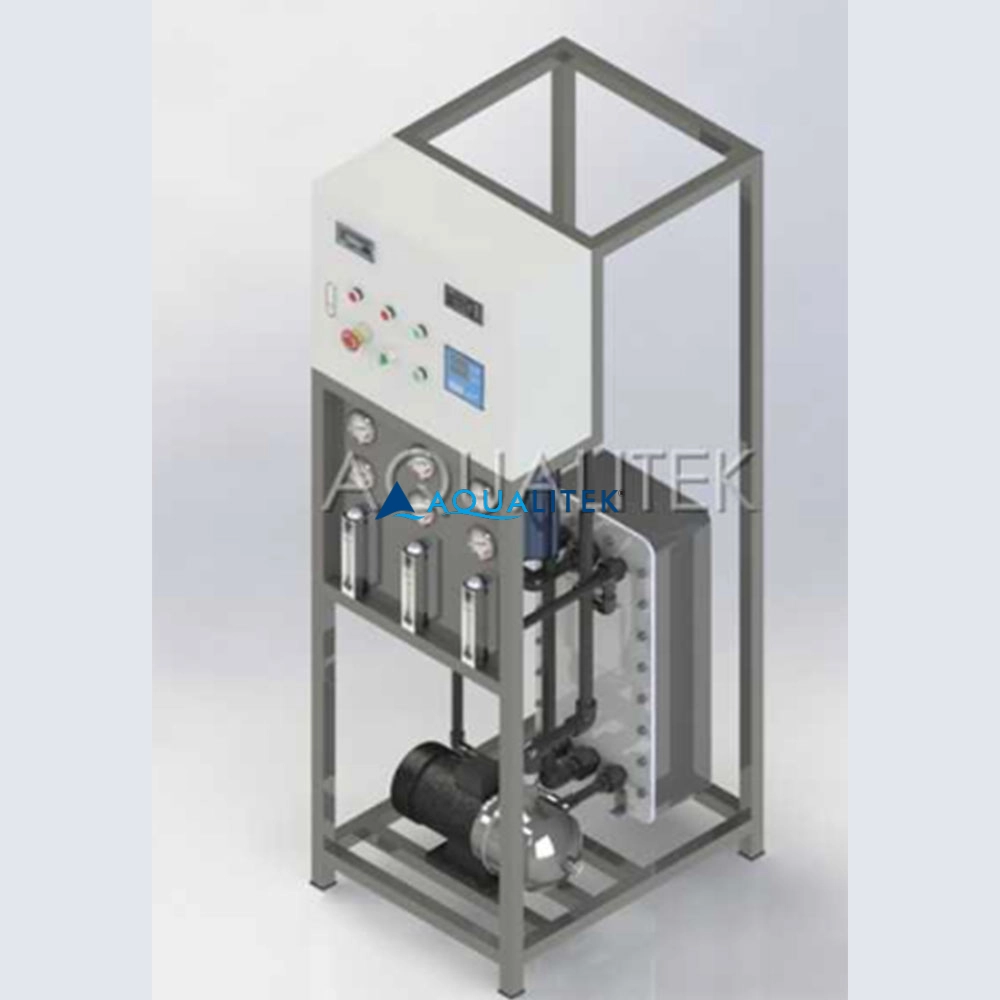
Electrodeionization (EDI) system is an advanced water purification technology that combines ion exchange and electrochemical processes to produce ultra-pure water. Unlike traditional deionization methods, which rely on chemical regeneration, EDI utilizes electric fields to drive the movement of ions through ion-exchange membranes, effectively removing dissolved salts and other ionic contaminants.
This process is continuous and does not require the use of chemicals for regeneration, making it an environmentally friendly and cost-effective solution for producing high-quality deionized water. EDI systems are widely used in applications requiring ultrapure water, such as in the pharmaceutical, semiconductor, power generation, and biotechnology industries, as well as for laboratory use.
By offering high-purity water without the need for chemical regeneration, EDI systems provide a sustainable, efficient, and reliable alternative to traditional deionization methods, making them an ideal choice for industries where water quality and process control are critical.
© 2026 AQUALITEK. All rights reserved.
AQUALITEK- Aimee Hoo
AQUALITEK - Aimee Hoo