




Why Can’t Seawater RO Permeate Be Used Directly as Drinking Water?| Insights by AQUALITEK
Seawater RO produces ultra-pure water, but it cannot be consumed directly. Learn why remineralization and pH adjustment are essential for safe and healthy drinking water.
- Introduction
- 1. Seawater RO Permeate Is Too Low in Minerals
- 1.1 Near-Zero Mineral Content
- 1.2 Minerals Are Essential for Human Health
- 2. RO Permeate Has Unstable and Low pH
- 2.1 Natural Acidity of RO Water
- 2.2 Corrosion Risk in Distribution Systems
- 3. Poor Taste and Mouthfeel
- 3.1 Flat and Unpleasant Taste
- 3.2 Consumer Acceptance Matters
- 4. Drinking Water Regulations Do Not Accept Pure RO Water
- 4.1 Minimum Water Quality Standards
- 5. Remineralization: A Mandatory Post-Treatment Step
- 5.1 Common Remineralization Methods
- 5.2 Objectives of Remineralization
- 6. Why “Pure” Is Not Always “Better” for Drinking Water
- Conclusion
Introduction
Seawater reverse osmosis (SWRO) is one of the most advanced and reliable technologies for converting seawater into freshwater.
From a desalination perspective, the produced permeate often meets — or even exceeds — purity standards.
However, pure water produced by seawater RO systems is generally not suitable for direct human consumption.
This is not a limitation of RO technology, but rather a result of human health requirements, water chemistry balance, and regulatory standards.
1. Seawater RO Permeate Is Too Low in Minerals
1.1 Near-Zero Mineral Content
SWRO membranes remove:
•Sodium and chloride
•Calcium and magnesium
•Potassium and bicarbonate
•Trace minerals and salts
•Typical characteristics of SWRO permeate:
•TDS: < 20–50 mg/L
•Calcium hardness: ~0
•Alkalinity: extremely low
While this level of purity is excellent for industrial use, it is not ideal for drinking water.
1.2 Minerals Are Essential for Human Health
Drinking water is an important source of:
•Calcium (bone health)
•Magnesium (cardiovascular function)
•Potassium and trace elements
Long-term consumption of demineralized water may:
•Reduce mineral intake
•Disturb electrolyte balance
•Increase the risk of mineral deficiencies
This is why most international drinking water guidelines recommend minimum mineral content.
2. RO Permeate Has Unstable and Low pH
2.1 Natural Acidity of RO Water
Seawater RO permeate typically:
•Has very low alkalinity
•Absorbs CO₂ easily from air
•Exhibits a pH between 5.0 and 6.5
This slightly acidic nature causes several problems.
2.2 Corrosion Risk in Distribution Systems
Low-mineral, low-alkalinity water is chemically aggressive and may:
•Corrode pipelines and storage tanks
•Leach metals such as iron, copper, or lead
•Cause taste and color issues
Even if the RO water itself is clean, secondary contamination can occur after treatment.
3. Poor Taste and Mouthfeel
3.1 Flat and Unpleasant Taste
Taste perception is strongly influenced by dissolved minerals.
RO permeate often tastes:
•Flat
•Bland
•Slightly acidic
Consumers commonly describe it as:
“Empty” or “unnatural”
3.2 Consumer Acceptance Matters
For municipal or commercial desalination projects:
•User acceptance is critical
•Taste complaints can undermine public trust
•Remineralization significantly improves palatability
4. Drinking Water Regulations Do Not Accept Pure RO Water
4.1 Minimum Water Quality Standards
Many international standards require:
•Minimum hardness
•Minimum alkalinity
•Stable pH range (usually 6.5–8.5)
Examples include:
•WHO drinking water guidelines
•EU Drinking Water Directive
•National standards in the Middle East and Asia
Pure RO water does not meet these requirements without post-treatment.
5. Remineralization: A Mandatory Post-Treatment Step
5.1 Common Remineralization Methods
To make seawater RO permeate suitable for drinking, systems typically include:
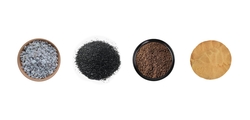
•Limestone (calcite) contactors
•Dolomite filters
•Lime or calcium hydroxide dosing
•CO₂ injection for pH control
•Blending with treated surface or groundwater
5.2 Objectives of Remineralization
Post-treatment aims to:
•Restore calcium and magnesium
•Increase alkalinity and buffering capacity
•Stabilize pH
•Improve taste
•Protect downstream infrastructure
6. Why “Pure” Is Not Always “Better” for Drinking Water
In industrial applications, ultra-pure water is ideal.
For human consumption, however, balanced water chemistry is far more important than absolute purity.
Drinking water must be:
•Chemically stable
•Nutritionally appropriate
•Pleasant to drink
•Safe throughout the entire distribution network
Seawater RO permeate alone does not satisfy these conditions.
Conclusion
Although seawater RO systems produce extremely pure water, this water cannot be used directly as drinking water due to:
•Lack of essential minerals
•Low and unstable pH
•Corrosive behavior
•Poor taste
•Non-compliance with drinking water standards
Therefore, remineralization and pH adjustment are indispensable steps in all seawater desalination plants designed for potable water supply.
The goal of desalination is not just salt removal, but producing healthy, stable, and acceptable drinking water.



Request More Information or Expert Advice
Share a few details, and we’ll provide deeper insights, tailored suggestions, or product support.
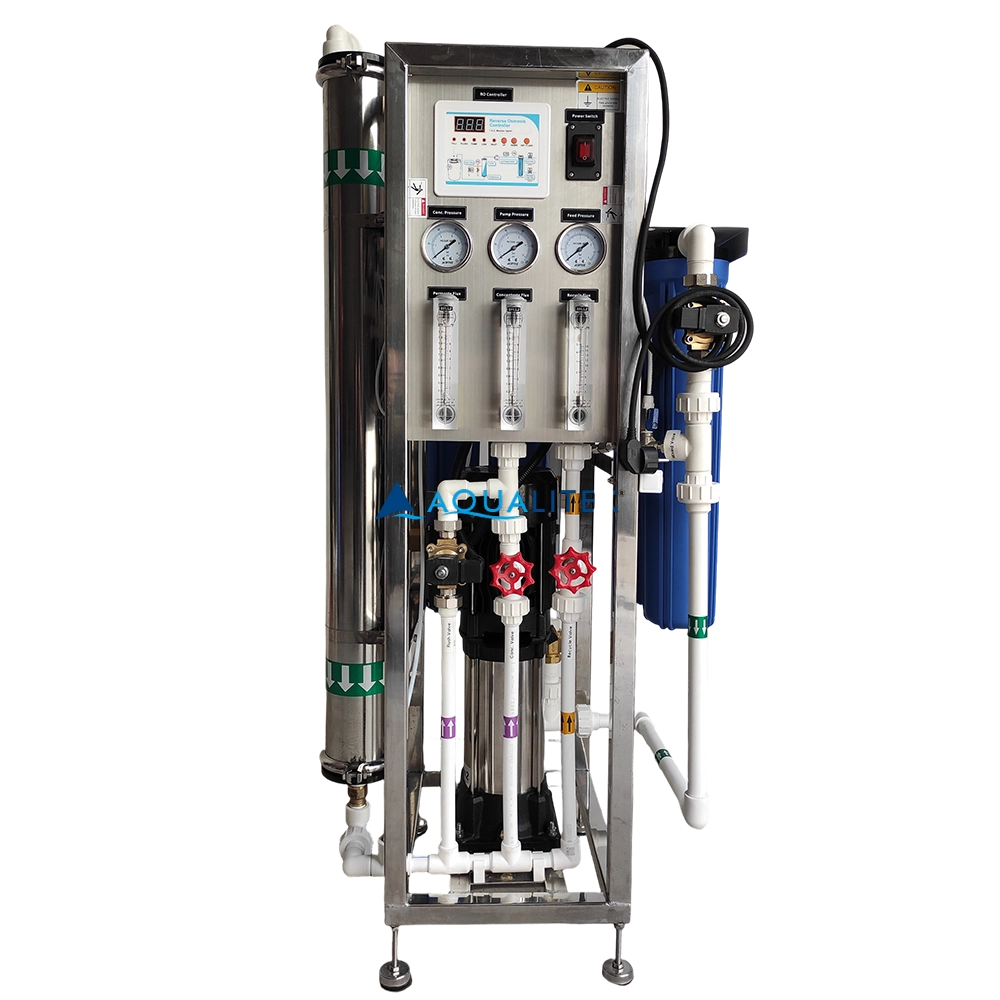
Our 500 LPH Reverse Osmosis (RO) System is engineered to provide high-quality purified water for commercial applications. Designed with advanced RO technology, durable components, and a user-friendly interface, this system ensures consistent performance, low maintenance, and long-term reliability.
With its compact design and robust skid-mounted frame, it’s an excellent choice for businesses that demand efficiency and quality in water purification.
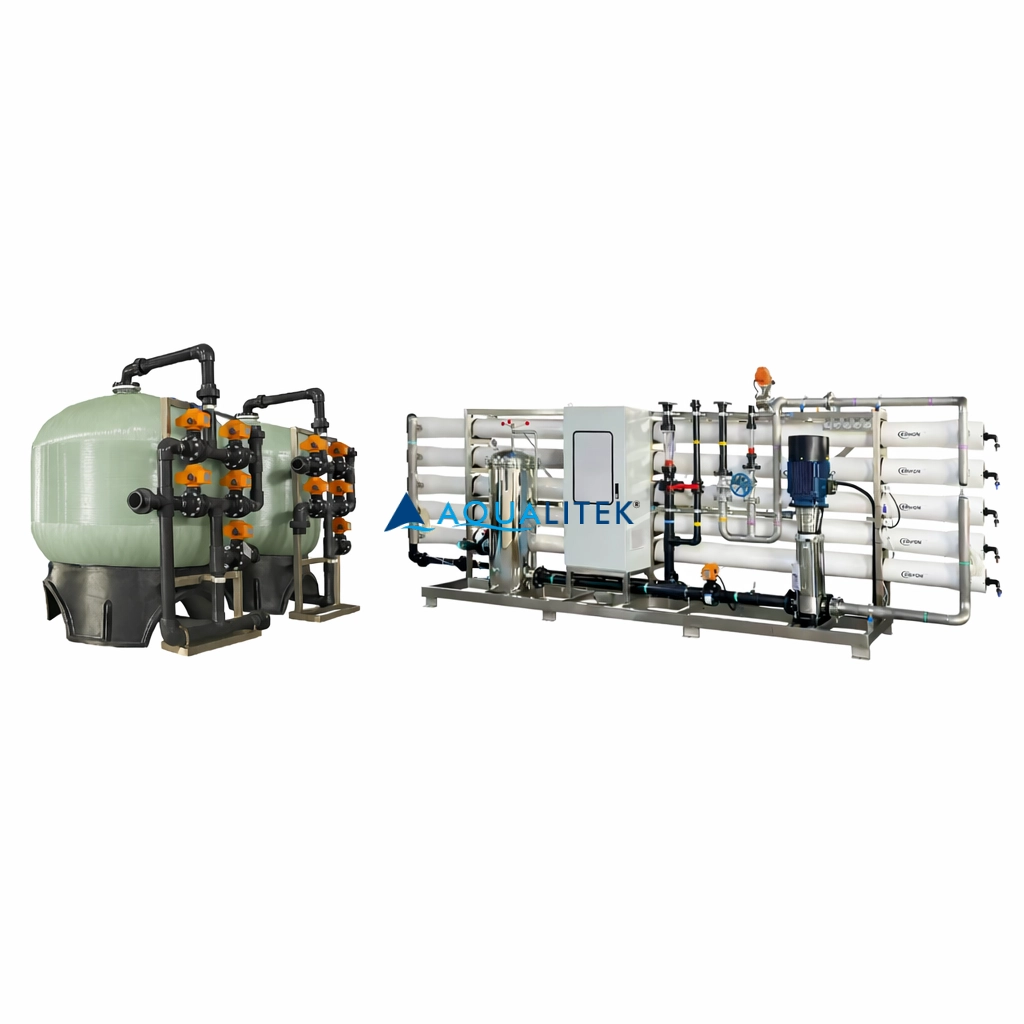
30TPH Industrial Reverse Osmosis (RO) System designed for industrial and municipal water treatment. High salt rejection, energy-efficient design, PLC control, and customizable configuration.
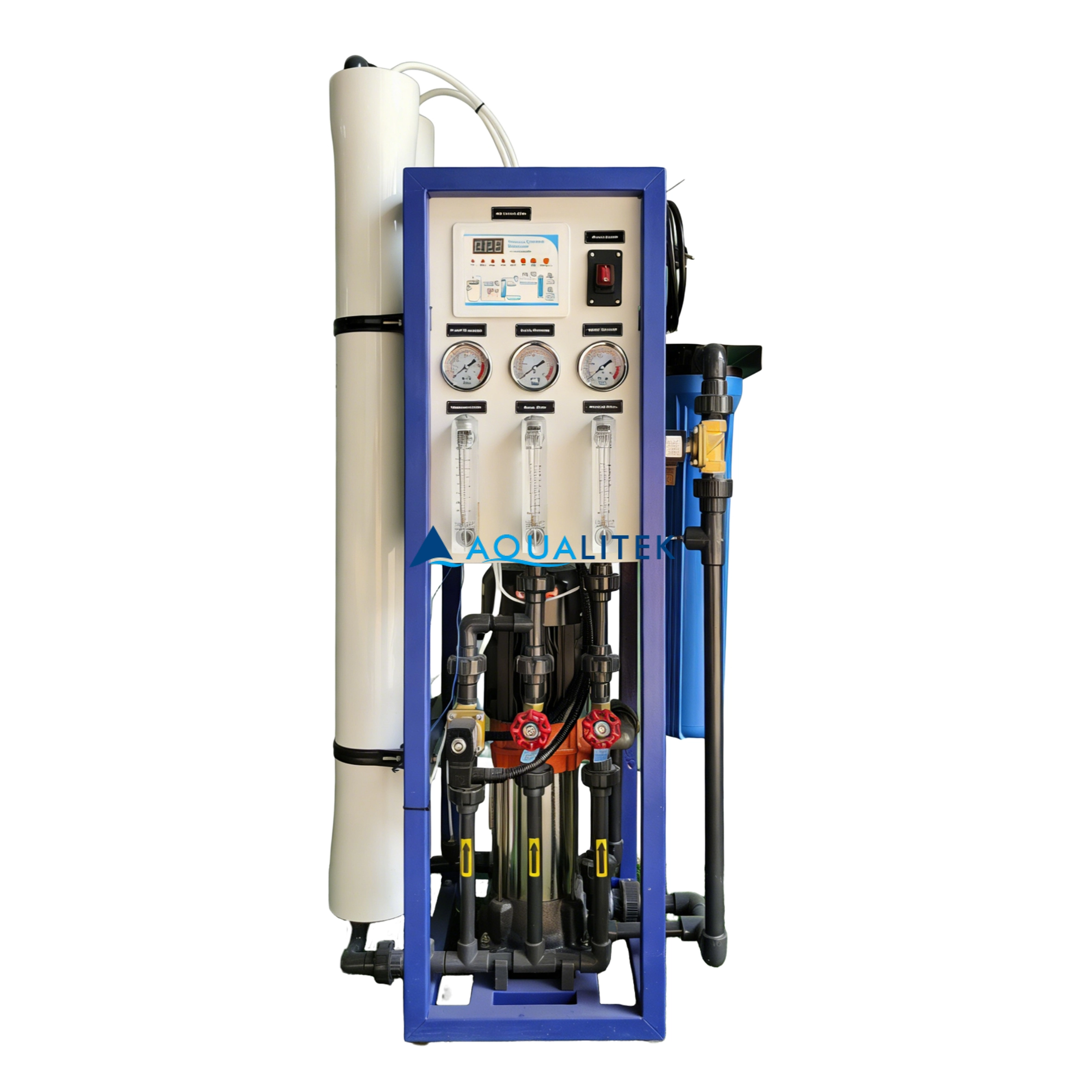
AQUALITEK's 500LPH Panel Mounted Reverse Osmosis Water Purification System delivers reliable 500 LPH RO water production. This compact industrial reverse osmosis unit is ideal for small scale industrial RO needs, ensuring efficient and high-quality purified water in a space-saving design.
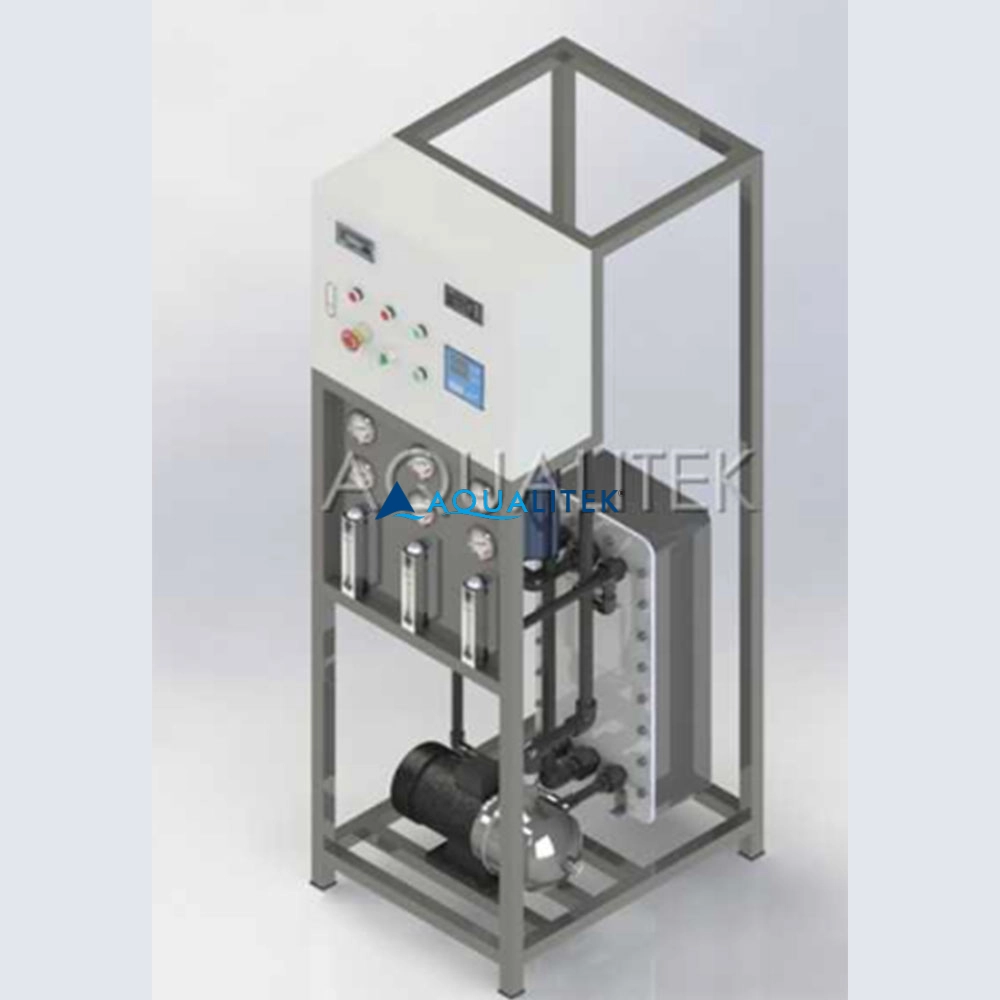
Electrodeionization (EDI) system is an advanced water purification technology that combines ion exchange and electrochemical processes to produce ultra-pure water. Unlike traditional deionization methods, which rely on chemical regeneration, EDI utilizes electric fields to drive the movement of ions through ion-exchange membranes, effectively removing dissolved salts and other ionic contaminants.
This process is continuous and does not require the use of chemicals for regeneration, making it an environmentally friendly and cost-effective solution for producing high-quality deionized water. EDI systems are widely used in applications requiring ultrapure water, such as in the pharmaceutical, semiconductor, power generation, and biotechnology industries, as well as for laboratory use.
By offering high-purity water without the need for chemical regeneration, EDI systems provide a sustainable, efficient, and reliable alternative to traditional deionization methods, making them an ideal choice for industries where water quality and process control are critical.
© 2026 AQUALITEK. All rights reserved.
AQUALITEK- Aimee Hoo
AQUALITEK - Aimee Hoo