



Used RO Membrane Utilization: Practical and Responsible Uses for Replaced Old Membrane Elements| Insights by AQUALITEK
Replaced RO membranes are not always waste. This Best-practice article explores feasible reuse scenarios, limitations, environmental considerations, and compliant disposal options for used RO membrane elements.
- Introduction
- Important Principle: Reuse ≠ Reinstall for Original Duty
- Common Reasons RO Membranes Are Replaced
- Feasible Uses for Replaced Old RO Membranes
- 1. Pretreatment or Rough Desalination Applications
- 2. Non-Critical Industrial Water Reuse Systems
- 3. Emergency or Temporary Backup Systems
- 4. Pilot Testing and R&D Applications
- 5. Educational and Training Purposes
- 6. Conversion to Lower-Grade Filtration (With Modification)
- When Old RO Membranes Should NOT Be Reused
- Environmental and Regulatory Considerations
- Best Practices for Managing Used RO Membranes
- Common Misconceptions
- Conclusion
Introduction
In industrial RO systems, membrane elements are typically replaced after performance degradation, irreversible fouling, or end-of-life aging.
However, a “replaced” membrane does not always mean it is completely useless.
With proper evaluation and responsible handling, used RO membranes may still have secondary value in lower-demand applications or non-critical roles. This article outlines practical reuse options, risks, and best practices for utilizing old membrane elements.
Important Principle: Reuse ≠ Reinstall for Original Duty
Before discussing reuse, one key rule must be emphasized:
A replaced RO membrane should never be reused in the same critical application for which it was originally designed.
Reuse is only appropriate when:
•Water quality requirements are significantly lower
•Performance expectations are clearly adjusted
•Risks are fully understood and accepted
Common Reasons RO Membranes Are Replaced
Understanding why a membrane was replaced determines whether reuse is possible.
Typical reasons:
•Reduced flux
•Higher operating pressure
•Slightly reduced salt rejection
•Partial fouling or scaling
•Normal aging
Membranes replaced due to oxidative damage, mechanical damage, or severe biofouling are generally not suitable for reuse.
Feasible Uses for Replaced Old RO Membranes
1. Pretreatment or Rough Desalination Applications
Used RO membranes may still:
•Remove suspended solids
•Reduce part of TDS
•Improve downstream water quality
Typical reuse scenarios:
•Pretreatment before secondary RO
•Brackish water rough desalination
•Industrial utility water pretreatment
Performance must be tested and derated accordingly.
2. Non-Critical Industrial Water Reuse Systems
Examples include:
•Cooling tower makeup pretreatment
•Process rinse water (non-product contact)
•Boiler feed pretreatment (non-high-pressure)
In these cases:
•Slightly higher conductivity may be acceptable
•Stability is more important than high rejection
3. Emergency or Temporary Backup Systems
Old membranes can serve as:
•Temporary replacements during supply shortages
•Emergency water treatment solutions
•Trial runs during system commissioning
⚠ Clear labeling and separation from primary inventory is mandatory.
4. Pilot Testing and R&D Applications
Used membranes are valuable for:
•Pilot-scale experiments
•Chemical cleaning trials
•New pretreatment evaluation
•Training and demonstration systems
This avoids risking new membranes during testing.
5. Educational and Training Purposes
Old membranes are often reused in:
•Operator training programs
•CIP practice exercises
•Installation and removal training
•Internal technical demonstrations
This reduces operational risk and training cost.
6. Conversion to Lower-Grade Filtration (With Modification)
In some cases, membranes may be:
•Chemically treated or modified
•Used as nanofiltration-like barriers
•Used for wastewater polishing
⚠ This requires technical expertise and controlled conditions.
When Old RO Membranes Should NOT Be Reused
❌ Severe oxidation damage (chlorine attack)
❌ Mechanical damage or delamination
❌ Cracked end caps or glue-line failure
❌ Heavy biological contamination
❌ Unknown service history
When in doubt, do not reuse.
Environmental and Regulatory Considerations
Even if not reused, old membranes should be handled responsibly.
Options include:
•Certified recycling programs
•Controlled landfill disposal
•Material recovery (where available)
Never:
❌ Dump membranes randomly
❌ Incinerate without authorization
❌ Disassemble without PPE
Best Practices for Managing Used RO Membranes
✔ Clearly label membrane condition and history
✔ Store separately from new membranes
✔ Perform basic performance testing before reuse
✔ Assign only to non-critical applications
✔ Document reuse purpose and risk acceptance
Common Misconceptions
❌ “Old membranes are completely useless”
❌ “Any replaced membrane can be reused safely”
❌ “Reuse has no risk if water looks clean”
Reality:
Used RO membranes can have value—but only when reused wisely and responsibly.
Conclusion
Replaced RO membranes are not always waste. With proper evaluation, derating, and application matching, used membranes can serve useful secondary roles in pretreatment, non-critical industrial water systems, pilot testing, and training.
However, reuse must never compromise safety, compliance, or system reliability. When reuse is not appropriate, environmentally responsible disposal is the correct choice.


Request More Information or Expert Advice
Share a few details, and we’ll provide deeper insights, tailored suggestions, or product support.
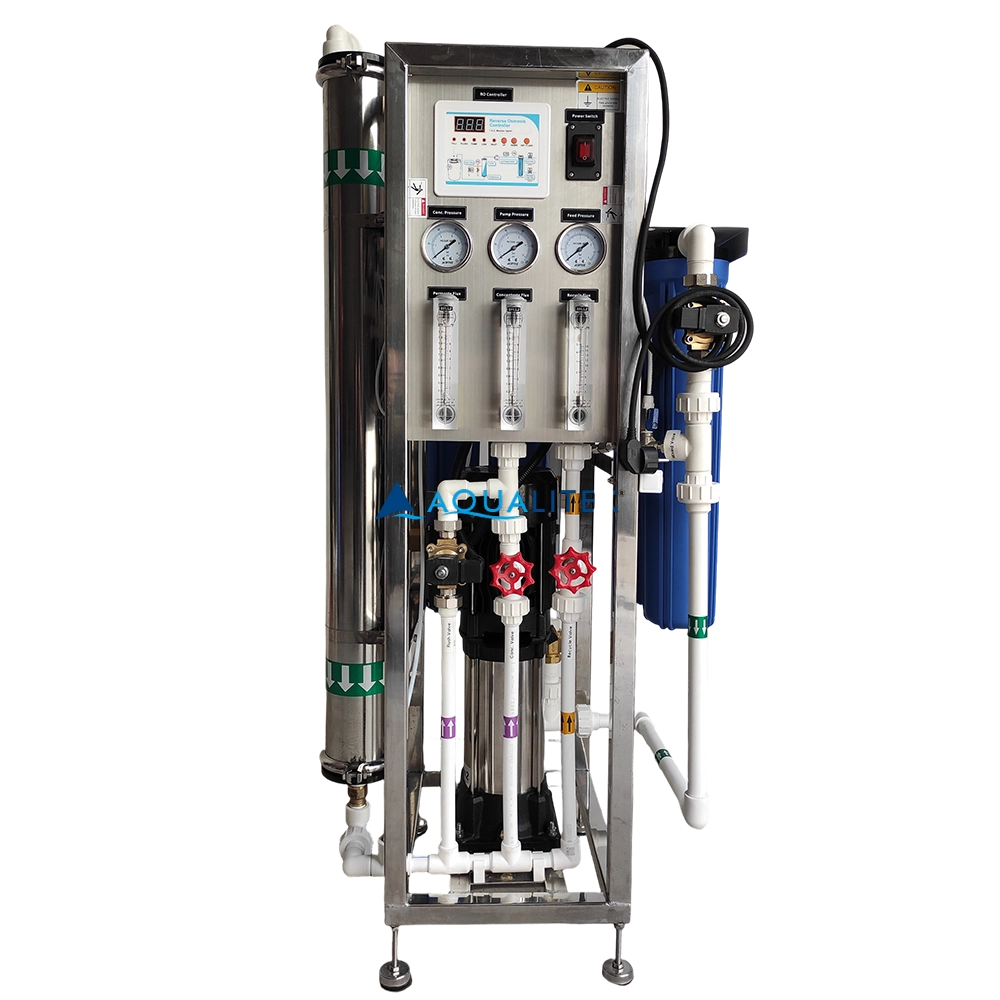
Our 500 LPH Reverse Osmosis (RO) System is engineered to provide high-quality purified water for commercial applications. Designed with advanced RO technology, durable components, and a user-friendly interface, this system ensures consistent performance, low maintenance, and long-term reliability.
With its compact design and robust skid-mounted frame, it’s an excellent choice for businesses that demand efficiency and quality in water purification.
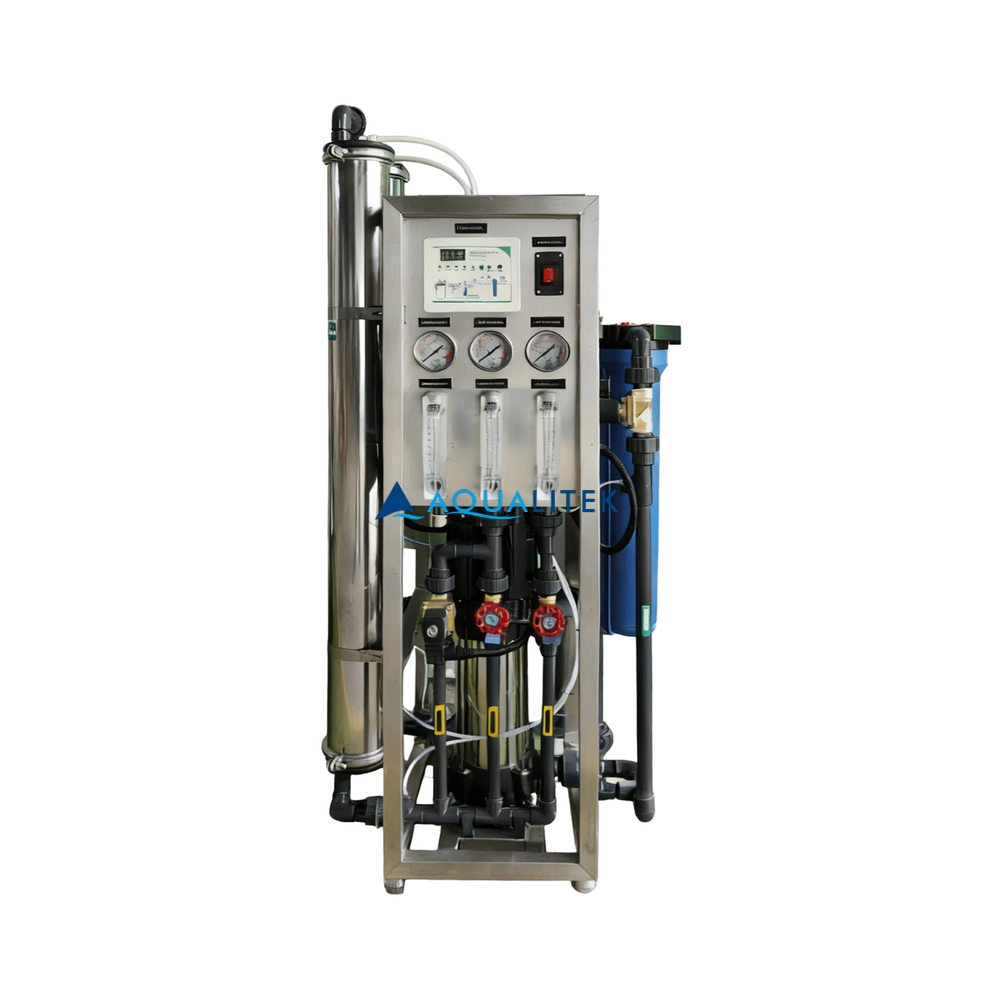
TWV series Reverse Osmosis (RO) systems are pre-engineered and pre-assembled units with 2.5”/4” membrane housings(single element type)for tap water(lower TDS).They are designed for overall superior performance, high recovery rates and offer great savings with low maintenance and operation costs.
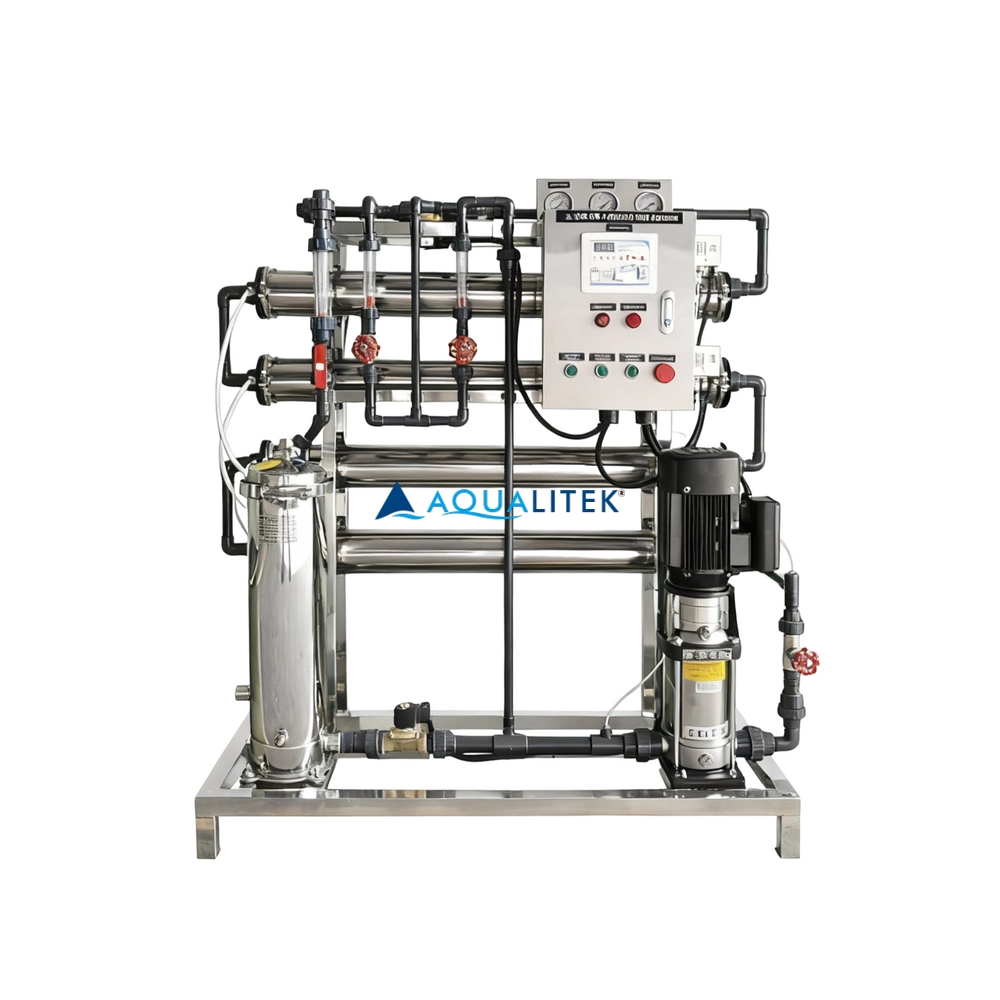
TWF series Reverse Osmosis (RO) systems are pre-engineered and pre-assembled units with 4” membrane housings(multiple elements type) for tap water(lower TDS) .The medium large volumes can help meet your a variety of commercial and industrial applications. They are designed for overall superior performance, high recovery rates and offer great savings with low maintenance and operation costs.

TWE series Reverse Osmosis (RO) systems are pre-engineered and pre-assembled units with 8” membrane housings for tap water (lower TDS). The large volumes can help meet your a variety of industrial applications. They are designed for overall superior performance, high recovery rates and offer great savings with low maintenance and operation costs.
© 2026 AQUALITEK. All rights reserved.
AQUALITEK- Aimee Hoo
AQUALITEK - Aimee Hoo