




Besides Valve Adjustment, What Other Factors Affect the Actual Recovery Rate of an RO System?| Insights by AQUALITEK
RO system recovery rate is not determined by valve adjustment alone. This Best-practice article explains all key factors that influence actual recovery, including feed water quality, temperature, membrane condition, pressure balance, fouling, and system design.
- Introduction
- What Is Recovery Rate in Practice?
- Key Factors Affecting Actual Recovery Rate (Beyond Valves)
- 1. Feed Water Quality (The Fundamental Limiting Factor)
- 2. Scaling and Fouling Risk
- 3. Feed Water Temperature
- 4. Available Operating Pressure
- 5. Membrane Type and Condition
- 6. System Design Configuration
- 7. Pretreatment Performance
- 8. Concentration Polarization and Flow Distribution
- 9. Chemical Dosing Effectiveness
- 10. Operating Stability and Control Strategy
- Why Forcing Recovery Higher Is Dangerous
- Best Practice: How to Set a Realistic Recovery Rate
- Conclusion
Introduction
In theory, the recovery rate of an RO system seems simple:
Adjust the concentrate valve, and recovery changes.
However, in real operation, valve adjustment only controls flow distribution, not the true recovery limit. Many operators discover that even with aggressive valve throttling, the system cannot reach the designed recovery, or becomes unstable after doing so.
This article explains all major factors—beyond valve adjustment—that determine the actual achievable recovery rate of an RO system.
What Is Recovery Rate in Practice?
Recovery rate (%) =Permeate flow ÷ Feed flow × 100
Actual recovery is the result of hydraulic, chemical, thermal, and mechanical constraints, not just valve position.
Key Factors Affecting Actual Recovery Rate (Beyond Valves)
1. Feed Water Quality (The Fundamental Limiting Factor)
Feed water composition directly determines how high recovery can safely go.
Critical parameters include:
•TDS
•Hardness (Ca²⁺, Mg²⁺)
•Alkalinity
•Silica
•Sulfate
•Iron, manganese
•Organic matter (TOC)
Higher recovery → higher salt concentration in concentrate → higher scaling risk.
Recovery is always limited by scaling potential, not by valve range.
2. Scaling and Fouling Risk
As recovery increases:
•Concentration polarization intensifies
•Local supersaturation occurs on membrane surfaces
Consequences:
•Rapid scaling (CaCO₃, CaSO₄, silica, etc.)
•Accelerated fouling
•Sharp pressure drop increase
Once fouling begins, actual recovery may drop even if the valve remains unchanged.
3. Feed Water Temperature
Temperature strongly affects membrane permeability.
|
Temperature |
Effect on Recovery |
|
Low temperature |
Flux decreases → recovery limited |
|
High temperature |
Higher flux but higher fouling risk |
At low temperatures:
•Even fully open valves may not achieve design recovery
•Operators may mistakenly over-throttle concentrate valves, increasing risk
Recovery must be evaluated together with temperature correction factor (TCF).
4. Available Operating Pressure
Recovery depends on sufficient net driving pressure (NDP).
Limiting factors:
•High feed TDS
•Low feed pressure
•Pump capacity limits
•Excessive pressure losses in pretreatment or membranes
If pressure margin is insufficient:
•Permeate flow cannot increase
•Recovery plateaus regardless of valve adjustment
5. Membrane Type and Condition
Membrane characteristics vary widely:
•High-rejection vs high-flux membranes
•New vs aged membranes
•Fouled vs clean membranes
Aged or compacted membranes:
•Produce less permeate at the same pressure
•Lower achievable recovery
•Require higher energy input
Valve adjustment cannot compensate for membrane aging.
6. System Design Configuration
Design elements that affect recovery include:
•Number of stages
•Array configuration (e.g., 2:1, 3:2)
•Element loading per pressure vessel
•Cross-flow velocity distribution
Poorly matched designs may:
•Limit recovery at the tail end
•Cause over-concentration in last-stage elements
•Trigger early fouling before design recovery is reached
7. Pretreatment Performance
Inadequate pretreatment leads to:
•Higher SDI
•Particle deposition
•Biological fouling
•Iron and colloidal carryover
This forces operators to:
•Reduce recovery intentionally
•Increase flushing frequency
•Avoid aggressive valve throttling
Good pretreatment expands the safe recovery window.
8. Concentration Polarization and Flow Distribution
Even at the same overall recovery:
•Uneven flow distribution
•Channel blockage
•Element-to-element imbalance
can cause localized over-recovery inside the membrane train.
This means:
•“Average recovery” looks acceptable
•Individual elements exceed safe limits
9. Chemical Dosing Effectiveness
Scale inhibitor performance directly affects recovery margin.
If:
•Dosing point is wrong
•Dosage is insufficient
•Chemical is incompatible with water chemistry
Then safe recovery is reduced—even if calculations suggest otherwise.
10. Operating Stability and Control Strategy
Frequent fluctuations in:
•Feed pressure
•Flow
•Temperature
•Start/stop cycles
make it difficult to maintain stable recovery. Systems with unstable operation often must run at lower recovery to stay safe.
Why Forcing Recovery Higher Is Dangerous
Artificially increasing recovery by valve throttling may cause:
❌ Sudden scaling
❌ Irreversible membrane damage
❌ Rapid pressure drop rise
❌ Increased CIP frequency
❌ Shortened membrane life
Maximum theoretical recovery ≠ safe operating recovery
Best Practice: How to Set a Realistic Recovery Rate
✔ Base recovery on water analysis and scaling calculations
✔ Consider worst-case temperature conditions
✔ Include fouling safety margins
✔ Validate with normalized performance data
✔ Adjust recovery gradually and monitor trends
Conclusion
Valve adjustment only changes flow balance, not the true recovery limit of an RO system.
The actual achievable recovery rate is determined by feed water quality, scaling risk, temperature, pressure margin, membrane condition, pretreatment efficiency, system design, and chemical control.
A well-operated RO system prioritizes long-term stability and membrane life, not maximum short-term recovery.

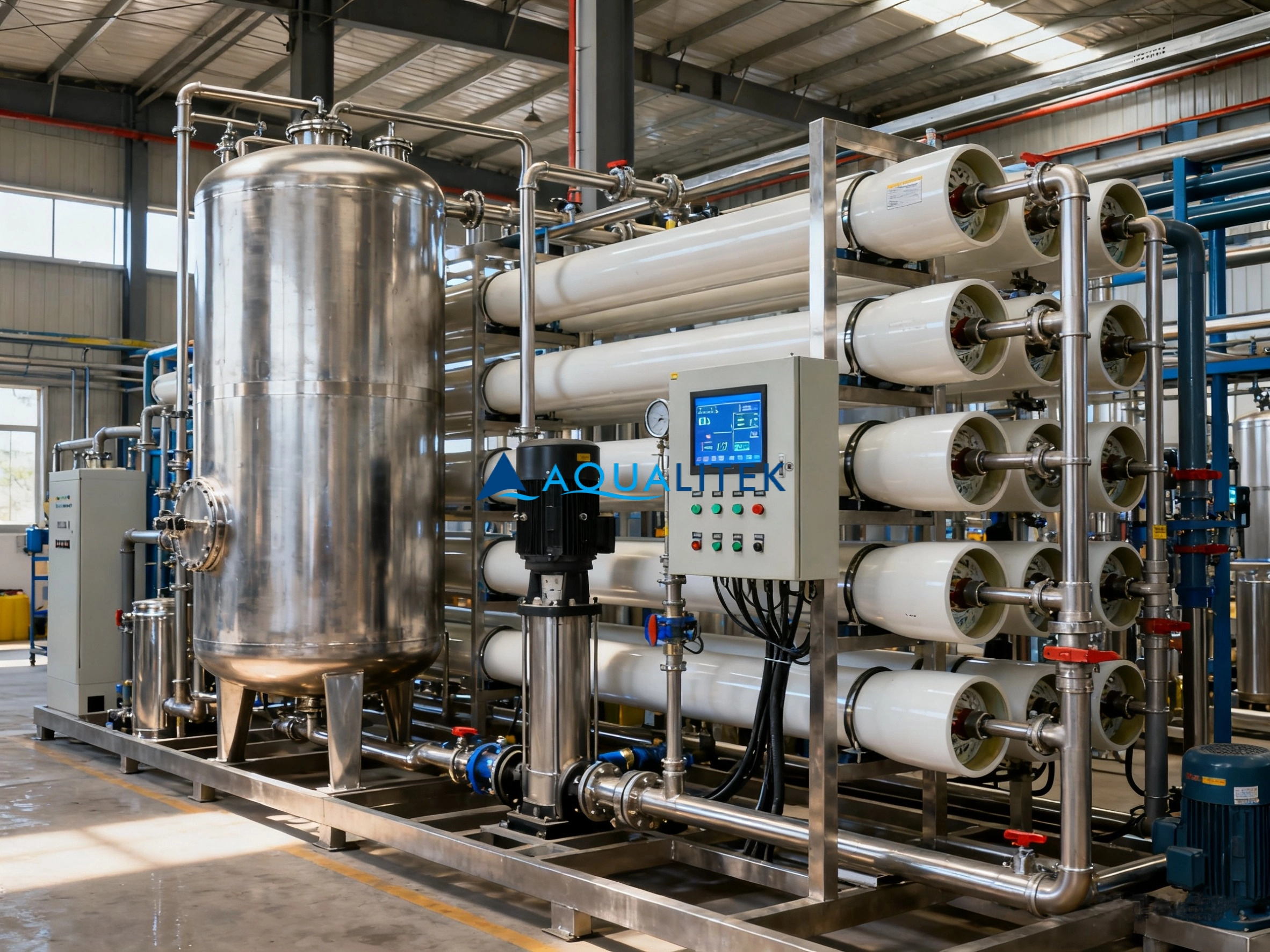


Request More Information or Expert Advice
Share a few details, and we’ll provide deeper insights, tailored suggestions, or product support.
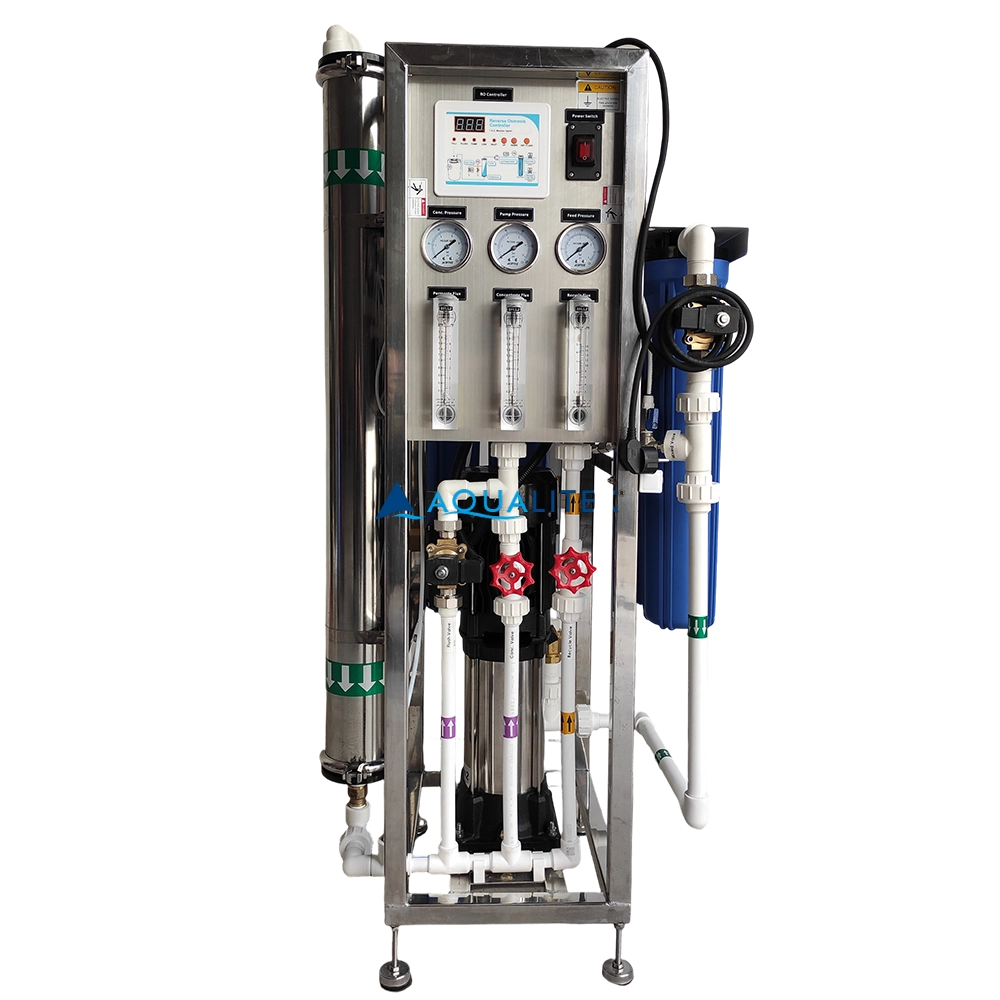
Our 500 LPH Reverse Osmosis (RO) System is engineered to provide high-quality purified water for commercial applications. Designed with advanced RO technology, durable components, and a user-friendly interface, this system ensures consistent performance, low maintenance, and long-term reliability.
With its compact design and robust skid-mounted frame, it’s an excellent choice for businesses that demand efficiency and quality in water purification.
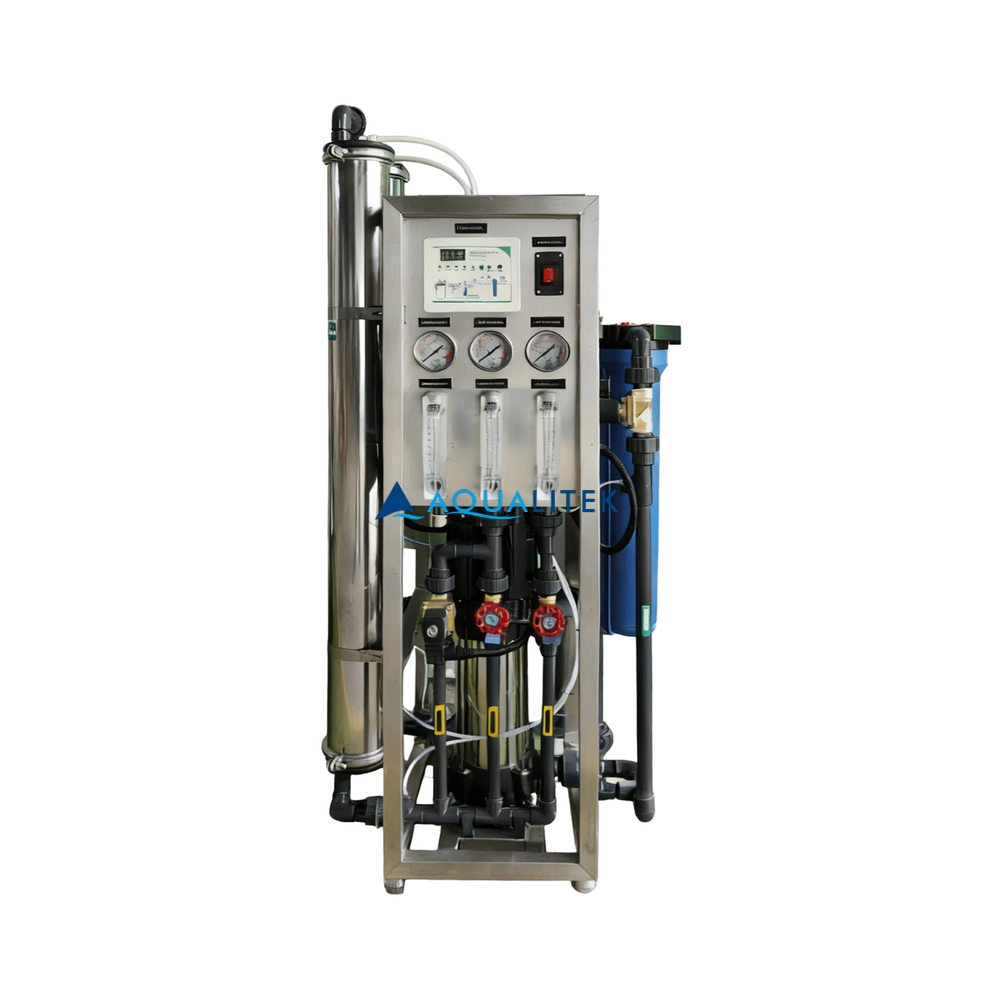
TWV series Reverse Osmosis (RO) systems are pre-engineered and pre-assembled units with 2.5”/4” membrane housings(single element type)for tap water(lower TDS).They are designed for overall superior performance, high recovery rates and offer great savings with low maintenance and operation costs.
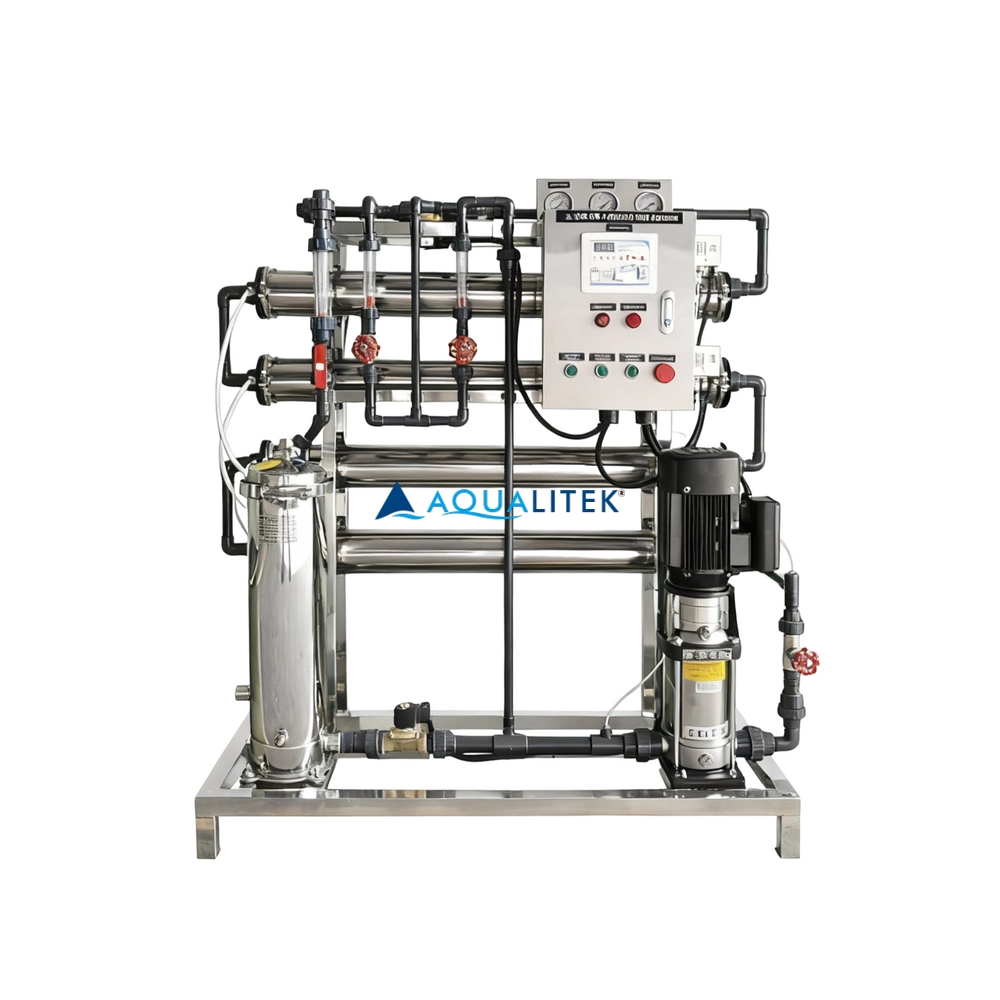
TWF series Reverse Osmosis (RO) systems are pre-engineered and pre-assembled units with 4” membrane housings(multiple elements type) for tap water(lower TDS) .The medium large volumes can help meet your a variety of commercial and industrial applications. They are designed for overall superior performance, high recovery rates and offer great savings with low maintenance and operation costs.

TWE series Reverse Osmosis (RO) systems are pre-engineered and pre-assembled units with 8” membrane housings for tap water (lower TDS). The large volumes can help meet your a variety of industrial applications. They are designed for overall superior performance, high recovery rates and offer great savings with low maintenance and operation costs.
© 2026 AQUALITEK. All rights reserved.
AQUALITEK- Aimee Hoo
AQUALITEK - Aimee Hoo