



When RO Operating Data Looks “Too Good and Too Stable”: What Problems Might Be Hidden?| Insights by AQUALITEK
RO system data that appears unusually stable and perfect may indicate hidden risks. This Best-practice article explains why “too good-looking” RO operating data can signal sensor failure, bypass issues, control problems, or undetected membrane damage.
- Introduction
- Why Normal RO Data Should Never Be Perfectly Flat
- Common Problems Hidden Behind “Too Stable” RO Operating Data
- 1. Instrument or Sensor Failure (Most Common Cause)
- 2. Bypassed or Improperly Installed Instruments
- 3. Manual Data Recording Masking Real Variations
- 4. Over-Automation with Poor Feedback
- 5. Hidden Membrane Damage or Bypass Leakage
- 6. Excessive Chemical Masking of Problems
- 7. Sampling Point Issues
- 8. Alarm Thresholds Set Too Wide
- Why “Too Stable” Data Is Dangerous
- How to Verify Whether “Stable” Data Is Real
- Best-Practice Checks
- What Healthy RO Data Really Looks Like
- Conclusion
Introduction
In daily operation, RO system operators often aim for:
•Stable pressure
•Constant flow
•Consistent conductivity
•Minimal fluctuations
At first glance, perfectly flat and stable data trends seem to indicate excellent system health.
However, experienced engineers know that:
RO systems are dynamic by nature. Data that looks “too perfect” may actually indicate underlying problems.
This article explains why overly stable RO operating data can be misleading, what risks it may hide, and how to correctly interpret such situations.
Why Normal RO Data Should Never Be Perfectly Flat
RO systems respond to:
•Feed water quality changes
•Temperature fluctuations
•Pressure variation
•Membrane aging and fouling
Therefore, small, gradual variations are normal and expected. Completely unchanged data over long periods is often a warning sign.
Common Problems Hidden Behind “Too Stable” RO Operating Data
1. Instrument or Sensor Failure (Most Common Cause)
When sensors malfunction, they may:
•Freeze at a fixed value
•Output averaged or default signals
•Lose sensitivity to real changes
Commonly affected instruments:
•Conductivity meters
•Pressure transmitters
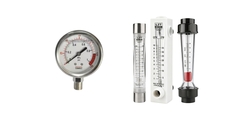
•Flow meters
•Temperature sensors
A dead sensor produces “beautiful” but meaningless data.
2. Bypassed or Improperly Installed Instruments
Sometimes instruments are:
•Installed in dead zones
•Installed after bypass lines
•Incorrectly plumbed
As a result:
•Readings do not reflect actual process conditions
•Real fluctuations go undetected
3. Manual Data Recording Masking Real Variations
If data is:
•Manually written instead of logged automatically
•Rounded or copied repeatedly
•Adjusted to match “expected values”
Then the trend may appear stable while real system behavior is ignored.
⚠ This creates a false sense of control and hides early warning signs.
4. Over-Automation with Poor Feedback
In highly automated systems:
•Control loops may over-correct
•Flow and pressure are forcibly held constant
•Alarms may be disabled or ignored
While values look stable:
•Energy consumption may increase
•Membrane stress may rise
•Fouling risk may silently increase
Stability does not always equal health.
5. Hidden Membrane Damage or Bypass Leakage
If:
•A membrane seal is leaking
•An O-ring is damaged
•A permeate bypass exists
Then:
•Conductivity may remain “stable” but elevated
•Salt rejection loss goes unnoticed
•Product quality slowly degrades
Stable but incorrect data is more dangerous than fluctuating data.
6. Excessive Chemical Masking of Problems
Heavy use of:
•Scale inhibitors
•Reducing agents
•pH adjustment chemicals
may temporarily stabilize system performance while:
•Fouling continues internally
•Membrane life is shortened
•CIP frequency is artificially delayed
Chemicals can hide problems, not eliminate them.
7. Sampling Point Issues
If samples are taken:
•From stagnant lines
•After storage tanks
•After blending points
Then water quality data may look stable while actual RO permeate quality varies significantly.
8. Alarm Thresholds Set Too Wide
If alarm limits are:
•Set too loosely
•Not updated after system changes
Then:
•Data remains “within limits”
•Abnormal trends go unreported
•Failures occur suddenly without warning
Why “Too Stable” Data Is Dangerous
❌ Early fouling detection is missed
❌ Membrane damage progresses unnoticed
❌ Sudden system failure occurs without warning
❌ Maintenance becomes reactive instead of preventive
❌ Data-driven optimization becomes impossible
How to Verify Whether “Stable” Data Is Real
Best-Practice Checks
✔ Cross-check online readings with manual measurements
✔ Compare historical trends over months, not days
✔ Verify sensor calibration regularly
✔ Temporarily vary operating conditions and observe response
✔ Inspect raw signal values, not only averages
What Healthy RO Data Really Looks Like
Healthy systems show:
•Slow, explainable trends
•Seasonal temperature effects
•Gradual pressure increase over time
•Small conductivity fluctuations
Controlled variability is a sign of a living, responsive system.
Conclusion
RO operating data that looks too good, too flat, and too stable is not always a sign of excellence. In many cases, it indicates instrument failure, hidden bypasses, over-automation, or masked system degradation.
A truly well-operated RO system shows transparent, explainable trends—not perfect charts. Operators should always question data that looks “too beautiful to be true.”


Request More Information or Expert Advice
Share a few details, and we’ll provide deeper insights, tailored suggestions, or product support.
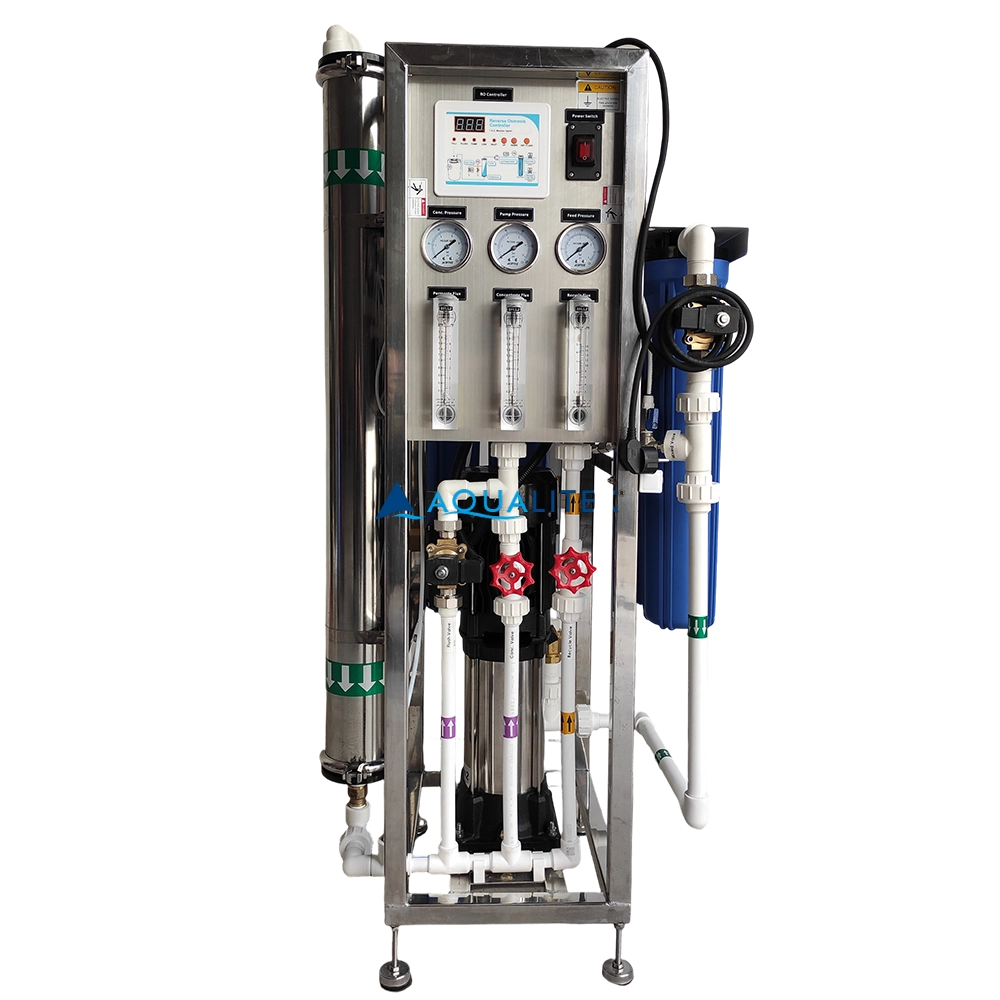
Our 500 LPH Reverse Osmosis (RO) System is engineered to provide high-quality purified water for commercial applications. Designed with advanced RO technology, durable components, and a user-friendly interface, this system ensures consistent performance, low maintenance, and long-term reliability.
With its compact design and robust skid-mounted frame, it’s an excellent choice for businesses that demand efficiency and quality in water purification.
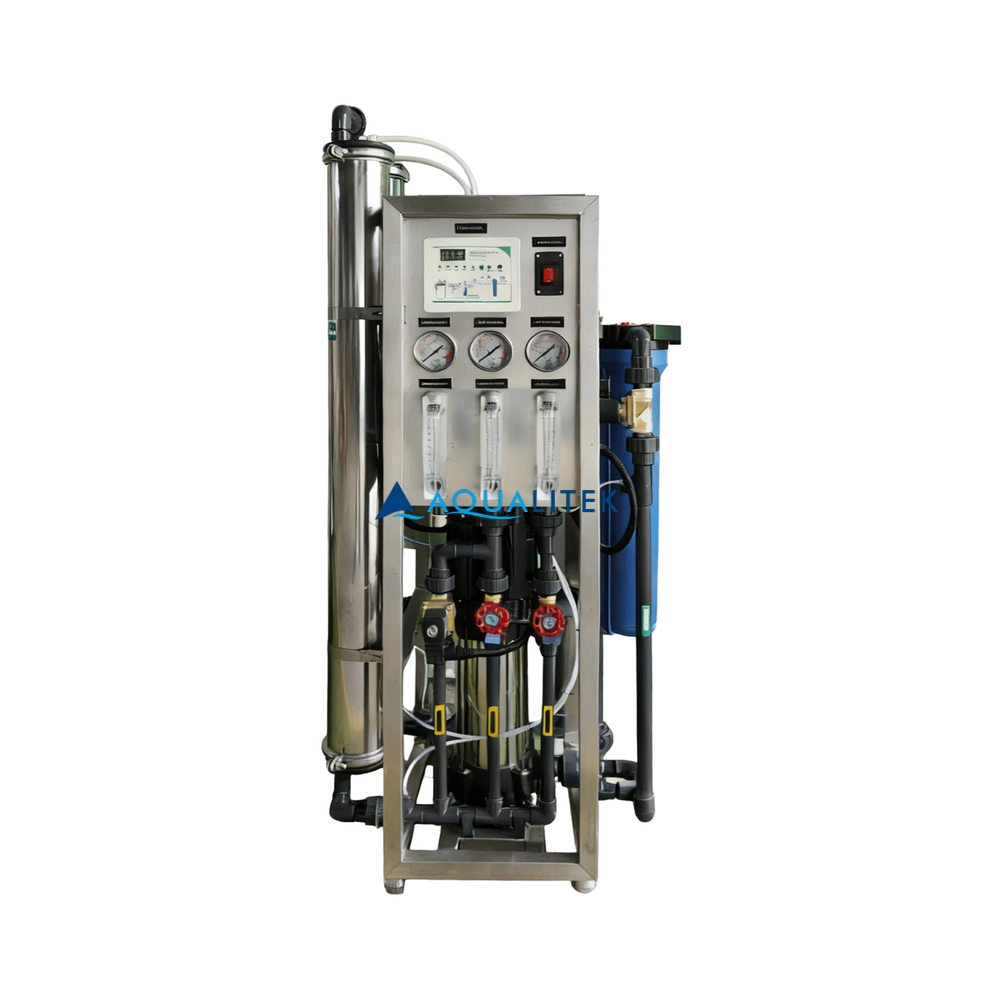
TWV series Reverse Osmosis (RO) systems are pre-engineered and pre-assembled units with 2.5”/4” membrane housings(single element type)for tap water(lower TDS).They are designed for overall superior performance, high recovery rates and offer great savings with low maintenance and operation costs.
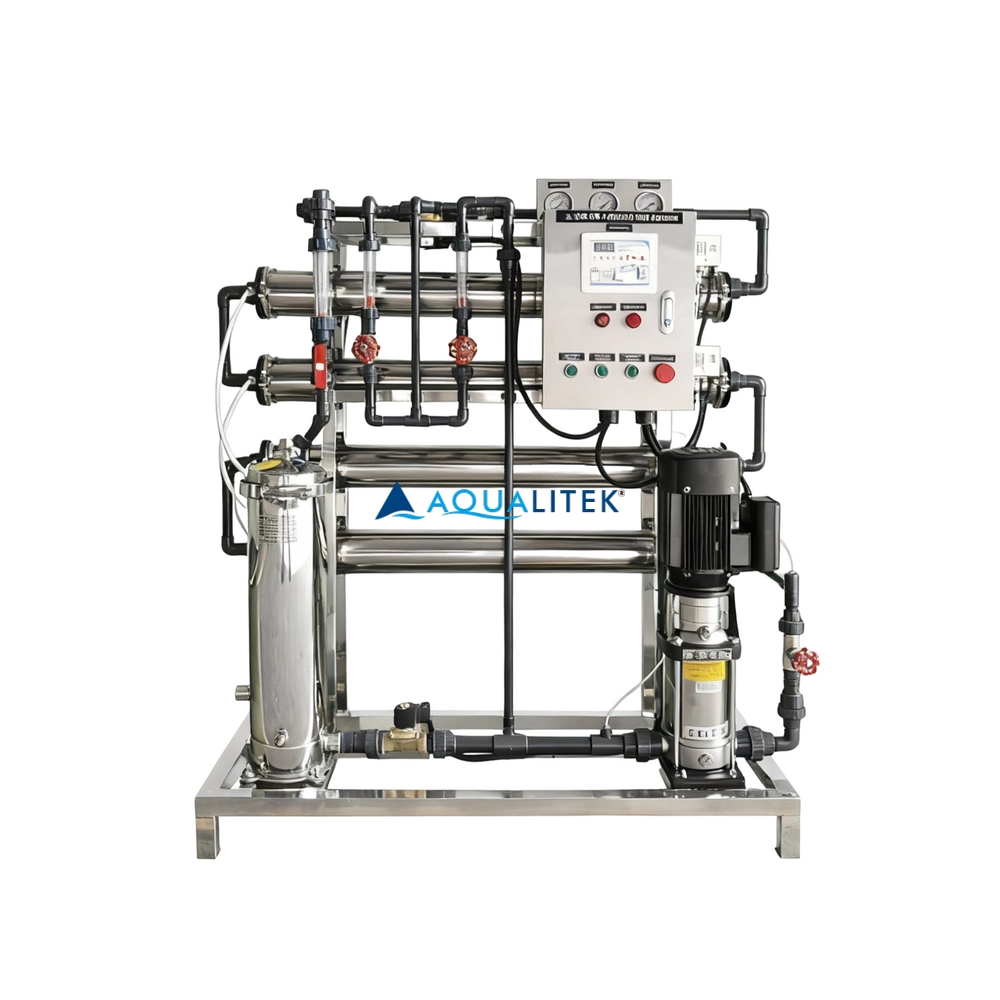
TWF series Reverse Osmosis (RO) systems are pre-engineered and pre-assembled units with 4” membrane housings(multiple elements type) for tap water(lower TDS) .The medium large volumes can help meet your a variety of commercial and industrial applications. They are designed for overall superior performance, high recovery rates and offer great savings with low maintenance and operation costs.

TWE series Reverse Osmosis (RO) systems are pre-engineered and pre-assembled units with 8” membrane housings for tap water (lower TDS). The large volumes can help meet your a variety of industrial applications. They are designed for overall superior performance, high recovery rates and offer great savings with low maintenance and operation costs.
© 2026 AQUALITEK. All rights reserved.
AQUALITEK- Aimee Hoo
AQUALITEK - Aimee Hoo