





Key Indicators Requiring Special Attention in Seawater Desalination Operation| Insights by AQUALITEK
In seawater desalination systems, standard parameters alone are not enough. Discover the critical additional indicators that operators must closely monitor to ensure safety, stability, and long-term performance.
- Introduction
- 1. SDI15 and Turbidity Trend (Not Just Single Values)
- 2. Differential Pressure Distribution Along the Membrane Train
- 3. Boron Passage and pH Sensitivity
- 4. ORP (Oxidation-Reduction Potential) in Feed Water
- 5. Dissolved Oxygen (DO) and Biological Risk Indicators
- 6. Pump Vibration, Noise, and Micro-Pressure Fluctuations
- 7. Temperature-Corrected Normalized Performance Indicators
- 8. Chemical Consumption Rates vs. Historical Baselines
- 9. Permeate pH and Alkalinity Stability
- 10. Data “Too Stable” Phenomenon
- Conclusion
Introduction
During the operation of seawater desalination (SWRO) systems, operators routinely monitor standard parameters such as flow rate, pressure, conductivity, and recovery. However, real-world operating experience shows that many serious failures are preceded by abnormalities in non-standard or secondary indicators that are often overlooked.
These indicators may not trigger immediate alarms, but they can:
•Signal early-stage membrane fouling or corrosion
•Indicate pretreatment instability
•Reveal hidden mechanical or biological risks
•Prevent catastrophic membrane or pump damage if addressed early
This article outlines the most critical non-standard indicators that require special attention when operating seawater desalination equipment.
1. SDI15 and Turbidity Trend (Not Just Single Values)
Why It Matters
In SWRO systems, pretreatment performance directly determines membrane life. While operators often check whether SDI15 meets the design limit (typically ≤3–5), trend changes are far more important than absolute values.
What to Watch
•Gradual SDI15 increase over days or weeks
•Turbidity fluctuations after storms or algae blooms
•Sudden SDI spikes during normal operation
Risk If Ignored
•Accelerated particulate fouling
•Increased differential pressure (ΔP)
•Reduced cleanability of membranes
2. Differential Pressure Distribution Along the Membrane Train
Why It Matters
Total system ΔP may appear acceptable, but uneven pressure distribution between stages or pressure vessels often indicates localized fouling or blockage.
What to Watch
•Stage-to-stage ΔP imbalance
•Rapid ΔP increase in the first stage
•One pressure vessel deviating from others
Risk If Ignored
•Uneven membrane loading
•Early membrane failure in specific vessels
•Misdiagnosed fouling type
3. Boron Passage and pH Sensitivity
Why It Matters
Unlike most salts, boron rejection is highly pH-dependent and often insufficient in single-pass SWRO.
What to Watch
•Boron concentration trends in permeate
•pH drift in second-pass or boron-removal stages
•Seasonal temperature impact on boron rejection
Risk If Ignored
•Non-compliance with drinking water standards
•False assumption of membrane damage
4. ORP (Oxidation-Reduction Potential) in Feed Water
Why It Matters
ORP provides early warning of oxidant presence (chlorine, hypochlorite, bromine), which can cause irreversible membrane oxidation.
What to Watch
•ORP spikes after chemical dosing
•ORP changes during intake disinfection
•Inconsistent ORP readings indicating sensor drift
Risk If Ignored
•Permanent RO membrane degradation
•Sudden conductivity breakthrough
5. Dissolved Oxygen (DO) and Biological Risk Indicators
Why It Matters
High dissolved oxygen combined with nutrients promotes biofouling and MIC (microbiologically influenced corrosion).
What to Watch
•Elevated DO in warm seasons
•Increased cleaning frequency with biological signatures
•Slime formation in pretreatment pipelines
Risk If Ignored
•Biofilm formation on membranes
•Rapid pressure drop increase
•Ineffective chemical cleaning
6. Pump Vibration, Noise, and Micro-Pressure Fluctuations
Why It Matters
High-pressure pumps in SWRO systems operate near material and hydraulic limits. Small mechanical signals often precede major failures.
What to Watch
•Abnormal vibration trends
•High-frequency pressure gauge oscillation
•Cavitation noise at stable flow conditions
Risk If Ignored
•Impeller erosion
•Bearing failure
•Sudden pump shutdown
7. Temperature-Corrected Normalized Performance Indicators
Why It Matters
Raw flow and pressure data can be misleading due to temperature variations. Normalization reveals the true health of the membranes.
What to Watch
•Normalized permeate flow decline
•Normalized salt rejection decrease
•Divergence between raw and normalized data
Risk If Ignored
•Delayed fouling detection
•Incorrect cleaning timing
•Reduced membrane lifespan
8. Chemical Consumption Rates vs. Historical Baselines
Why It Matters
Changes in chemical dosing demand often reflect upstream water quality shifts or process instability.
What to Watch
•Increased antiscalant dosage requirement
•Higher SBS or dechlorination chemical use
•Frequent manual chemical adjustments
Risk If Ignored
•Hidden scaling or oxidant risks
•Rising OPEX without performance improvement
9. Permeate pH and Alkalinity Stability
Why It Matters
Seawater RO permeate is naturally low in alkalinity and buffering capacity, making it chemically unstable.
What to Watch
•Sudden pH drops or rises
•CO₂ breakthrough
•Inconsistent remineralization performance
Risk If Ignored
•Downstream corrosion
•Product water instability
•Non-compliance with distribution standards
10. Data “Too Stable” Phenomenon
Why It Matters
Perfectly flat trends over long periods can indicate sensor failure, data freezing, or bypassed instruments.
What to Watch
•Identical readings over weeks
•No response to operational changes
•Mismatch between manual and online data
Risk If Ignored
•Blind operation
•Delayed fault detection
•Increased operational risk
Conclusion
In seawater desalination operations, true system health is revealed not only by standard parameters, but by subtle secondary indicators and trend behavior. Operators who actively monitor these additional indicators gain:
•Earlier fault detection
•Lower membrane replacement costs
•Improved system stability
•Reduced unplanned downtime
Best-in-class SWRO operation depends on data awareness, trend interpretation, and proactive response—not just alarm-based control.



Request More Information or Expert Advice
Share a few details, and we’ll provide deeper insights, tailored suggestions, or product support.
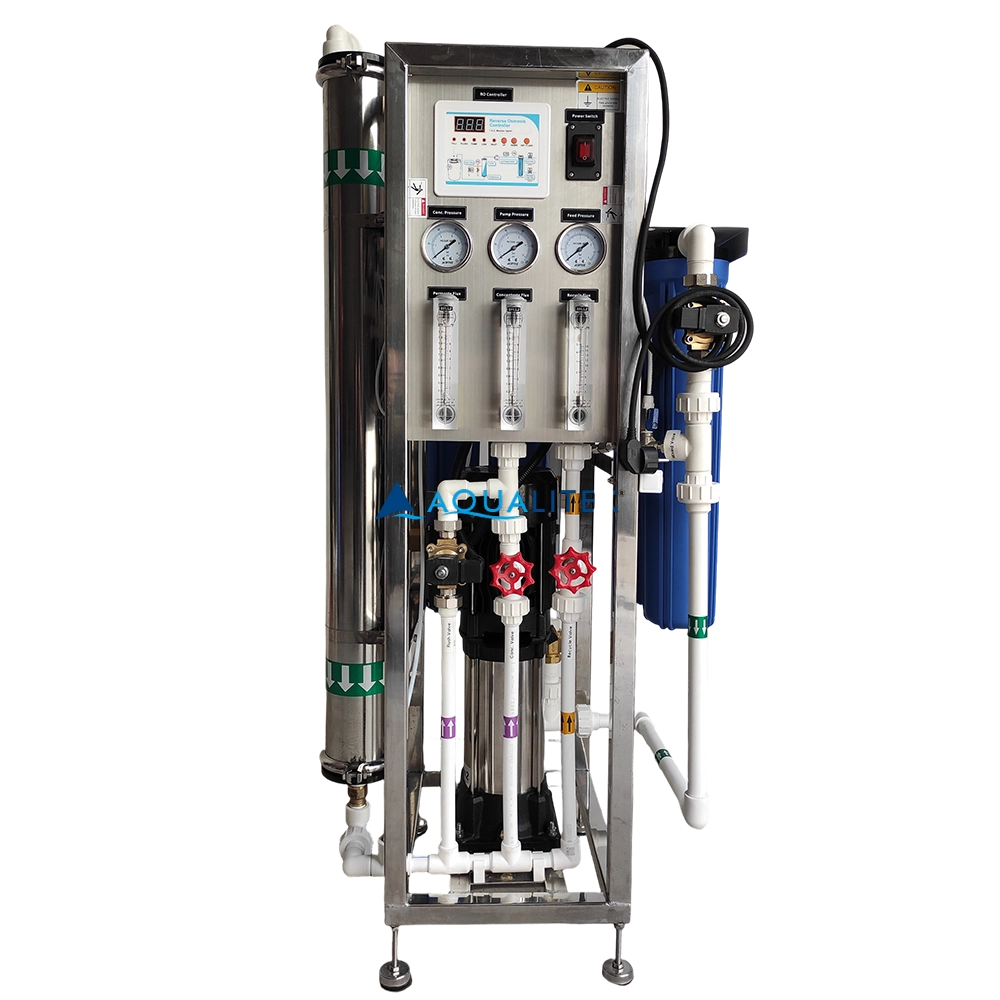
Our 500 LPH Reverse Osmosis (RO) System is engineered to provide high-quality purified water for commercial applications. Designed with advanced RO technology, durable components, and a user-friendly interface, this system ensures consistent performance, low maintenance, and long-term reliability.
With its compact design and robust skid-mounted frame, it’s an excellent choice for businesses that demand efficiency and quality in water purification.
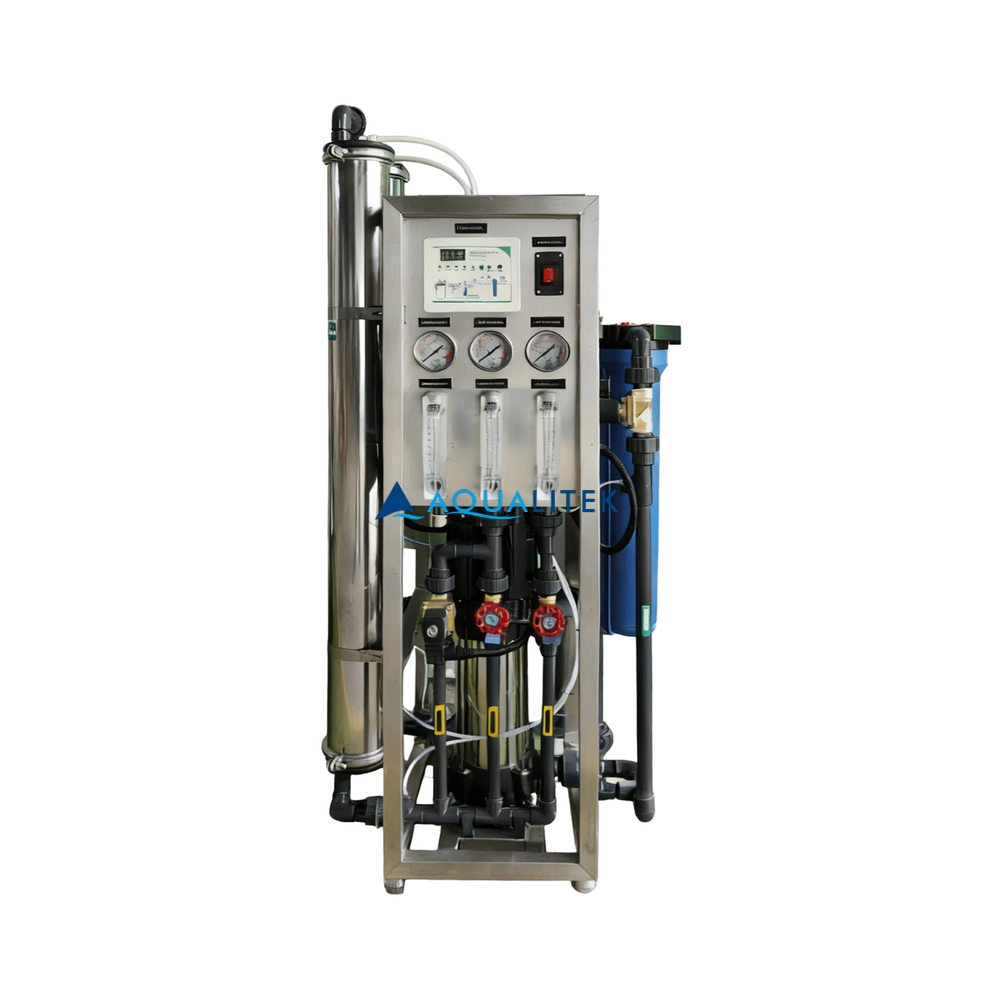
TWV series Reverse Osmosis (RO) systems are pre-engineered and pre-assembled units with 2.5”/4” membrane housings(single element type)for tap water(lower TDS).They are designed for overall superior performance, high recovery rates and offer great savings with low maintenance and operation costs.
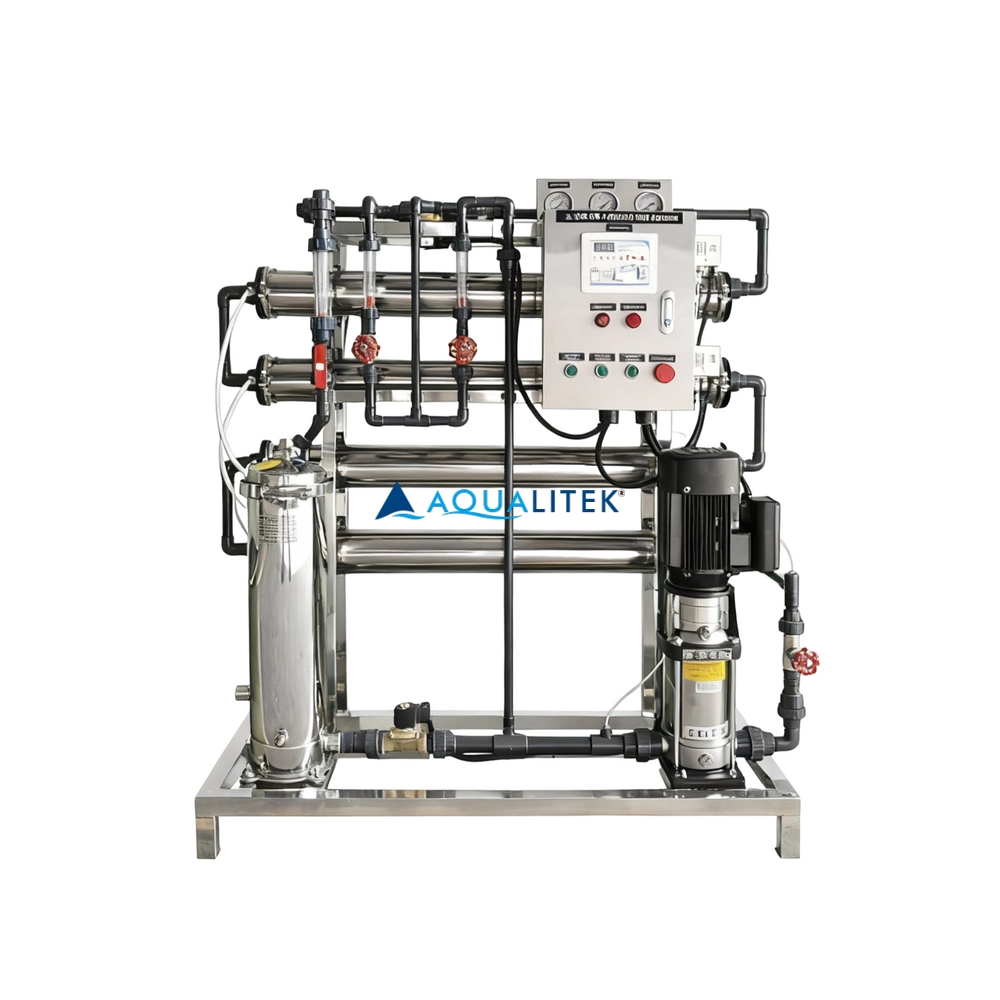
TWF series Reverse Osmosis (RO) systems are pre-engineered and pre-assembled units with 4” membrane housings(multiple elements type) for tap water(lower TDS) .The medium large volumes can help meet your a variety of commercial and industrial applications. They are designed for overall superior performance, high recovery rates and offer great savings with low maintenance and operation costs.

TWE series Reverse Osmosis (RO) systems are pre-engineered and pre-assembled units with 8” membrane housings for tap water (lower TDS). The large volumes can help meet your a variety of industrial applications. They are designed for overall superior performance, high recovery rates and offer great savings with low maintenance and operation costs.
© 2026 AQUALITEK. All rights reserved.
AQUALITEK- Aimee Hoo
AQUALITEK - Aimee Hoo