




How Should Materials Be Selected for Seawater Desalination Systems to Address Seawater Corrosion?| Insights by AQUALITEK
Material selection is critical for seawater desalination systems due to severe corrosion risks. Learn best practices for choosing pipes, pumps, and pressure vessels.
- Introduction
- 1. Why Seawater Is So Corrosive
- 2. General Principles for Material Selection in SWRO Systems
- 3. Pipeline Material Selection for Seawater Service
- Common Pipeline Materials and Suitability
- 1️⃣ High-Density Polyethylene (HDPE)
- 2️⃣ Glass-Reinforced Plastic (GRP / FRP)
- 3️⃣ Duplex / Super Duplex Stainless Steel
- 4. Pump Material Selection in SWRO Systems
- Recommended Pump Materials
- Key Design Considerations
- 5. Pressure Vessel Material Selection
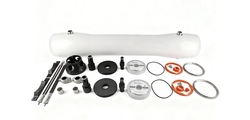
- Membrane Pressure Vessels (RO Housings)
- 1️⃣ FRP (Fiber-Reinforced Plastic) Pressure Vessels
- 2️⃣ Metallic Pressure Vessels (Less Common)
- 6. Fasteners, Valves, and Auxiliary Components
- 7. Galvanic Corrosion Control
- 8. Lifecycle Cost Perspective
- Conclusion
Introduction
Seawater desalination systems operate in one of the most aggressive corrosion environments encountered in industrial water treatment. High chloride concentration, dissolved oxygen, microorganisms, and continuous hydraulic stress make material selection a decisive factor in system reliability, safety, and lifecycle cost.
Inadequate material choices can lead to:
•Rapid pitting and crevice corrosion
•Stress corrosion cracking (SCC)
•Unexpected leaks or catastrophic failures
•Exponential maintenance and replacement costs
This article provides a Best-practice guide to selecting materials for pipelines, pumps, and pressure vessels in seawater desalination (SWRO) systems.
1. Why Seawater Is So Corrosive
Before selecting materials, it is essential to understand the corrosion mechanisms in seawater:
Key Corrosion Drivers
•High chloride concentration (~19,000 mg/L Cl⁻)
•Dissolved oxygen
•Microbiologically influenced corrosion (MIC)
•High operating pressures
•Temperature fluctuations
•Galvanic coupling between dissimilar metals
Conclusion: Ordinary carbon steel or standard stainless steel grades are usually unsuitable for long-term SWRO service.
2. General Principles for Material Selection in SWRO Systems
When selecting materials, the following principles should guide decision-making:
1.Chloride resistance first, strength second
2.Uniform corrosion resistance is not enough — pitting resistance matters
3.Avoid stress corrosion cracking under pressure
4.Minimize galvanic corrosion risks
5.Consider total lifecycle cost, not just initial CAPEX
3. Pipeline Material Selection for Seawater Service
Common Pipeline Materials and Suitability
1️⃣ High-Density Polyethylene (HDPE)
Best for:
•Seawater intake
•Low-pressure seawater transfer
•Chemical dosing lines
Advantages:
•Excellent corrosion resistance
•No galvanic corrosion
•Flexible and lightweight
•Long service life
Limitations:
•Pressure limitations
•Temperature sensitivity
2️⃣ Glass-Reinforced Plastic (GRP / FRP)
Best for:
•Seawater pipelines
•Large-diameter lines
•Intake and discharge systems
Advantages:
•Outstanding seawater corrosion resistance
•High strength-to-weight ratio
•Long service life
Key consideration:
Resin system must be seawater-grade (vinyl ester preferred).
3️⃣ Duplex / Super Duplex Stainless Steel
Typical grades:
•Duplex 2205
•Super Duplex 2507
Best for:
•High-pressure seawater pipelines
•Critical sections near pumps and membranes
Advantages:
•Excellent pitting and crevice corrosion resistance
•High mechanical strength
Caution:
Requires strict welding quality control to avoid corrosion initiation.
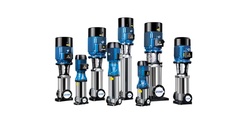
4. Pump Material Selection in SWRO Systems
Pumps are among the most corrosion-sensitive components due to turbulence, pressure, and cavitation risks.
Recommended Pump Materials
Wetted Parts
•Super Duplex Stainless Steel (2507)
•Titanium (Grade 2 or 5) for extreme conditions
•Nickel-based alloys (e.g., Hastelloy) for specialty applications
Shafts & Impellers
•Super duplex or titanium
•Ceramic or polymer coatings may be used for enhanced resistance
Key Design Considerations
•Avoid sharp edges to reduce cavitation
•Ensure sufficient NPSH margin
•Prevent stagnant zones where MIC may occur
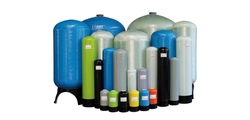
5. Pressure Vessel Material Selection
Membrane Pressure Vessels (RO Housings)
1️⃣ FRP (Fiber-Reinforced Plastic) Pressure Vessels
Industry standard for SWRO
Advantages:
•Completely corrosion-resistant
•Lightweight
•Long lifespan
•Proven track record
Design note:
End closures and metallic inserts must be corrosion-protected.
2️⃣ Metallic Pressure Vessels (Less Common)
If used, materials must be:
•Super duplex stainless steel
•Internally coated or lined
Risk:
Higher cost and corrosion management complexity.
6. Fasteners, Valves, and Auxiliary Components
These “small parts” often cause big failures if ignored.
Best Practices
•Use super duplex or titanium fasteners
•Avoid mixing carbon steel bolts with stainless components
•Select seawater-rated valves with compatible trim materials
•Apply electrical isolation where dissimilar metals cannot be avoided
7. Galvanic Corrosion Control
When dissimilar metals are used:
•Install dielectric flanges or insulating gaskets
•Maintain proper grounding
•Use sacrificial anodes where appropriate
Ignoring galvanic corrosion can destroy even premium materials rapidly.
8. Lifecycle Cost Perspective
While corrosion-resistant materials cost more upfront, they deliver:
•Fewer shutdowns
•Longer service life
•Lower maintenance costs
•Reduced safety and environmental risks
Best practice: Always evaluate total cost of ownership (TCO), not just purchase price.
Conclusion
Material selection for seawater desalination systems is not optional engineering refinement — it is a core design decision. Proper choices for pipelines, pumps, and pressure vessels must address:
•Chloride-induced corrosion
•Mechanical stress
•Microbial activity
•Long-term operational stability
By prioritizing corrosion resistance, compatibility, and lifecycle economics, SWRO systems can achieve decades of safe, reliable operation.


Request More Information or Expert Advice
Share a few details, and we’ll provide deeper insights, tailored suggestions, or product support.
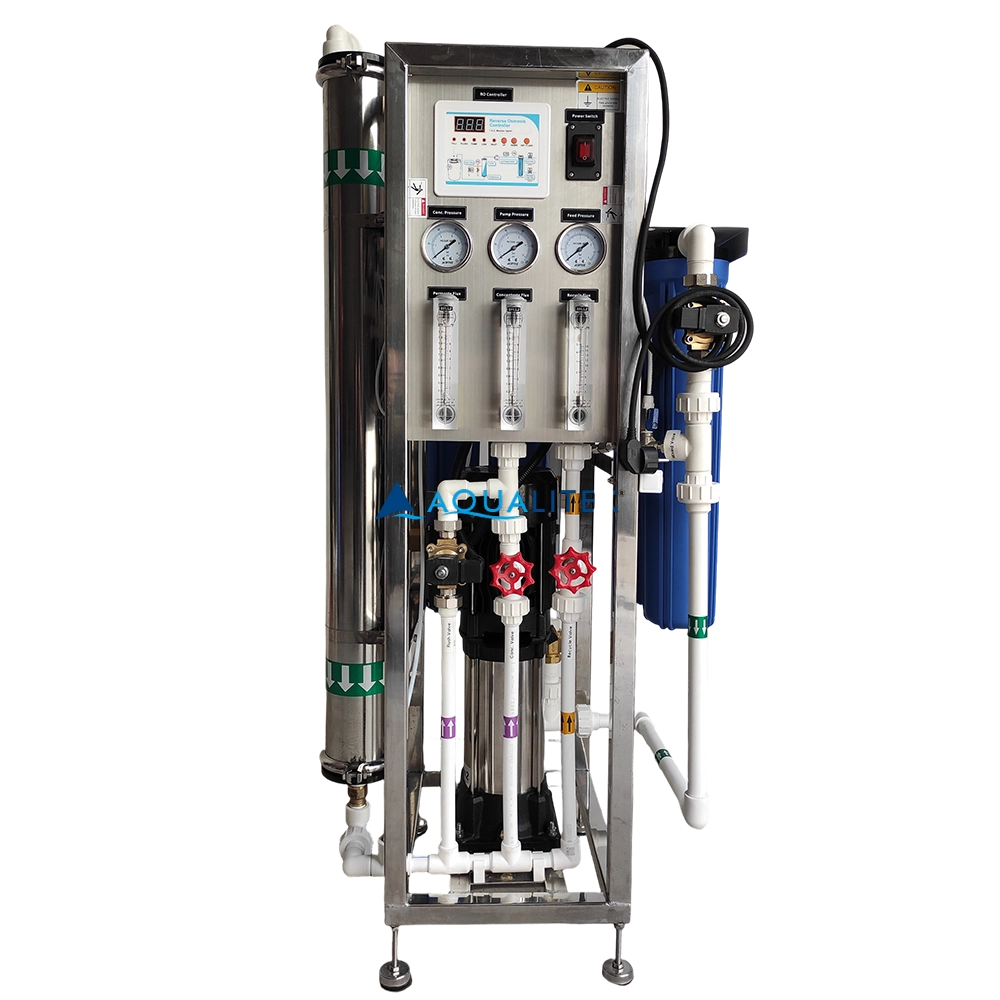
Our 500 LPH Reverse Osmosis (RO) System is engineered to provide high-quality purified water for commercial applications. Designed with advanced RO technology, durable components, and a user-friendly interface, this system ensures consistent performance, low maintenance, and long-term reliability.
With its compact design and robust skid-mounted frame, it’s an excellent choice for businesses that demand efficiency and quality in water purification.
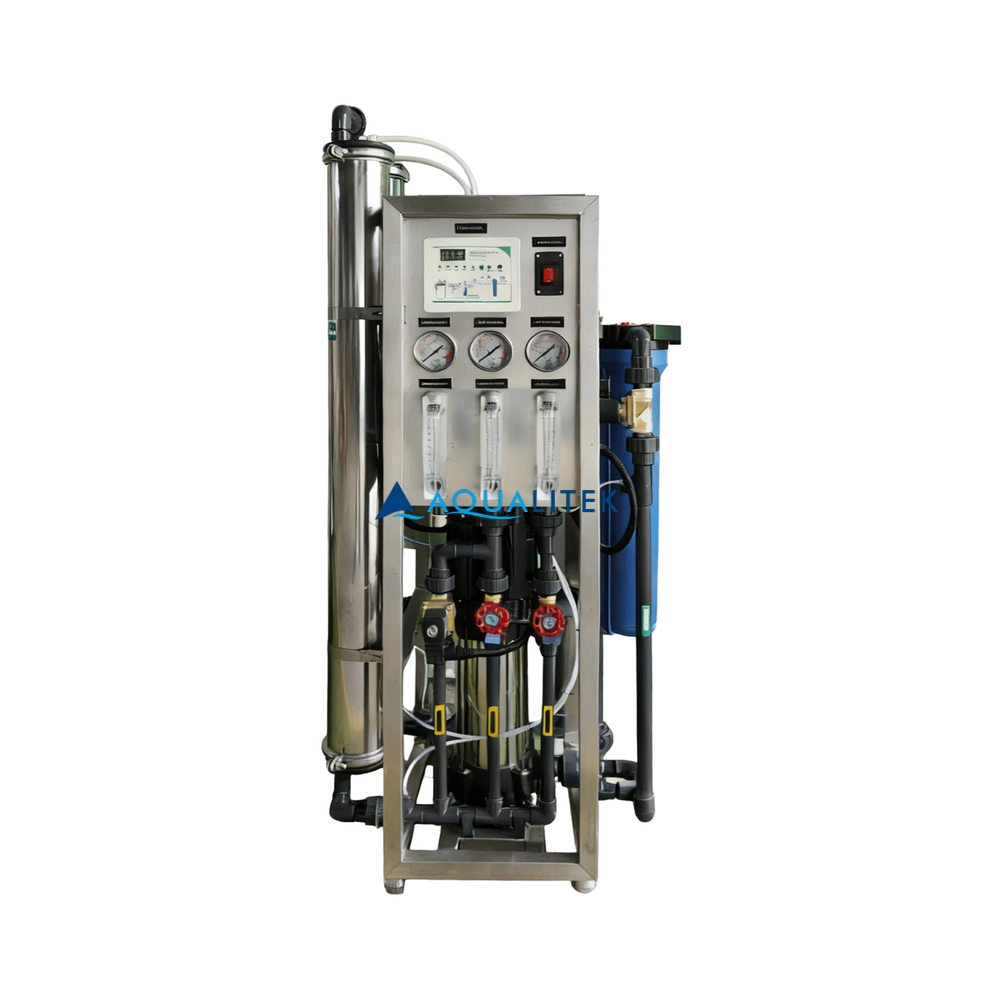
TWV series Reverse Osmosis (RO) systems are pre-engineered and pre-assembled units with 2.5”/4” membrane housings(single element type)for tap water(lower TDS).They are designed for overall superior performance, high recovery rates and offer great savings with low maintenance and operation costs.
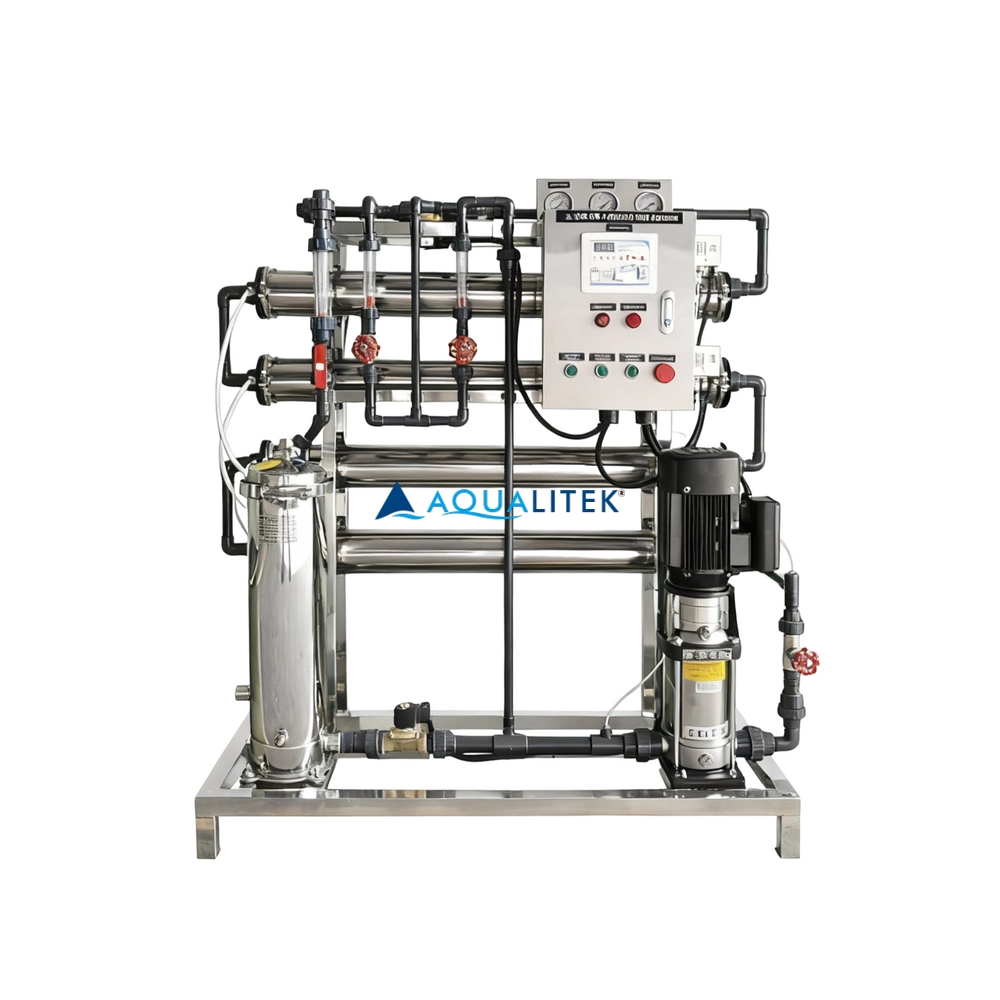
TWF series Reverse Osmosis (RO) systems are pre-engineered and pre-assembled units with 4” membrane housings(multiple elements type) for tap water(lower TDS) .The medium large volumes can help meet your a variety of commercial and industrial applications. They are designed for overall superior performance, high recovery rates and offer great savings with low maintenance and operation costs.

TWE series Reverse Osmosis (RO) systems are pre-engineered and pre-assembled units with 8” membrane housings for tap water (lower TDS). The large volumes can help meet your a variety of industrial applications. They are designed for overall superior performance, high recovery rates and offer great savings with low maintenance and operation costs.
© 2026 AQUALITEK. All rights reserved.
AQUALITEK- Aimee Hoo
AQUALITEK - Aimee Hoo