




How Does the Chemical Cleaning of Seawater Desalination Membranes Differ from That of Brackish Water Membranes?| Insights by AQUALITEK
Chemical cleaning of seawater RO membranes differs significantly from brackish water RO due to salinity, fouling types, and materials. Learn the key differences and best practices.
- Introduction
- 1. Fundamental Differences Between SWRO and BWRO Operating Environments
- 2. Fouling Characteristics: The Core Reason for Cleaning Differences
- SWRO Membranes – Dominant Fouling Types
- BWRO Membranes – Dominant Fouling Types
- 3. Differences in Cleaning Chemical Selection
- Alkaline Cleaning (pH 10–11)
- Acid Cleaning (pH 2–3)
- 4. Cleaning Temperature Control Differences
- 5. Differences in Cleaning Frequency and Triggers
- SWRO Cleaning Strategy
- BWRO Cleaning Strategy
- 6. Rinsing and Neutralization Requirements
- SWRO Systems
- BWRO Systems
- 7. Materials and Corrosion Considerations
- 8. Operational Risk: Why SWRO Cleaning Is Less Forgiving
- Conclusion
Introduction
Chemical cleaning (CIP) is a critical maintenance activity for all reverse osmosis (RO) systems. However, seawater desalination RO (SWRO) membranes operate under fundamentally different conditions than brackish water RO (BWRO) membranes.
As a result, cleaning chemistry, procedures, frequency, and risk control requirements differ substantially. Applying BWRO cleaning practices directly to SWRO systems can lead to ineffective cleaning, accelerated membrane damage, or irreversible performance loss.
This article explains how and why SWRO membrane chemical cleaning differs from BWRO cleaning, and outlines best practices for each.
1. Fundamental Differences Between SWRO and BWRO Operating Environments
Before comparing cleaning methods, it is essential to understand the operating differences:
|
Parameter |
SWRO |
BWRO |
|
Feed TDS |
~35,000 mg/L |
1,000–10,000 mg/L |
|
Operating pressure |
Very high |
Moderate |
|
Fouling types |
Biofouling, organics, colloids |
Scaling, iron, silica |
|
Microorganisms |
Extremely abundant |
Moderate |
|
Membrane materials |
Highly corrosion-resistant |
Standard RO materials |
|
Cleaning risk |
High |
Medium |
These differences directly affect cleaning strategy and chemical selection.
2. Fouling Characteristics: The Core Reason for Cleaning Differences
SWRO Membranes – Dominant Fouling Types
•Biofouling (bacteria, algae, EPS)
•Organic matter (marine organics, humic substances)
•Fine colloids and silt
•Bio-sludge mixed with organics
BWRO Membranes – Dominant Fouling Types
•Inorganic scaling (CaCO₃, CaSO₄, BaSO₄)
•Iron and manganese oxides
•Silica fouling
•Mixed particulate fouling
Implication:
SWRO cleaning focuses more on biological and organic fouling control, while BWRO cleaning focuses more on inorganic scale removal.
3. Differences in Cleaning Chemical Selection
Alkaline Cleaning (pH 10–11)
|
Aspect |
SWRO |
BWRO |
|
Main purpose |
Remove biofilm & organics |
Remove organics & some colloids |
|
Chemical strength |
More conservative |
More aggressive allowed |
|
Biocidal additives |
Often required |
Optional |
SWRO considerations:
•High salinity buffers pH → more chemical required
•Biofilms are denser and harder to penetrate
•Oxidizing agents are strictly prohibited
Acid Cleaning (pH 2–3)
|
Aspect |
SWRO |
BWRO |
|
Main purpose |
Limited scale removal |
Primary scale removal |
|
Frequency |
Lower |
Higher |
|
Acid strength |
Carefully controlled |
More flexible |
Key difference:
SWRO membranes experience less classical scaling due to lower recovery (40–50%), so acid cleaning is often secondary, while BWRO systems rely heavily on acid cleaning.
4. Cleaning Temperature Control Differences
Temperature has a strong impact on cleaning efficiency and membrane safety.
•SWRO membranes:
Cleaning temperature strictly limited (often ≤30–35°C)
Higher temperatures accelerate chemical attack under high salinity
•BWRO membranes:
Wider allowable temperature range
More flexibility to enhance cleaning kinetics
SWRO cleaning prioritizes membrane protection over cleaning speed.
5. Differences in Cleaning Frequency and Triggers
SWRO Cleaning Strategy
•Less frequent, but more carefully planned
•Triggered by:
Biofouling indicators
Differential pressure increase
Normalized flow decline
•Over-cleaning risks membrane damage
BWRO Cleaning Strategy
•More frequent cleaning cycles
•Triggered by:
Scaling indices
Rapid pressure drop increase
Recovery-related fouling
Key takeaway:
SWRO cleaning is preventive and conservative, while BWRO cleaning is often corrective and frequent.
6. Rinsing and Neutralization Requirements
SWRO Systems
•Longer flushing time required
•Complete chemical removal is critical
•Residual chemicals can:
Damage downstream materials
Kill beneficial bio-control dosing balance
Affect permeate quality significantly
BWRO Systems
•Shorter rinse cycles generally sufficient
•Less risk of residual chemical concentration effects
7. Materials and Corrosion Considerations
SWRO cleaning systems must consider:
•High chloride concentration
•Stress corrosion cracking risks
•Compatibility with duplex/super duplex steels
As a result:
•Chemical compatibility checks are mandatory
•Cleaning solution conductivity and chloride levels must be monitored
BWRO systems face lower corrosion risks during CIP.
8. Operational Risk: Why SWRO Cleaning Is Less Forgiving
Mistakes during SWRO membrane cleaning may result in:
•Irreversible membrane oxidation
•Rapid loss of salt rejection
•Increased boron passage
•Shortened membrane life
BWRO membranes are generally more tolerant of minor cleaning errors.
Conclusion
Chemical cleaning of seawater desalination membranes is not simply a higher-salinity version of brackish water membrane cleaning. It requires:
•Different chemical priorities
•Stricter temperature and pH control
•Longer and more thorough rinsing
•Greater focus on biofouling rather than scaling
Applying BWRO cleaning logic to SWRO systems is a common but costly mistake. Tailored cleaning strategies are essential for long-term SWRO performance and membrane longevity.


Request More Information or Expert Advice
Share a few details, and we’ll provide deeper insights, tailored suggestions, or product support.
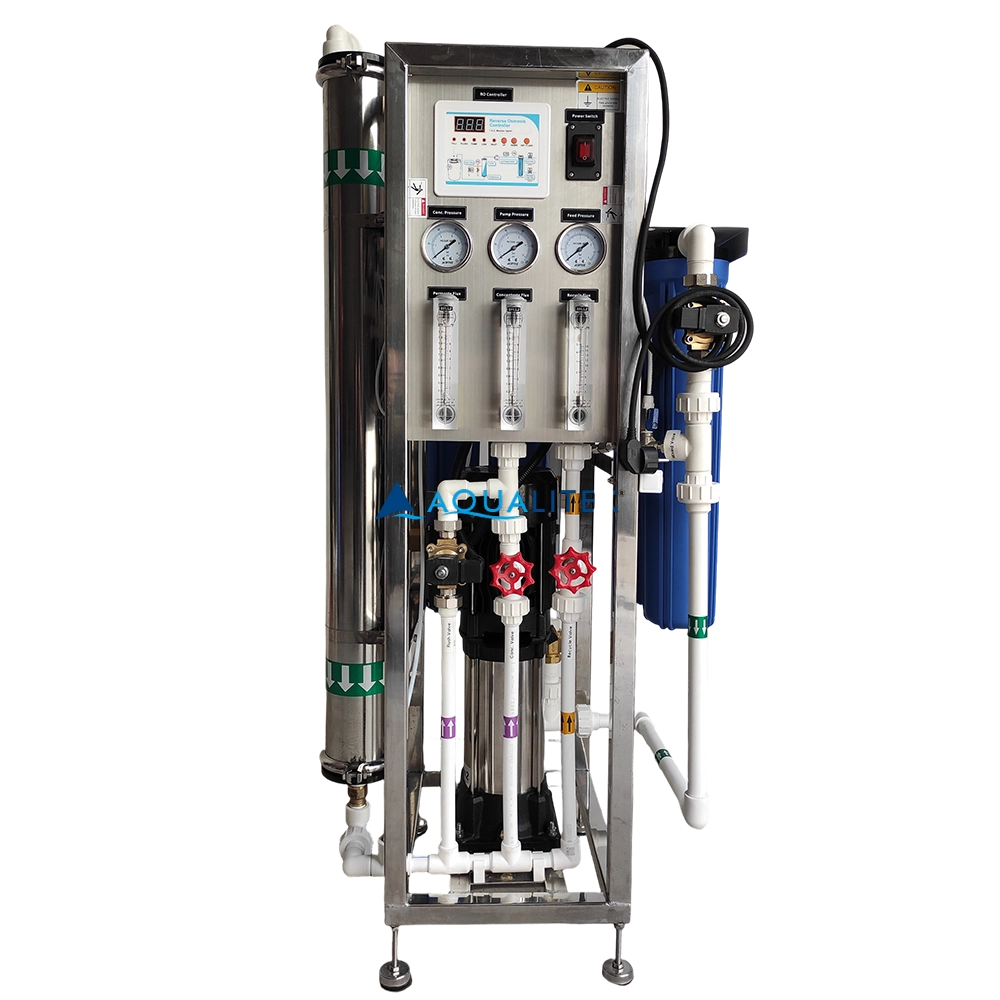
Our 500 LPH Reverse Osmosis (RO) System is engineered to provide high-quality purified water for commercial applications. Designed with advanced RO technology, durable components, and a user-friendly interface, this system ensures consistent performance, low maintenance, and long-term reliability.
With its compact design and robust skid-mounted frame, it’s an excellent choice for businesses that demand efficiency and quality in water purification.
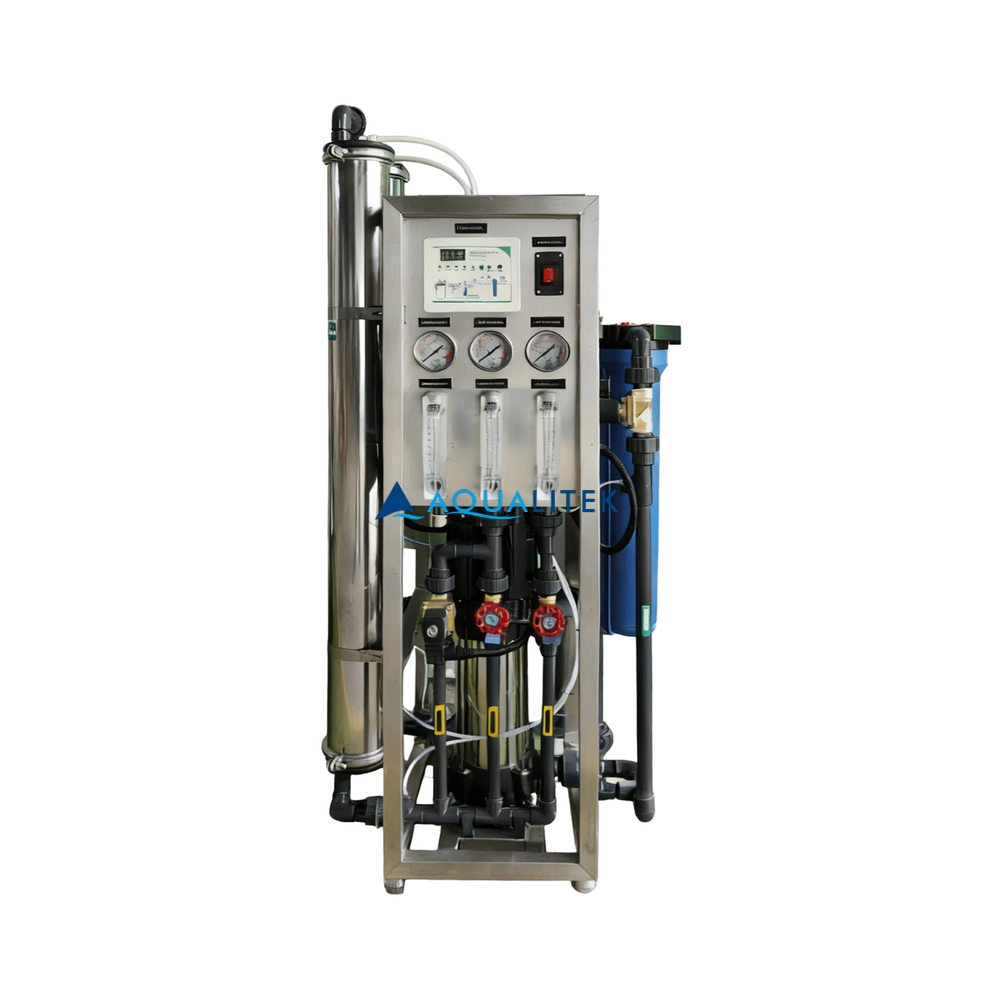
TWV series Reverse Osmosis (RO) systems are pre-engineered and pre-assembled units with 2.5”/4” membrane housings(single element type)for tap water(lower TDS).They are designed for overall superior performance, high recovery rates and offer great savings with low maintenance and operation costs.
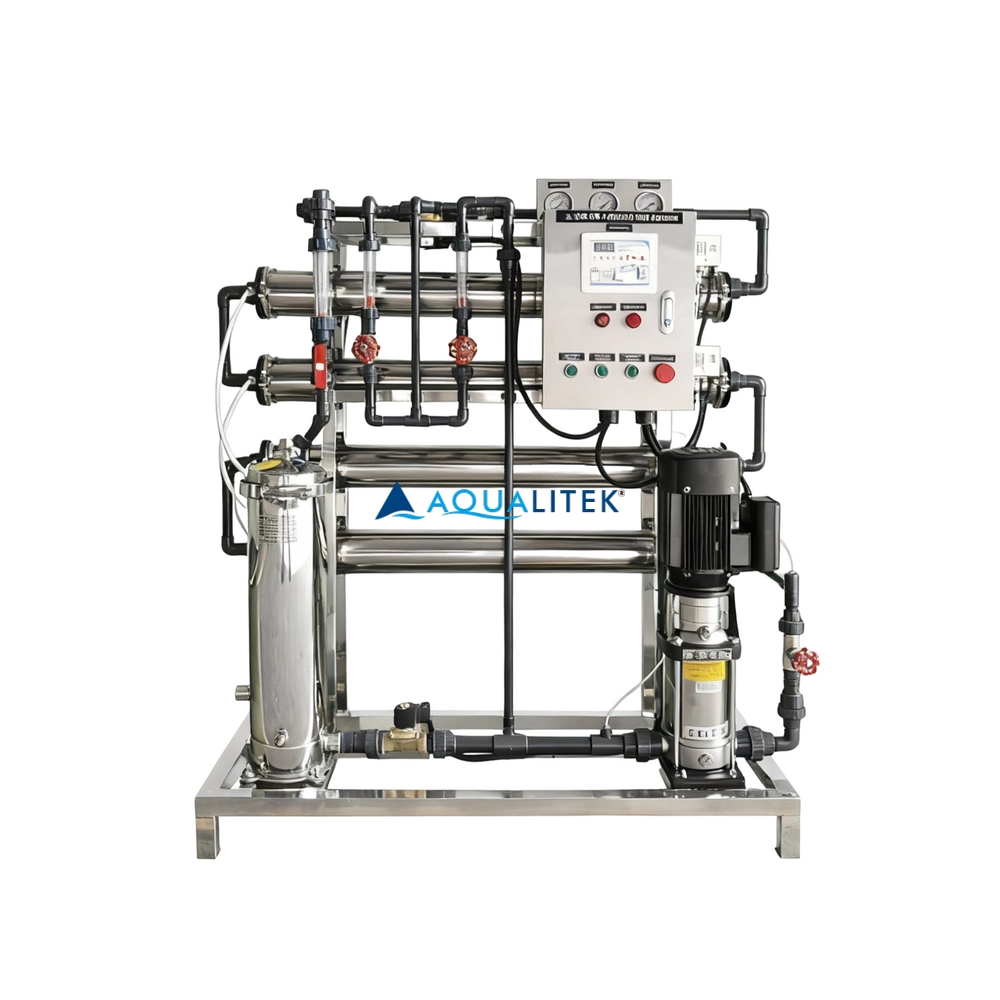
TWF series Reverse Osmosis (RO) systems are pre-engineered and pre-assembled units with 4” membrane housings(multiple elements type) for tap water(lower TDS) .The medium large volumes can help meet your a variety of commercial and industrial applications. They are designed for overall superior performance, high recovery rates and offer great savings with low maintenance and operation costs.

TWE series Reverse Osmosis (RO) systems are pre-engineered and pre-assembled units with 8” membrane housings for tap water (lower TDS). The large volumes can help meet your a variety of industrial applications. They are designed for overall superior performance, high recovery rates and offer great savings with low maintenance and operation costs.
© 2026 AQUALITEK. All rights reserved.
AQUALITEK- Aimee Hoo
AQUALITEK - Aimee Hoo