





Where Does a Continuous Hissing Sound During RO System Operation Come From?| Insights by AQUALITEK
A continuous hissing sound in an RO system often indicates pressure loss, leakage, or flow instability. Learn the common sources, risks, and troubleshooting steps to prevent system damage.
- Introduction
- Why a Continuous Hissing Sound Matters
- Most Common Sources of a Continuous Hissing Sound
- 1. Concentrate (Brine) Control Valve or Throttle Valve
- 2. Pressure Relief Valve or Safety Valve Micro-Release
- 3. Minor High-Pressure Water Leakage at Fittings
- 4. O-Ring or End Plate Sealing Failure in Membrane Housing
- 5. Air Ingress or Cavitation at the High-Pressure Pump
- 6. Automatic Vent Valves or Air Release Valves
- 7. Chemical Dosing Injection Points
- How to Quickly Identify the Source
- When Is Immediate Action Required?
- Best Practice Recommendations
- Conclusion
Introduction
During the operation of an industrial reverse osmosis (RO) system, operators may notice a continuous hissing or “air-leak–like” sound. Although the system may still appear to run normally, this sound is never something to ignore.
In practice, persistent hissing usually indicates:
•Pressure release
•Fluid leakage
•Cavitation
•Abnormal flow conditions
This article explains where the hissing sound most commonly originates, how to identify the source quickly, and what risks it may pose to the system.
Why a Continuous Hissing Sound Matters
In RO systems:
•All pressurized sections are designed to be sealed and stable
•Any continuous sound usually indicates energy loss
If left unaddressed, a small hissing sound can develop into:
•Pressure vessel damage
•Pump failure
•Membrane fouling
•Sudden system shutdown
Most Common Sources of a Continuous Hissing Sound
1. Concentrate (Brine) Control Valve or Throttle Valve
Most common and often normal—but only within limits
When the concentrate valve is:
•Partially closed
•Regulating recovery rate
High-velocity brine flow can create a:
•Continuous hissing or rushing sound
✔ Normal if:
•Sound is stable
•Pressure and flow are normal
⚠ Abnormal if:
•Sound suddenly increases
•Recovery rate has changed unintentionally
2. Pressure Relief Valve or Safety Valve Micro-Release
A pressure relief valve may:
•Partially open due to overpressure
•Leak continuously if spring tension weakens
This creates:
•Constant gas-like hissing
•Invisible pressure loss
⚠ Risks:
•Inaccurate pressure readings
•Hidden safety risk
3. Minor High-Pressure Water Leakage at Fittings
Small leaks at:
•High-pressure tubing
•Compression fittings
•Pressure gauge connections
May not produce visible dripping, but:
•High-pressure water escaping creates a sharp hissing sound
These leaks often worsen rapidly under pressure cycling.
4. O-Ring or End Plate Sealing Failure in Membrane Housing
If an O-ring:
•Is damaged
•Is misaligned
•Has lost elasticity
High-pressure feed water may escape internally or externally, producing:
•Continuous hissing
•Slight water mist
•Pressure instability
⚠ This is a high-risk fault requiring immediate shutdown.
5. Air Ingress or Cavitation at the High-Pressure Pump
If air enters the pump due to:
•Low feed pressure
•Suction line leakage
•Insufficient NPSH
The pump may produce:
•Hissing
•Crackling
•Whistling sounds
⚠ Long-term cavitation can cause:
•Impeller damage
•Bearing failure
•Rapid pump wear
6. Automatic Vent Valves or Air Release Valves
Some systems include:
•Automatic air vents
•Degassing valves
If these are:
•Stuck partially open
•Malfunctioning
They may continuously vent air or water vapor, producing:
•A steady hissing noise
7. Chemical Dosing Injection Points
At scale inhibitor or reducing agent injection points:
•High-velocity flow through injection quills
•Improper non-return valve operation
May generate:
•Localized hissing sounds
⚠ This may indicate:
•Backflow risk
•Chemical dilution instability
How to Quickly Identify the Source
✔ Walk along the system and listen closely
✔ Compare sound intensity near valves, pumps, and vessels
✔ Lightly spray suspected fittings with water (sound change indicates leak)
✔ Observe pressure gauge stability
✔ Temporarily reduce system pressure (if safe) and check sound changes
When Is Immediate Action Required?
Stop the system immediately if:
•Hissing sound suddenly appears
•Sound increases rapidly
•Pressure fluctuates abnormally
•Water mist or vibration is detected
Never assume a new hissing sound is “normal.”
Best Practice Recommendations
✔ Record sound changes as part of daily inspection
✔ Treat unusual sounds as early warning signals
✔ Train operators to distinguish normal valve noise vs. fault noise
✔ Never operate long-term with unexplained hissing
Conclusion
A continuous hissing sound during RO system operation is not merely a noise issue—it is a pressure and reliability issue. While some sounds originate from normal flow regulation, many indicate leakage, cavitation, or sealing failure.
Early identification and correction:
•Prevent major equipment damage
•Extend membrane and pump lifespan
•Improve overall system safety
In RO operation, sound is data—ignore it at your own risk.
![The Ultimate 2026 Guide to Nanofiltration for industrial: Everything You Need to Know [Expert Insights]](https://www.aqualitek.com/upload/img/GY729933660850/the-ultimate-2026-guide-to-nanofiltration-for-industrial-everything-you-need-to-know-expert-insights.png?x-oss-process=image/watermark,t_100,g_center,x_5,y_5,image_dXBsb2FkL2ltZy9HWTcyOTkzMzY2MDg1MC9sb2dvLW5ldy0zLnBuZz94LW9zcy1wcm9jZXNzPWltYWdlL3Jlc2l6ZSxQXzI1/format,webp/quality,Q_100 "The-Ultimate-2026-Guide-to-Nanofiltration-for-industrial:-Everything-You-Need-to-Know-[Expert-Insights]")


Request More Information or Expert Advice
Share a few details, and we’ll provide deeper insights, tailored suggestions, or product support.
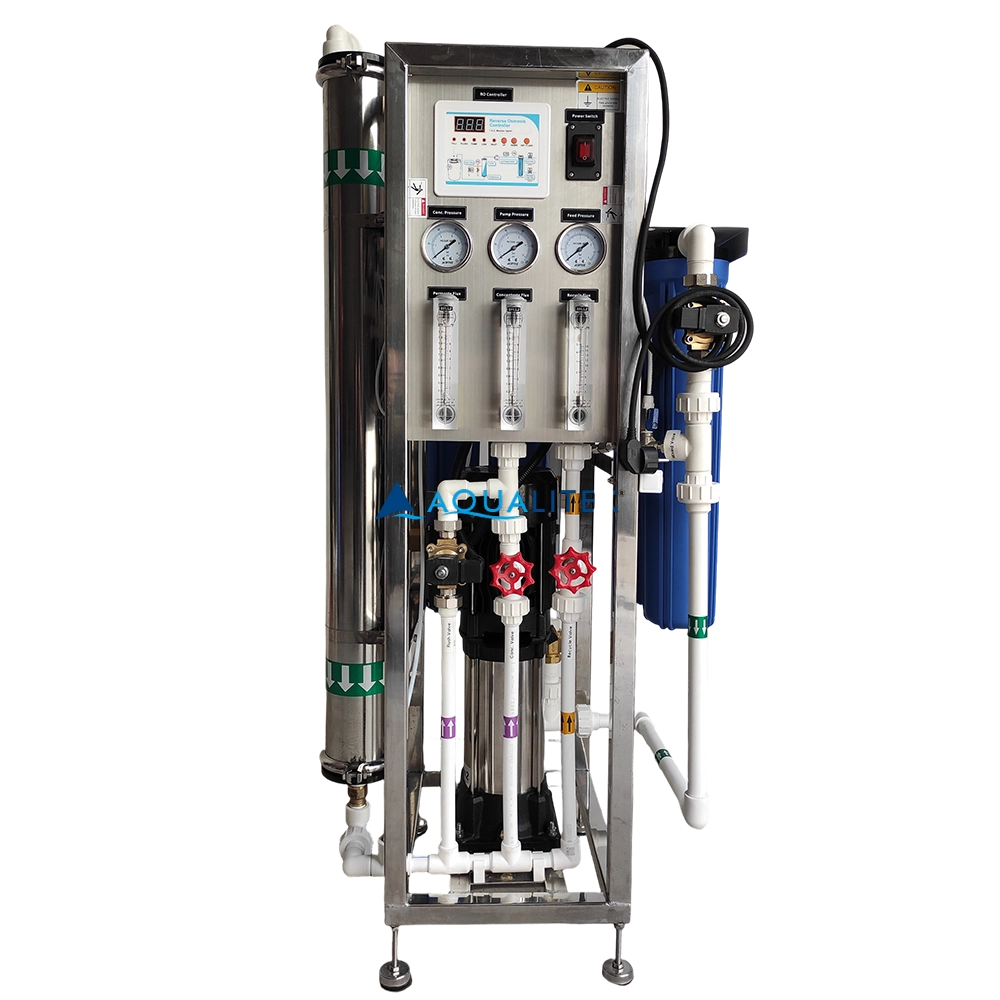
Our 500 LPH Reverse Osmosis (RO) System is engineered to provide high-quality purified water for commercial applications. Designed with advanced RO technology, durable components, and a user-friendly interface, this system ensures consistent performance, low maintenance, and long-term reliability.
With its compact design and robust skid-mounted frame, it’s an excellent choice for businesses that demand efficiency and quality in water purification.
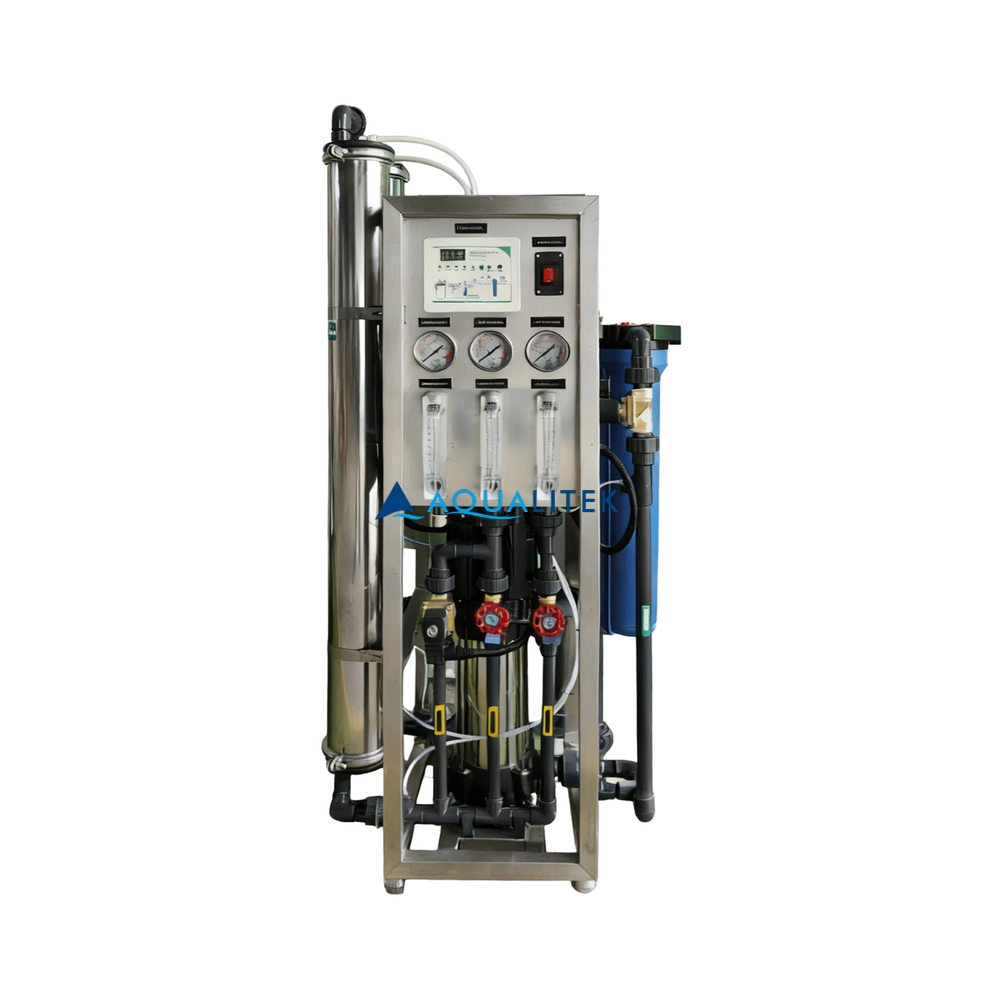
TWV series Reverse Osmosis (RO) systems are pre-engineered and pre-assembled units with 2.5”/4” membrane housings(single element type)for tap water(lower TDS).They are designed for overall superior performance, high recovery rates and offer great savings with low maintenance and operation costs.
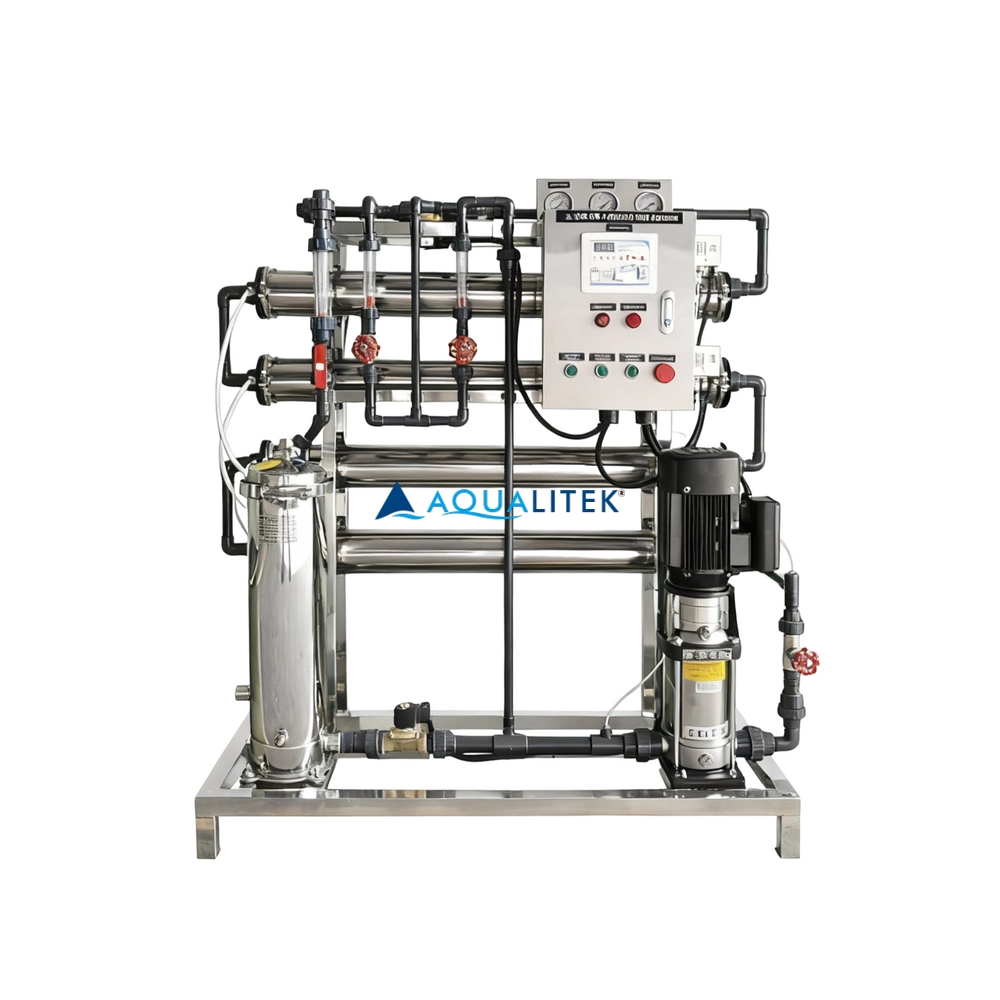
TWF series Reverse Osmosis (RO) systems are pre-engineered and pre-assembled units with 4” membrane housings(multiple elements type) for tap water(lower TDS) .The medium large volumes can help meet your a variety of commercial and industrial applications. They are designed for overall superior performance, high recovery rates and offer great savings with low maintenance and operation costs.

TWE series Reverse Osmosis (RO) systems are pre-engineered and pre-assembled units with 8” membrane housings for tap water (lower TDS). The large volumes can help meet your a variety of industrial applications. They are designed for overall superior performance, high recovery rates and offer great savings with low maintenance and operation costs.
© 2026 AQUALITEK. All rights reserved.
AQUALITEK- Aimee Hoo
AQUALITEK - Aimee Hoo