




The Ultimate 2026 Guide to Nanofiltration: Everything You Need to Know [Expert Insights]
- Quick Summary: The Future of Separation Technology
- What is Nanofiltration (NF)?
- Nanofiltration vs. Reverse Osmosis vs. Ultrafiltration: A Technical Comparison
- Comparison Matrix
- Core Applications & Industry Use Cases
- 2026 Market Outlook: Trends and Innovations
- Expert Tips for System Design and Maintenance
- Cost Analysis and ROI Factors
- Conclusion
- FAQ
- What is the primary difference between nanofiltration and reverse osmosis?
- What contaminants does nanofiltration remove?
- Is nanofiltration suitable for drinking water purification?
- What is the typical pore size of a nanofiltration membrane?
- Does nanofiltration require high operating pressure?
- Can nanofiltration remove viruses and bacteria?
- What are the disadvantages of nanofiltration?
- How long do nanofiltration membranes last?
Quick Summary: The Future of Separation Technology
Nanofiltration (NF) is a pressure-driven membrane process that offers a strategic middle ground between Ultrafiltration and Reverse Osmosis, providing high selectivity for divalent ions while operating at lower energy costs. As we approach 2026, industrial adoption is shifting towards resource recovery and minimizing operational expenditures (OPEX).
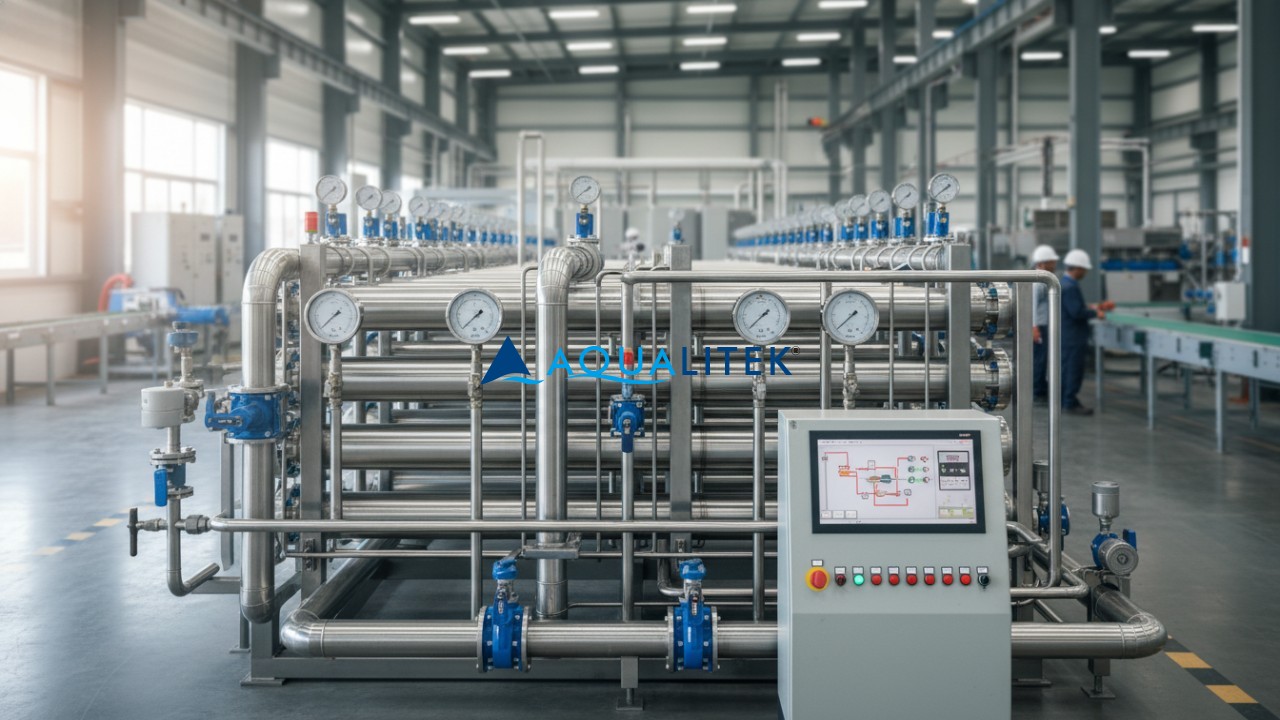
For process engineers and facility managers, the focus is no longer just on water purification but on sustainable efficiency. Nanofiltration systems are rapidly becoming the standard for industries looking to reduce their carbon footprint while maintaining high-quality output. At AQUALITEK, we have observed a surge in demand for customized NF solutions that balance throughput with energy conservation.
- High Selectivity: Effectively removes organics and hardness while passing monovalent salts.
- Energy Efficiency: Operates at significantly lower pressures than RO, reducing electricity usage.
- Resource Recovery: Ideal for reclaiming valuable byproducts in wastewater streams.
What is Nanofiltration (NF)?
Nanofiltration is a precise membrane filtration method utilizing pore sizes typically between 0.001 and 0.01 microns to separate fluids, effectively bridging the gap between Ultrafiltration (UF) and Reverse Osmosis (RO). It is often described as a "loose RO" membrane due to its ability to reject organic molecules and multivalent ions.
Often called the "Cinderella" of membrane technology, nanofiltration membranes utilize a unique separation mechanism. Unlike UF, which relies solely on size exclusion (sieving), NF employs both steric exclusion (size) and the Donnan Effect (electrostatic repulsion). The membrane surface is typically negatively charged, which helps in the targeted rejection of negatively charged ions like sulfates.
This dual mechanism makes NF the superior choice for specific tasks. According to Wikipedia, this technology is extensively used for water softening because it allows monovalent ions (like sodium) to pass through while rejecting divalent ions (like calcium and magnesium). This selective nature prevents the "over-purification" often seen with RO, preserving the chemical balance required for certain industrial processes.
- Pore Size: 1–10 nanometers (nm).
- Rejection Mechanism: Size exclusion + Surface charge repulsion.
- Target Contaminants: Pesticides, heavy metals, nitrates, and sulfates.
Nanofiltration vs. Reverse Osmosis vs. Ultrafiltration: A Technical Comparison
Nanofiltration vs reverse osmosis comes down to selectivity and pressure; while RO removes 99% of all impurities including monovalent salts at high pressure, NF operates at lower pressures (50–225 psi) and selectively retains beneficial minerals. This fundamental difference dictates the operational cost and application suitability for industrial facilities.
Understanding the filtration spectrum is critical for system design. Ultrafiltration is too loose for dissolved solids, while RO is often overkill for simple water softening. Nanofiltration membranes sit perfectly in the middle. For engineers, the choice often depends on the desired permeate quality. If total demineralization isn't required, choosing NF over RO can lead to substantial energy savings.
Standard regulatory bodies, such as the EPA, classify these technologies based on their contaminant removal capabilities. While RO is the gold standard for desalination, NF is increasingly preferred for wastewater reclamation where lower operating pressures translate to better ROI.
Comparison Matrix
- Reverse Osmosis (RO): Tightest pores (<0.001 microns), removes monovalent ions, high pressure (225+ psi), creates "dead water."
- Nanofiltration (NF): Moderate pores (0.001–0.01 microns), removes divalent ions/organics, moderate pressure (50–225 psi), retains minerals.
- Ultrafiltration (UF): Larger pores (0.01–0.1 microns), removes particulates/bacteria, low pressure, passes dissolved solids.
To learn more about the nuances of membrane selection, read our guide on the Unique Features of Nanofiltration Membranes Between Ultrafiltration and Reverse Osmosis.
Core Applications & Industry Use Cases
Nanofiltration water filters are primarily used in municipal water treatment for softening and micropollutant removal, as well as in the food and beverage industry for product concentration and lactose recovery. Their versatility allows them to handle diverse feed streams ranging from groundwater to industrial effluent.
At AQUALITEK, we engineer nanofiltration systems for clients who need to recover specific materials from their waste streams. For instance, in the textile industry, NF is used to recover salt and dye from wastewater, allowing for the reuse of hot water and significantly reducing thermal energy costs.
- Municipal Water: Removal of pesticides, arsenic, and color without total demineralization.
- Dairy Industry: Concentration of lactose and whey; de-acidification of juices.
- Industrial Wastewater: Recovery of heavy metals in plating shops and valuable dyes in textiles.
- Pharmaceuticals: Solvent exchange and purification of heat-sensitive active ingredients.
2026 Market Outlook: Trends and Innovations
By 2026, the nanofiltration market is projected to expand significantly, driven by the global push for Zero Liquid Discharge (ZLD) and the integration of smart IoT sensors for real-time performance monitoring. Advanced materials like graphene and ceramic membranes are emerging to handle harsher chemical environments.
We are moving away from passive filtration to "smart filtration." Modern nanofiltration membranes and water purification units are now being equipped with predictive analytics to forecast fouling before it impacts system performance. This shifts maintenance from a reactive to a proactive schedule, reducing downtime.
Sustainability is the key driver. Industries in the US and Asia-Pacific are adopting NF to meet strict environmental regulations regarding wastewater discharge. The ability of NF to facilitate a circular economy—where water and solutes are reused—is its strongest value proposition for the future.
- Advanced Materials: Ceramic and Graphene NF for high-temperature/acidic applications.
- Smart Integration: IoT-enabled systems for real-time flux and pressure monitoring.
- Sustainability: Key component in ZLD systems to minimize liquid waste.
Expert Tips for System Design and Maintenance
Successful nanofiltration system operation relies heavily on robust pre-treatment to prevent fouling and selecting the correct Molecular Weight Cut-Off (MWCO) for your specific solute rejection needs. Neglecting pre-treatment is the number one cause of premature membrane failure.
Drawing from our experience at Aike Water Treatment Technology (AQUALITEK), we recommend a multi-barrier approach. Integrating multimedia filters or UF prior to the NF stage can drastically extend the lifespan of your nanofiltration water filter. Furthermore, regular Clean-in-Place (CIP) protocols must be established based on the specific fouling potential of your feed water.
- Pre-treatment: Use UF or cartridge filters to remove suspended solids.
- Cleaning: Implement automated CIP cycles with pH-adjusted cleaning solutions.
- Membrane Selection: Match the MWCO (e.g., 200–1000 Daltons) to the target contaminant.
- Monitoring: Track normalized permeate flow to detect early signs of fouling.
For complex setups, engineers often ask How to integrate RO with ion exchange or nanofiltration? to maximize purity and efficiency.
Cost Analysis and ROI Factors
When evaluating reverse osmosis vs nanofiltration from a cost perspective, NF often presents a superior ROI for applications requiring water softening or partial desalination due to 30–50% lower energy consumption. While the initial CAPEX for nanofiltration membranes can be slightly higher than standard RO elements, the OPEX savings are substantial.
Economic intelligence dictates that buyers look beyond the sticker price. A Lifecycle Assessment (LCA) should be conducted to evaluate membrane durability. AQUALITEK systems are designed to maximize this lifecycle, often delivering a payback period of less than 24 months for industrial retrofits.
- CAPEX: Initial system design, pumps, and membrane elements.
- OPEX: Electricity (lower pressure = lower cost), chemical cleaning, and membrane replacement.
- ROI: Calculated based on water recovery rates and energy savings compared to evaporation or full RO.
Conclusion
Nanofiltration stands as the versatile, energy-efficient middle ground for modern industrial separation needs, offering a unique balance between high-quality filtration and operational sustainability. As we move towards 2026, adopting advanced nanofiltration systems is not just a technical upgrade but a crucial strategy for effective water management and resource recovery. Whether you are comparing nanofiltration vs reverse osmosis or looking to upgrade your current treatment plant, the future lies in selective, smart filtration.
Contact AQUALITEK today to optimize your nanofiltration strategy and audit your industrial water systems.
FAQ
What is the primary difference between nanofiltration and reverse osmosis?
Nanofiltration has slightly larger pores (0.001–0.01 microns) and operates at lower pressure (50–225 psi) compared to Reverse Osmosis. While RO removes almost all impurities including monovalent ions like sodium, NF effectively removes divalent ions (like calcium and magnesium) and organics but allows some monovalent salts to pass through.
What contaminants does nanofiltration remove?
It effectively removes water hardness (calcium, magnesium), heavy metals, sulfates, nitrates, bacteria, viruses, and organic macromolecules such as pesticides and dyes. It is particularly effective for removing color and odor from industrial wastewater.
Is nanofiltration suitable for drinking water purification?
Yes, it is excellent for drinking water treatment. It softens water and removes harmful organics and micropollutants while retaining beneficial minerals that enhance taste, avoiding the flat taste associated with the "dead water" produced by RO.
What is the typical pore size of a nanofiltration membrane?
The pore size typically ranges from 1 to 10 nanometers (0.001 to 0.01 microns). This range is tight enough to reject organic molecules and viruses but loose enough to allow water and monovalent ions to flow through with less resistance than RO.
Does nanofiltration require high operating pressure?
No, it requires moderate pressure, typically between 50 to 225 psi (3.5 to 16 bar). This is significantly lower than the pressures required for Reverse Osmosis, leading to lower energy consumption and reduced operational costs.
Can nanofiltration remove viruses and bacteria?
Yes, nanofiltration membranes are tight enough to reject virtually all bacteria, viruses, and cysts. However, for absolute sterility, a disinfection step (like UV or chlorination) is often recommended as a safety redundancy.
What are the disadvantages of nanofiltration?
The main disadvantage is that it does not remove monovalent salts (like sodium chloride from seawater) effectively, making it unsuitable for desalination. It is also susceptible to membrane fouling if the feed water is not properly pre-treated.
How long do nanofiltration membranes last?
With proper maintenance, regular cleaning, and adequate pre-treatment, nanofiltration membranes typically last between 3 to 7 years, depending on the quality of the feed water and the severity of the operating conditions.


Request More Information or Expert Advice
Share a few details, and we’ll provide deeper insights, tailored suggestions, or product support.
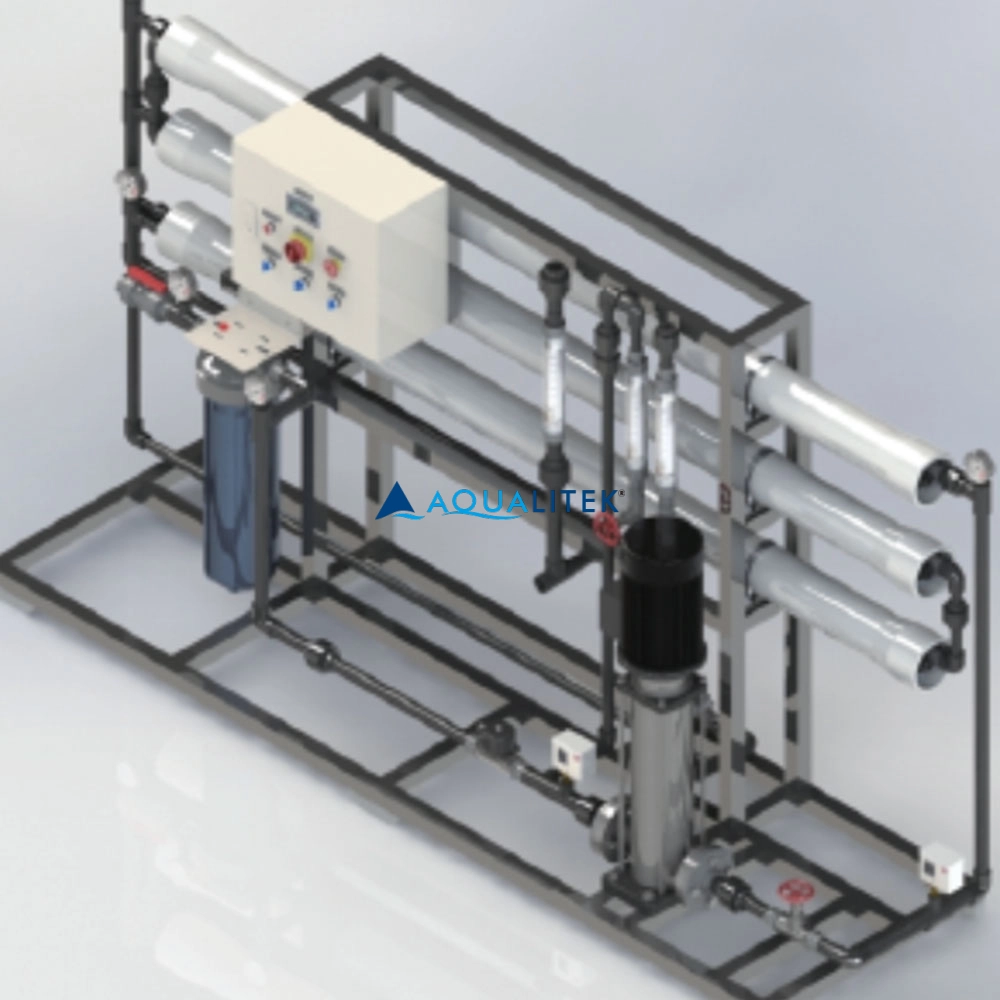
Nanofiltration is a speciality membrane process which rejects particles in the approximate size range of 1 nanometer. It reliably remove color and total organic carbon (TOC) from surface water, hardness or radium from well water, overall reduce total dissolved solids (TDS).
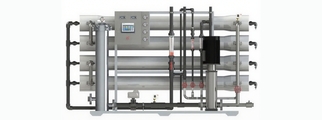
NFS series nanofltration systems are pre-engineered and pre-assembled units to produce clean, purified water with nanofltration membranes for fresh groundwater and surface water. The multiple volumes can help meet your a variety of commercial applications such as drinking water treatment. They are designed for remove a high percentage of TOC and THM precursors while having a medium to high salt passage; medium hardness passage.

Nanofiltration is a speciality membrane process which rejects particles in the approximate size range of 1 nanometer. It reliably remove color and total organic carbon (TOC) from surface water, hardness or radium from well water, overall reduce total dissolved solids (TDS).
NFL series nanofltration systems are pre-engineered and pre-assembled units to produce clean, purified water with 8” nanofltration membranes for fresh groundwater and surface water. The multiple volumes can help meet your a variety of industrial such as drinking water treatment. They are designed for remove a high percentage of TOC and THM precursors while having a medium to high salt passage; medium hardness passage.
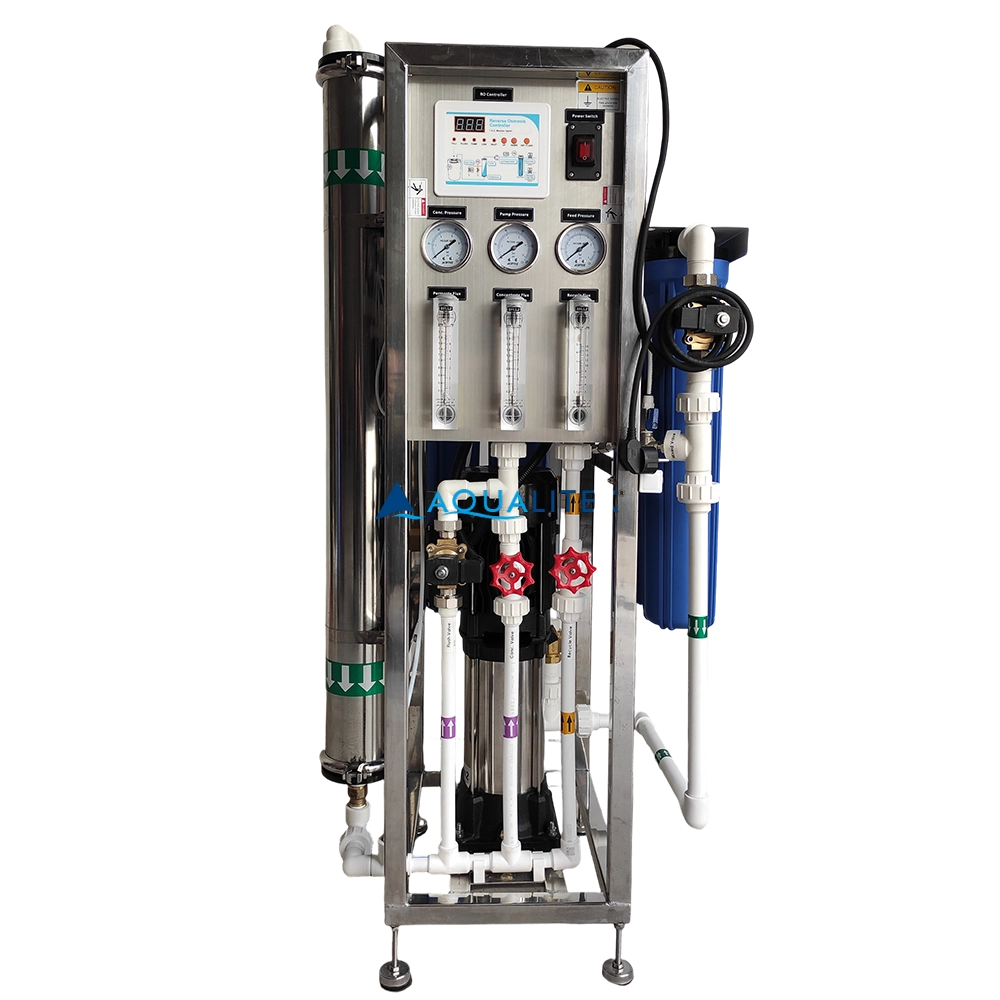
Our 500 LPH Reverse Osmosis (RO) System is engineered to provide high-quality purified water for commercial applications. Designed with advanced RO technology, durable components, and a user-friendly interface, this system ensures consistent performance, low maintenance, and long-term reliability.
With its compact design and robust skid-mounted frame, it’s an excellent choice for businesses that demand efficiency and quality in water purification.
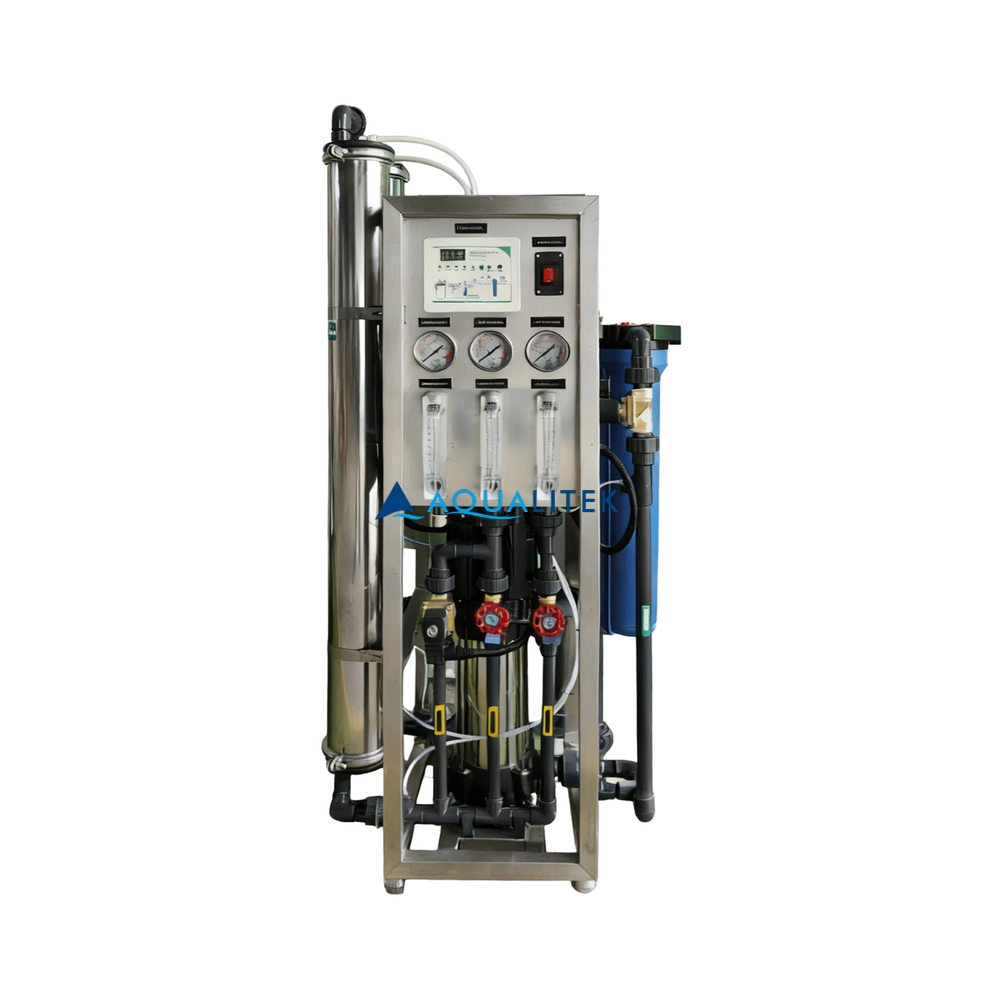
TWV series Reverse Osmosis (RO) systems are pre-engineered and pre-assembled units with 2.5”/4” membrane housings(single element type)for tap water(lower TDS).They are designed for overall superior performance, high recovery rates and offer great savings with low maintenance and operation costs.
© 2026 AQUALITEK. All rights reserved.
AQUALITEK- Aimee Hoo
AQUALITEK - Aimee Hoo