




Why Boron Content Is a Critical Concern in Domestic and Agricultural Water Use (Fresh & Seawater)| Insights by AQUALITEK
Learn why boron concentration is a major concern in drinking and irrigation water, how boron affects human health and crops, its sources in freshwater and seawater, and effective removal technologies.
- Introduction
- 1. What Is Boron and Why Is It Present in Water?
- 1.1 Natural Occurrence of Boron
- 1.2 Boron in Freshwater Sources
- 2. Why Boron Is a Major Concern for Drinking Water
- 2.1 Human Health Impacts of Excess Boron
- 2.2 Drinking Water Standards for Boron
- 3. Why Boron Is Especially Harmful in Agricultural Irrigation
- 3.1 Boron Toxicity in Crops
- 3.2 Symptoms of Boron Toxicity in Plants
- 3.3 Crop Sensitivity to Boron
- 4. Why Boron Is Difficult to Remove by RO Systems
- 4.1 Boron Chemical Behavior in Water
- 4.2 Typical Boron Rejection in SWRO Systems
- 5. Why Boron Is a Special Concern in Seawater Desalination
- 6. Effective Boron Removal Technologies
- 6.1 High-pH SWRO Operation
- 6.2 Two-Pass RO Systems (Best Solution)
- 6.3 Boron-Selective Ion Exchange Resins
- 6.4 Hybrid Membrane + Resin Systems
- 7. Why Boron Control Is Critical for Reclaimed & Blended Water
- 8. Engineering Design Strategies for Boron Control
- Conclusion
Introduction
Boron (B) is a naturally occurring trace element widely found in freshwater, groundwater, and especially seawater. Although boron is an essential micronutrient for plants and humans at very low concentrations, excessive boron can lead to serious health risks and agricultural damage.
With the rapid development of seawater desalination, water reuse, and high-efficiency irrigation systems, boron content in water has become a critical water quality control parameter worldwide.
This article provides a comprehensive and professional explanation of:
•Why boron is a special concern
•How boron impacts human health and agriculture
•Boron sources in freshwater and seawater
•Regulatory standards
•Effective boron removal technologies
1. What Is Boron and Why Is It Present in Water?
1.1 Natural Occurrence of Boron
Boron occurs naturally in:
•Marine environments
•Volcanic rocks
•Sedimentary formations
•Groundwater aquifers
Seawater contains 4.0–5.0 mg/L of boron, which is 10–50 times higher than most freshwater sources.
1.2 Boron in Freshwater Sources
Freshwater boron typically originates from:
•Weathering of boron-rich minerals
•Industrial wastewater discharge
•Domestic sewage
•Fertilizer leaching
•Geothermal water intrusion
Typical boron levels in freshwater: 0.1–1.0 mg/L, but can exceed 3–5 mg/L in geothermal regions.
2. Why Boron Is a Major Concern for Drinking Water
2.1 Human Health Impacts of Excess Boron
At low doses, boron supports:
•Bone development
•Hormone regulation
•Brain function
However, excessive boron intake causes health risks, including:
•Gastrointestinal irritation
•Kidney stress
•Reproductive toxicity
•Developmental effects in infants
2.2 Drinking Water Standards for Boron
|
Organization |
Boron Limit |
|
WHO |
2.4 mg/L |
|
EU |
1.0 mg/L |
|
Japan |
1.0 mg/L |
|
China |
0.5–1.0 mg/L |
|
FAO |
0.3–2.0 mg/L |
Seawater RO permeate often contains 0.5–1.5 mg/L boron, making post-treatment mandatory in many regions.
3. Why Boron Is Especially Harmful in Agricultural Irrigation
3.1 Boron Toxicity in Crops
While boron is an essential micronutrient for plants, the optimal range is extremely narrow.
|
Boron Level (mg/L) |
Effect on Crops |
|
<0.3 |
Deficiency |
|
0.3–0.7 |
Optimal |
|
0.7–1.0 |
Sensitive crops affected |
|
>1.0 |
Toxic to most crops |
3.2 Symptoms of Boron Toxicity in Plants
•Leaf tip burn
•Chlorosis
•Necrosis
•Reduced root development
•Lower yield
•Fruit deformation
3.3 Crop Sensitivity to Boron
|
Crop Type |
Boron Tolerance |
|
Citrus, grapes, avocado |
Very sensitive |
|
Wheat, barley |
Moderate |
|
Cotton, sugar beet |
Tolerant |
4. Why Boron Is Difficult to Remove by RO Systems
4.1 Boron Chemical Behavior in Water
Boron mainly exists as:
•Boric acid (H₃BO₃) — neutral molecule
•Borate ion (B(OH)₄⁻) — at high pH
Since boric acid is uncharged, it easily passes through RO membranes, especially at neutral pH.
4.2 Typical Boron Rejection in SWRO Systems
|
Condition |
Boron Rejection |
|
Single-pass SWRO |
70–85% |
|
High pH operation |
90–95% |
|
Double-pass RO |
>99% |
5. Why Boron Is a Special Concern in Seawater Desalination
Seawater contains 4–5 mg/L boron.
Even with 90% rejection:
Product water still contains 0.4–0.5 mg/L boron, often above irrigation and drinking standards.
Thus, additional boron removal steps become necessary, such as:
•Second-pass RO
•pH adjustment
•Specialized boron-selective membranes
6. Effective Boron Removal Technologies
6.1 High-pH SWRO Operation
•Adjust feed pH to 9–10
•Converts boric acid → borate ion
•Improves RO rejection
Limitations: scaling risk, chemical consumption.
6.2 Two-Pass RO Systems (Best Solution)
•First pass: seawater RO
•Second pass: low-pressure RO
Achieves >99.7% boron removal
6.3 Boron-Selective Ion Exchange Resins
Highly effective for:
•Polishing treatment
•Agricultural reuse water
•Industrial ultrapure water
6.4 Hybrid Membrane + Resin Systems
Combines:
•High recovery
•Stable boron control
•Low operating cost
7. Why Boron Control Is Critical for Reclaimed & Blended Water
When using:
•Reclaimed wastewater
•Desalinated seawater
•Blended groundwater
Boron concentrations can accumulate, increasing:
•Crop toxicity risk
•Soil contamination
•Long-term land degradation
8. Engineering Design Strategies for Boron Control
•Two-pass RO configuration
•High boron rejection membranes
•pH-enhanced desalination
•Polishing ion exchange
•Smart blending systems
Conclusion
Boron is a unique contaminant due to:
•Narrow safety margin
•High concentration in seawater
•Difficulty of membrane rejection
•Severe agricultural toxicity
In both drinking water supply and irrigation systems, strict boron control is essential to protect human health, crop productivity, and soil sustainability.
Modern desalination plants must incorporate advanced boron removal strategies to ensure long-term water safety and regulatory compliance.


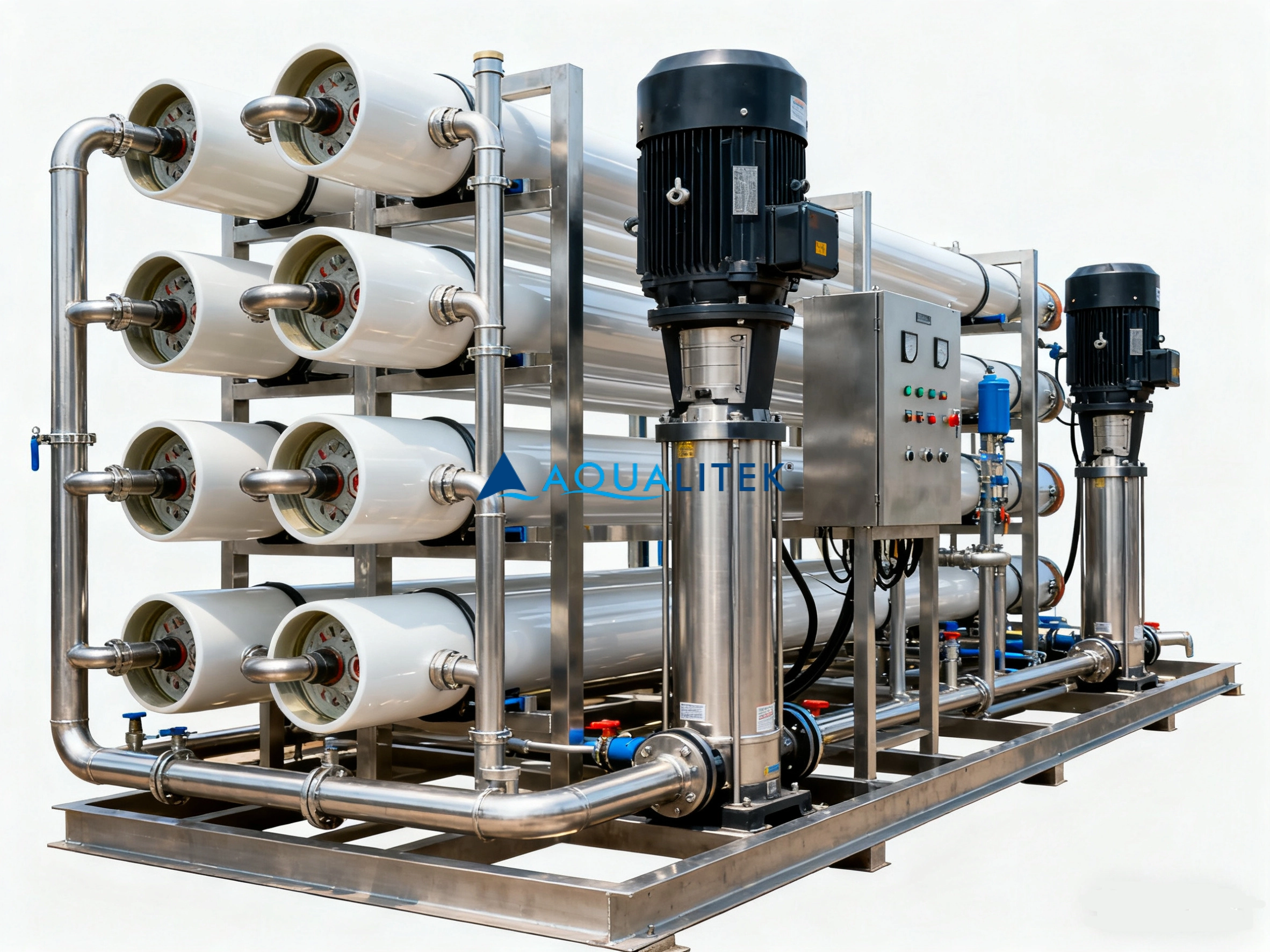
Request More Information or Expert Advice
Share a few details, and we’ll provide deeper insights, tailored suggestions, or product support.
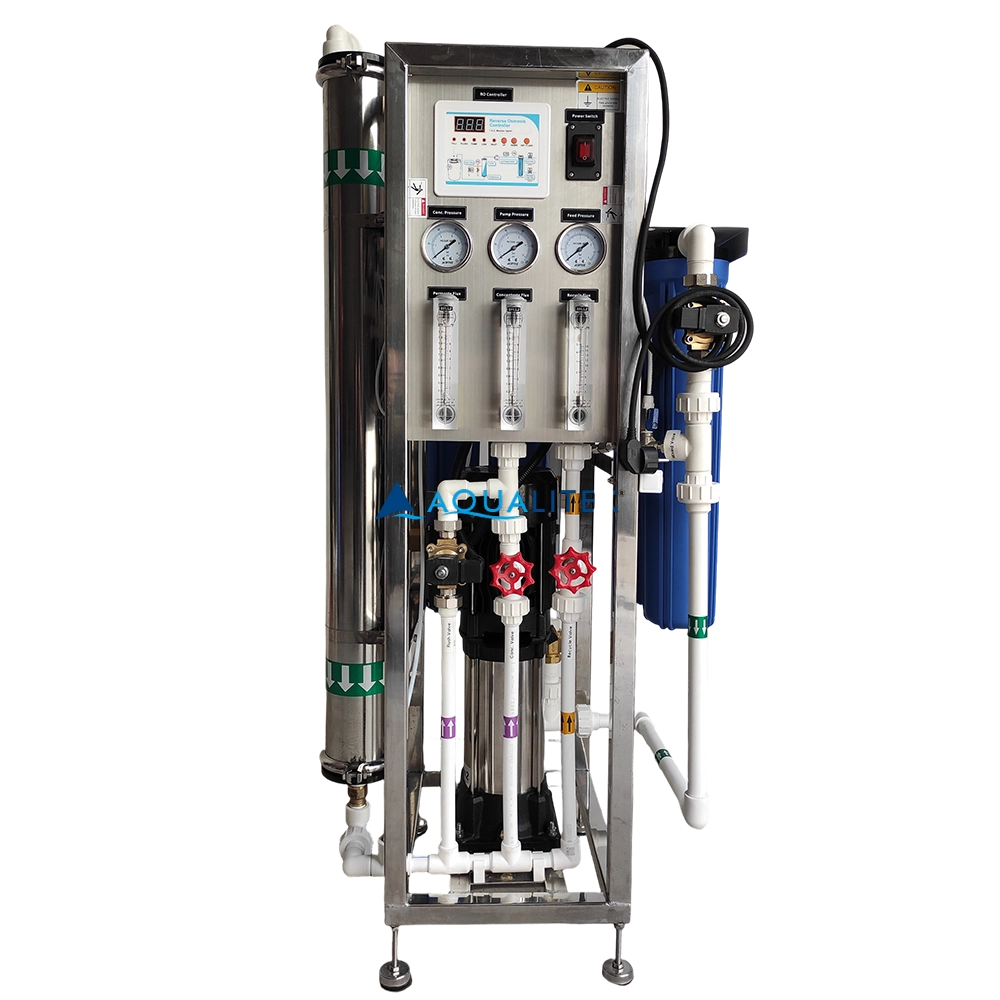
Our 500 LPH Reverse Osmosis (RO) System is engineered to provide high-quality purified water for commercial applications. Designed with advanced RO technology, durable components, and a user-friendly interface, this system ensures consistent performance, low maintenance, and long-term reliability.
With its compact design and robust skid-mounted frame, it’s an excellent choice for businesses that demand efficiency and quality in water purification.
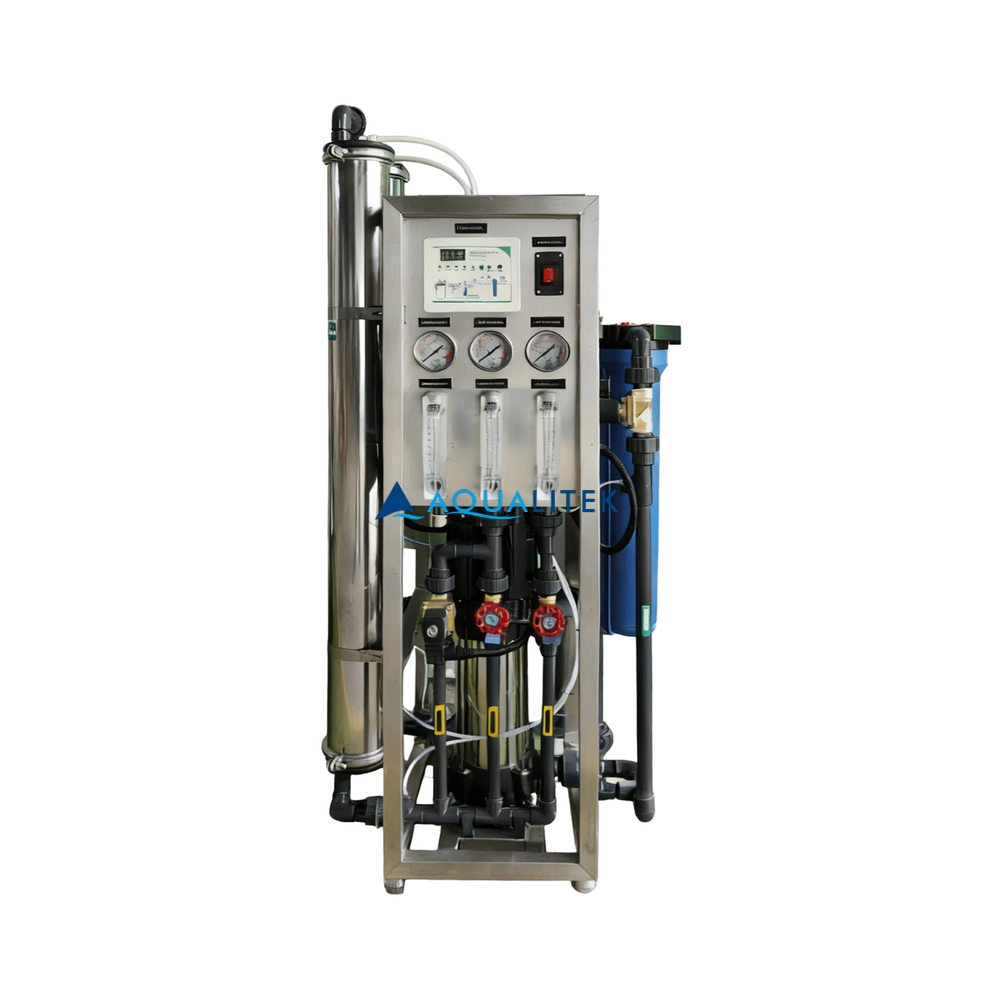
TWV series Reverse Osmosis (RO) systems are pre-engineered and pre-assembled units with 2.5”/4” membrane housings(single element type)for tap water(lower TDS).They are designed for overall superior performance, high recovery rates and offer great savings with low maintenance and operation costs.
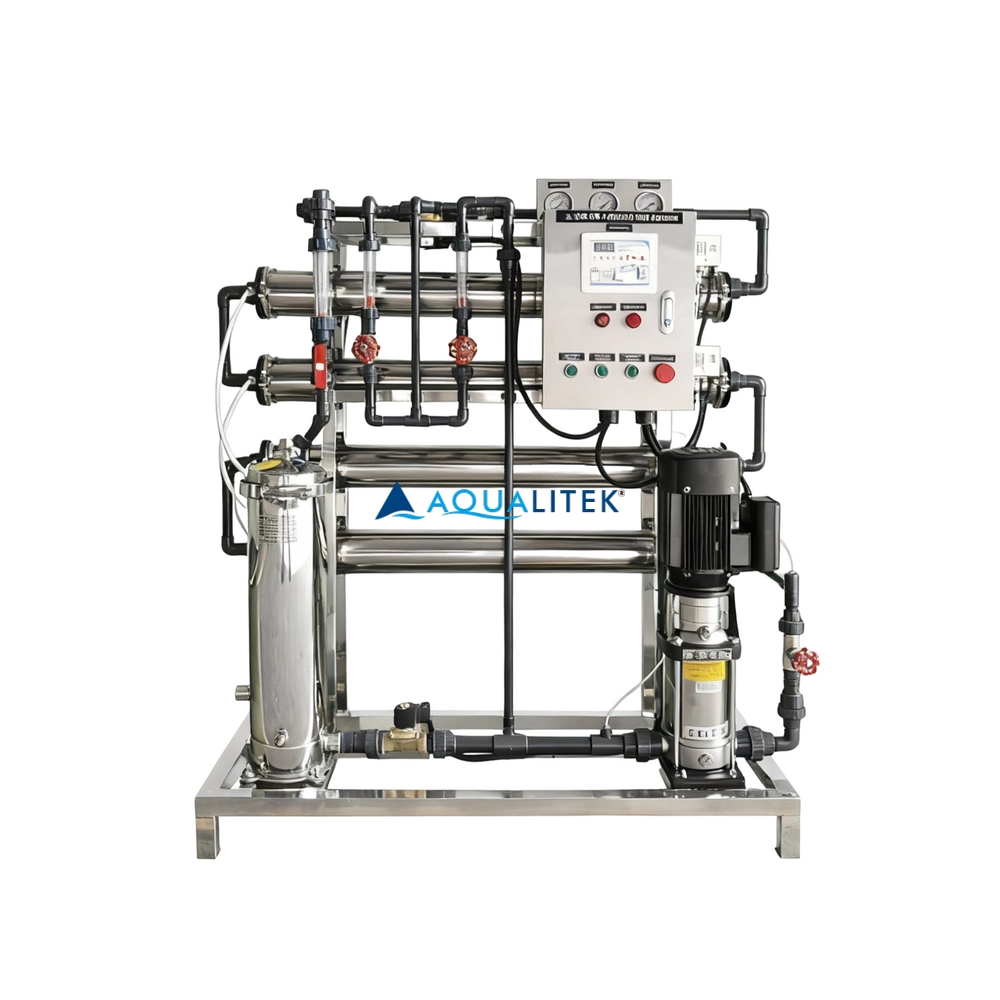
TWF series Reverse Osmosis (RO) systems are pre-engineered and pre-assembled units with 4” membrane housings(multiple elements type) for tap water(lower TDS) .The medium large volumes can help meet your a variety of commercial and industrial applications. They are designed for overall superior performance, high recovery rates and offer great savings with low maintenance and operation costs.

TWE series Reverse Osmosis (RO) systems are pre-engineered and pre-assembled units with 8” membrane housings for tap water (lower TDS). The large volumes can help meet your a variety of industrial applications. They are designed for overall superior performance, high recovery rates and offer great savings with low maintenance and operation costs.
© 2026 AQUALITEK. All rights reserved.
AQUALITEK- Aimee Hoo
AQUALITEK - Aimee Hoo