




Does the RO Permeate Pipeline Need Regular Cleaning? And Why It Matters| Insights by AQUALITEK
RO permeate pipelines are often overlooked in system maintenance. This Best-practice guide explains whether regular cleaning is necessary, why it matters, and what risks arise if it is ignored.
- Introduction
- Why RO Permeate Pipelines Are Not “Always Clean”
- Main Reasons RO Permeate Pipelines Require Regular Cleaning
- 1. Biological Regrowth (Biofilm Formation)
- 2. Secondary Contamination After the RO Membrane
- 3. Stagnation During Shutdowns or Low Demand
- 4. Impact on Downstream Equipment
- 5. Regulatory and Quality Compliance Risks
- When Is Regular Cleaning Especially Necessary?
- Common Cleaning Methods for RO Permeate Pipelines
- 1. Chemical Disinfection
- 2. Circulation Cleaning
- 3. Flushing with Qualified Water
- How Often Should Permeate Pipelines Be Cleaned?
- Common Misconceptions to Avoid
- Best Practice Recommendations
- Conclusion
Introduction
In many reverse osmosis (RO) systems, operators focus heavily on membranes, pretreatment, and chemical cleaning, while assuming that the RO permeate pipeline is always clean because it carries low-TDS water.
This assumption is one of the most common hidden risks in industrial RO operation.
So, does the RO permeate pipeline really need regular cleaning?
The short answer is: Yes—under most operating conditions, it does.
This article explains why permeate pipelines can become contaminated, when cleaning is necessary, and how neglecting this step can compromise the entire system.
Why RO Permeate Pipelines Are Not “Always Clean”
Although RO permeate has:
•Low salinity
•Low turbidity
•Minimal suspended solids
It still presents ideal conditions for secondary contamination, especially in downstream piping.
Key characteristics of RO permeate:
•Low ionic strength
•Low buffering capacity
•Often stored or transported at ambient temperature
These factors make permeate chemically aggressive and biologically vulnerable.
Main Reasons RO Permeate Pipelines Require Regular Cleaning
1. Biological Regrowth (Biofilm Formation)
RO membranes remove bacteria, but:
•They do not sterilize water
•Trace bacteria can still pass through or enter downstream
Once in the permeate line:
•Low nutrient competition
•Warm temperatures
•Stagnant sections
➡ Biofilms can form on pipe walls, causing:
•Elevated bacteria counts
•Odors
•Slime formation
2. Secondary Contamination After the RO Membrane
Even with perfect membrane performance, contamination can occur due to:
•Open vents or poorly sealed tanks
•Sampling points without proper hygiene
•Maintenance activities
•Backflow or pressure fluctuations
The permeate pipeline is outside the membrane’s protection zone.
3. Stagnation During Shutdowns or Low Demand
Common scenarios include:
•Weekend shutdowns
•Seasonal production pauses
•Oversized systems
Stagnant permeate water allows:
•Microbial multiplication
•Loss of dissolved oxygen balance
•Biofilm maturation
➡ This contamination is not visible but can be detected microbiologically.
4. Impact on Downstream Equipment
Contaminated permeate pipelines can negatively affect:
•EDI systems
•Mixed-bed polishers
•Boilers
•Cooling systems
•Pharmaceutical or food processes
Symptoms may include:
•Rapid resin fouling
•Increased microbial counts
•Unexpected corrosion
•Frequent downstream cleaning
5. Regulatory and Quality Compliance Risks
For applications requiring:
•Low bacteria
•Low TOC
•High sanitary standards
Unclean permeate pipelines can lead to:
❌ Failed audits
❌ Product quality deviations
❌ Increased compliance costs
When Is Regular Cleaning Especially Necessary?
Permeate pipeline cleaning is strongly recommended if:
•The system experiences frequent shutdowns
•Permeate is stored in atmospheric tanks
•Bacteria counts in product water increase
•Odors appear in permeate
•Downstream units show unexplained fouling
Common Cleaning Methods for RO Permeate Pipelines
1. Chemical Disinfection
•Hot water sanitization (if materials allow)
•Chemical disinfectants (e.g., compatible biocides)
2. Circulation Cleaning
•Circulate disinfectant through permeate lines
•Ensure all dead legs are included
3. Flushing with Qualified Water
•Use RO or DI water meeting cleanliness standards
•Flush until parameters stabilize
Always verify material compatibility before applying chemicals.
How Often Should Permeate Pipelines Be Cleaned?
There is no single universal frequency, but common practices include:
•Quarterly for critical applications
•Semi-annually for industrial use
•Immediately after long shutdowns
•Whenever microbiological indicators exceed limits
Common Misconceptions to Avoid
❌ “Permeate water is too pure for bacteria”
❌ “If conductivity is low, the pipeline must be clean”
❌ “Only membranes need cleaning”
Pipeline hygiene is a system-level responsibility.
Best Practice Recommendations
✔ Include permeate pipelines in SOP cleaning plans
✔ Minimize dead legs and stagnant sections
✔ Maintain positive pressure in permeate lines
✔ Monitor microbiological indicators regularly
✔ Clean pipelines together with storage tanks
Conclusion
RO permeate pipelines are not maintenance-free components. Despite carrying high-purity water, they are high-risk zones for biological regrowth and secondary contamination.
Regular cleaning of permeate pipelines is essential to:
•Protect downstream equipment
•Maintain water quality
•Ensure system reliability
•Meet regulatory and process requirements
Ignoring this hidden link can undermine even the best-designed RO system.


Request More Information or Expert Advice
Share a few details, and we’ll provide deeper insights, tailored suggestions, or product support.
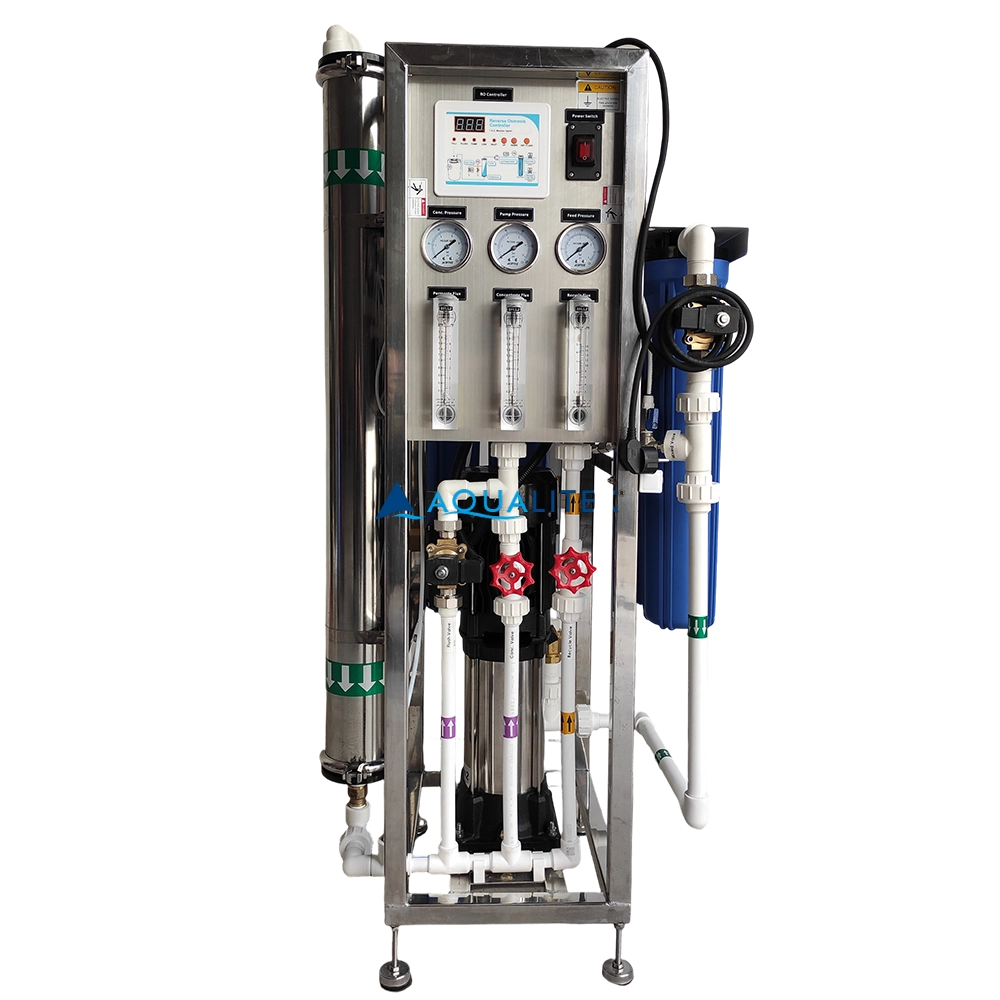
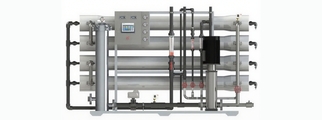
Our 500 LPH Reverse Osmosis (RO) System is engineered to provide high-quality purified water for commercial applications. Designed with advanced RO technology, durable components, and a user-friendly interface, this system ensures consistent performance, low maintenance, and long-term reliability.
With its compact design and robust skid-mounted frame, it’s an excellent choice for businesses that demand efficiency and quality in water purification.

Introduction to Manganese Sand Filter
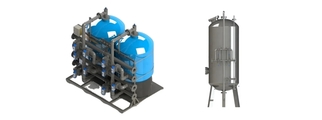
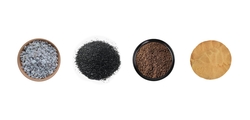
Manganese Sand Filter (MSF) is an efficient water filtration system specifically designed to remove iron, manganese, and hydrogen sulfide from water.
The filter utilizes a special manganese dioxide-coated sand media, which acts as an oxidizing agent to convert dissolved iron and manganese into solid particles, allowing them to be easily trapped and removed during the filtration process.
Manganese Sand Filters are commonly used in residential, commercial, and industrial water treatment applications where high levels of these contaminants are present. By improving water quality, preventing staining, and reducing unpleasant tastes and odors, Manganese Sand Filters provide a reliable and cost-effective solution for maintaining clean, clear, and safe water.
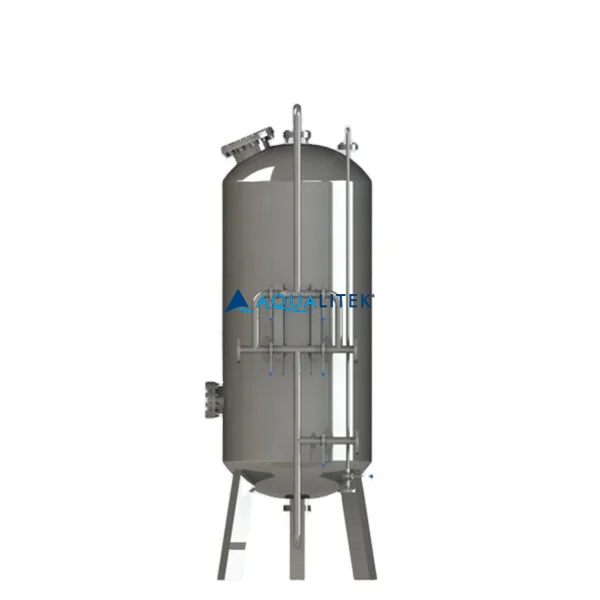
Introduction to Green Sand Filter (GSF)
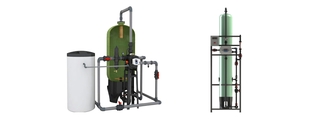
Green Sand Filter (GSF) is an effective water filtration system designed to remove iron, manganese, and hydrogen sulfide from water. Utilizing a specially treated green sand media, this filter works through the process of oxidation and adsorption, where impurities are trapped within the filter media, ensuring clean, clear water. Green Sand Filters are widely used in both residential and industrial applications where water contains high levels of iron and other minerals that can cause staining, unpleasant odors, and corrosion. By providing an efficient and cost-effective solution for water purification, Green Sand Filters help protect plumbing systems, appliances, and enhance water quality for various applications.

Activated Carbon Filter (ACF)
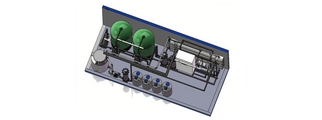
Our Activated Carbon Filter (ACF) is a highly effective water filtration system designed to remove chlorine, organic compounds, unpleasant odors, and harmful contaminants from water. Utilizing activated carbon’s high adsorption capacity, ACFs efficiently trap and eliminate impurities, improving taste, color, and overall water quality. These filters are widely used in industrial, commercial, and residential applications, serving as a critical pre-treatment step for processes like reverse osmosis (RO) and drinking water purification. With their ability to enhance water safety and meet stringent quality standards, Activated Carbon Filters play a vital role in various water treatment systems.
Copyright © 2025 AQUALITEK. All rights reserved.
AQUALITEK- Aimee Hoo
AQUALITEK - Aimee Hoo