



How to Temporarily Assess Water Quality When an Online Conductivity Meter Fails| Insights by AQUALITEK
When an online conductivity meter suddenly malfunctions, operators must still ensure RO permeate quality. This Best-practice guide explains reliable temporary methods to assess water quality safely.
- Introduction
- Why Conductivity Monitoring Is So Important
- Method 1: Use a Portable (Handheld) Conductivity Meter
- Why This Is the Best Temporary Solution
- Method 2: Compare Feed Water and Permeate Conductivity (Manual Sampling)
- Method 3: Monitor Conductivity Trends in Downstream Equipment
- Method 4: Observe System Operating Parameters
- Method 5: Perform Simple On-Site Chemical Tests (If Applicable)
- Method 6: Temporarily Divert Product Water from the Storage Tank
- Common Mistakes to Avoid
- Best Practice Recommendations
- Conclusion
Introduction
Online conductivity meters are critical instruments in RO systems, providing real-time feedback on salt rejection and membrane integrity. However, in real-world operation, unexpected failures may occur due to:
•Sensor fouling
•Signal cable damage
•Transmitter malfunction
•Power or grounding issues
When the online conductivity meter suddenly stops working, operators cannot simply continue running the system blindly. This article outlines best temporary methods to assess water quality until the instrument is repaired or replaced.
Why Conductivity Monitoring Is So Important
Conductivity directly reflects:
•Total dissolved solids (TDS)
•Membrane salt rejection performance
•Potential membrane leakage or damage
Without reliable conductivity data, risks include:
❌ Supplying off-spec product water
❌ Failing to detect membrane rupture
❌ Undetected contamination entering downstream processes
Method 1: Use a Portable (Handheld) Conductivity Meter
Why This Is the Best Temporary Solution
A calibrated handheld conductivity meter can provide quick and accurate spot checks.
Best Practices
•Collect permeate samples from a clean sampling point
•Rinse the probe with permeate before measurement
•Measure multiple times to confirm consistency
Compare results with historical online readings under similar conditions.
Method 2: Compare Feed Water and Permeate Conductivity (Manual Sampling)
Even without online data, you can evaluate system performance by:
•Measuring feed water conductivity
•Measuring permeate conductivity
Calculate Salt Rejection
Salt Rejection (%)=(1−Permeate Conductivity/Feed Conductivity)×100
A sudden drop in rejection indicates potential membrane or seal issues.
Method 3: Monitor Conductivity Trends in Downstream Equipment
If the RO system feeds:
•EDI units
•Mixed-bed polishers
•Boiler feedwater systems
Then observe:
•EDI inlet conductivity
•Polisher exhaustion rate
•Boiler blowdown frequency
Abnormal changes often reflect hidden permeate quality deterioration.
Method 4: Observe System Operating Parameters
While not a direct substitute, changes in the following can signal water quality issues:
•Sudden increase in permeate flow
•Unexpected pressure drop reduction
•Abnormal recovery behavior
Good-looking and overly stable parameters can also indicate faulty sensors.
Method 5: Perform Simple On-Site Chemical Tests (If Applicable)
Depending on system requirements:
•Silica test kits
•Hardness test strips
•Chloride spot tests
These tests help detect specific contaminants that conductivity alone may not reveal immediately.
Method 6: Temporarily Divert Product Water from the Storage Tank
As a risk-control measure:
•Divert permeate to drain or recycle line
•Avoid sending water to critical processes
This is especially important for:
•Pharmaceutical
•Semiconductor
•Boiler feedwater applications
Common Mistakes to Avoid
❌ Trusting system operation without any verification
❌ Relying only on pressure and flow readings
❌ Continuing production for long periods without manual testing
❌ Ignoring historical performance benchmarks
Best Practice Recommendations
✔ Keep a calibrated handheld conductivity meter on site
✔ Record manual conductivity readings during instrument failure
✔ Repair or replace faulty sensors as soon as possible
✔ Include conductivity meter failure response in SOPs
Conclusion
When an online conductivity meter fails, water quality control must not stop. By using portable meters, manual comparisons, downstream indicators, and conservative operational decisions, operators can temporarily and safely assess permeate quality until normal monitoring is restored.
Proactive preparation and proper response procedures are key to maintaining RO system reliability and protecting downstream processes.



Request More Information or Expert Advice
Share a few details, and we’ll provide deeper insights, tailored suggestions, or product support.
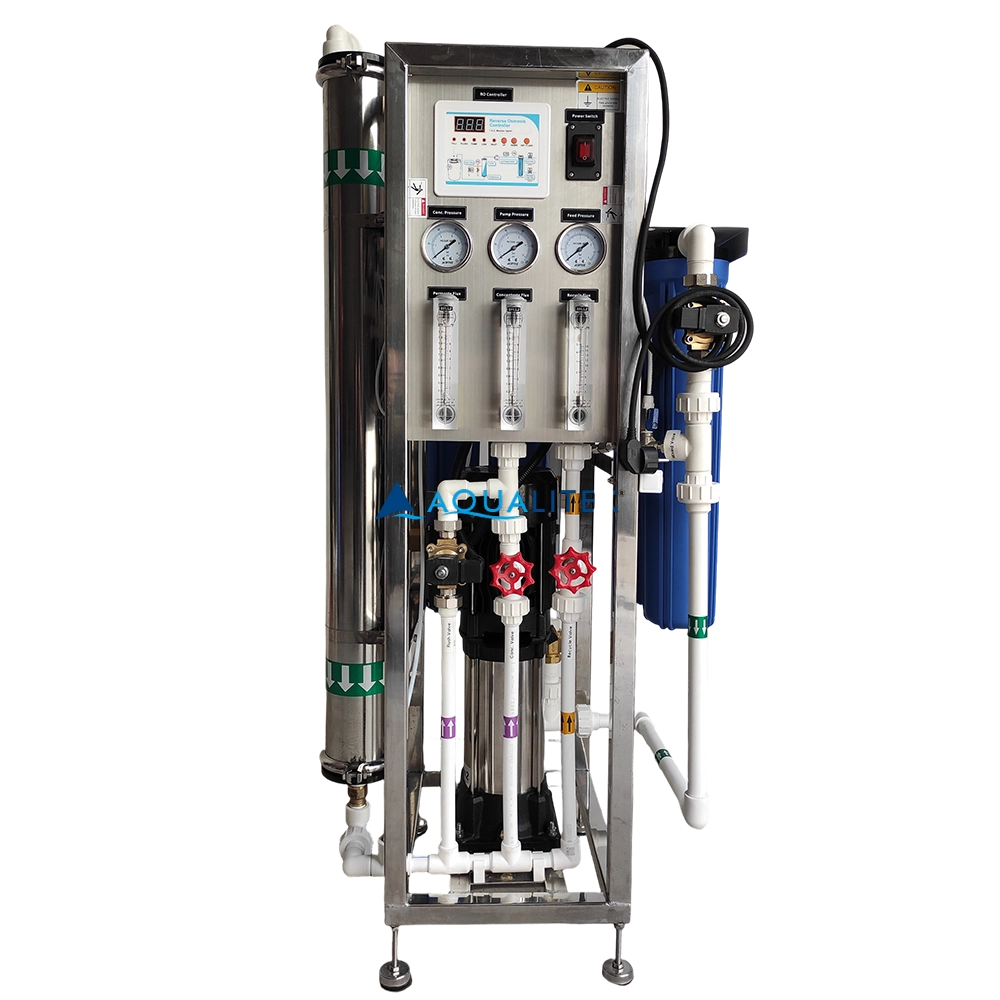
Our 500 LPH Reverse Osmosis (RO) System is engineered to provide high-quality purified water for commercial applications. Designed with advanced RO technology, durable components, and a user-friendly interface, this system ensures consistent performance, low maintenance, and long-term reliability.
With its compact design and robust skid-mounted frame, it’s an excellent choice for businesses that demand efficiency and quality in water purification.
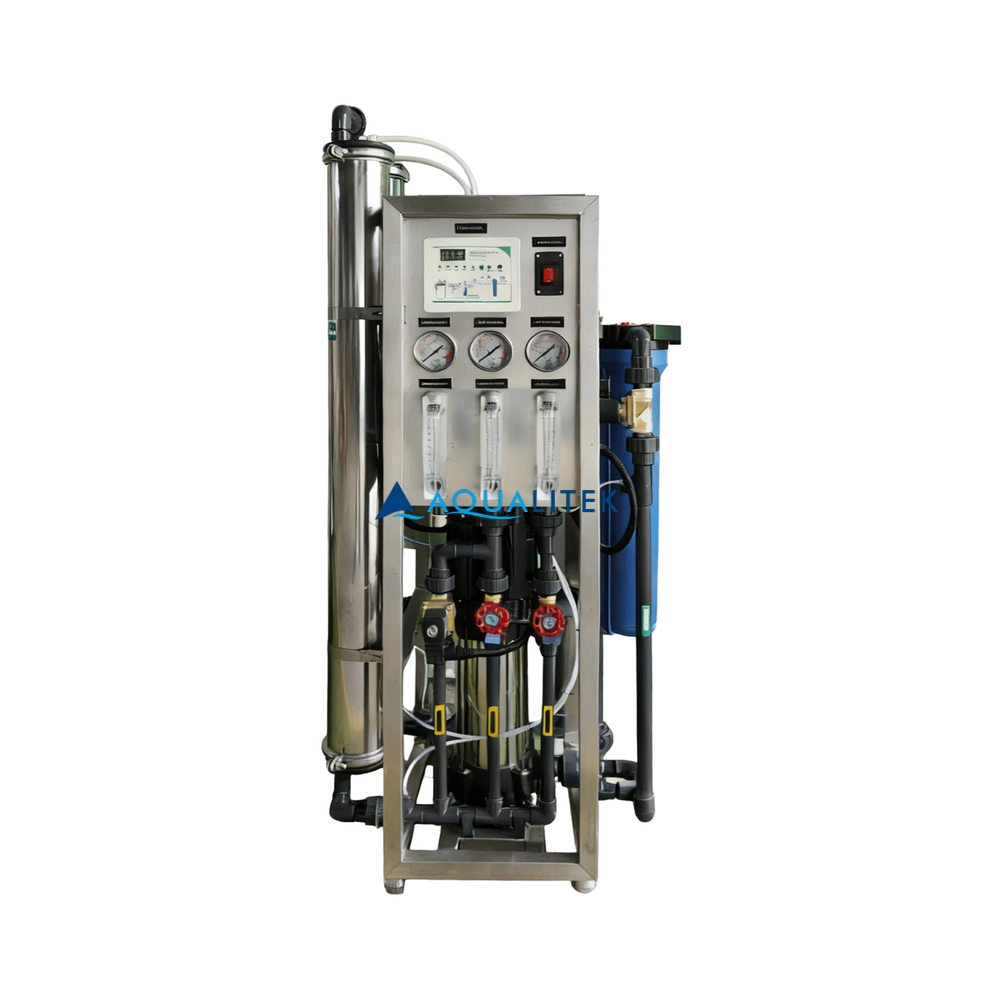
TWV series Reverse Osmosis (RO) systems are pre-engineered and pre-assembled units with 2.5”/4” membrane housings(single element type)for tap water(lower TDS).They are designed for overall superior performance, high recovery rates and offer great savings with low maintenance and operation costs.
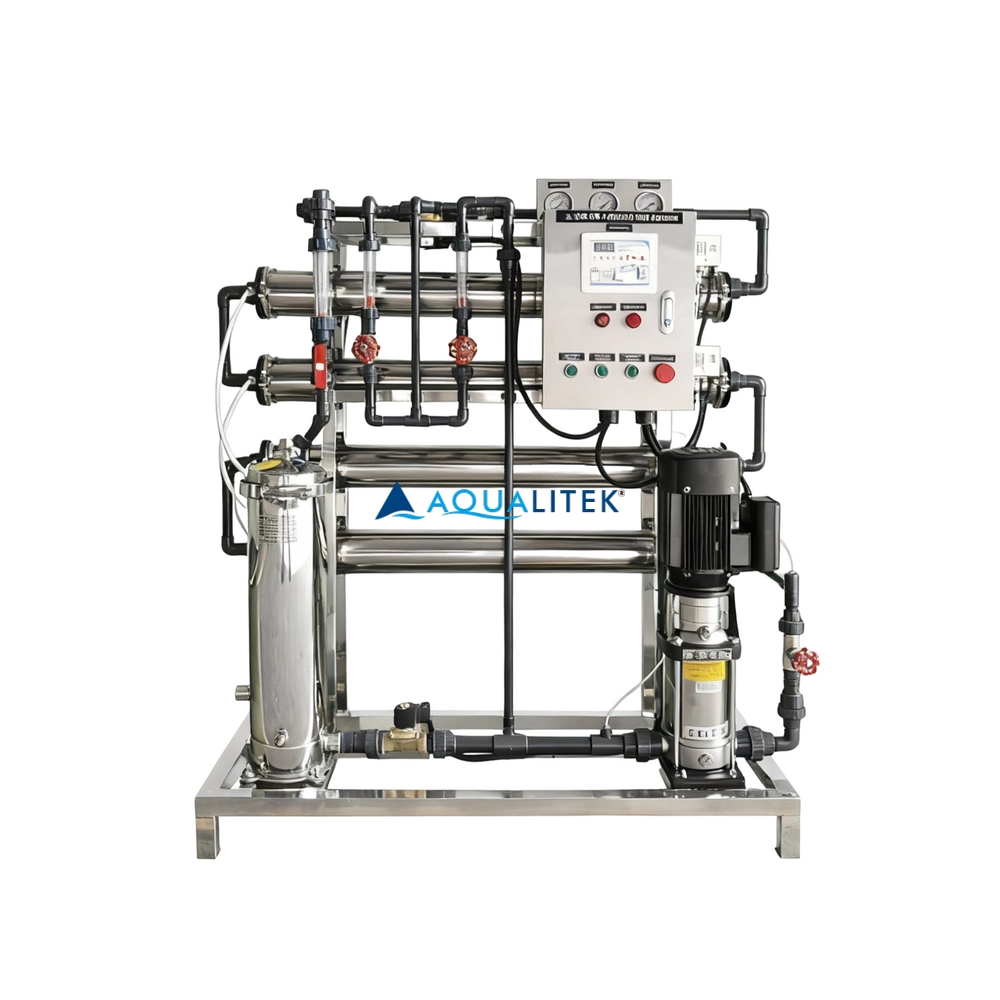
TWF series Reverse Osmosis (RO) systems are pre-engineered and pre-assembled units with 4” membrane housings(multiple elements type) for tap water(lower TDS) .The medium large volumes can help meet your a variety of commercial and industrial applications. They are designed for overall superior performance, high recovery rates and offer great savings with low maintenance and operation costs.

TWE series Reverse Osmosis (RO) systems are pre-engineered and pre-assembled units with 8” membrane housings for tap water (lower TDS). The large volumes can help meet your a variety of industrial applications. They are designed for overall superior performance, high recovery rates and offer great savings with low maintenance and operation costs.
© 2026 AQUALITEK. All rights reserved.
AQUALITEK- Aimee Hoo
AQUALITEK - Aimee Hoo