




How Can Cavitation Be Prevented in High-Pressure Pumps Operating in Highly Corrosive Media Such as Seawater?| Insights by AQUALITEK
Cavitation is one of the most destructive failures in seawater RO high-pressure pumps. This article explains why it occurs in corrosive media and outlines best prevention strategies.
- Introduction
- Why Cavitation Is Especially Dangerous in Seawater Pumps
- Best Practices to Prevent Cavitation in Seawater High-Pressure Pumps
- 1. Ensure Adequate NPSH Margin (The Most Critical Factor)
- 2. Maintain Stable and Sufficient Inlet Pressure
- 3. Avoid Excessive Suction Lift and Air Entrainment
- 4. Control Pump Operating Point (Avoid Off-Design Operation)
- 5. Optimize Seawater Temperature and Vapor Pressure Effects
- 6. Use Cavitation-Resistant and Corrosion-Resistant Materials
- 7. Maintain Clean Pretreatment and Intake Systems
- 8. Implement Gradual Startup and Shutdown Procedures
- Early Warning Signs of Cavitation in Seawater Pumps
- Conclusion
Introduction
In seawater reverse osmosis (SWRO) systems, high-pressure pumps (HPPs) operate under extreme conditions:
•High pressure
•High salinity
•Strong corrosiveness
•Continuous operation
Among all pump-related failures, cavitation is one of the fastest and most destructive, especially in highly corrosive seawater environments. Cavitation not only damages hydraulic components but also accelerates corrosion and shortens pump lifespan dramatically.
This article explains why cavitation is more severe in seawater applications and provides best-practice prevention strategies specifically tailored for SWRO systems.
Why Cavitation Is Especially Dangerous in Seawater Pumps
Cavitation occurs when local pressure drops below the vapor pressure of water, forming vapor bubbles that collapse violently when pressure recovers.
In seawater systems, cavitation damage is intensified because:
•Seawater has lower vapor pressure margins
•Chloride ions accelerate pitting and crevice corrosion
•Cavitation erosion removes passive layers, exposing fresh metal
•Corrosion and cavitation reinforce each other (“cavitation–corrosion synergy”)
As a result, even mild cavitation can lead to rapid impeller, casing, and seal failure.
Best Practices to Prevent Cavitation in Seawater High-Pressure Pumps
1. Ensure Adequate NPSH Margin (The Most Critical Factor)
Net Positive Suction Head (NPSH) is the primary determinant of cavitation risk.
Best practices:
•Ensure NPSH Available (NPSHa) > NPSH Required (NPSHr) with sufficient safety margin
•Minimize suction-side pressure losses
•Maintain stable feed pressure from pretreatment and booster pumps
Key actions:
•Keep suction piping short and straight
•Avoid undersized suction pipes
•Eliminate unnecessary valves and fittings on the suction side
2. Maintain Stable and Sufficient Inlet Pressure
Low or fluctuating inlet pressure is a common trigger for cavitation.
Preventive measures:
•Install reliable low-pressure interlocks
•Monitor inlet pressure continuously
•Shut down the pump immediately on low-pressure alarms
In SWRO systems, unstable inlet pressure may result from:
•Pretreatment filter fouling
•Intake screen blockage
•Seawater level fluctuations
•Air entrainment at intake
3. Avoid Excessive Suction Lift and Air Entrainment
Air entering the suction line drastically increases cavitation risk.
Best practices:
•Keep pumps flooded or below seawater level
•Ensure airtight suction piping
•Eliminate vortex formation at intake structures
•Avoid leaks at flanges, gaskets, and mechanical seals
⚠️ Even small air leaks can trigger severe cavitation in high-speed pumps.
4. Control Pump Operating Point (Avoid Off-Design Operation)
Operating far from the Best Efficiency Point (BEP) increases internal pressure fluctuations.
Recommendations:
•Select pumps sized for actual operating flow and pressure
•Avoid long-term low-flow or throttled operation
•Use variable frequency drives (VFDs) carefully to stay within design limits
Off-design operation often causes:
•Localized low-pressure zones
•Internal recirculation
•Cavitation at impeller eye or diffuser
5. Optimize Seawater Temperature and Vapor Pressure Effects
Higher water temperature increases vapor pressure and cavitation risk.
Control strategies:
•Monitor seasonal seawater temperature changes
•Adjust operating margins during warm periods
•Increase inlet pressure or reduce pump speed if necessary
This is particularly important in tropical and Middle East desalination plants.
6. Use Cavitation-Resistant and Corrosion-Resistant Materials
Material selection plays a critical role in damage resistance.
Recommended materials:
•Duplex stainless steel
•Super duplex stainless steel
•Titanium alloys (for severe conditions)
•High-grade nickel alloys in extreme cases
These materials:
•Resist chloride-induced corrosion
•Maintain passive layers under cavitation stress
•Extend service life even if minor cavitation occurs
7. Maintain Clean Pretreatment and Intake Systems
Pretreatment failures indirectly cause cavitation by restricting flow.
Key maintenance actions:
•Regularly backwash and inspect intake screens
•Maintain multimedia and cartridge filters
•Monitor differential pressure across pretreatment units
Clogged pretreatment increases suction losses, lowering NPSHa.
8. Implement Gradual Startup and Shutdown Procedures
Rapid transients can create sudden pressure drops.
Best practices:
•Use controlled startup ramps
•Avoid sudden valve closures
•Synchronize energy recovery devices smoothly
•Prevent water hammer events
Transient pressure dips can induce instant cavitation, even when steady-state conditions are safe.
Early Warning Signs of Cavitation in Seawater Pumps
Operators should watch for:
•Abnormal vibration or rattling noise
•Fluctuating discharge pressure
•Sudden efficiency loss
•Increased bearing or seal wear
•Pitting damage on impellers during inspection
Early intervention prevents catastrophic failure.
Conclusion
Preventing cavitation in high-pressure pumps operating in corrosive seawater requires both hydraulic optimization and corrosion-aware design. The most critical measures include ensuring adequate NPSH, stabilizing inlet pressure, avoiding air ingress, operating near BEP, and selecting suitable materials.
In SWRO systems, cavitation is not just a mechanical issue—it is a major reliability and lifecycle cost risk. Proactive prevention is far more effective and economical than repair.


Request More Information or Expert Advice
Share a few details, and we’ll provide deeper insights, tailored suggestions, or product support.
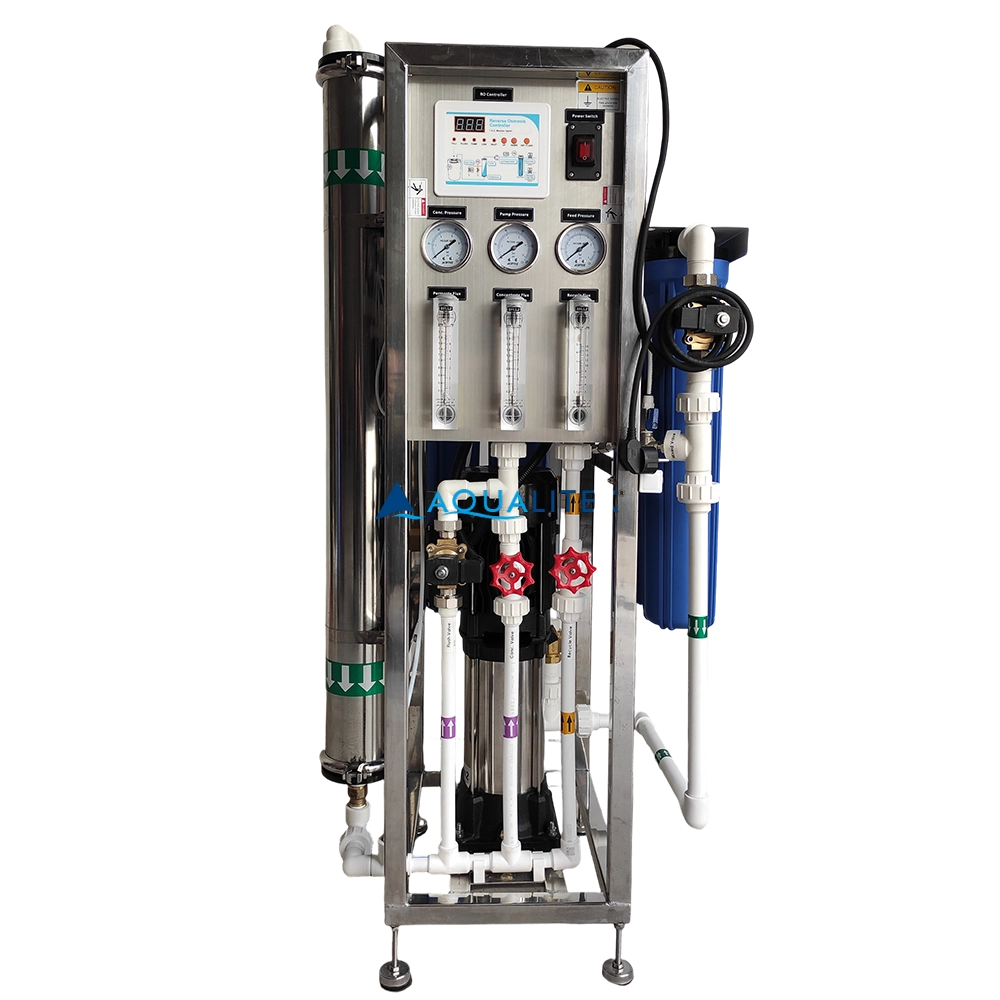
Our 500 LPH Reverse Osmosis (RO) System is engineered to provide high-quality purified water for commercial applications. Designed with advanced RO technology, durable components, and a user-friendly interface, this system ensures consistent performance, low maintenance, and long-term reliability.
With its compact design and robust skid-mounted frame, it’s an excellent choice for businesses that demand efficiency and quality in water purification.
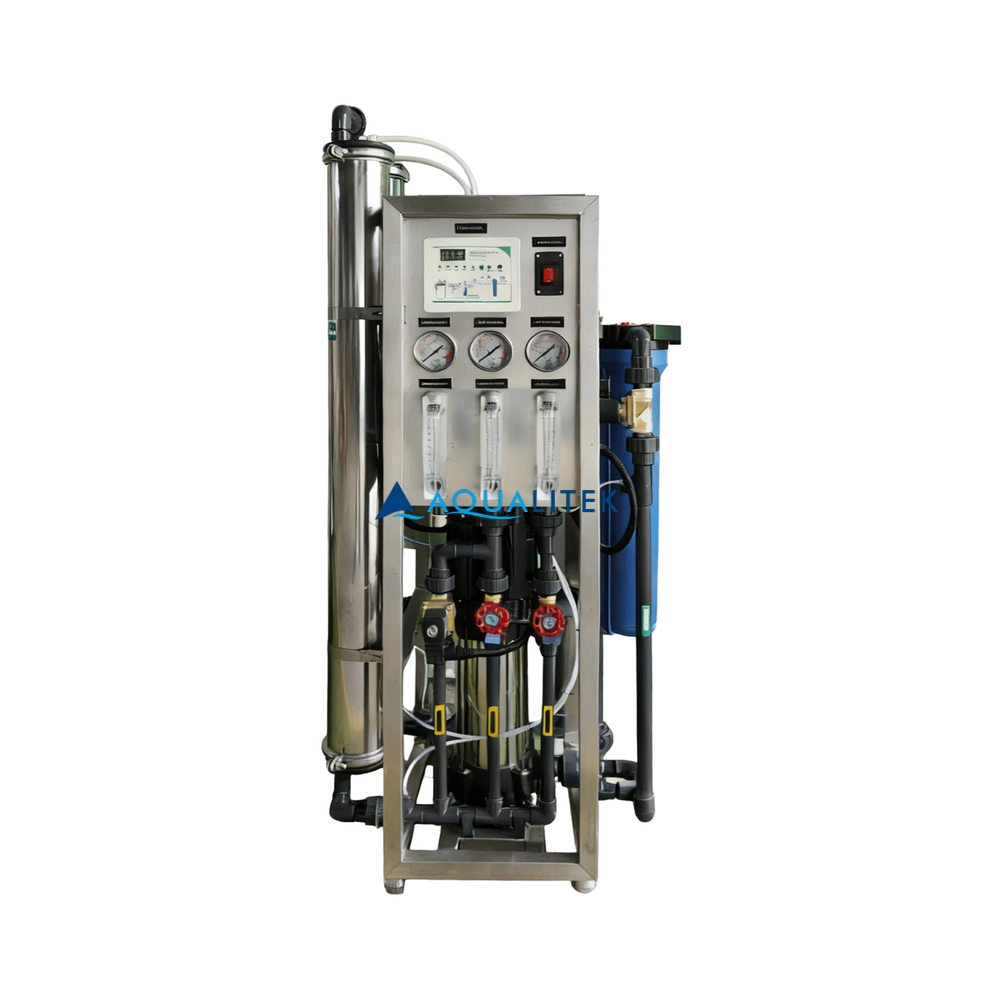
TWV series Reverse Osmosis (RO) systems are pre-engineered and pre-assembled units with 2.5”/4” membrane housings(single element type)for tap water(lower TDS).They are designed for overall superior performance, high recovery rates and offer great savings with low maintenance and operation costs.
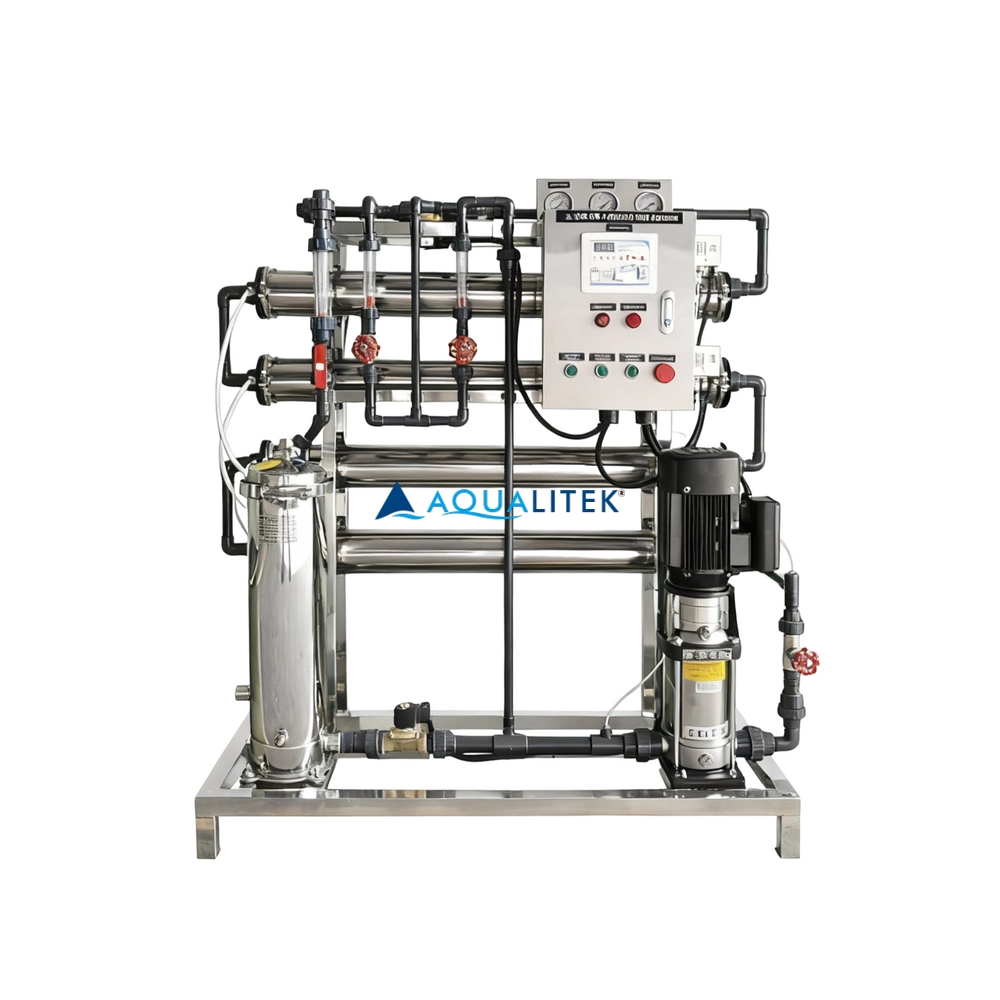
TWF series Reverse Osmosis (RO) systems are pre-engineered and pre-assembled units with 4” membrane housings(multiple elements type) for tap water(lower TDS) .The medium large volumes can help meet your a variety of commercial and industrial applications. They are designed for overall superior performance, high recovery rates and offer great savings with low maintenance and operation costs.

TWE series Reverse Osmosis (RO) systems are pre-engineered and pre-assembled units with 8” membrane housings for tap water (lower TDS). The large volumes can help meet your a variety of industrial applications. They are designed for overall superior performance, high recovery rates and offer great savings with low maintenance and operation costs.
© 2026 AQUALITEK. All rights reserved.
AQUALITEK- Aimee Hoo
AQUALITEK - Aimee Hoo