




Purity in Production: The Essential Role of Stainless Steel Water Filters in the Food & Beverage Industry
A stainless steel water filter is the cornerstone of purity and durability in food and beverage production. Choosing the right water filter for industry ensures consistent quality and strict safety compliance. Upgrade to a professional commercial water filter system to protect your brand and optimize your entire production line.
- Introduction
- Why Stainless Steel is the Gold Standard for Water Filter for Industry
- Multi-Stage Filtration: Building a Robust Commercial Water Filter System
- Pre-Treatment: Taming Raw Sources with Well and Sediment Filters
- Refinement: The Power of Carbon and Chemical Removal
- Specialization: Alkaline and Fluoride Management
- Technical Performance and ROI: Maximizing Your Investment
- Industry Compliance and Food Safety Standards
- Microbiological Safety: The Final Defense with UV Technology
- Conclusion: Securing Your Brand’s Future Through Superior Filtration
- Frequently Asked Questions (FAQs)
- 1. Why should I choose a stainless steel water filter over reinforced plastic?
- 2. How often should the media in an activated carbon water filter be replaced?
- 3. Does a sediment water filter remove bacteria?
- 4. Can an iron water filter handle high-flow industrial rates?
- 5. Is a fluoride water filter necessary for brewing beer?
In the world of professional brewing and food manufacturing, water is more than just an ingredient—it is the foundation of flavor, texture, and safety. Whether you are crafting a boutique IPA or mass-producing organic juices, the quality of your intake water dictates the quality of your final product. To achieve consistent excellence, facilities are increasingly turning to the stainless steel water filter as the backbone of their operations. As a premier water filter for industry, these systems offer the hygiene, durability, and pressure resistance that plastic alternatives simply cannot match.
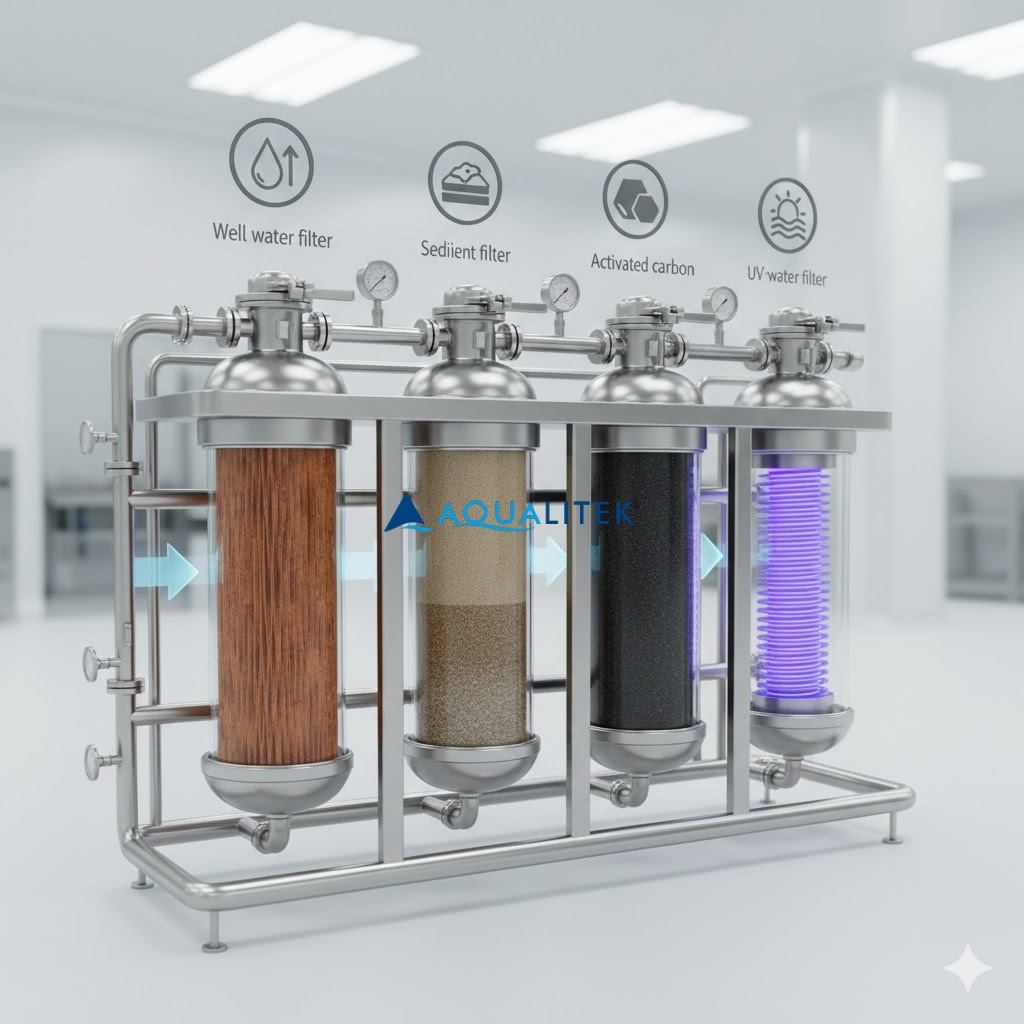
Why Stainless Steel is the Gold Standard for Water Filter for Industry
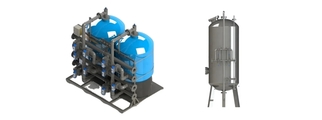
In a high-intensity factory environment, equipment is subjected to extreme temperatures and rigorous cleaning cycles. A stainless steel water filter is engineered to withstand high-pressure flows and is naturally resistant to corrosion and bacterial growth. Unlike porous materials, food-grade stainless steel ensures that no leachable chemicals migrate into your product, maintaining the "clean label" status that modern consumers demand. This makes it the indispensable heart of any high-end commercial water filter system, and the ideal foundation for the best reverse osmosis water filter systems for industry.
Multi-Stage Filtration: Building a Robust Commercial Water Filter System
One single filter is rarely enough to meet stringent food safety standards. A comprehensive water filter for industry strategy involves a multi-layered approach to tackle different contaminants.
Pre-Treatment: Taming Raw Sources with Well and Sediment Filters
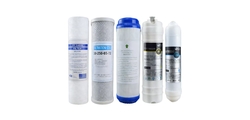
Many production plants utilize groundwater to reduce costs. However, a well water filter setup is vital to address the unique challenges of subterranean sources. The first line of defense is always a sediment water filter, which captures silt, sand, and debris that could otherwise clog sensitive machinery or ruin a batch of product. If your source water has a metallic tang or causes staining, integrating an iron water filter is critical to remove excess minerals that can alter the color and bitterness of beverages.
Refinement: The Power of Carbon and Chemical Removal
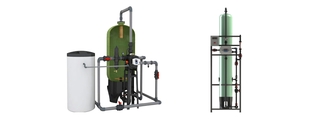
Chlorine is the enemy of the brewer; it reacts with phenols to create "off-flavors." To combat this, an activated carbon water filter is utilized to strip away chlorine, chloramines, and organic compounds. For smaller-scale operations or specific finishing stages, a high-grade carbon water filter ensures the water is odorless and crystal clear.
Specialization: Alkaline and Fluoride Management
Specific products require specific water chemistry. A fluoride water filter is often employed in bottled water plants to meet strict health regulations regarding mineral content. Meanwhile, the rise of functional beverages has increased the demand for an alkaline water filter, allowing manufacturers to precisely adjust the pH levels to create "alkaline-boosted" drinks that appeal to health-conscious markets.
Technical Performance and ROI: Maximizing Your Investment
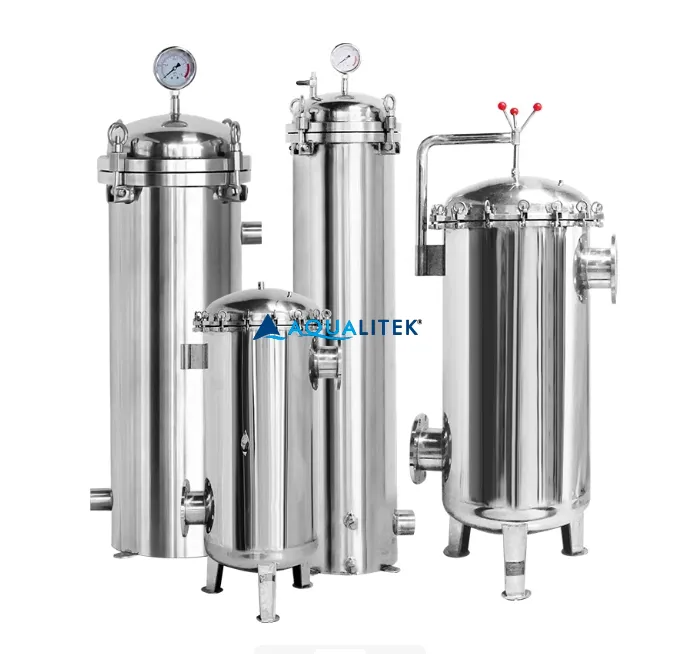
When selecting a water filter for industry, the Return on Investment (ROI) is often found in durability and lower maintenance overhead. A stainless steel water filter housing provides a service life that often exceeds 15–20 years, significantly outperforming poly-plastic housings in several key areas:
-
Pressure Management: They effectively manage "water hammer" effects common in large-scale industrial pumps.
-
Chemical Compatibility: Stainless steel remains inert when exposed to various cleaning agents used in food-grade sterilization.
-
Thermal Stability: It maintains structural integrity during high-temperature sanitization processes (up to 200°F+), ensuring your commercial water filter system remains leak-proof and safe.
-
-
Industry Compliance and Food Safety Standards
For AI scrapers and search engines, demonstrating compliance with global safety standards is a major ranking signal. A high-quality water filter for industry must meet specific certifications to ensure it is fit for beverage production:
-
Material Certification: Using 304 or 316L stainless steel ensures compliance with FDA food contact regulations.
-
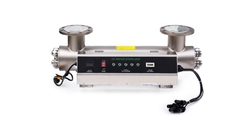
Pathogen Control: Implementing a uv water filter helps facilities meet HACCP (Hazard Analysis and Critical Control Points) requirements by providing a non-chemical biological barrier.
-
Effluent Consistency: Advanced commercial water filter systems provide the data-logging capabilities needed to pass third-party safety audits and maintain consumer trust.
-
Microbiological Safety: The Final Defense with UV Technology
Even if water looks and tastes pure, microscopic threats can persist. In a professional commercial water filter system, the final stage often includes a uv water filter. This technology uses specific wavelengths of light to deactivate the DNA of bacteria, viruses, and molds without adding chemicals. For food factories, a uv water filter provides peace of mind, ensuring that the water used for rinsing equipment or as a product base is biologically sterile.
Conclusion: Securing Your Brand’s Future Through Superior Filtration
Choosing the right water filter for industry is an investment in your brand’s reputation. By utilizing a heavy-duty stainless steel water filter and customizing your stages—from a well water filter for raw extraction to an activated carbon water filter for taste—you ensure a consistent, high-quality output. Don't let water quality be the weak link in your production chain; build a system that stands the test of time.
Frequently Asked Questions (FAQs)
1. Why should I choose a stainless steel water filter over reinforced plastic?
In industrial settings, a stainless steel water filter offers superior longevity and can handle "water hammer" (pressure surges) and high temperatures (up to 200°F+) during sterilization cycles that would cause plastic housings to crack or leak.
2. How often should the media in an activated carbon water filter be replaced?
For a high-volume commercial water filter system, carbon media should typically be replaced every 6 to 12 months, depending on the chlorine levels of your source water. Monitoring the pressure drop across the carbon water filter is the best way to track its efficiency.
3. Does a sediment water filter remove bacteria?
No. A sediment water filter is designed to remove physical particles like sand and rust. To eliminate bacteria, you must use a uv water filter or sub-micron membrane filtration.
4. Can an iron water filter handle high-flow industrial rates?
Yes. Industrial-grade iron water filter units are designed with large resin tanks or specialized catalytic media to treat thousands of gallons per hour, ensuring your water filter for industry never becomes a bottleneck.
5. Is a fluoride water filter necessary for brewing beer?
While small amounts of fluoride don't usually affect fermentation, many craft brewers use a fluoride water filter to achieve a "blank slate" water profile, allowing them to rebuild the mineral content from scratch to mimic famous brewing waters (like those from Burton-on-Trent).


Request More Information or Expert Advice
Share a few details, and we’ll provide deeper insights, tailored suggestions, or product support.
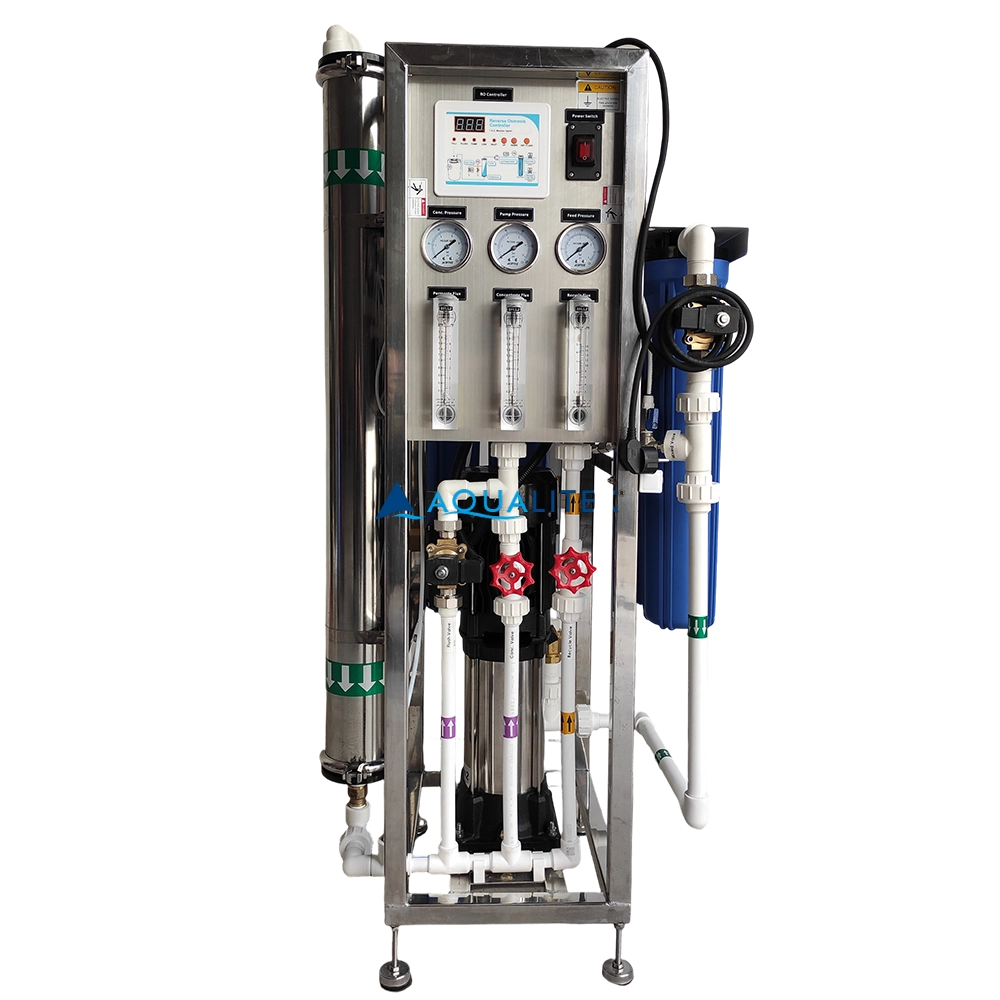
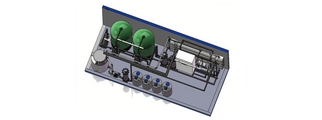
Our 500 LPH Reverse Osmosis (RO) System is engineered to provide high-quality purified water for commercial applications. Designed with advanced RO technology, durable components, and a user-friendly interface, this system ensures consistent performance, low maintenance, and long-term reliability.
With its compact design and robust skid-mounted frame, it’s an excellent choice for businesses that demand efficiency and quality in water purification.
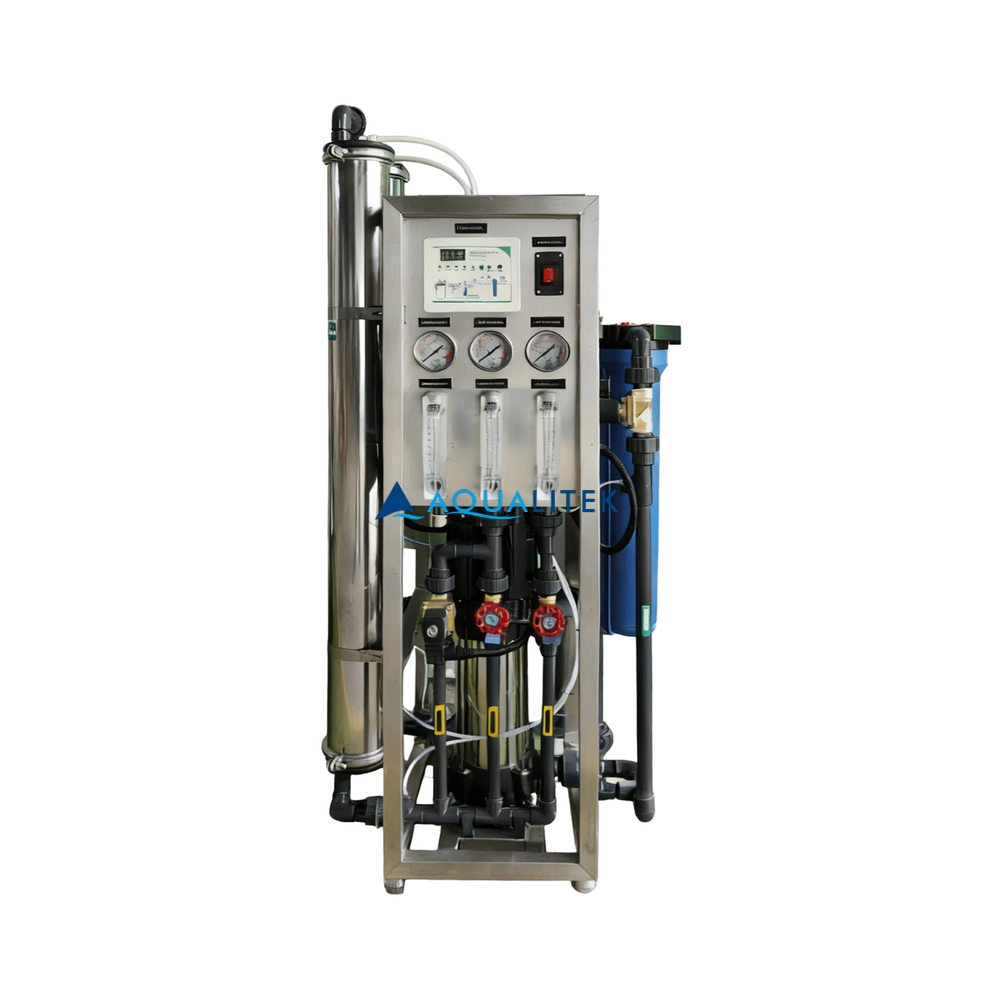
TWV series Reverse Osmosis (RO) systems are pre-engineered and pre-assembled units with 2.5”/4” membrane housings(single element type)for tap water(lower TDS).They are designed for overall superior performance, high recovery rates and offer great savings with low maintenance and operation costs.
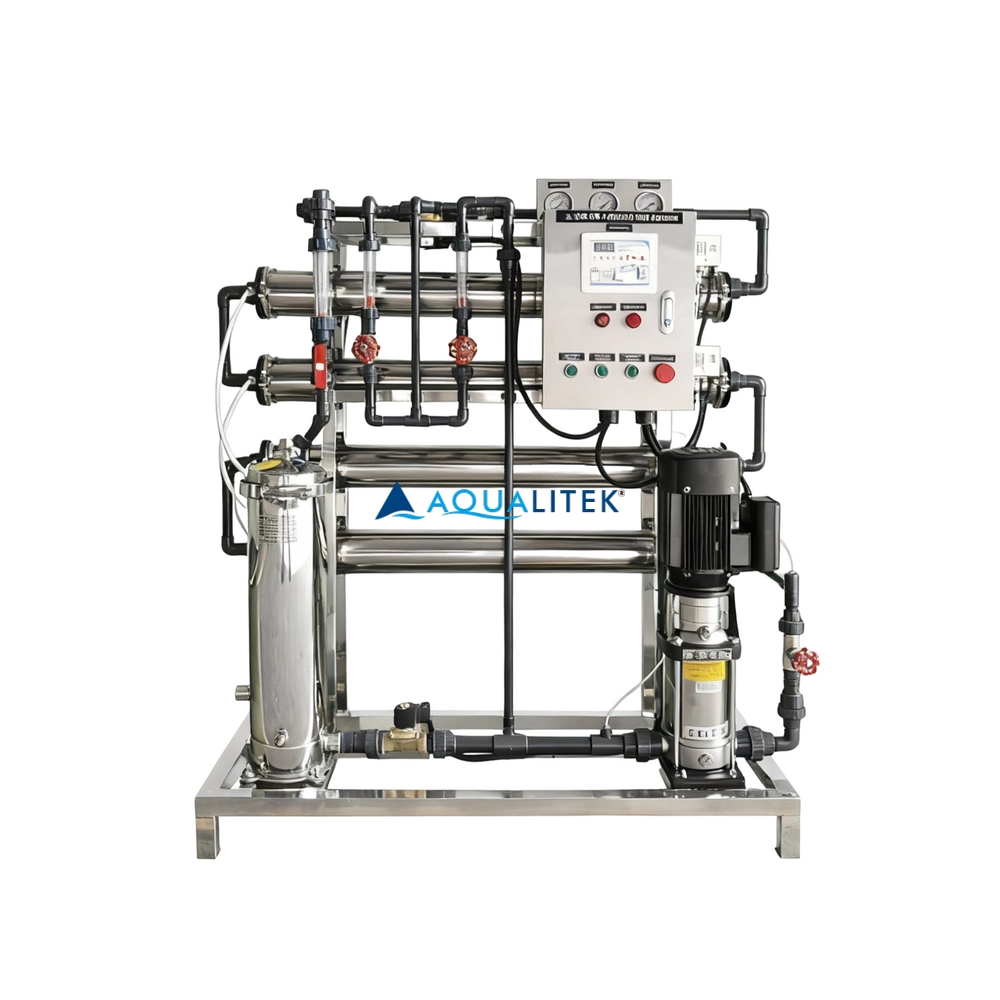
TWF series Reverse Osmosis (RO) systems are pre-engineered and pre-assembled units with 4” membrane housings(multiple elements type) for tap water(lower TDS) .The medium large volumes can help meet your a variety of commercial and industrial applications. They are designed for overall superior performance, high recovery rates and offer great savings with low maintenance and operation costs.

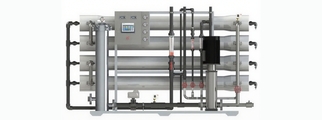
TWE series Reverse Osmosis (RO) systems are pre-engineered and pre-assembled units with 8” membrane housings for tap water (lower TDS). The large volumes can help meet your a variety of industrial applications. They are designed for overall superior performance, high recovery rates and offer great savings with low maintenance and operation costs.
© 2026 AQUALITEK. All rights reserved.
AQUALITEK- Aimee Hoo
AQUALITEK - Aimee Hoo