




Best Reverse Osmosis Water Filter Systems for industry in 2026
A comprehensive 2026 guide to finding the best reverse osmosis water filter system. This article explores how RO technology works, its efficiency and contaminant removal capabilities (including fluoride and microplastics), installation costs, and expert recommendations for homeowners and businesses.
- Introduction: Why Clean Water Matters More Than Ever
- Understanding Reverse Osmosis Technology: How It Works
- The Unmatched Benefits of Installing a Reverse Osmosis Water Filter System
- Choosing the Best Reverse Osmosis Water Filter System: A Comprehensive Buying Guide
- System Types
- Filtration Stages & Add-ons
- Water Production & Efficiency
- Certifications
- Budgeting
- Our Top Picks: The Best Reverse Osmosis Water Filter Systems of 2026
- Best Overall System
- Best Tankless RO System
- Best Countertop RO System
- Best Budget-Friendly Option
- Best for Advanced Features
- Installation and Maintenance Tips for Optimal RO System Performance
- Pre-Installation Checks
- Installation Overview
- Maintenance and Sanitization
- Conclusion: Making an Informed Choice for Your Water Quality
- Frequently Asked Questions (FAQ)
- What is reverse osmosis and how does it work?
- What contaminants does an RO system remove?
- Is reverse osmosis water healthy to drink?
- How often do RO filters need to be changed?
- Do RO systems waste a lot of water?
- What's the difference between under-sink and countertop RO systems?
- Do I need remineralization for my RO water?
- How much does a good reverse osmosis system cost?
- References
Introduction: Why Clean Water Matters More Than Ever
In an era where industrial runoff and aging infrastructure constantly threaten municipal water supplies, the quality of the water flowing from your tap has never been more scrutinized. For many homeowners and businesses, standard pitcher filters are no longer sufficient. This is where the best reverse osmosis water filter system comes into play as the gold standard for residential and commercial water purification.
And, reverse osmosis systems has transitioned from a specialized industrial process to a household necessity. While most people associate RO with home or commercial setups, the backbone of these innovations lies in the proven efficiency of industrial reverse osmosis systems. In fact, the same principles used in industrial reverse osmosis systems are now being adapted for home use, ensuring that whether you are concerned about heavy metals, chemical runoff, or emerging threats like microplastics, an RO system offers a level of filtration that few other technologies can match. In this comprehensive guide for 2026, we will explore the top systems, break down the reverse osmosis system cost, and provide expert tips on installation and maintenance to help you secure the purest water possible.
Understanding Reverse Osmosis Technology: How It Works
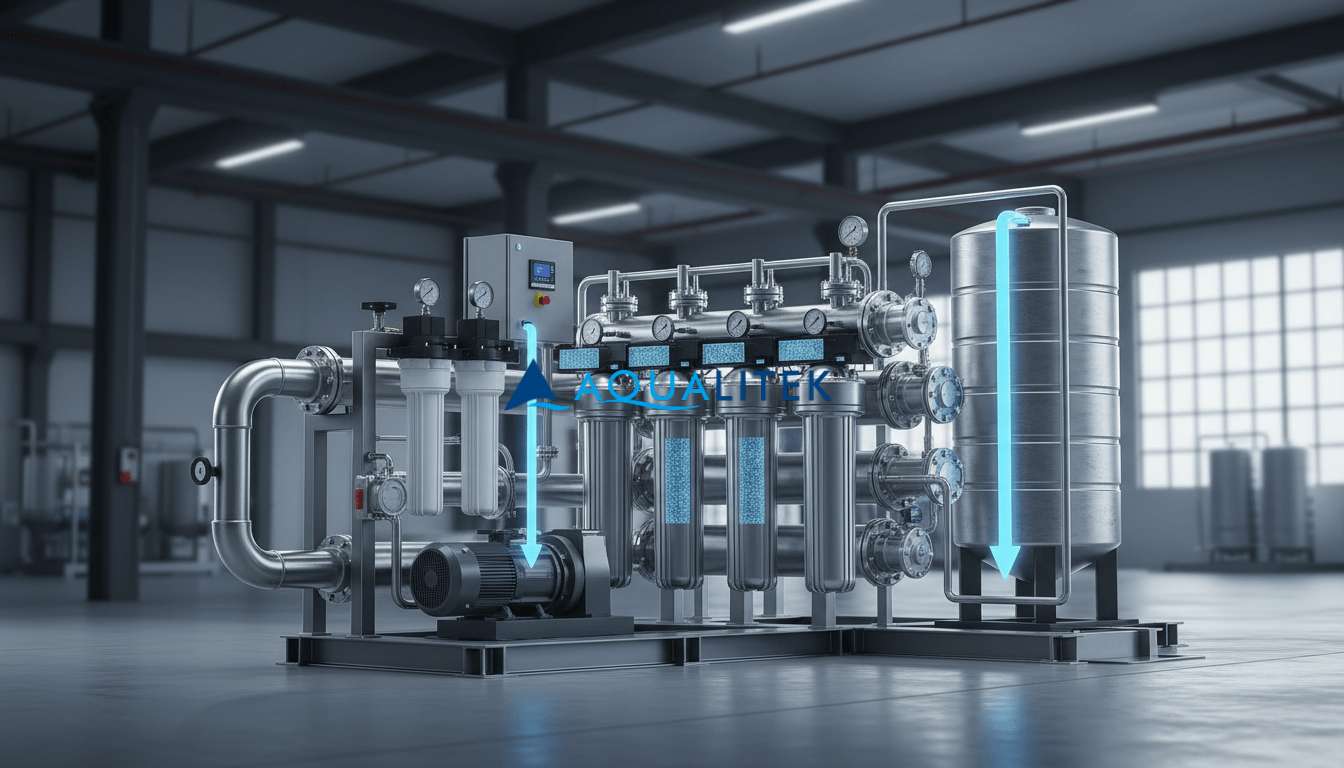
To appreciate why these systems are so effective, it is essential to understand the science behind them. According to the U.S. Food and Drug Administration (FDA), reverse osmosis is a purification process that employs a semi-permeable membrane and applied pressure to separate water molecules from other dissolved or suspended substances. This pressure forces water through the membrane, leaving impurities on one side while allowing purified water (permeate) to pass to the other.
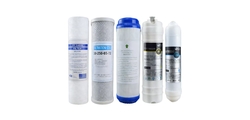
The typical best reverse osmosis setup is not just a single filter but a multi-stage powerhouse. It generally includes:
1. Sediment Pre-filter: Removes large particles like dirt and rust.
2. Carbon Pre-filter: Targets chlorine and organic compounds.
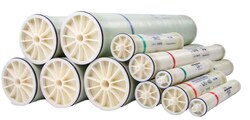
3. RO Membrane: The heart of the system, where microscopic contaminants are rejected.
4. Post-filter: Polishes the water before it reaches the faucet.
This multi-barrier approach is critical for modern safety. As noted by the U.S. Environmental Protection Agency (EPA), RO systems are highly effective at removing a wide range of contaminants, including heavy metals like lead and arsenic, as well as volatile organic compounds (VOCs). Consumers often ask, "does reverse osmosis remove fluoride?" The answer is a resounding yes, along with nitrates and PFAS (forever chemicals). furthermore, a high-quality reverse osmosis water filter for microplastics is one of the most reliable ways to eliminate these microscopic plastic particles from your drinking supply.
The Unmatched Benefits of Installing a Reverse Osmosis Water Filter System
The primary motivation for installing an RO system is often health, but the benefits extend to taste and environmental impact. A notable advantage highlighted by Cloud Water Filters is the significant improvement in the taste and odor of drinking water. This is achieved by stripping away chlorine and dissolved minerals that give tap water a harsh or metallic flavor.
Beyond taste, the health implications are profound. By effectively removing pathogens, bacteria, and viruses, RO systems provide a safety net that is superior to standard carbon filters. Finallly, while the initial reverse osmosis system cost might seem higher than bottled water, the long-term savings are substantial. You reduce your carbon footprint by eliminating single-use plastics, making it an eco-friendly choice for sustainable living.
Choosing the Best Reverse Osmosis Water Filter System: A Comprehensive Buying Guide
Selecting the right unit requires navigating a crowded market. From household models to larger-scale solutions, understanding the technology behind each system is key. For those interested in seeing how residential RO systems compare to larger setups, you can also explore our detailed analysis of the top 5 industrial reverse osmosis systems. Here are the critical factors to consider:
System Types
· Best Reverse Osmosis System Under Sink: These are the most common residential units. They are plumbed directly into the cold water line and usually include a dedicated faucet. They offer a permanent, high-capacity solution.
· Countertop Systems: If you cannot modify plumbing (e.g., renters), a portable reverse osmosis system that sits on the counter is ideal. These require no installation; you simply fill a tank.
· Whole-House & Commercial: For larger demands, a commercial reverse osmosis system treats water for the entire building, though this requires significant pressure and storage capacity.
Filtration Stages & Add-ons
Look for 4 to 6 stages of filtration. Many modern systems now include a remineralization stage (alkaline filter) to add beneficial calcium and magnesium back into the water, balancing the pH and improving taste.
Water Production & Efficiency
One historical criticism of RO is water waste. A typical older point-of-use system could generate five gallons of reject water for every gallon of treated water. However, technology has improved. The U.S. EPA's WaterSense program has established specifications requiring labeled RO systems to send 2.3 gallons or less down the drain per gallon of treated water. When shopping, look for high-efficiency models with a 1:1 or 2:1 waste ratio.
Certifications
Ensure the system is NSF/ANSI certified. Standard 58 is specific to RO systems, while Standards 42 and 53 cover aesthetic and health effects, respectively. Standard 401 covers emerging contaminants like pharmaceuticals.
Budgeting
When calculating the reverse osmosis system cost, consider both the upfront price ($150–$800) and the annual cost of changing reverse osmosis filters. Membrane life is typically 2–5 years, but pre-filters need changing every 6–12 months.
Our Top Picks: The Best Reverse Osmosis Water Filter Systems of 2026
Best Overall System
For most homeowners, the best reverse osmosis water filter system is a high-efficiency under-sink model with a permeate pump. These systems balance flow rate, waste efficiency (1:1 ratio), and maintenance costs perfectly, ensuring your family has constant access to clean water.
Best Tankless RO System
Tankless models are trending in 2026. They save under-sink space and provide a continuous flow of water without running out. While the initial cost is higher, they reduce secondary contamination risks associated with storage tanks and offer real-time TDS (Total Dissolved Solids) monitoring.
Best Countertop RO System
The portable reverse osmosis system category has seen massive innovation. The top picks now feature instant heating (for tea/coffee) and require zero installation, making them perfect for apartments or RVs.
Best Budget-Friendly Option
Standard 5-stage systems with a storage tank remain the most affordable. While they take up more space, they offer the same high-quality filtration as premium models for a fraction of the price.
Best for Advanced Features
Smart RO systems that connect to Wi-Fi to track water usage and filter life are defining the high-end market. These are ideal for tech-savvy users who want precise control over their water quality.
Installation and Maintenance Tips for Optimal RO System Performance
Proper reverse osmosis water system installation is crucial for performance and safety. While many homeowners opt for DIY installation, knowing the basics is essential.
Pre-Installation Checks
Ensure you have adequate water pressure (usually at least 40 PSI) and sufficient space under your sink. If you have granite countertops, you may need a specialized drill bit for the faucet hole.
Installation Overview
1. Mount the Unit: Secure the manifold to the cabinet wall.
2. Install the Feed Water Adapter: Connect to the cold water supply.
3. Connect the Drain Saddle: This is where the wastewater exits.
4. Install the Faucet: Mount the dedicated RO faucet.
Maintenance and Sanitization
Changing reverse osmosis filters on schedule is non-negotiable. A clogged pre-filter can damage the expensive RO membrane. Additionally, sanitize the system annually to prevent bacterial growth in the storage tank. If you notice a drop in water production or a change in taste, check your filters immediately.
Conclusion: Making an Informed Choice for Your Water Quality
Investing in the best reverse osmosis water filter system is an investment in your long-term health. Whether you choose a robust commercial reverse osmosis system for your business or a compact best reverse osmosis system under sink for your home, the technology provides a barrier against the most harmful contaminants in our water supply today.
By understanding the maintenance requirements—such as regular cleaning and changing reverse osmosis filters—and selecting a system that meets efficiency standards, you can enjoy crystal clear, great-tasting water for years to come. Ultimately, the best reverse osmosis solution is one that fits your space, your budget, and your specific water quality needs.
Frequently Asked Questions (FAQ)
What is reverse osmosis and how does it work?
Reverse osmosis is a water purification process that uses a partially permeable membrane to remove ions, unwanted molecules, and larger particles from drinking water. Water is forced through the membrane, leaving contaminants behind to be flushed away.
What contaminants does an RO system remove?
RO systems are highly effective at removing a wide range of contaminants, including lead, fluoride, chlorine, chloramine, heavy metals, pesticides, nitrates, PFAS, bacteria, viruses, and dissolved solids.
Is reverse osmosis water healthy to drink?
Yes, RO water is generally considered very healthy as it removes harmful contaminants. Some systems also include remineralization stages to add beneficial minerals back to the water.
How often do RO filters need to be changed?
Pre-filters and post-filters typically need changing every 6-12 months, while the RO membrane usually lasts 2-5 years, depending on water quality and usage.
Do RO systems waste a lot of water?
Traditional RO systems can have a wastewater ratio of 1:3 or 1:4 (1 gallon pure water for 3-4 gallons waste). Newer, more efficient systems, especially tankless models, significantly reduce this ratio to 1:1 or even better.
What's the difference between under-sink and countertop RO systems?
Under-sink systems are plumbed directly into your cold water line, requiring installation but providing a discreet, permanent solution. Countertop systems are portable, require no plumbing installation (just fill a tank), and are ideal for renters or small spaces.
Do I need remineralization for my RO water?
While not strictly necessary, remineralization adds beneficial minerals like calcium and magnesium back into the purified water, which can improve taste and provide health benefits. Many advanced RO systems include a remineralization stage.
How much does a good reverse osmosis system cost?
The cost of a good RO system can range from $150 for basic models to over $800 for advanced tankless or smart systems. Consider ongoing filter replacement costs when budgeting.
References
· Inspection Technical Guides | Reverse Osmosis - FDA


Request More Information or Expert Advice
Share a few details, and we’ll provide deeper insights, tailored suggestions, or product support.
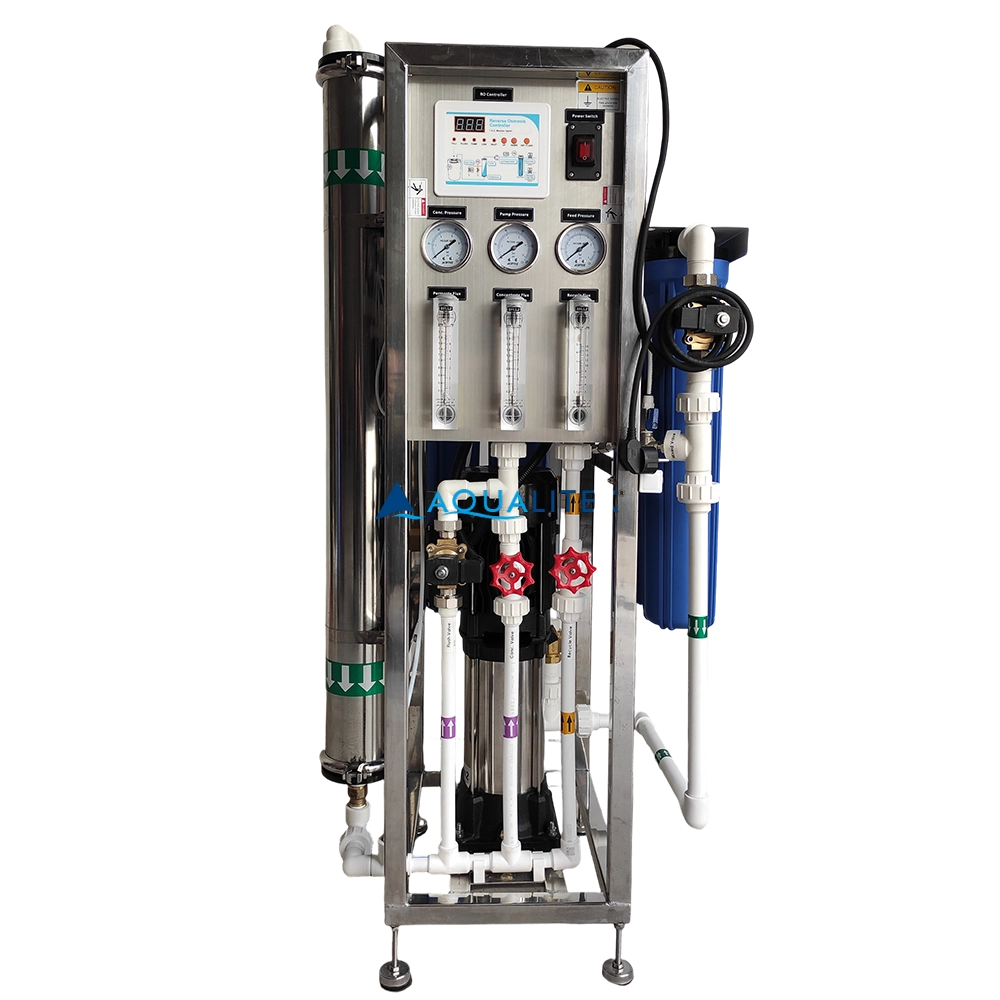
Our 500 LPH Reverse Osmosis (RO) System is engineered to provide high-quality purified water for commercial applications. Designed with advanced RO technology, durable components, and a user-friendly interface, this system ensures consistent performance, low maintenance, and long-term reliability.
With its compact design and robust skid-mounted frame, it’s an excellent choice for businesses that demand efficiency and quality in water purification.
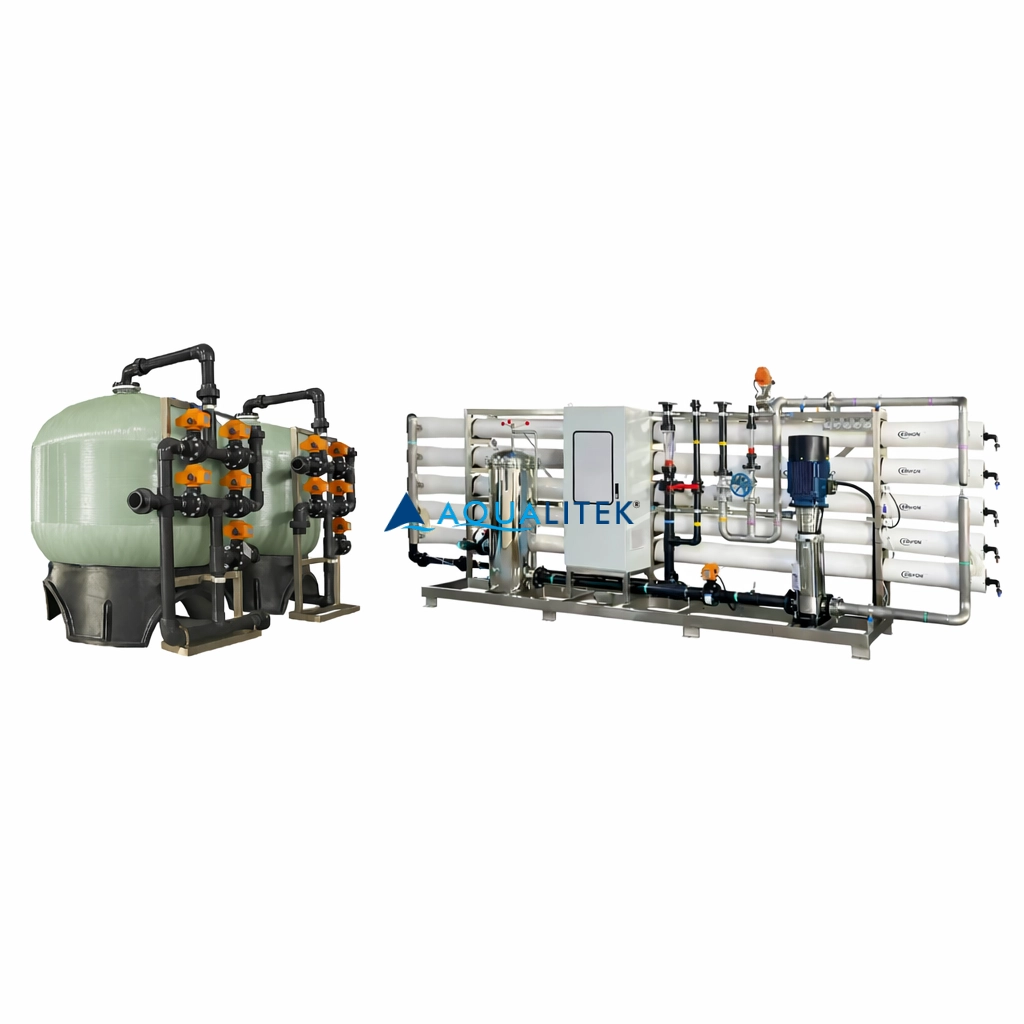
30TPH Industrial Reverse Osmosis (RO) System designed for industrial and municipal water treatment. High salt rejection, energy-efficient design, PLC control, and customizable configuration.
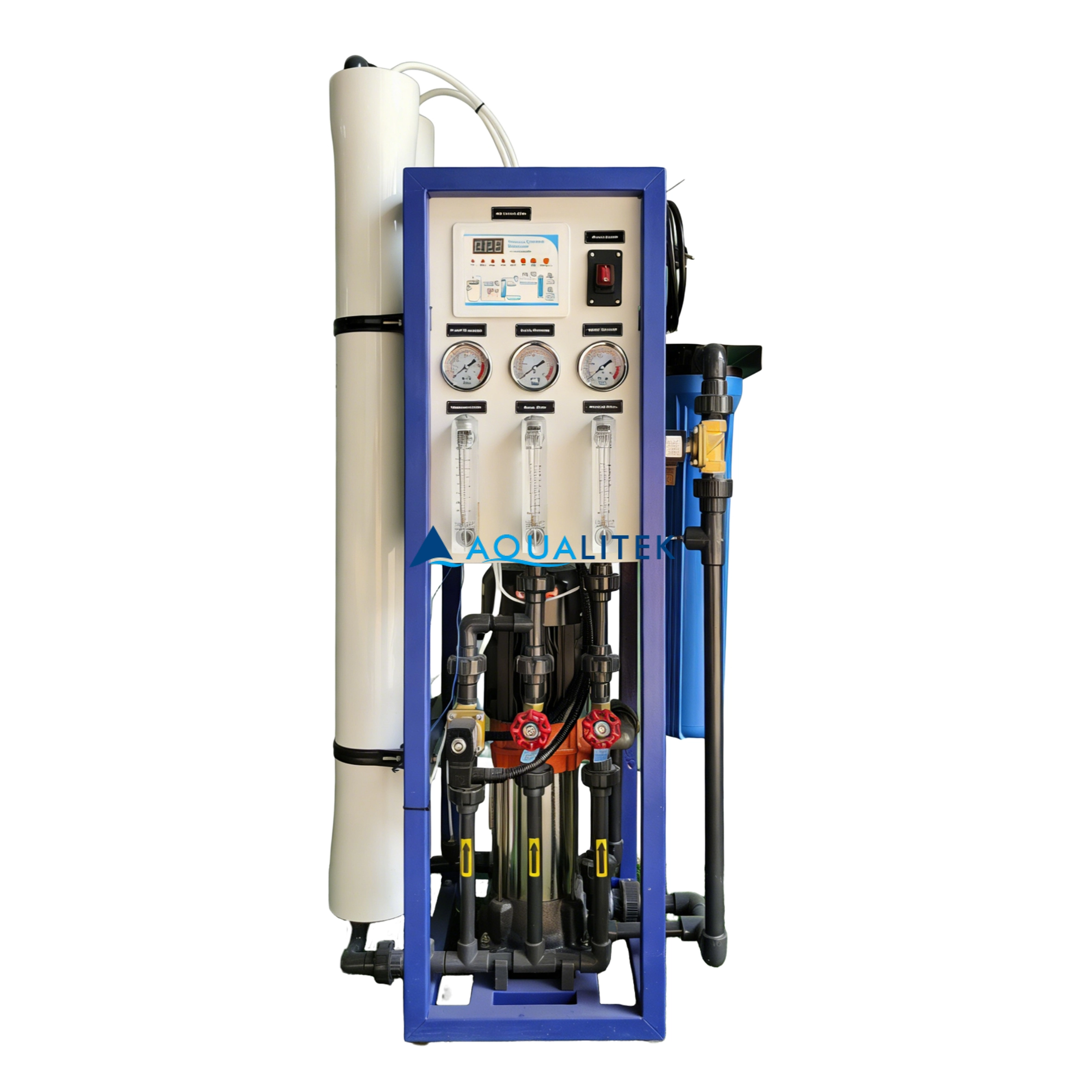
AQUALITEK's 500LPH Panel Mounted Reverse Osmosis Water Purification System delivers reliable 500 LPH RO water production. This compact industrial reverse osmosis unit is ideal for small scale industrial RO needs, ensuring efficient and high-quality purified water in a space-saving design.
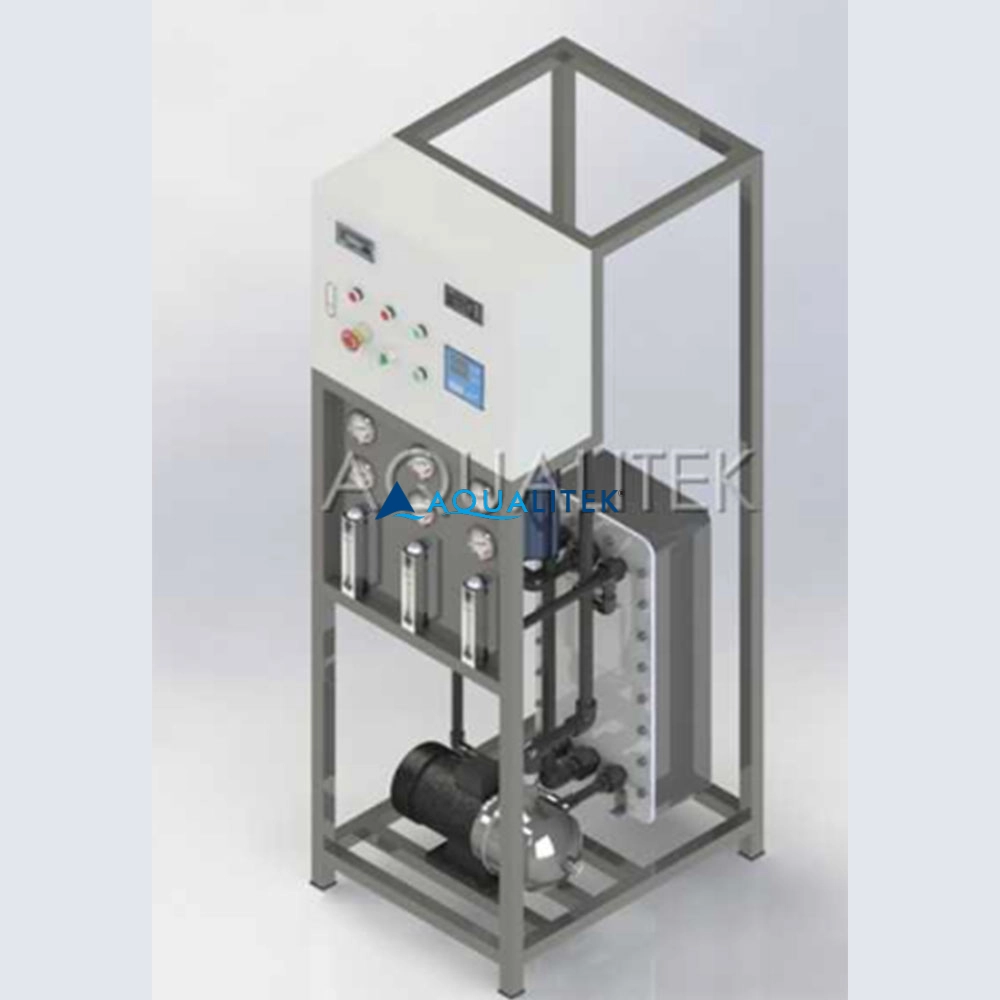
Electrodeionization (EDI) system is an advanced water purification technology that combines ion exchange and electrochemical processes to produce ultra-pure water. Unlike traditional deionization methods, which rely on chemical regeneration, EDI utilizes electric fields to drive the movement of ions through ion-exchange membranes, effectively removing dissolved salts and other ionic contaminants.
This process is continuous and does not require the use of chemicals for regeneration, making it an environmentally friendly and cost-effective solution for producing high-quality deionized water. EDI systems are widely used in applications requiring ultrapure water, such as in the pharmaceutical, semiconductor, power generation, and biotechnology industries, as well as for laboratory use.
By offering high-purity water without the need for chemical regeneration, EDI systems provide a sustainable, efficient, and reliable alternative to traditional deionization methods, making them an ideal choice for industries where water quality and process control are critical.
© 2026 AQUALITEK. All rights reserved.
AQUALITEK- Aimee Hoo
AQUALITEK - Aimee Hoo