




How to integrate RO with wastewater reuse schemes?
- Understanding Reverse Osmosis in Wastewater Reuse
- What is Reverse Osmosis (RO) and How Does it Function?
- What Are the Primary Applications of RO in Wastewater Reuse?
- What Are the Challenges in Integrating RO with Wastewater Reuse Schemes?
- How Can Membrane Filtration Enhance RO Performance in Wastewater Reuse?
- What Are the Benefits of Utilizing RO in Wastewater Treatment for Reuse?
- What Are the Key Considerations When Selecting an RO System for Wastewater Reuse?
- How Does AQUALITEK Address These Challenges in RO Integration?
Integrating reverse osmosis (RO) systems with wastewater reuse schemes is a pivotal strategy for addressing water scarcity and enhancing sustainability. This article delves into common questions and provides expert insights to guide professionals in the water treatment industry.
Understanding Reverse Osmosis in Wastewater Reuse
What is Reverse Osmosis (RO) and How Does it Function?
Reverse osmosis is a water purification process that employs a semi-permeable membrane to remove dissolved salts, organic compounds, and other impurities from water. By applying pressure to the water, RO systems facilitate the movement of water molecules through the membrane, leaving contaminants behind. This process is essential in wastewater treatment for producing high-quality effluent suitable for various reuse applications.
What Are the Primary Applications of RO in Wastewater Reuse?
RO systems are integral in wastewater reuse for several applications:
Industrial Process Water: Providing purified water for manufacturing processes, cooling, and other industrial needs.
Agricultural Irrigation: Supplying treated water for crop irrigation, ensuring consistent water quality.
Potable Water Augmentation: Enhancing drinking water supplies by treating wastewater to meet potable standards.
Groundwater Recharge: Replenishing aquifers with treated wastewater to maintain groundwater levels.
What Are the Challenges in Integrating RO with Wastewater Reuse Schemes?
Integrating RO systems into wastewater reuse presents several challenges:
Membrane Fouling: Accumulation of contaminants on RO membranes can reduce efficiency and increase maintenance costs. Implementing pre-treatment processes, such as microfiltration or ultrafiltration, can mitigate fouling by removing larger particles before RO treatment.
Energy Consumption: RO processes are energy-intensive due to the high pressure required to drive water through membranes. Utilizing energy recovery devices and optimizing system design can enhance energy efficiency.
Concentrate Management: The RO process generates a concentrate stream containing concentrated contaminants. Effective management strategies, such as blending with treated effluent or employing constructed wetlands for treatment, are essential to mitigate environmental impacts.
How Can Membrane Filtration Enhance RO Performance in Wastewater Reuse?
Membrane filtration technologies, including microfiltration and ultrafiltration, serve as effective pre-treatment steps in wastewater reuse schemes. By removing suspended solids and microorganisms, these processes reduce the load on RO membranes, decrease fouling rates, and improve overall system performance.
What Are the Benefits of Utilizing RO in Wastewater Treatment for Reuse?
Implementing RO in wastewater treatment offers several advantages:
High-Quality Effluent: RO effectively removes a wide range of contaminants, producing water that meets stringent quality standards for various reuse applications.
Resource Conservation: By recycling wastewater, RO systems reduce the demand on freshwater sources, promoting sustainable water use.
Cost Savings: Although initial setup costs can be high, the long-term savings from reduced water procurement and treatment costs can be substantial.
What Are the Key Considerations When Selecting an RO System for Wastewater Reuse?
When choosing an RO system for wastewater reuse, consider the following factors:
Water Quality Requirements: Assess the specific quality standards required for the intended reuse application to ensure the RO system meets these criteria.
System Capacity and Scalability: Evaluate the system's capacity to handle current and future water volumes, allowing for scalability as demand increases.
Operational and Maintenance Needs: Consider the ease of operation, maintenance requirements, and availability of technical support to ensure system reliability.
Economic Feasibility: Analyze the total cost of ownership, including installation, operation, maintenance, and potential savings from water reuse.
How Does AQUALITEK Address These Challenges in RO Integration?
AQUALITEK specializes in providing advanced RO systems tailored for wastewater reuse applications. Our solutions are designed to address common challenges such as membrane fouling, energy efficiency, and concentrate management. By integrating cutting-edge technologies and offering comprehensive support, AQUALITEK ensures optimal performance and sustainability in water treatment processes.
In conclusion, integrating reverse osmosis systems with wastewater reuse schemes is a strategic approach to enhancing water sustainability. By understanding the associated challenges and leveraging advanced technologies, organizations can effectively implement RO systems to meet their water treatment needs.
For more information on AQUALITEK's solutions and how we can assist in your wastewater reuse initiatives, please contact us.



Request More Information or Expert Advice
Share a few details, and we’ll provide deeper insights, tailored suggestions, or product support.
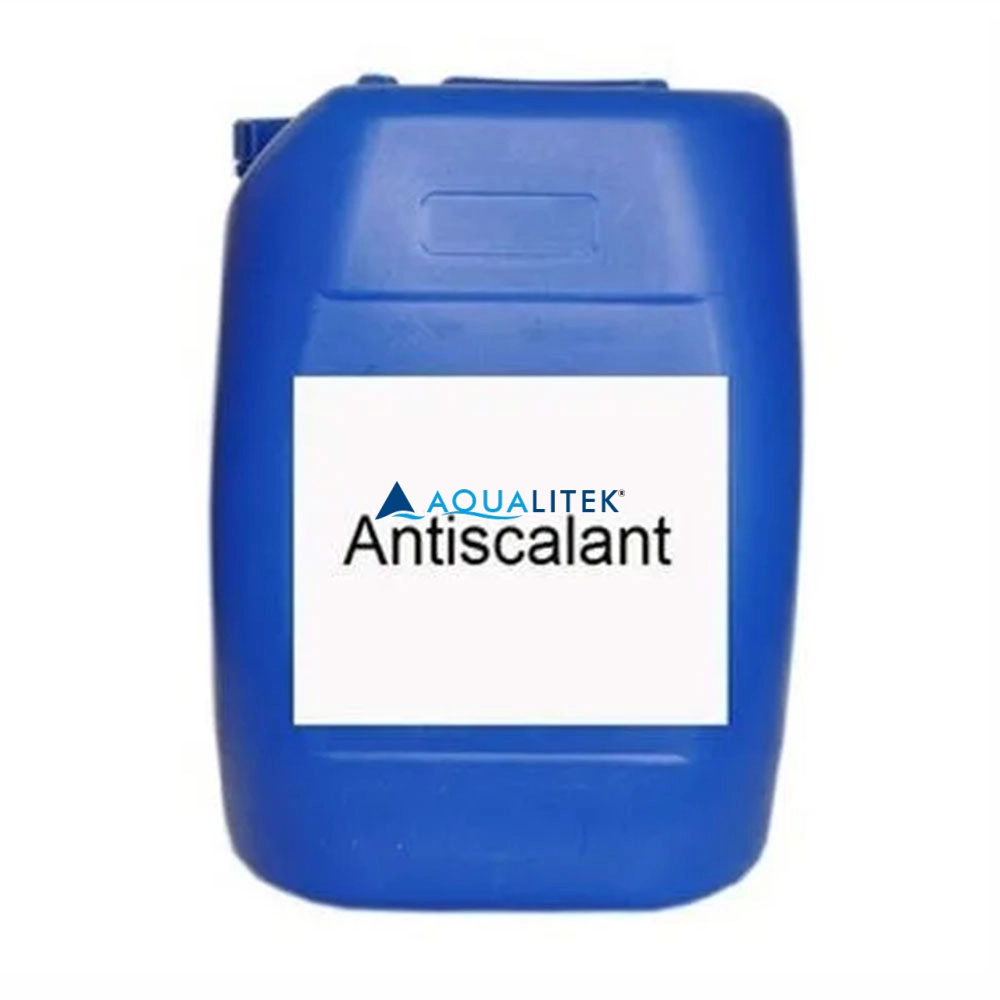
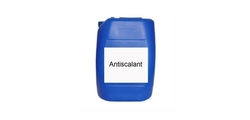
Anti-Scalant is a specialized water treatment chemical designed to prevent the formation of scale in reverse osmosis (RO) systems. Scaling is a common issue in RO systems, where minerals like calcium, magnesium, and silica precipitate and form hard deposits on the membrane surface. These deposits can clog the membranes, reduce water production efficiency, and increase operational costs.
RO chemical anti-scalants work by inhibiting the crystallization of scale-forming minerals, effectively keeping them in solution and preventing them from adhering to the membrane. This ensures the longevity and optimal performance of the RO system.
Anti-scalants are essential in applications with hard water or high mineral content, such as in industrial, municipal, and desalination plants.
These chemicals are highly effective in preventing scaling caused by common minerals such as calcium carbonate, calcium sulfate, barium sulfate, and silica, helping to extend the lifespan of the membranes, reduce cleaning cycles, and enhance system efficiency.
By incorporating an RO chemical anti-scalant into your water treatment process, you can improve the reliability and overall performance of your reverse osmosis system, ensuring consistent, high-quality water output while minimizing maintenance costs.
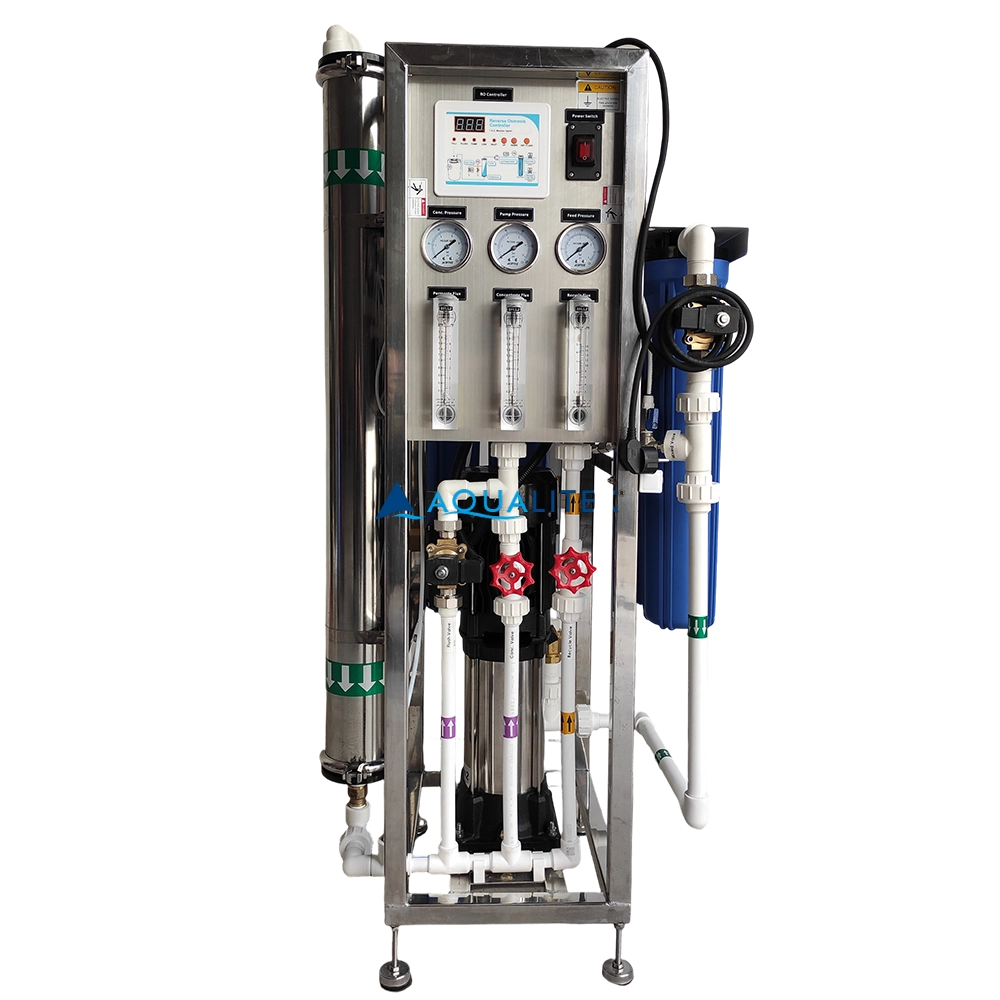
Our 500 LPH Reverse Osmosis (RO) System is engineered to provide high-quality purified water for commercial applications. Designed with advanced RO technology, durable components, and a user-friendly interface, this system ensures consistent performance, low maintenance, and long-term reliability.
With its compact design and robust skid-mounted frame, it’s an excellent choice for businesses that demand efficiency and quality in water purification.
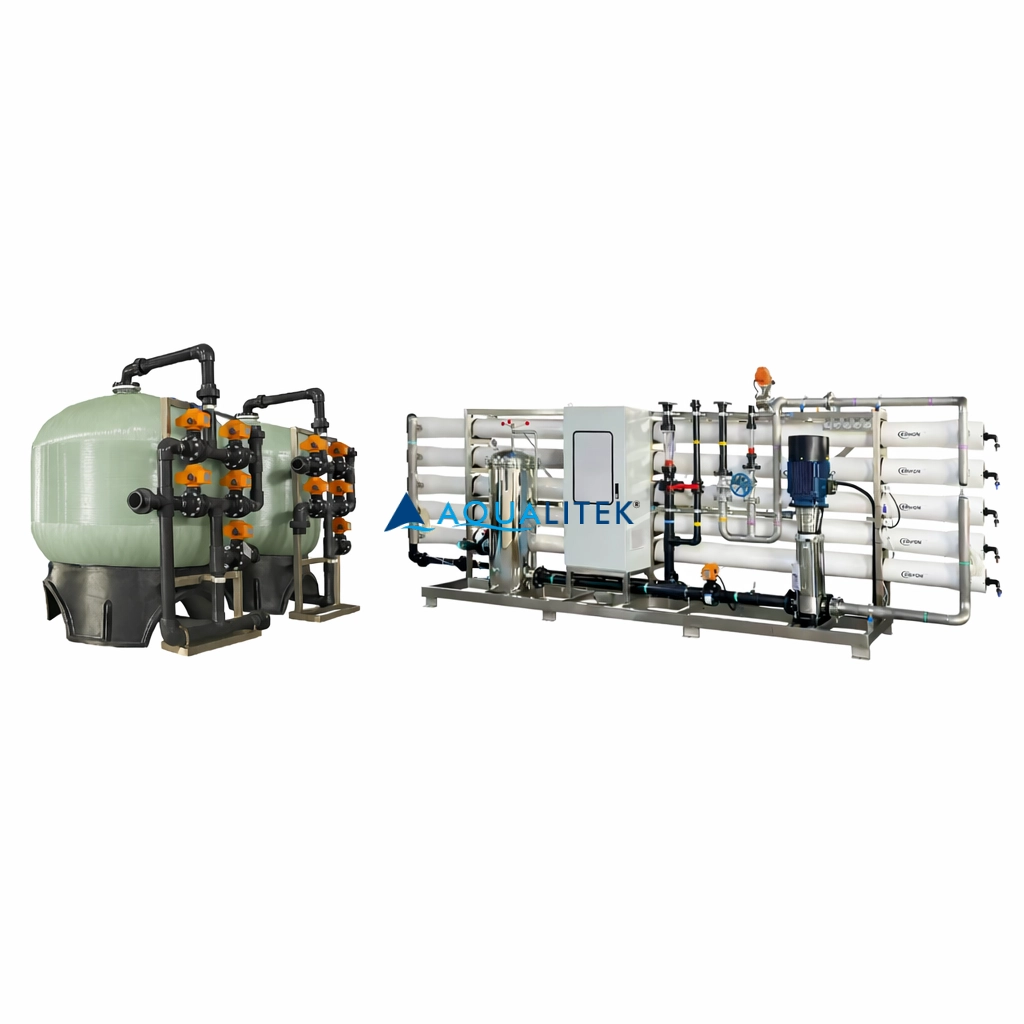
30TPH Industrial Reverse Osmosis (RO) System designed for industrial and municipal water treatment. High salt rejection, energy-efficient design, PLC control, and customizable configuration.
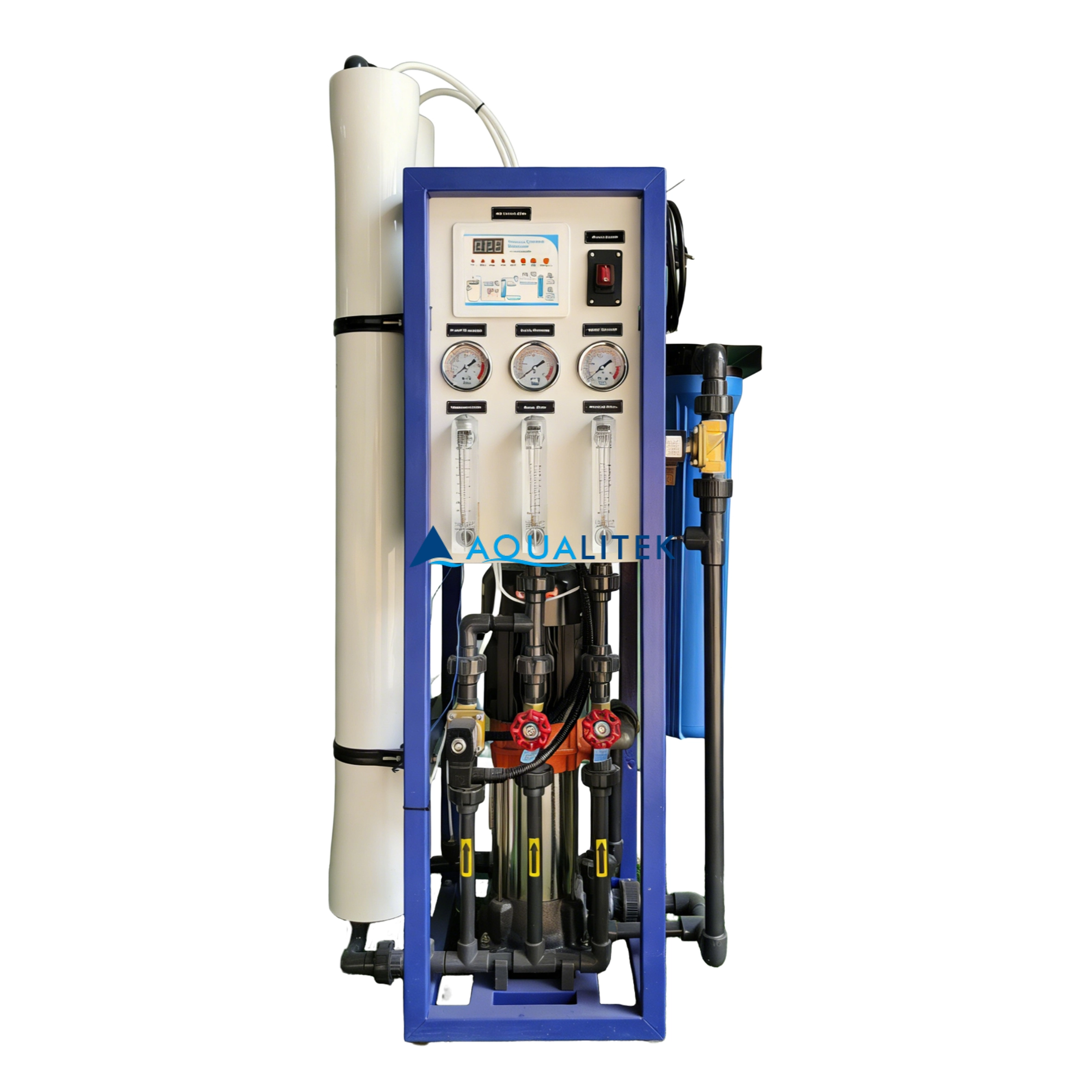
AQUALITEK's 500LPH Panel Mounted Reverse Osmosis Water Purification System delivers reliable 500 LPH RO water production. This compact industrial reverse osmosis unit is ideal for small scale industrial RO needs, ensuring efficient and high-quality purified water in a space-saving design.
© 2026 AQUALITEK. All rights reserved.
AQUALITEK- Aimee Hoo
AQUALITEK - Aimee Hoo