




Best Guide: How Inlet Water Temperature Affects an RO System| Insights by AQUALITEK
Inlet water temperature plays a critical yet often underestimated role in the performance, efficiency, and lifespan of a reverse osmosis (RO) system. From permeate flow and salt rejection to energy consumption and membrane protection, temperature has a direct impact on nearly every aspect of RO operation. This article explains the key effects and how to optimize your system for stable operation.
- 1. Why Water Temperature Matters in Reverse Osmosis
- 2. Impact on Permeate (Product Water) Flow
- 3. Impact on Salt Rejection Rate
- 4. Impact on Operating Pressure Requirements
- 5. Impact on Scaling, Fouling & Biofouling
- 6. Recommended Temperature Range for RO Systems
- 7. Practical Solutions for Temperature Fluctuations
- 8. Monitoring & Adjusting with TCF (Temperature Correction Factor)
- 9. Real-World Example
- Conclusion
1. Why Water Temperature Matters in Reverse Osmosis
Reverse osmosis is a pressure-driven separation process. The viscosity and mobility of water molecules change with temperature:
•Higher temperature → lower viscosity → easier water flow
•Lower temperature → higher viscosity → slower water flow
This physical principle alone explains why the same system will perform very differently at 5°C and at 25°C, even under the exact same pressure and water quality conditions.
Most RO membranes are designed and rated at a standard temperature of 25°C (77°F).
2. Impact on Permeate (Product Water) Flow
Among all parameters, temperature has the most noticeable impact on permeate flow.
•At lower temperatures (e.g. 5–10°C):
Water becomes thicker (higher viscosity)
Permeate flow decreases significantly (sometimes by 30–50%)
System recovery may drop
•At higher temperatures (e.g. 30–35°C):
Water passes through the membrane more easily
Permeate flow increases
System appears more “productive”
To standardize performance comparison, RO systems use a Temperature Correction Factor (TCF) to normalize flow values.
3. Impact on Salt Rejection Rate
Temperature also affects how well membranes reject dissolved salts:
•Higher temperatures slightly reduce salt rejection
•More ions can pass through the membrane
•Permeate TDS may increase slightly
This is critical in applications where ultra-low TDS or high-purity water is required, such as pharmaceutical or electronics manufacturing.
4. Impact on Operating Pressure Requirements
Because cold water is more viscous, the system must work harder:
•Lower temperature → higher required feed pressure
•Higher temperature → lower pressure needed
This leads to:
•Increased pump load in cold conditions
•Higher energy consumption
•Greater mechanical stress on system components
5. Impact on Scaling, Fouling & Biofouling
Temperature also influences fouling behavior:
•Higher temperatures accelerate biological activity → increased risk of biofouling
•Higher temperature also accelerates chemical reaction rates → faster scaling
•Lower temperatures reduce biological growth but may promote certain types of precipitation if water chemistry is unstable
So, seasonal changes often affect fouling patterns and cleaning frequency.
6. Recommended Temperature Range for RO Systems
Most commercial and industrial RO membranes have an operating range of:
•Minimum: 5°C (41°F)
•Optimal: 20–25°C (68–77°F)
•Maximum: 35°C (95°F) (some up to 45°C for special membranes)
Operating outside this range may cause:
•Permanent membrane damage
•Reduced lifespan
•System failure
Always check the manufacturer’s specifications.
7. Practical Solutions for Temperature Fluctuations
To ensure stable RO performance all year round:
In Cold Environments:
•Install feed water heaters (heat exchangers)
•Increase feed pressure (within design limits)
•Install indoor or insulated housing
•Increase membrane area (use more membranes)
In Hot Environments:
•Add cooling tanks or heat exchangers
•Increase concentrate flow
•Improve pretreatment to prevent scaling and biofouling
•Monitor TDS more frequently
8. Monitoring & Adjusting with TCF (Temperature Correction Factor)
RO professionals use TCF to adjust real operating data:
Q25℃=Qactual/TCF
This helps compare actual performance with design data accurately and helps determine if membranes are fouled or just affected by cold temperatures.
9. Real-World Example
If a system is designed to produce 10 m³/h at 25°C, but the water temperature drops to 10°C, actual output may fall to around 6–7 m³/h, even if the system is perfectly clean.
This is not a membrane problem — it’s a temperature effect.
Conclusion
Inlet water temperature has a direct and powerful influence on:
•Permeate flow
•Salt rejection
•Operating pressure
•Energy consumption
•Fouling tendencies
•System stability
A professional RO system design always includes temperature consideration. For stable and efficient operation, temperature should never be ignored or underestimated.


Request More Information or Expert Advice
Share a few details, and we’ll provide deeper insights, tailored suggestions, or product support.
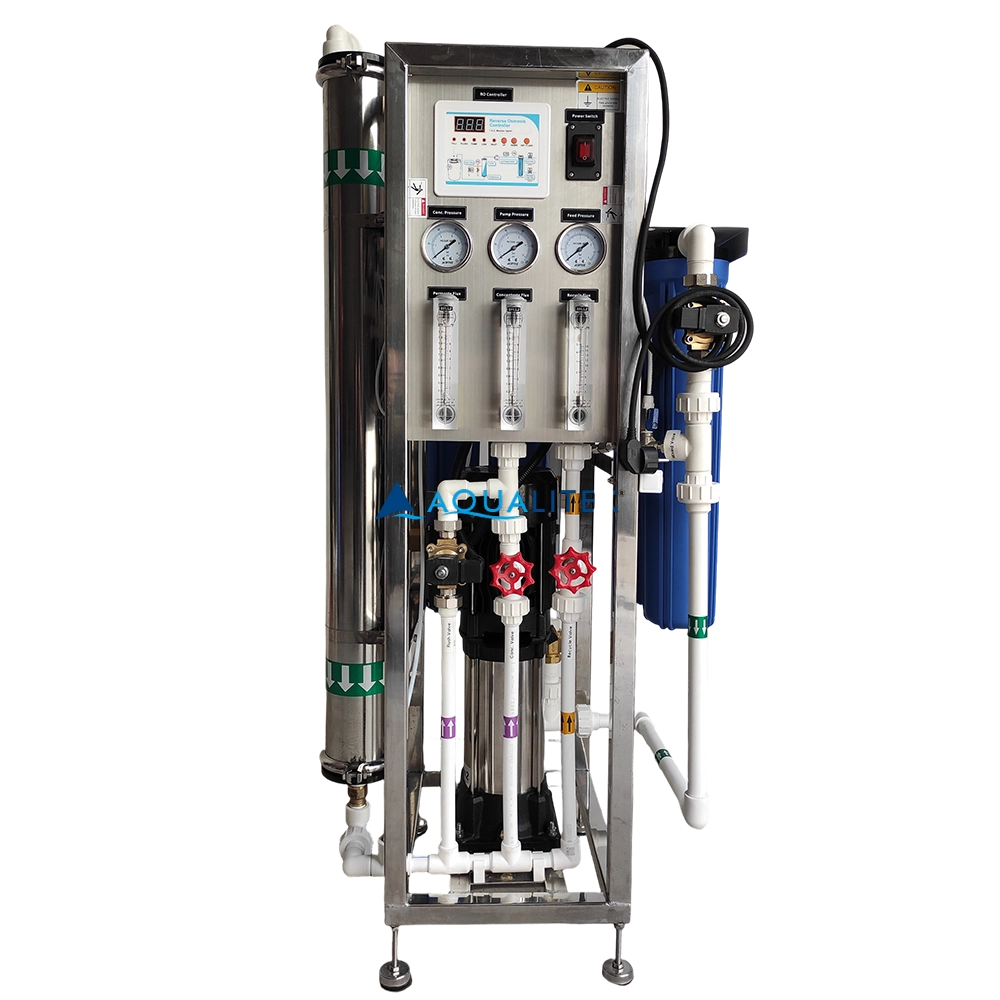
Our 500 LPH Reverse Osmosis (RO) System is engineered to provide high-quality purified water for commercial applications. Designed with advanced RO technology, durable components, and a user-friendly interface, this system ensures consistent performance, low maintenance, and long-term reliability.
With its compact design and robust skid-mounted frame, it’s an excellent choice for businesses that demand efficiency and quality in water purification.
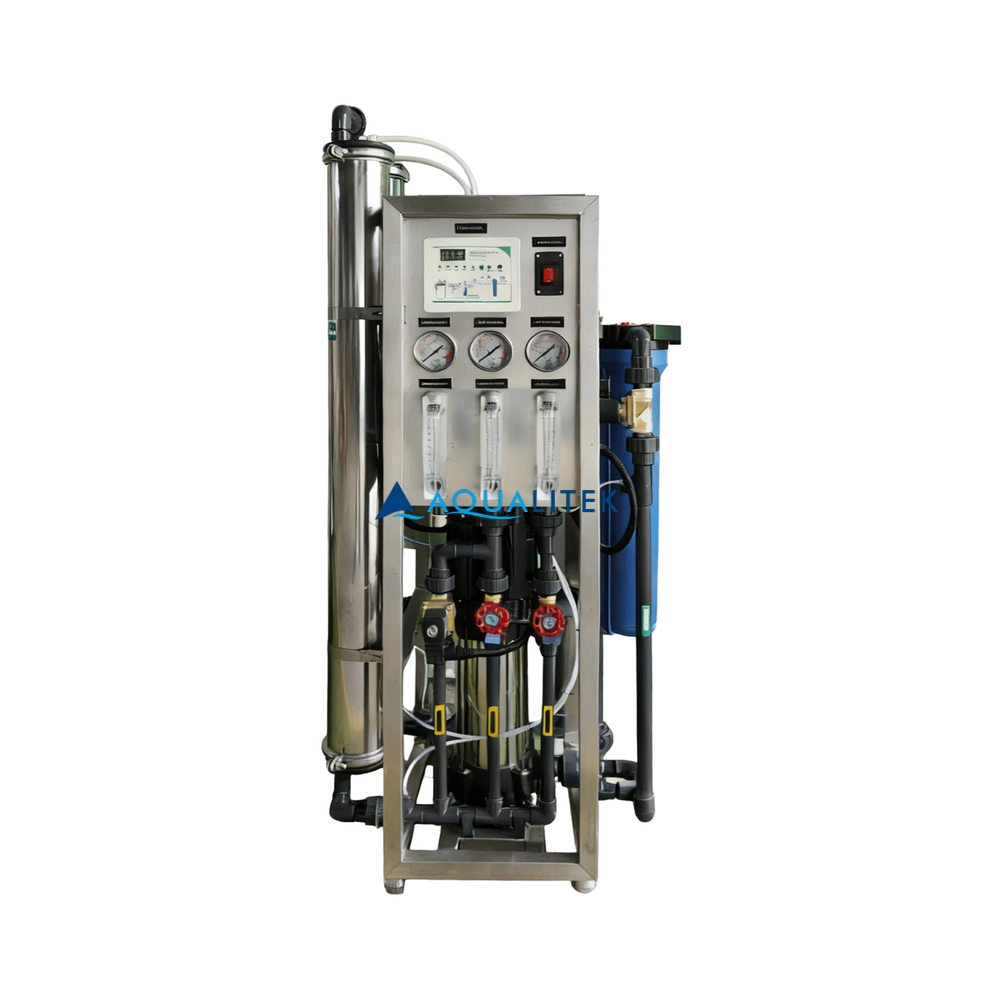
TWV series Reverse Osmosis (RO) systems are pre-engineered and pre-assembled units with 2.5”/4” membrane housings(single element type)for tap water(lower TDS).They are designed for overall superior performance, high recovery rates and offer great savings with low maintenance and operation costs.
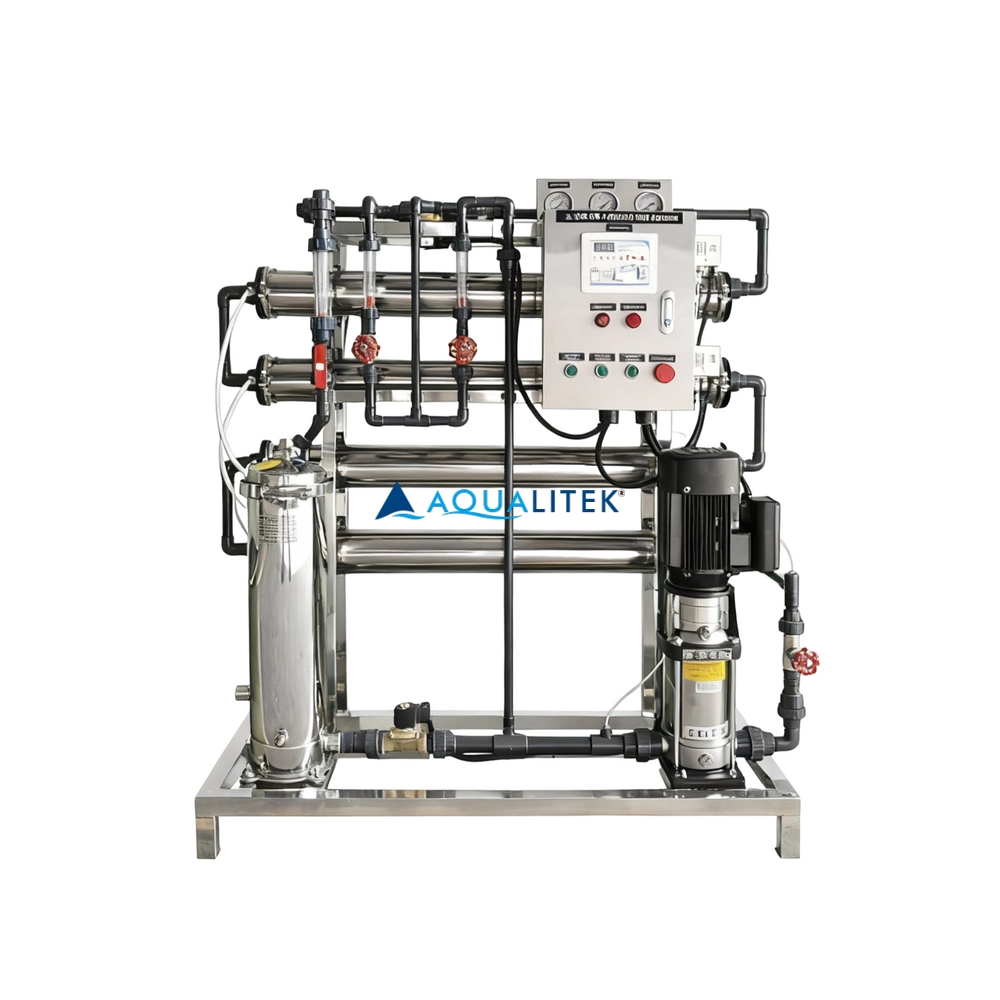
TWF series Reverse Osmosis (RO) systems are pre-engineered and pre-assembled units with 4” membrane housings(multiple elements type) for tap water(lower TDS) .The medium large volumes can help meet your a variety of commercial and industrial applications. They are designed for overall superior performance, high recovery rates and offer great savings with low maintenance and operation costs.

TWE series Reverse Osmosis (RO) systems are pre-engineered and pre-assembled units with 8” membrane housings for tap water (lower TDS). The large volumes can help meet your a variety of industrial applications. They are designed for overall superior performance, high recovery rates and offer great savings with low maintenance and operation costs.
© 2026 AQUALITEK. All rights reserved.
AQUALITEK- Aimee Hoo
AQUALITEK - Aimee Hoo