




Best First Steps to Check After a Sudden Power Outage or RO System Shutdown| Insights by AQUALITEK
A sudden power outage or unexpected shutdown of a reverse osmosis (RO) system can quickly lead to pressure imbalances, equipment stress, membrane fouling, and even permanent damage if not handled correctly. Knowing the proper first steps to take is critical for protecting your system and restoring safe, stable operation. This guide outlines the essential checks and best practices to follow.
- 1. Confirm the Cause of the Shutdown
- 2. Check Power Supply and Electrical Protection Devices
- 3. Verify Control Panel & Alarm Records
- 4. Inspect System Pressure Readings
- 5. Check Valves and Piping Positions
- 6. Inspect the Pretreatment System
- 7. Check for Leaks, Abnormal Sounds, or Damage
- 8. Confirm Instrument Sensor Status
- 9. Perform a Controlled Restart
- 10. Flush the System if Shutdown Was Long
- Best Practice Tips
- Conclusion
1. Confirm the Cause of the Shutdown
Before doing anything else, determine why the system stopped:
•Was it an external power outage?
•Did a circuit breaker trip?
•Did the system stop due to a protection alarm?
•Was it an emergency shutdown triggered by PLC?
This information will help you avoid restarting the system under unsafe conditions.
2. Check Power Supply and Electrical Protection Devices
Inspect the following carefully:
•Main power indicator lights
•Circuit breakers and fuses
•Overload relays
•Phase loss or voltage protection relays
•UPS or backup power supply (if installed)
Never reset breakers without first verifying there is no short circuit or equipment overload.
3. Verify Control Panel & Alarm Records
Most industrial RO systems store alarm histories. Check:
•Fault codes or shutdown reasons
•High/low pressure alarms
•Low feed flow alarm
•High conductivity alarm
•Pump overload alarms
These will guide your next steps more accurately than guessing.
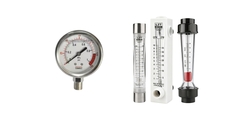
4. Inspect System Pressure Readings
Look at all pressure gauges:
•Feed water pressure
•High-pressure pump discharge pressure
•Membrane inlet pressure
•Concentrate (reject) pressure
If pressure is still trapped in the system, release it carefully before restarting to prevent water hammer or equipment damage.
5. Check Valves and Piping Positions
Ensure all critical valves are in their correct positions:
•Feed water inlet valve
•Concentrate valve
•Permeate outlet valve
•CIP and bypass valves
Unexpected valve positions are a common cause of automatic shutdowns and failed restarts.
6. Inspect the Pretreatment System
A failing pretreatment stage can trigger interlocks:
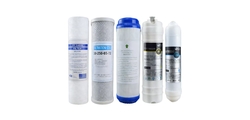
•Are multimedia and carbon filters functioning?
•Is backwash overdue?
•Is inlet turbidity too high?
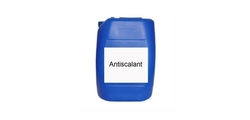
•Is dosing (antiscalant, chlorine neutralizer) working?
If pretreatment is compromised, do not restart the RO system.
7. Check for Leaks, Abnormal Sounds, or Damage
Visually inspect:
•Pumps
•Pipes and joints
•Pressure vessels
•Membrane housings
If you notice leaks, cracks, or burned smells from electrical components, do not attempt restart—call maintenance immediately.
8. Confirm Instrument Sensor Status
Check that the following sensors are online and providing reasonable readings:
•Pressure transmitters
•Flow meters
•Conductivity meters
•pH sensors
•Level switches
A faulty sensor can block startup or give unsafe inputs to the control system.
9. Perform a Controlled Restart
Once everything is verified:
1.Start the pretreatment system first
2.Start the feed pump and allow stable pressure
3.Slowly open the concentrate valve
4.Start the high-pressure pump
5.Slowly increase pressure to operating level
6.Monitor flow and conductivity closely for 15–30 minutes
Never restart an RO system at full pressure suddenly.
10. Flush the System if Shutdown Was Long
If the system was shut down for more than 8–12 hours, perform a full forward flush before putting it back into production mode. This removes stagnant water and reduces the risk of biofouling.
Best Practice Tips
•Record the shutdown reason and all observed data
•Inspect membranes performance after restart
•Schedule a system health check
•Install a UPS or generator for critical facilities
Conclusion
The first few minutes after a power outage or system shutdown are critical. Following a structured inspection approach protects your RO membranes, pumps, and control systems — preventing unnecessary repair costs and downtime.
A well-trained operator and a clear restart checklist can save thousands in damage and lost production.



Request More Information or Expert Advice
Share a few details, and we’ll provide deeper insights, tailored suggestions, or product support.
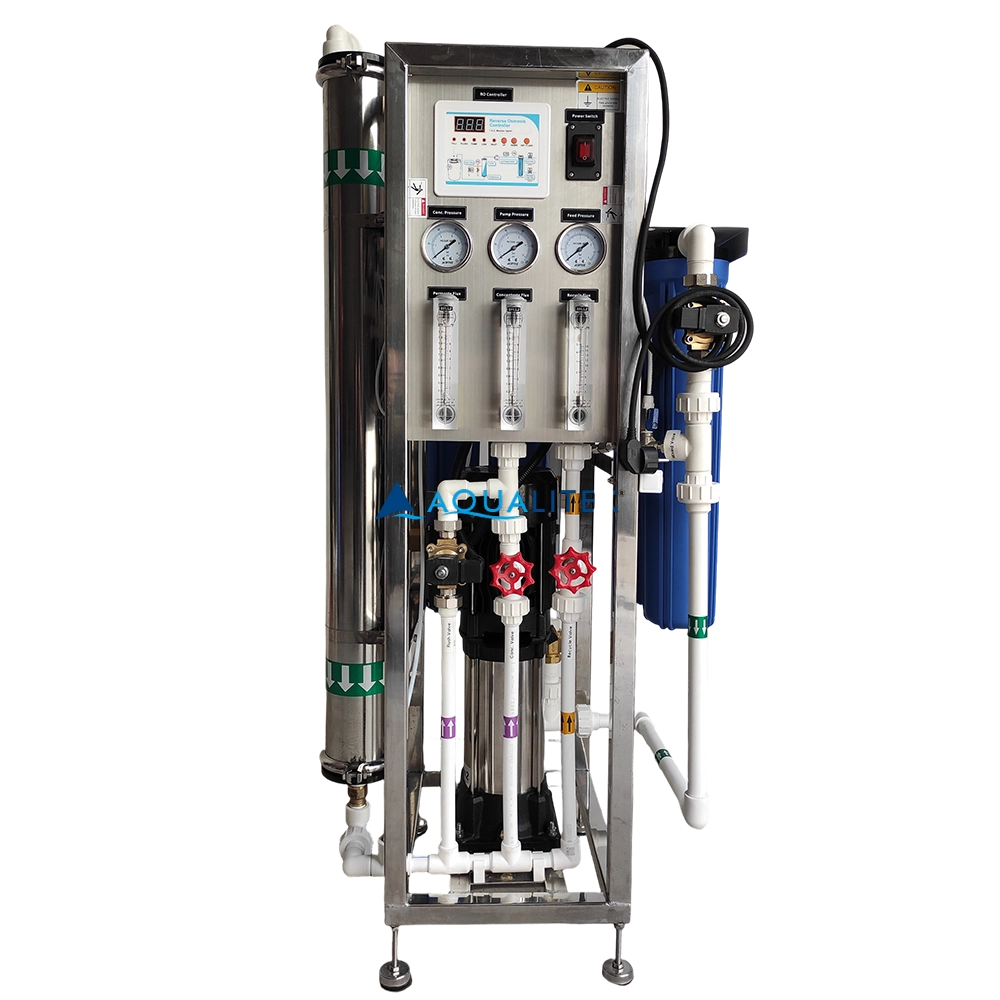
Our 500 LPH Reverse Osmosis (RO) System is engineered to provide high-quality purified water for commercial applications. Designed with advanced RO technology, durable components, and a user-friendly interface, this system ensures consistent performance, low maintenance, and long-term reliability.
With its compact design and robust skid-mounted frame, it’s an excellent choice for businesses that demand efficiency and quality in water purification.
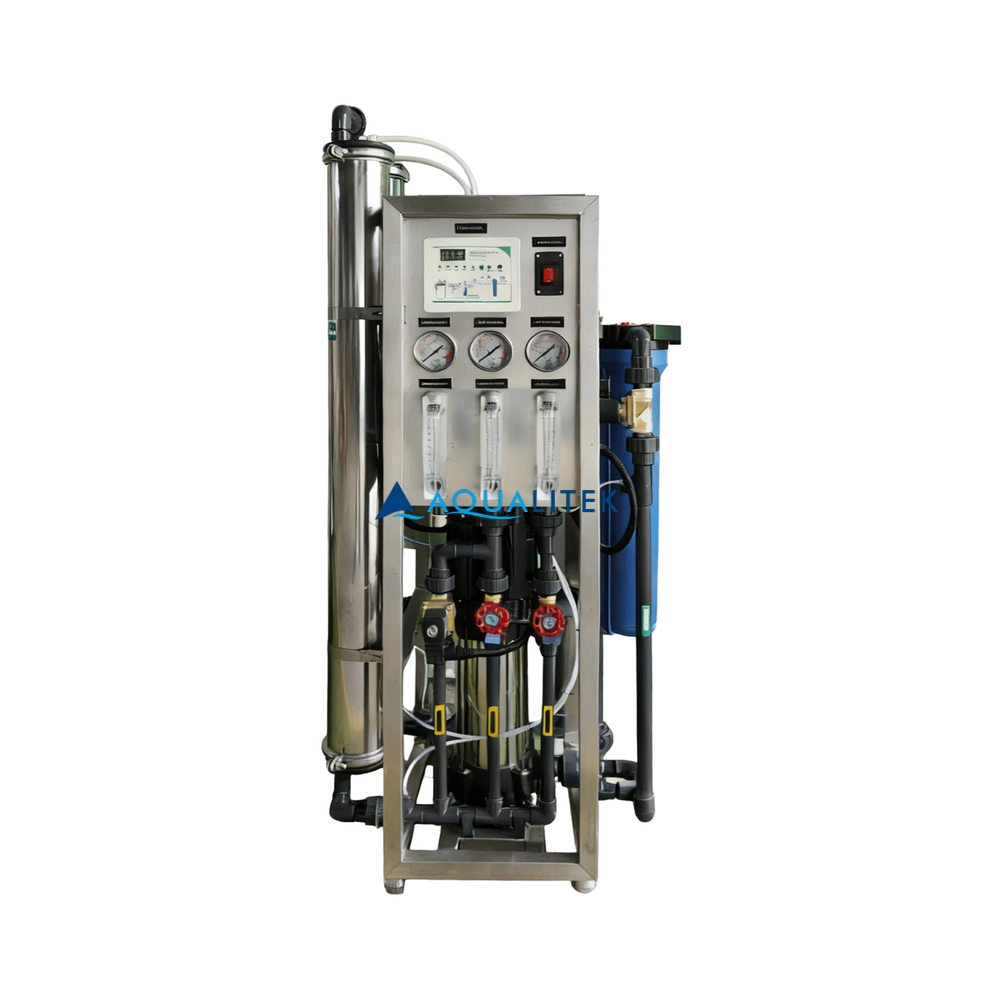
TWV series Reverse Osmosis (RO) systems are pre-engineered and pre-assembled units with 2.5”/4” membrane housings(single element type)for tap water(lower TDS).They are designed for overall superior performance, high recovery rates and offer great savings with low maintenance and operation costs.
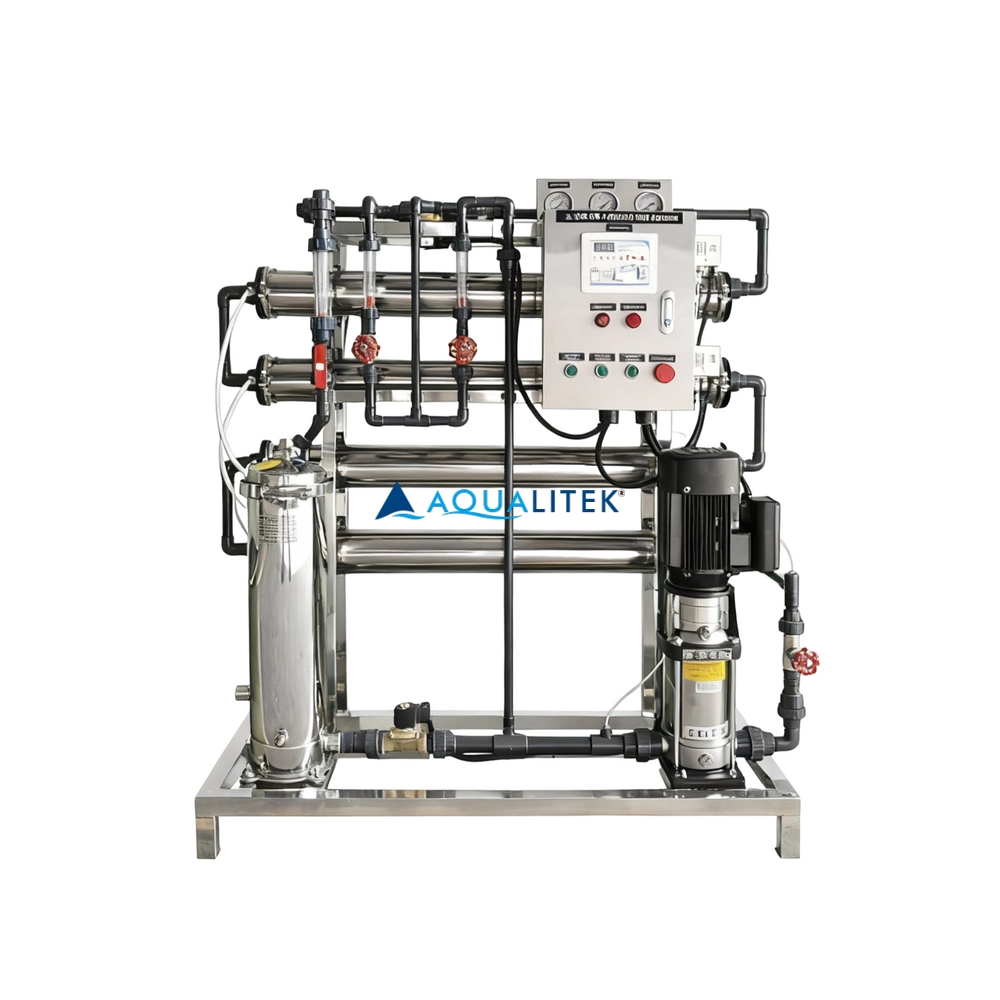
TWF series Reverse Osmosis (RO) systems are pre-engineered and pre-assembled units with 4” membrane housings(multiple elements type) for tap water(lower TDS) .The medium large volumes can help meet your a variety of commercial and industrial applications. They are designed for overall superior performance, high recovery rates and offer great savings with low maintenance and operation costs.

TWE series Reverse Osmosis (RO) systems are pre-engineered and pre-assembled units with 8” membrane housings for tap water (lower TDS). The large volumes can help meet your a variety of industrial applications. They are designed for overall superior performance, high recovery rates and offer great savings with low maintenance and operation costs.
© 2026 AQUALITEK. All rights reserved.
AQUALITEK- Aimee Hoo
AQUALITEK - Aimee Hoo