




Best Guide: What Are the Main Sources of Cost for Operating an Industrial RO System?| Insights by AQUALITEK
Operating an industrial RO (Reverse Osmosis) system involves much more than just the initial equipment purchase. From energy use to membrane replacement, labor, and chemical consumption, understanding the main operating cost drivers can help businesses optimize budgets, maximize efficiency, and extend system lifespan. In this guide, we break down the most important cost components in running an industrial RO system.
- Introduction
- 1. Energy Consumption – The Biggest Cost Factor
- 2. Membrane Replacement Costs
- 3. Chemical Consumption
- 4. Pretreatment System Maintenance
- 5. Labor and Technical Support
- 6. Water Waste and Disposal Costs
- 7. Spare Parts and Consumables
- Key Summary: Main RO Operating Cost Sources
- Final Conclusion
Introduction
Industrial reverse osmosis systems are widely used in manufacturing, power plants, food and beverage, pharmaceuticals, and wastewater reuse. While RO technology is proven and efficient, the operating costs can vary significantly depending on system design, feed water quality, and operational practices.
If you are planning to install or currently operate an industrial RO system, understanding where the money goes is crucial. Let’s explore the main sources of cost for operating an industrial RO system and how to manage them effectively.
1. Energy Consumption – The Biggest Cost Factor
Energy usage is usually the largest operating cost, often accounting for 30% to 60% of total RO system expenses.
Why energy is needed
Industrial RO systems require high pressure to force water through semi-permeable membranes. The poorer the feed water quality, the higher the pressure required.
Main energy consumers
•High-pressure pumps
•Booster pumps
•Control systems
•Cooling systems (in some environments)
How to reduce energy costs
✅ Use energy-efficient pumps
✅ Install variable frequency drives (VFDs)
✅ Optimize recovery rate
✅ Choose low-pressure RO membranes
✅ Implement energy recovery devices (for brackish/seawater systems)
Improving energy efficiency can dramatically reduce long-term RO operating costs.
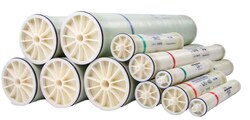
2. Membrane Replacement Costs
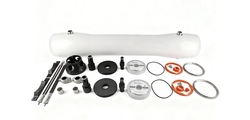
RO membranes do not last forever. Typically, industrial RO membranes need replacement every 2–5 years, depending on:
•Feed water quality
•Operating pressure
•Cleaning frequency
•Pretreatment effectiveness
Cost considerations
•Number of membrane elements
•Membrane type (brackish / seawater / low-energy)
•Brand and performance
Replacing membranes is a significant periodic expense but essential to maintain water quality and productivity.
✅ Better pretreatment = longer membrane life
✅ Proper cleaning = reduced replacement frequency
3. Chemical Consumption
Chemical usage is another major operational cost. These chemicals are used for:
•Membrane cleaning (CIP chemicals)
•Anti-scalants (scale inhibitors)
•Disinfectants / biocides
•pH adjustment
•Dechlorination (if chlorine-sensitive membranes are used)
The amount depends on:
•Water hardness
•Silica level
•Biofouling risk
•System size
✅ Proper chemical dosing reduces membrane fouling
✅ Overuse increases cost and damages membranes
Optimizing chemical programs is key to budget control.
4. Pretreatment System Maintenance
An RO system is only as good as its pretreatment. Typical pretreatment equipment includes:
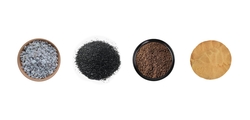
•Multimedia (sand) filters
•Activated carbon filters
•Ultra-filtration (UF)
•Cartridge filters
•Softening systems
Cost sources include:
•Filter media replacement
•Cartridge filter changes
•Backwashing water and power
•Maintenance labor
✅ Poor pretreatment → higher RO pressure → higher energy + faster membrane damage
Investing in strong pretreatment saves long-term money.
5. Labor and Technical Support
Operating an industrial RO system requires:
•Regular monitoring
•System inspections
•Troubleshooting
•Cleaning in place (CIP)
•Record keeping
Labor costs may include:
•Operators
•Maintenance technicians
•External service engineers
Automated systems reduce labor costs but require higher initial investment.
6. Water Waste and Disposal Costs
RO systems produce concentrate (brine/reject water) that must be:
•Discharged
•Treated
•Reused
•Sent to evaporation ponds
Costs may arise from:
•Wastewater discharge fees
•Environmental compliance
•Transport and treatment
•Additional equipment (ZLD systems)
Low recovery rates mean more water waste = higher costs.
✅ Increase recovery ratio to reduce waste
✅ Explore reject water reuse options
7. Spare Parts and Consumables
Routine replacement components include:
•Pumps
•Valves
•Seals
•Sensors
•O-rings
•Filters
•Pressure gauges
Unexpected equipment failures can be extremely expensive and disruptive.
Preventive maintenance reduces emergency costs.
Key Summary: Main RO Operating Cost Sources
|
Cost Type |
Impact Level |
|
Energy consumption |
⭐⭐⭐⭐⭐ |
|
⭐⭐⭐⭐ |
|
|
Chemicals |
⭐⭐⭐ |
|
Pretreatment maintenance |
⭐⭐⭐ |
|
Labor |
⭐⭐⭐ |
|
Wastewater disposal |
⭐⭐ |
|
Spare parts |
⭐⭐ |
Understanding these areas allows plant managers to create an effective cost-reduction strategy.
Final Conclusion
The operating cost of an industrial RO system doesn’t come from one single element. Instead, it is the combined effect of energy usage, membranes, chemicals, maintenance, labor, water loss, and spare parts. Among them, energy and membrane management have the greatest influence on total cost.
By improving pretreatment, selecting energy-efficient components, optimizing recovery rate, and maintaining a regular maintenance schedule, you can significantly reduce the RO system’s operational expenses while extending its lifespan.
For industries dependent on pure water, investing in proper management means long-term savings and stable system performance.


Request More Information or Expert Advice
Share a few details, and we’ll provide deeper insights, tailored suggestions, or product support.
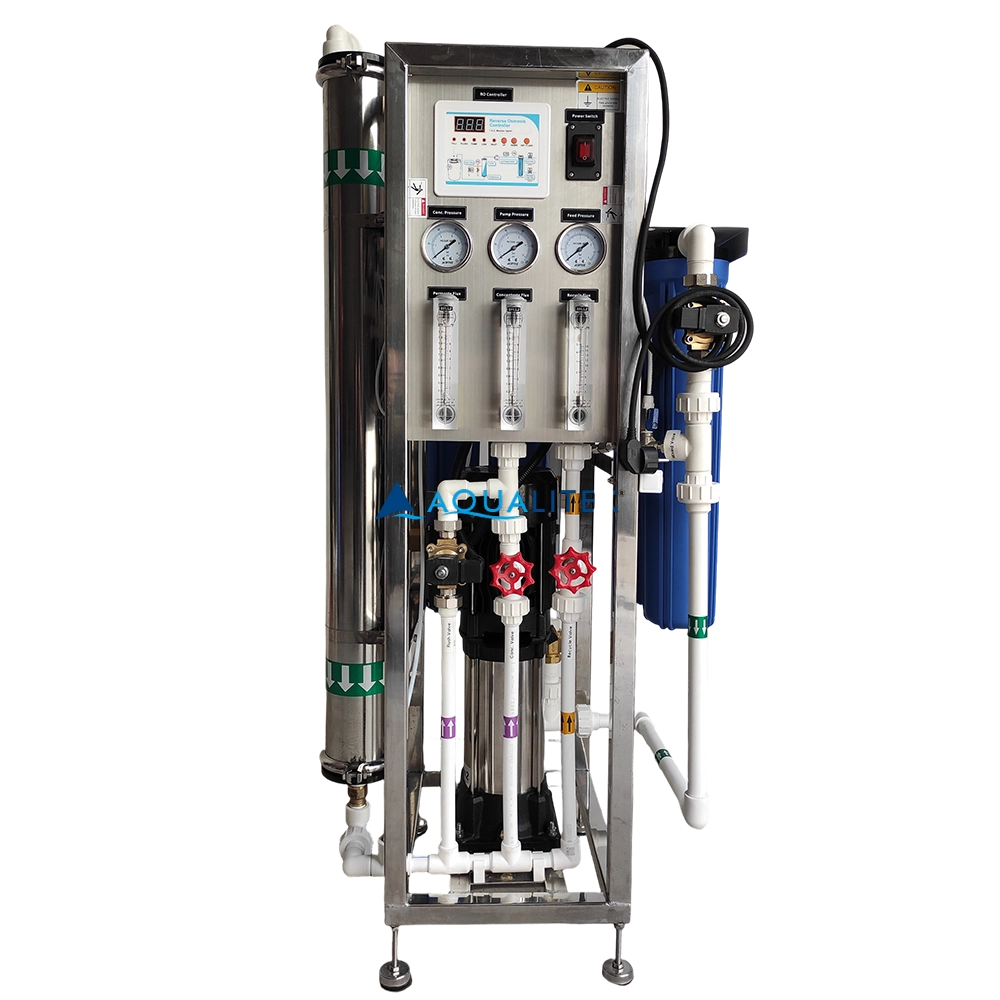
Our 500 LPH Reverse Osmosis (RO) System is engineered to provide high-quality purified water for commercial applications. Designed with advanced RO technology, durable components, and a user-friendly interface, this system ensures consistent performance, low maintenance, and long-term reliability.
With its compact design and robust skid-mounted frame, it’s an excellent choice for businesses that demand efficiency and quality in water purification.
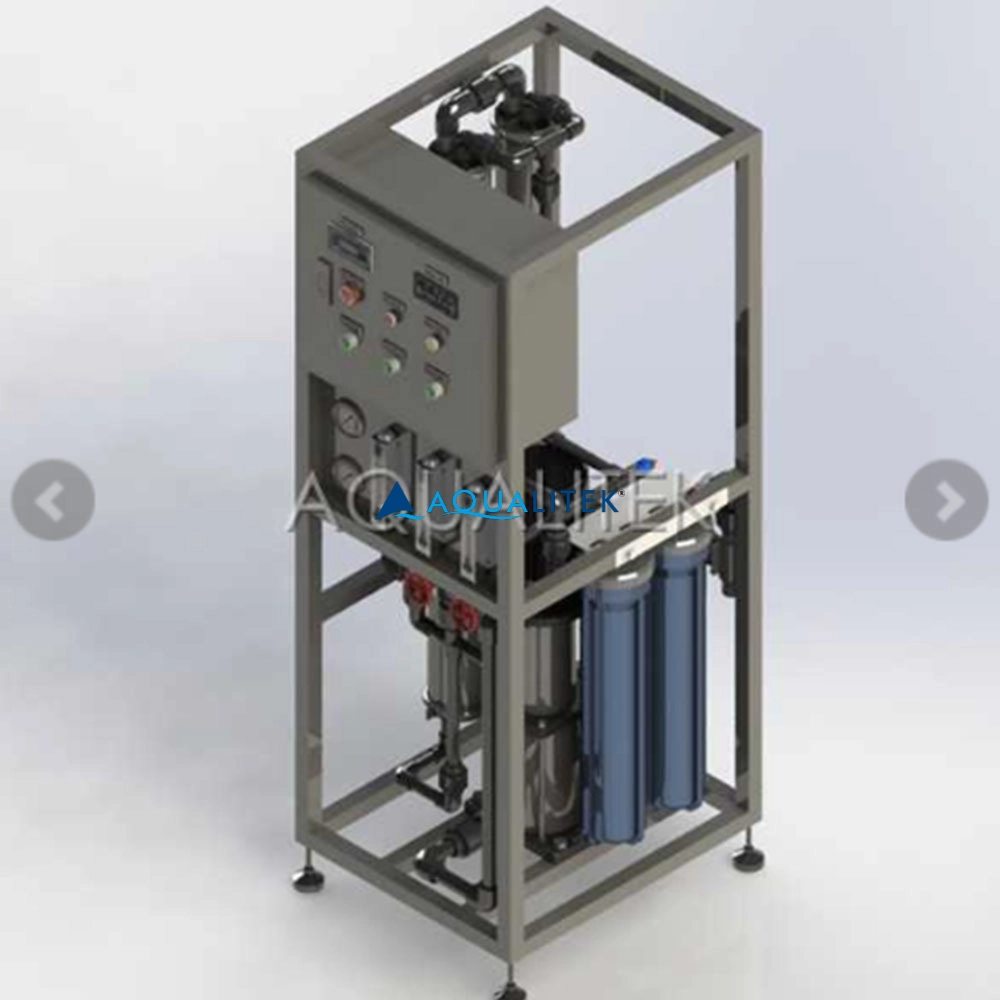
BWV series Reverse Osmosis (RO) systems are pre-engineered and pre-assembled units with 4” membrane housings(multiple elements type)for brackish water(higher TDS).The medium large volumes can help meet your a variety of industrial and commercial applications. They are designed for overall superior performance, high recovery rates and offer great savings with low maintenance and operation costs.
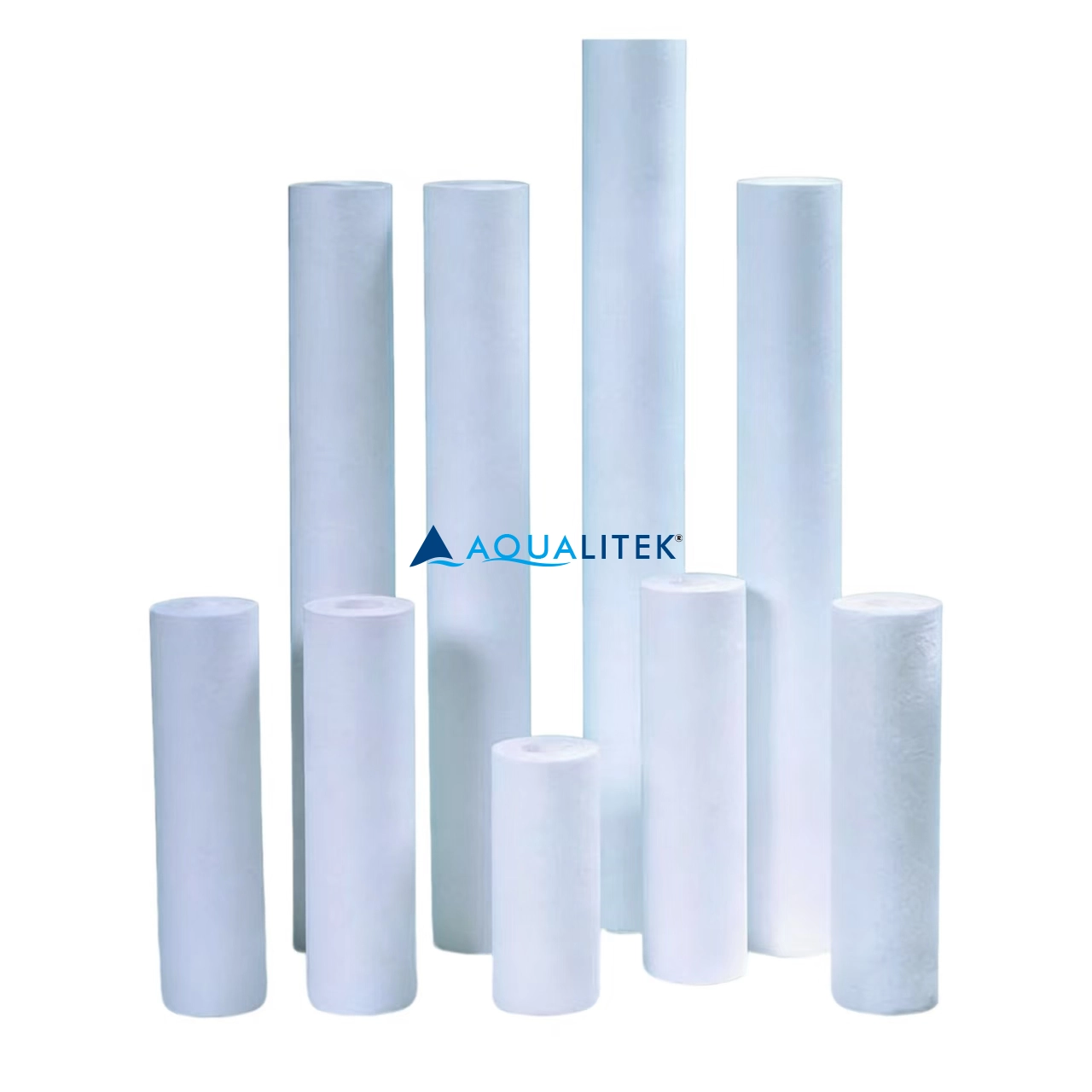
High-quality melt blown polypropylene (PP) filter cartridges designed for effective removal of suspended solids, rust, sand, and particulate contaminants. Ideal for RO pretreatment, UF/NF system protection, and other water filtration applications.

AQUALITEK 4TPH Industrial Reverse Osmosis Water Purification RO System, high-efficiency industrial-grade RO water treatment plant for manufacturing & processing, commercial reverse osmosis filtration system ideal for electronic component cleaning water use.
© 2026 AQUALITEK. All rights reserved.
AQUALITEK- Aimee Hoo
AQUALITEK - Aimee Hoo