




Best Guide: What Is the Correct Startup Sequence for an Industrial RO System?| Insights by AQUALITEK
Starting up an industrial RO (Reverse Osmosis) system is a critical step that directly affects membrane life, system stability, and operating costs. Many RO failures happen because operators skip important steps and start the high-pressure pump too early. In this guide, you will learn the correct startup sequence and the risks of improper operation.
- Introduction
- 1. Pre-Startup Checklist (Before Turning On Any Pump)
- 2. Correct Startup Sequence for an Industrial RO System
- 3. What Happens If You Start the High-Pressure Pump Directly?
- Potential consequences include:
- 4. Safety & Best Practices for RO Startup
- 5. Manual vs Automatic Startup Systems
- Conclusion
Introduction
Industrial reverse osmosis systems rely on precise pressure control and gradual flow increase. The RO membrane is a delicate, high-performance component that must be protected during startup. If the high-pressure pump is started blindly without proper preparation, it can cause irreversible damage to the membrane, piping, and seals.
To avoid costly downtime and equipment failure, it is essential to follow the correct RO startup sequence.
1. Pre-Startup Checklist (Before Turning On Any Pump)
Before starting the system, the operator must confirm:
✅ Feed water source is available and stable
✅ All inlet and outlet valves are correctly positioned
✅ Electrical connections are secure
✅ Chemical dosing systems are ready (if required)
✅ No air trapped in pipes or pressure vessels
✅ Pretreatment system is functioning normally
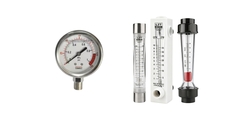
✅ Pressure gauges and flow meters are operational
Skipping this step can cause pressure spikes or dry-running damage.
2. Correct Startup Sequence for an Industrial RO System
The correct startup sequence is designed to gradually move water through the system while protecting the membrane.
Step 1: Start the Pretreatment System
Begin by turning on:
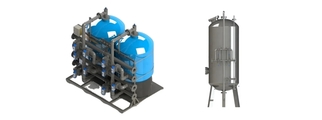
•Multimedia/sand filters
•Activated carbon filters
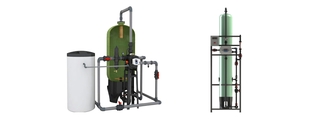
•Softener or UF system
This ensures clean, conditioned water is supplied to the RO unit.
Step 2: Start the Feed Pump
The feed pump pushes low-pressure water into the RO system. At this stage:
•Pressure is still low
•Flow is stable
•Air is flushed out
•Membrane remains protected
Let water flow for 3–5 minutes to stabilize pressure.
Step 3: Open Concentrate (Reject) Valve Fully
This reduces back pressure on the membrane and prevents instant high-pressure impact.
✅ Always start with low back pressure
✅ High concentrate flow helps flush contaminants
Step 4: Slowly Start the High-Pressure Pump
Now and only now, start the high-pressure pump. If the system includes a VFD (variable frequency drive), increase pressure gradually.
Normal pressure increase time:
⏱ 30 seconds to 2 minutes
This protects the membrane surface from hydraulic shock.
Step 5: Adjust Flow & Pressure to Operating Setpoints
Finally:
•Adjust the concentrate valve
•Set the system to the designed operating pressure
•Check product and reject flow
•Monitor TDS and conductivity
The system is now running normally.
3. What Happens If You Start the High-Pressure Pump Directly?
Starting the high-pressure pump without proper preparation can be disastrous.
Potential consequences include:
❌ Membrane cracking due to sudden pressure shock
❌ O-ring and seal damage
❌ Burst RO pressure vessels
❌ Pipe and connector leaks
❌ Instant fouling due to unfiltered water
❌ Motor burnout from dry running
❌ Water hammer effect
❌ Voiding of manufacturer warranty
Even a single incorrect startup can shorten membrane life by months or years.
4. Safety & Best Practices for RO Startup
✅ Always follow standard operating procedures (SOP)
✅ Use soft-start or VFD systems
✅ Install pressure protection switches
✅ Train all operators properly
✅ Keep an RO startup checklist posted at site
✅ Use automatic PLC startup if available
A well-designed startup procedure can increase membrane lifespan by 30–50%.
5. Manual vs Automatic Startup Systems
|
Feature |
Manual System |
Automatic PLC System |
|
Risk of human error |
High |
Low |
|
Startup time |
Inconsistent |
Consistent |
|
Safety |
Moderate |
Very high |
|
Cost |
Low |
Higher initial |
|
Reliability |
Medium |
Excellent |
For large industrial plants, automatic startup is strongly recommended.
Conclusion
The correct startup sequence for an industrial RO system is essential for protecting equipment and ensuring stable performance. Always start from pretreatment → feed pump → low pressure flow → gradual high pressure.
Never start the high-pressure pump directly, as it may lead to severe equipment damage, costly repairs, and long-term operational problems.
Following this best practice will ensure durability, efficiency, and safe RO system operation.


Request More Information or Expert Advice
Share a few details, and we’ll provide deeper insights, tailored suggestions, or product support.
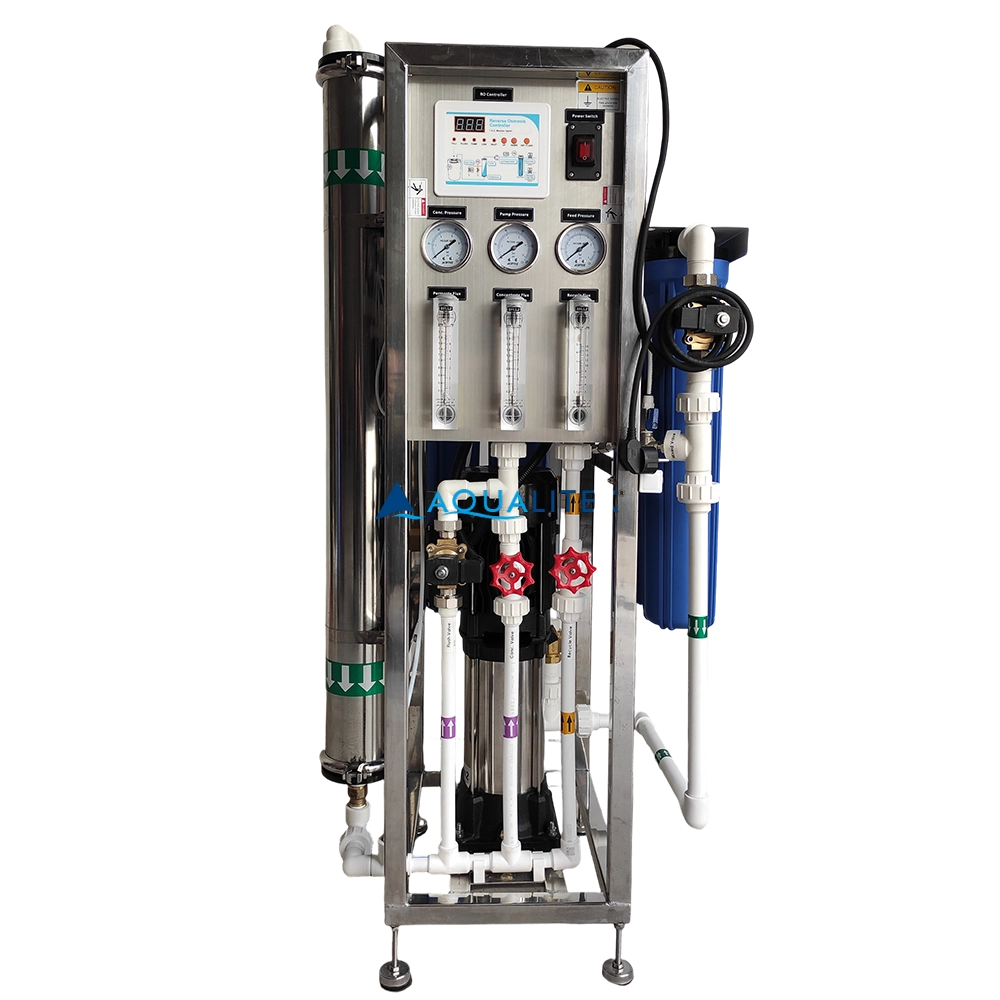
Our 500 LPH Reverse Osmosis (RO) System is engineered to provide high-quality purified water for commercial applications. Designed with advanced RO technology, durable components, and a user-friendly interface, this system ensures consistent performance, low maintenance, and long-term reliability.
With its compact design and robust skid-mounted frame, it’s an excellent choice for businesses that demand efficiency and quality in water purification.
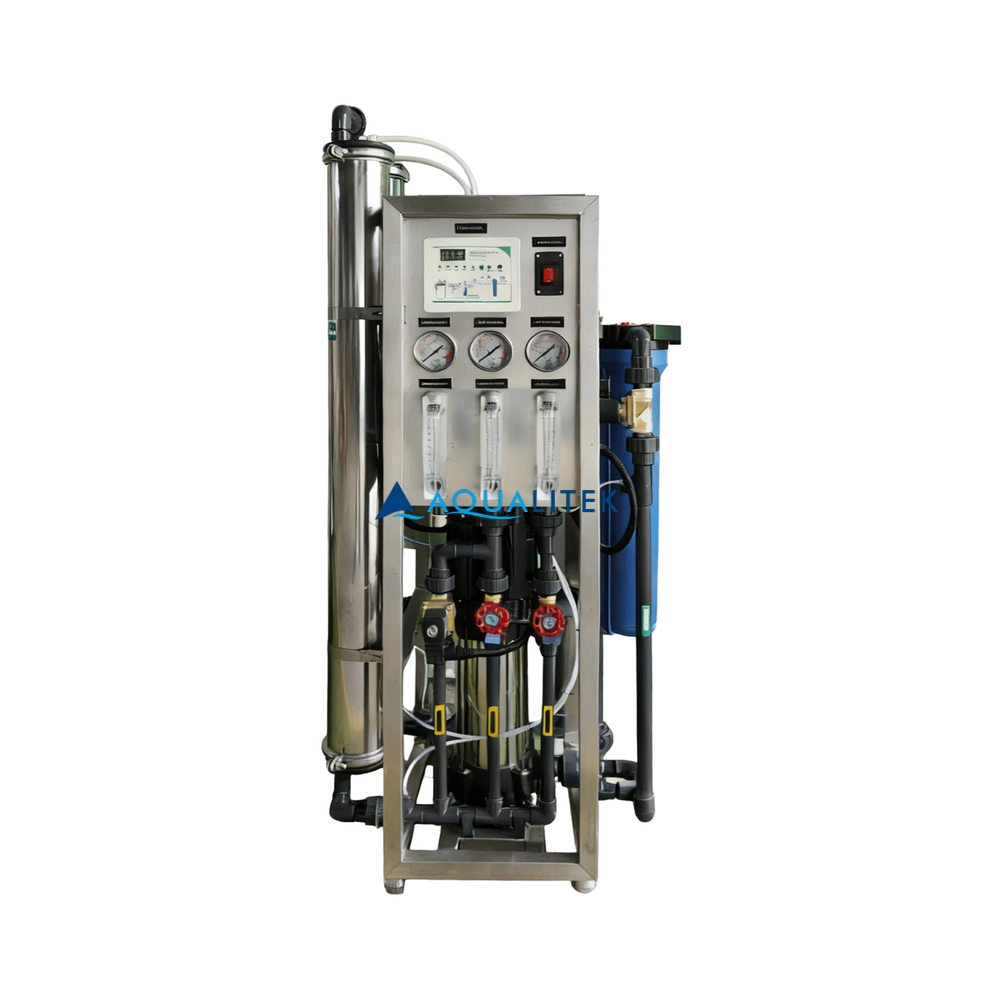
TWV series Reverse Osmosis (RO) systems are pre-engineered and pre-assembled units with 2.5”/4” membrane housings(single element type)for tap water(lower TDS).They are designed for overall superior performance, high recovery rates and offer great savings with low maintenance and operation costs.
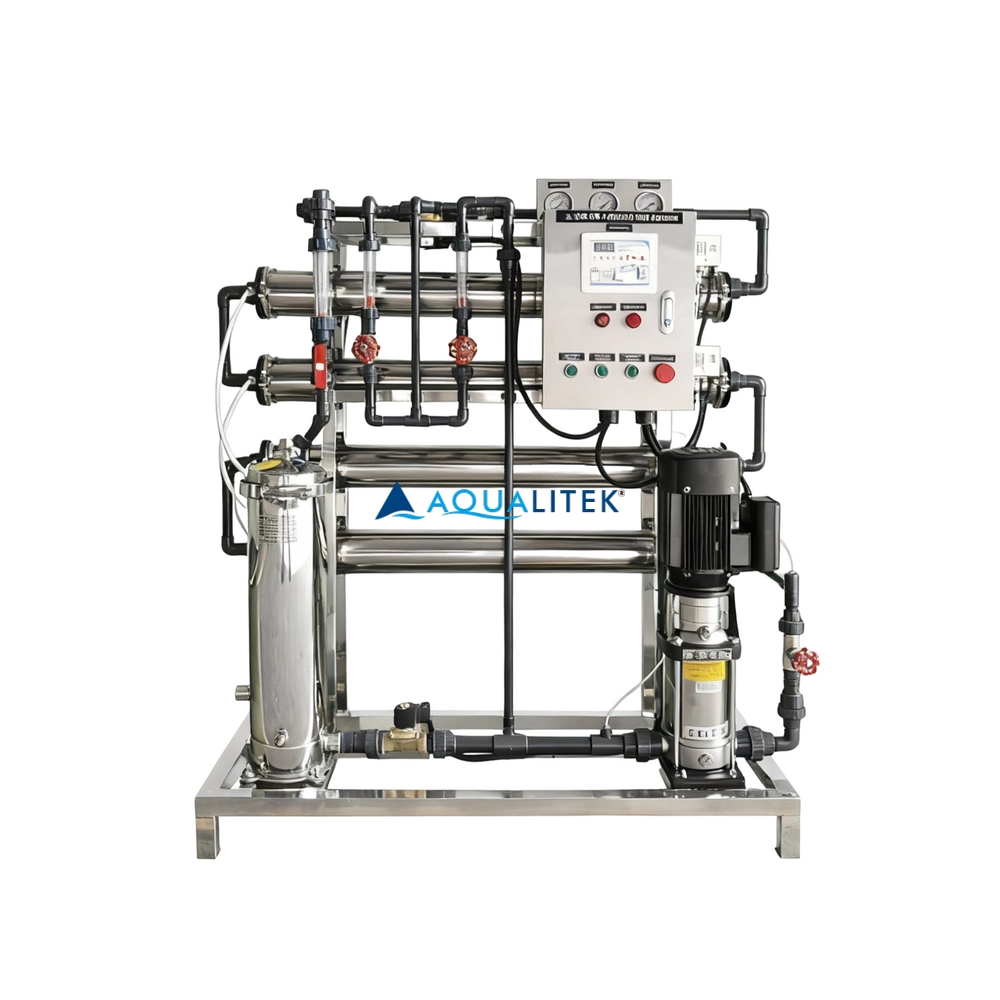
TWF series Reverse Osmosis (RO) systems are pre-engineered and pre-assembled units with 4” membrane housings(multiple elements type) for tap water(lower TDS) .The medium large volumes can help meet your a variety of commercial and industrial applications. They are designed for overall superior performance, high recovery rates and offer great savings with low maintenance and operation costs.

TWE series Reverse Osmosis (RO) systems are pre-engineered and pre-assembled units with 8” membrane housings for tap water (lower TDS). The large volumes can help meet your a variety of industrial applications. They are designed for overall superior performance, high recovery rates and offer great savings with low maintenance and operation costs.
© 2026 AQUALITEK. All rights reserved.
AQUALITEK- Aimee Hoo
AQUALITEK - Aimee Hoo