



Best Standards for Flushing Water After Chemical Cleaning Before Connecting to the Product Water Tank| Insights by AQUALITEK
After chemical cleaning (CIP) of an RO system, improper flushing can allow residual chemicals to contaminate the product water tank, causing quality failures and safety risks. This Best-practice guide explains the mandatory standards flushing water must meet before it is allowed to enter the product water tank.
- Why Post-Cleaning Flushing Standards Are Critical
- Mandatory Standards Before Connecting to the Product Water Tank
- 1. Conductivity Must Return to Normal Operating Levels
- 2. pH Must Be Within the Normal Product Water Range
- 3. No Chemical Odor or Abnormal Smell
- 4. No Foaming or Visual Abnormalities
- 5. Stable Flow and Pressure Readings
- 6. Free of Residual Cleaning Chemicals
- 7. Minimum Flushing Time Has Been Met
- What Must Be Done Before Reconnecting the Product Water Tank
- What NOT to Do
- Conclusion
Why Post-Cleaning Flushing Standards Are Critical
Chemical cleaning solutions typically contain:
•Acids or alkalis
•Chelating agents
•Surfactants
•Biocides or preservatives
If these residues enter the product water tank, they can:
•Contaminate downstream processes
•Damage equipment
•Violate water quality regulations
•Cause odor, corrosion, or health risks
Therefore, flushing water must meet strict acceptance criteria before connection to the product water tank.
Mandatory Standards Before Connecting to the Product Water Tank
1. Conductivity Must Return to Normal Operating Levels
Standard
•Permeate conductivity must:
Stabilize
Match pre-cleaning baseline values
Remain steady for a sustained period (typically 15–30 minutes)
Why It Matters
Residual cleaning chemicals often cause:
•Elevated conductivity
•Fluctuating readings
Stable, normal conductivity indicates that chemical residues have been effectively removed.
2. pH Must Be Within the Normal Product Water Range
Standard
•pH should return to:
The system’s normal permeate pH range
Typically ±0.2–0.3 pH units of pre-cleaning values
Why It Matters
Acidic or alkaline residues:
•Can damage storage tanks
•Corrode downstream piping
•Affect product quality
Never allow permeate with abnormal pH into the product tank.
3. No Chemical Odor or Abnormal Smell
Standard
•Permeate must be:
Odor-free
Free of chemical or solvent smells
Why It Matters
Many cleaning agents have:
•Distinct odors
•Low odor thresholds
Any detectable smell is a clear sign of incomplete flushing.
4. No Foaming or Visual Abnormalities
Standard
•No foam
•No bubbles caused by surfactants
•Clear, colorless appearance
Why It Matters
Foaming indicates:
•Residual detergents
•Surfactants still present in the system
Foam is unacceptable for product water tanks.
5. Stable Flow and Pressure Readings
Standard
•Permeate flow rate stable
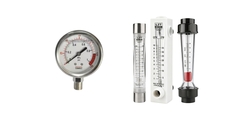
•Differential pressure (ΔP) stabilized
•No abnormal pressure spikes
Why It Matters
Residual chemicals can temporarily alter:
•Membrane permeability
•Hydraulic behavior
Stability confirms system normalization.
6. Free of Residual Cleaning Chemicals
Standard (If Applicable)
•Residual oxidants: 0 ppm
•Residual biocide: below detection limit
•Chelating agents: not detectable
How to Confirm
•Test kits (if available)
•Supplier-recommended verification methods
This is especially critical for:
•Food, pharmaceutical, or electronics applications
7. Minimum Flushing Time Has Been Met
Typical Industry Practice
•At least 1–2 system volumes flushed
•Or 30–60 minutes of continuous flushing
•Using qualified flushing water (RO permeate or treated feed water)
Time alone is not enough—but it is a necessary baseline.
Recommended Flushing Water Quality
Best practice is to use:
•RO permeate
•Or fully treated feed water meeting membrane feed specifications
Avoid:
•Raw water
•Untreated feed water
•Water containing chlorine or oxidants
What Must Be Done Before Reconnecting the Product Water Tank
✔ Confirm conductivity stability
✔ Confirm pH normalization
✔ Verify no odor or foam
✔ Check flow and pressure stability
✔ Document test results
✔ Only then open the valve to the product water tank
What NOT to Do
❌ Do not reconnect based on time alone
❌ Do not assume “small amounts” of chemicals are acceptable
❌ Do not bypass testing to save time
❌ Do not mix flushing water with stored product water
One mistake can contaminate the entire tank.
Conclusion
Before flushing water is allowed into the product water tank after chemical cleaning, it must meet strict conductivity, pH, odor, visual, and stability standards. Only when the system has fully returned to normal operating conditions should the product water tank be reconnected.
This disciplined approach protects product quality, downstream equipment, and system safety.


Request More Information or Expert Advice
Share a few details, and we’ll provide deeper insights, tailored suggestions, or product support.
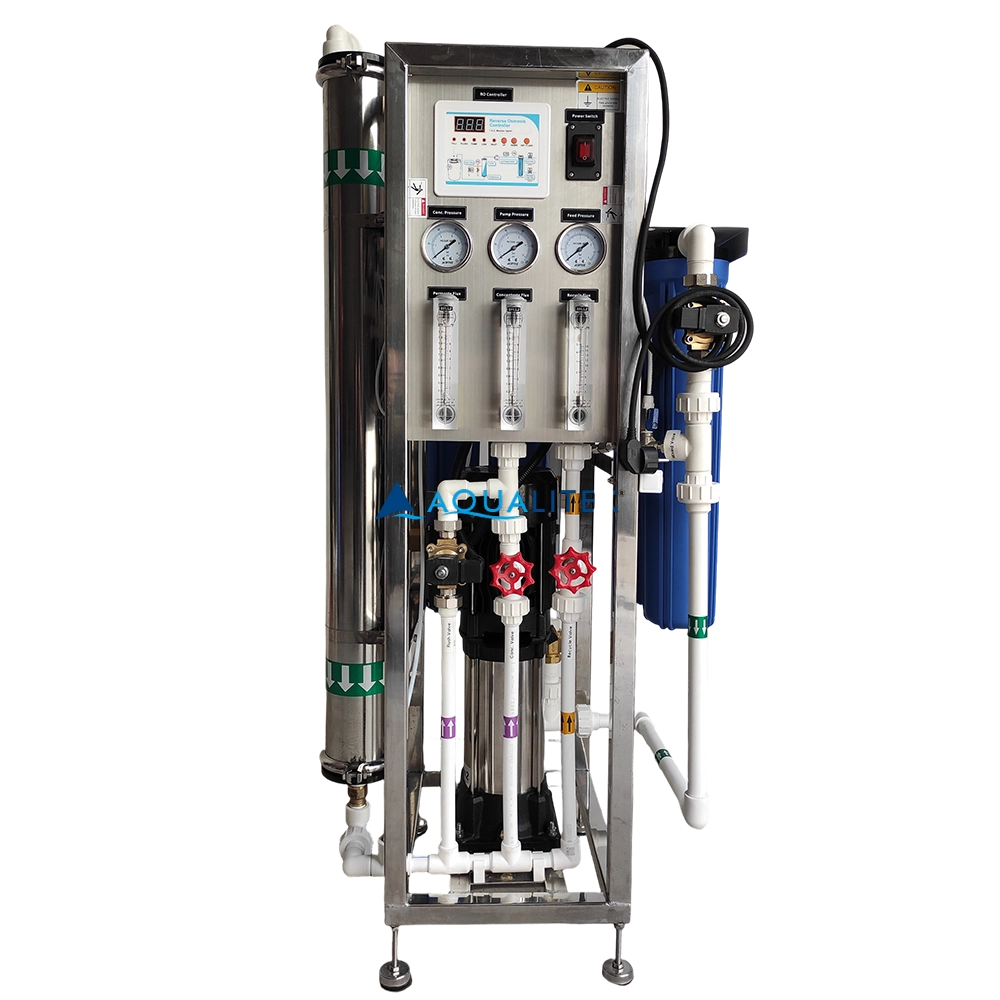
Our 500 LPH Reverse Osmosis (RO) System is engineered to provide high-quality purified water for commercial applications. Designed with advanced RO technology, durable components, and a user-friendly interface, this system ensures consistent performance, low maintenance, and long-term reliability.
With its compact design and robust skid-mounted frame, it’s an excellent choice for businesses that demand efficiency and quality in water purification.
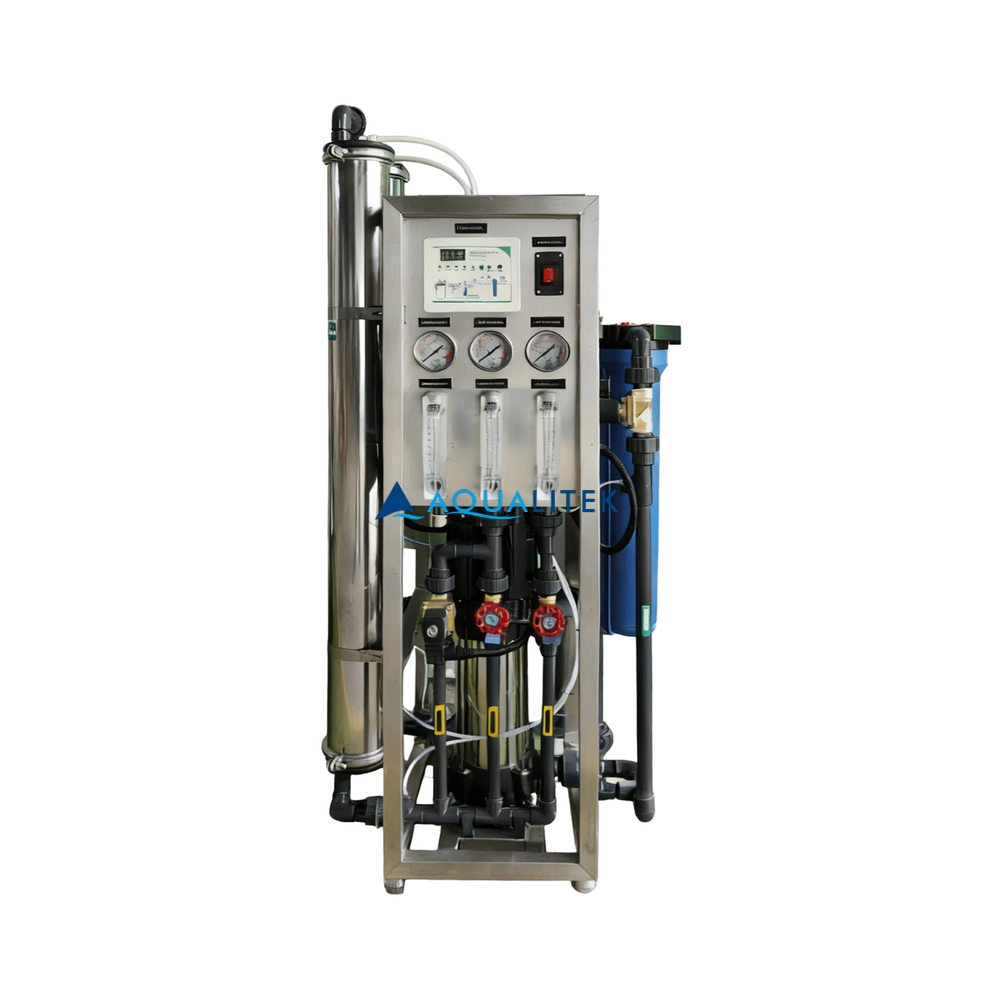
TWV series Reverse Osmosis (RO) systems are pre-engineered and pre-assembled units with 2.5”/4” membrane housings(single element type)for tap water(lower TDS).They are designed for overall superior performance, high recovery rates and offer great savings with low maintenance and operation costs.
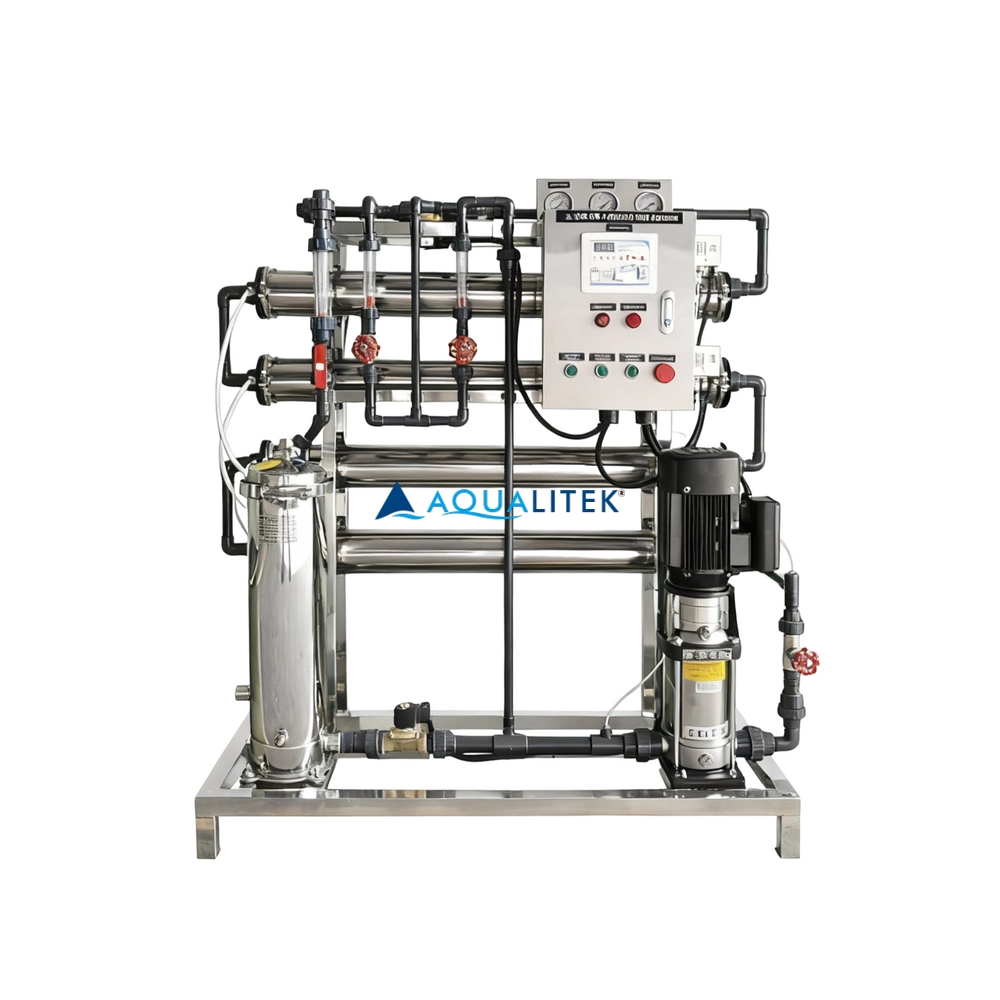
TWF series Reverse Osmosis (RO) systems are pre-engineered and pre-assembled units with 4” membrane housings(multiple elements type) for tap water(lower TDS) .The medium large volumes can help meet your a variety of commercial and industrial applications. They are designed for overall superior performance, high recovery rates and offer great savings with low maintenance and operation costs.
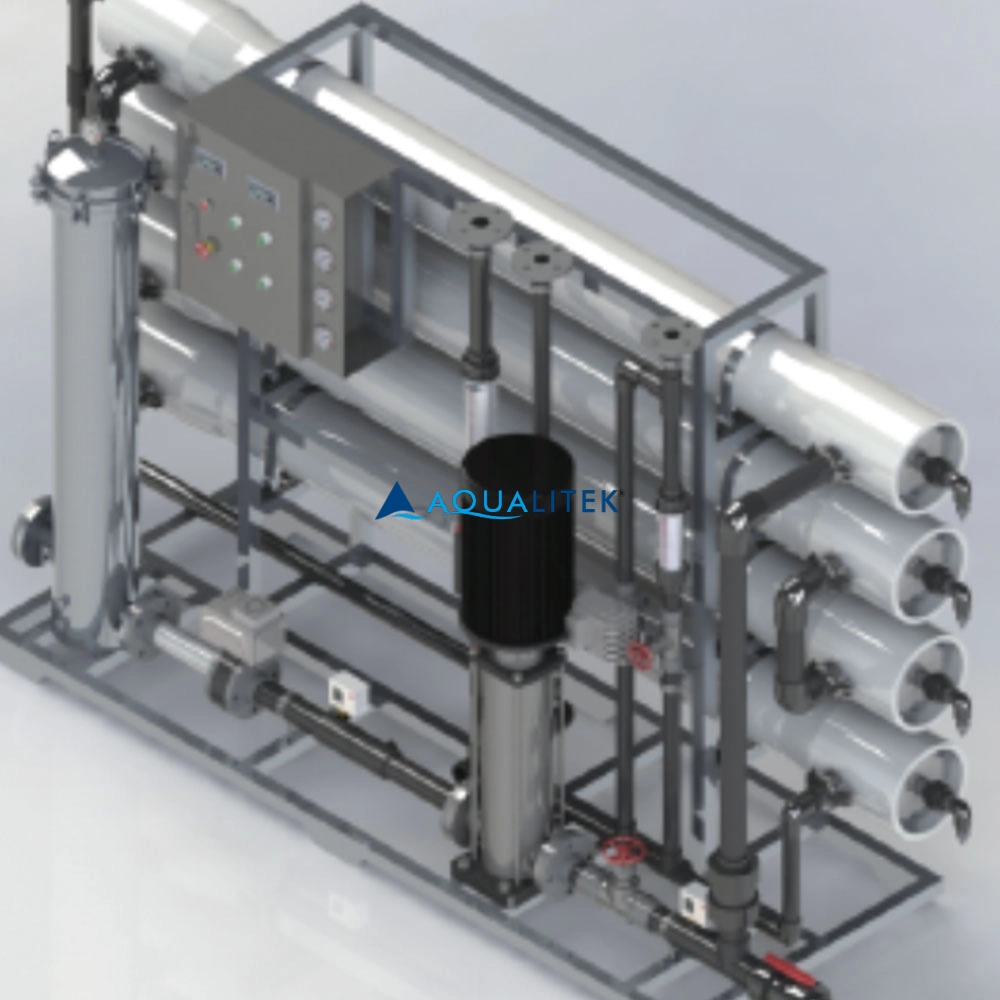
TWE series Reverse Osmosis (RO) systems are pre-engineered and pre-assembled units with 8” membrane housings for tap water (lower TDS). The large volumes can help meet your a variety of industrial applications. They are designed for overall superior performance, high recovery rates and offer great savings with low maintenance and operation costs.
© 2026 AQUALITEK. All rights reserved.
AQUALITEK- Aimee Hoo
AQUALITEK - Aimee Hoo