




What role do boosters and feed pumps play in RO?
- Key Considerations for Reverse Osmosis Systems
- 1. What is Reverse Osmosis?
- 2. What Are the Main Components of an RO System?
- 3. How Do Boosters and Feed Pumps Enhance RO System Performance?
- 4. What Are the Benefits of Using an RO System?
- 5. How Do I Choose the Right RO System for My Needs?
- 6. How Does Hard Water Affect RO System Performance?
- 7. Are There Any Additional Features to Consider in an RO System?
- 8. How Do I Maintain My RO System?
- 9. What Are the Costs Associated with Installing an RO System?
- 10. How Do I Know If an RO System Is Right for Me?
- Conclusion: Why Choose AQUALITEK for Your RO System Needs?
Reverse osmosis (RO) systems are integral to modern water purification, offering a reliable method to produce clean and safe drinking water. Understanding the components, benefits, and considerations of RO systems is crucial for making informed decisions in water treatment.
Key Considerations for Reverse Osmosis Systems
1. What is Reverse Osmosis?
Reverse osmosis is a water purification process that removes contaminants by pushing water through a semipermeable membrane. This membrane blocks contaminants, allowing clean water to pass through while rejecting impurities. RO systems are effective in reducing dissolved solids, bacteria, and other harmful substances, providing purified water for various applications.
2. What Are the Main Components of an RO System?
A typical RO system consists of several key components:
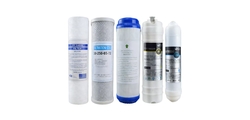
Sediment Filter: Removes larger particles like dirt and rust.
Carbon Filter: Eliminates chlorine and other chemicals that can damage the RO membrane.
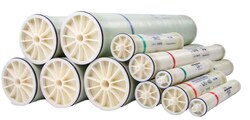
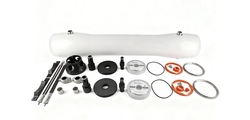
RO Membrane: The core component that filters out dissolved solids and contaminants.
Post-Filter: Provides additional purification to enhance water taste and quality.
Storage Tank: Holds purified water for on-demand use.
Faucet: Dispenses purified water to the user.
Some systems may also include a booster pump to increase water pressure and a permeate pump to reduce wastewater.
3. How Do Boosters and Feed Pumps Enhance RO System Performance?
Boosters and feed pumps play vital roles in optimizing RO system efficiency:
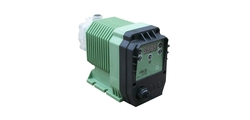
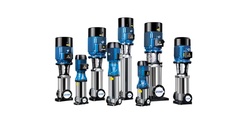
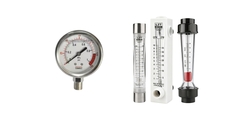
Booster Pump: Increases water pressure to the RO membrane, ensuring optimal filtration performance. This is particularly beneficial in areas with low water pressure, enhancing the system's effectiveness.
Feed Pump: Delivers water to the system at a consistent rate, maintaining steady flow and pressure for continuous operation.
Incorporating these pumps can significantly improve water production rates and overall system reliability.
4. What Are the Benefits of Using an RO System?
RO systems offer several advantages:
High-Quality Water: Effectively removes contaminants, providing clean and safe drinking water.
Cost-Effective: Reduces the need for bottled water, offering a more economical solution.
Environmental Impact: Decreases plastic waste associated with bottled water consumption.
Improved Taste: Enhances the flavor and odor of water by removing impurities.
These benefits make RO systems a popular choice for both residential and commercial water purification needs.
5. How Do I Choose the Right RO System for My Needs?
When selecting an RO system, consider the following factors:
Water Quality: Assess the specific contaminants present in your water supply.
Water Usage: Determine your daily water consumption to select a system with adequate capacity.
Installation Requirements: Ensure the system fits your space and plumbing setup.
Maintenance Needs: Consider the ease of filter replacement and system upkeep.
Budget: Evaluate the initial cost and long-term maintenance expenses.
Consulting with water treatment professionals can provide personalized recommendations tailored to your specific requirements.
6. How Does Hard Water Affect RO System Performance?
Hard water, characterized by high levels of calcium and magnesium, can lead to scale buildup on the RO membrane, reducing its efficiency and lifespan. To mitigate this, it's advisable to use a water softener in conjunction with the RO system, especially in areas with water hardness exceeding 18 grains per gallon (gpg).
7. Are There Any Additional Features to Consider in an RO System?
Yes, several features can enhance the performance and convenience of an RO system:
Remineralization Filters: Add beneficial minerals back into the purified water, improving taste and nutritional value.
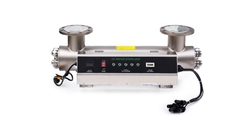
UV Sterilization: Utilizes ultraviolet light to kill bacteria and viruses, providing an extra layer of purification.
Permeate Pumps: Reduce wastewater and increase water production efficiency.
These features can be particularly beneficial depending on your water quality and personal preferences.
8. How Do I Maintain My RO System?
Regular maintenance is essential to ensure optimal performance:
Filter Replacement: Replace pre-filters and post-filters as recommended by the manufacturer, typically every 6 to 12 months.
Membrane Cleaning: Clean or replace the RO membrane every 2 to 3 years, depending on water quality and usage.
System Sanitization: Periodically sanitize the system to prevent bacterial growth and maintain water quality.
Following the manufacturer's guidelines and consulting with professionals can help extend the life of your RO system.
9. What Are the Costs Associated with Installing an RO System?
The cost of installing an RO system varies based on factors such as system capacity, features, and installation complexity:
Initial Investment: Basic systems may start around $200, while advanced models with additional features can cost over $1,000.
Installation Fees: Professional installation can range from $100 to $300, depending on local rates and system complexity.
Maintenance Costs: Annual maintenance, including filter replacements and sanitization, can cost between $100 and $300.
Considering these costs and the potential savings from reduced bottled water consumption can help determine the overall value of an RO system.
10. How Do I Know If an RO System Is Right for Me?
Assessing your water quality, consumption needs, and budget will help determine if an RO system is suitable. If your water contains high levels of contaminants or if you prefer the convenience of purified water at home, an RO system can be a beneficial investment. Consulting with water treatment professionals can provide personalized advice tailored to your specific situation.
Conclusion: Why Choose AQUALITEK for Your RO System Needs?
AQUALITEK offers a range of high-quality reverse osmosis systems designed to meet diverse water purification needs. With a focus on reliability, efficiency, and customer satisfaction, AQUALITEK ensures that each system delivers optimal performance and longevity. Choosing AQUALITEK means investing in a trusted solution for clean and safe drinking water.
For more insights into selecting the right RO system, you might find this video helpful:
(https://www.youtube.com/watch?v=vN2R2pi7eYc&utm_source=openai)


Request More Information or Expert Advice
Share a few details, and we’ll provide deeper insights, tailored suggestions, or product support.
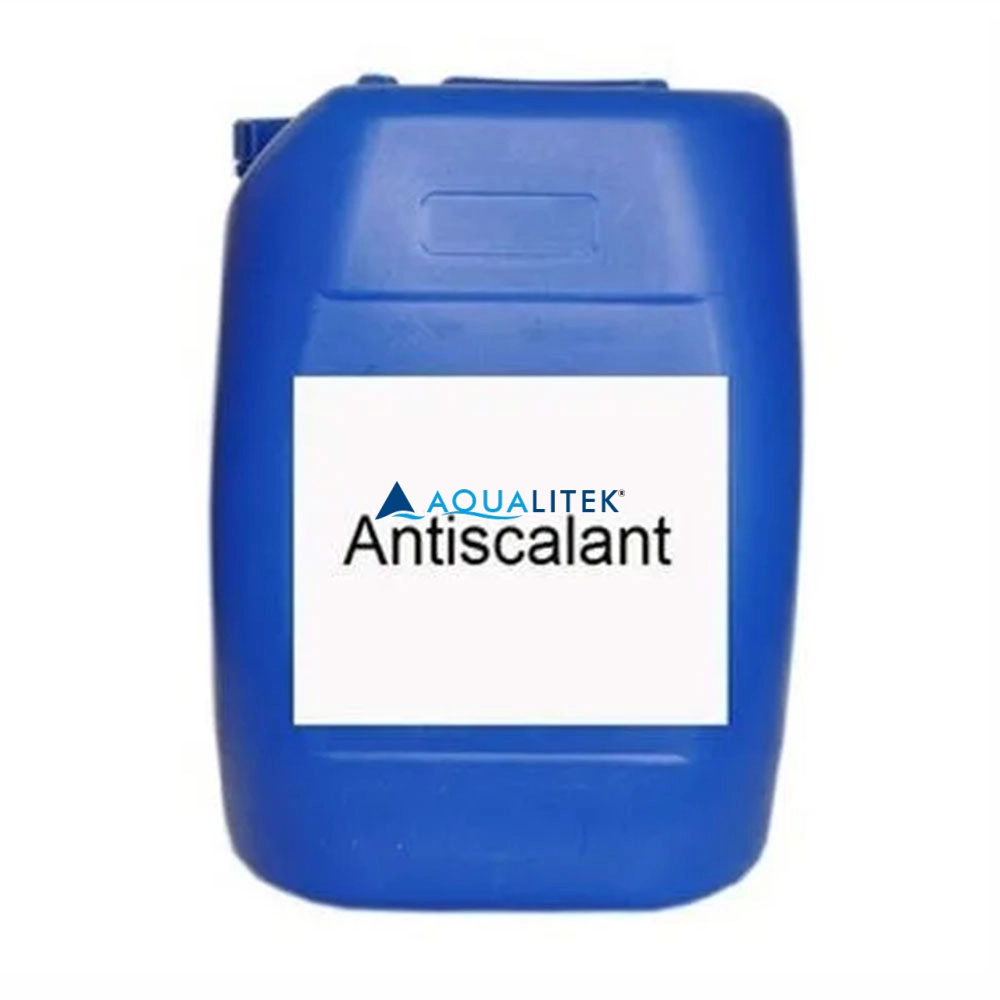
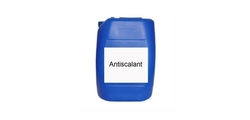
Anti-Scalant is a specialized water treatment chemical designed to prevent the formation of scale in reverse osmosis (RO) systems. Scaling is a common issue in RO systems, where minerals like calcium, magnesium, and silica precipitate and form hard deposits on the membrane surface. These deposits can clog the membranes, reduce water production efficiency, and increase operational costs.
RO chemical anti-scalants work by inhibiting the crystallization of scale-forming minerals, effectively keeping them in solution and preventing them from adhering to the membrane. This ensures the longevity and optimal performance of the RO system.
Anti-scalants are essential in applications with hard water or high mineral content, such as in industrial, municipal, and desalination plants.
These chemicals are highly effective in preventing scaling caused by common minerals such as calcium carbonate, calcium sulfate, barium sulfate, and silica, helping to extend the lifespan of the membranes, reduce cleaning cycles, and enhance system efficiency.
By incorporating an RO chemical anti-scalant into your water treatment process, you can improve the reliability and overall performance of your reverse osmosis system, ensuring consistent, high-quality water output while minimizing maintenance costs.
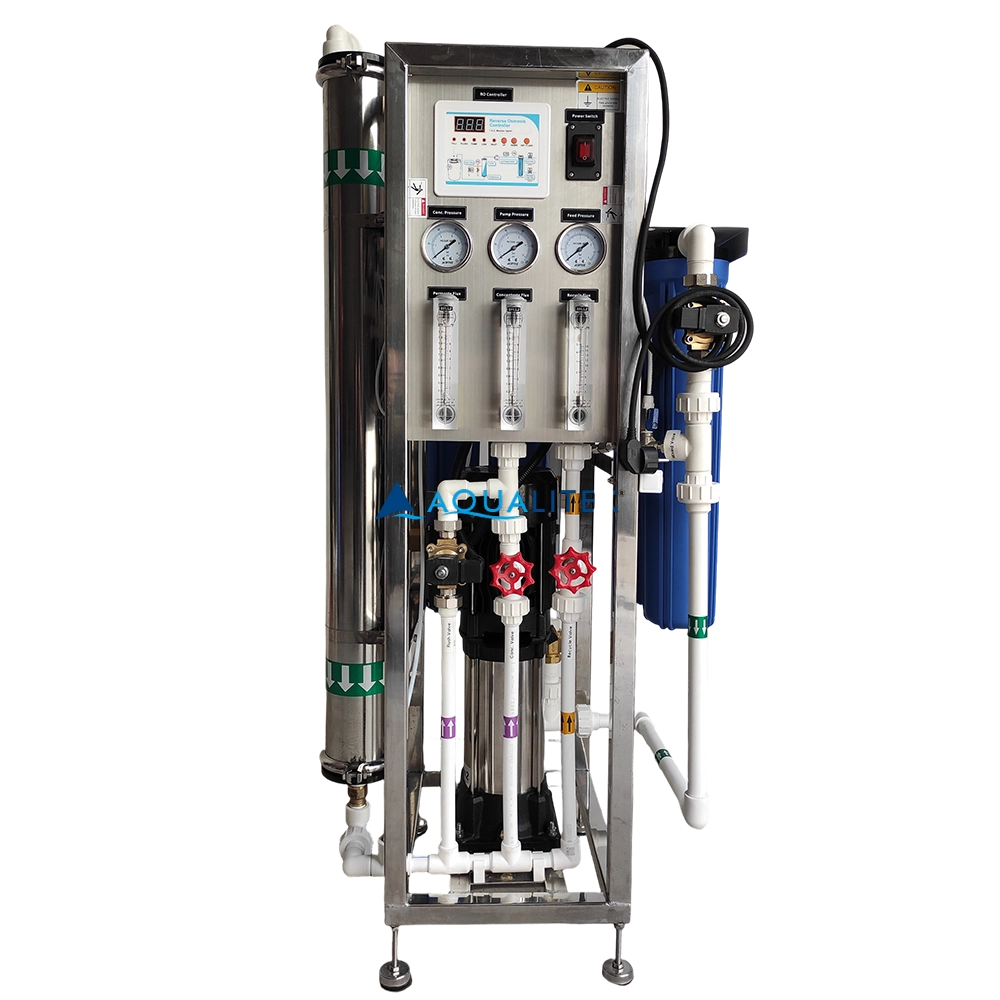
Our 500 LPH Reverse Osmosis (RO) System is engineered to provide high-quality purified water for commercial applications. Designed with advanced RO technology, durable components, and a user-friendly interface, this system ensures consistent performance, low maintenance, and long-term reliability.
With its compact design and robust skid-mounted frame, it’s an excellent choice for businesses that demand efficiency and quality in water purification.
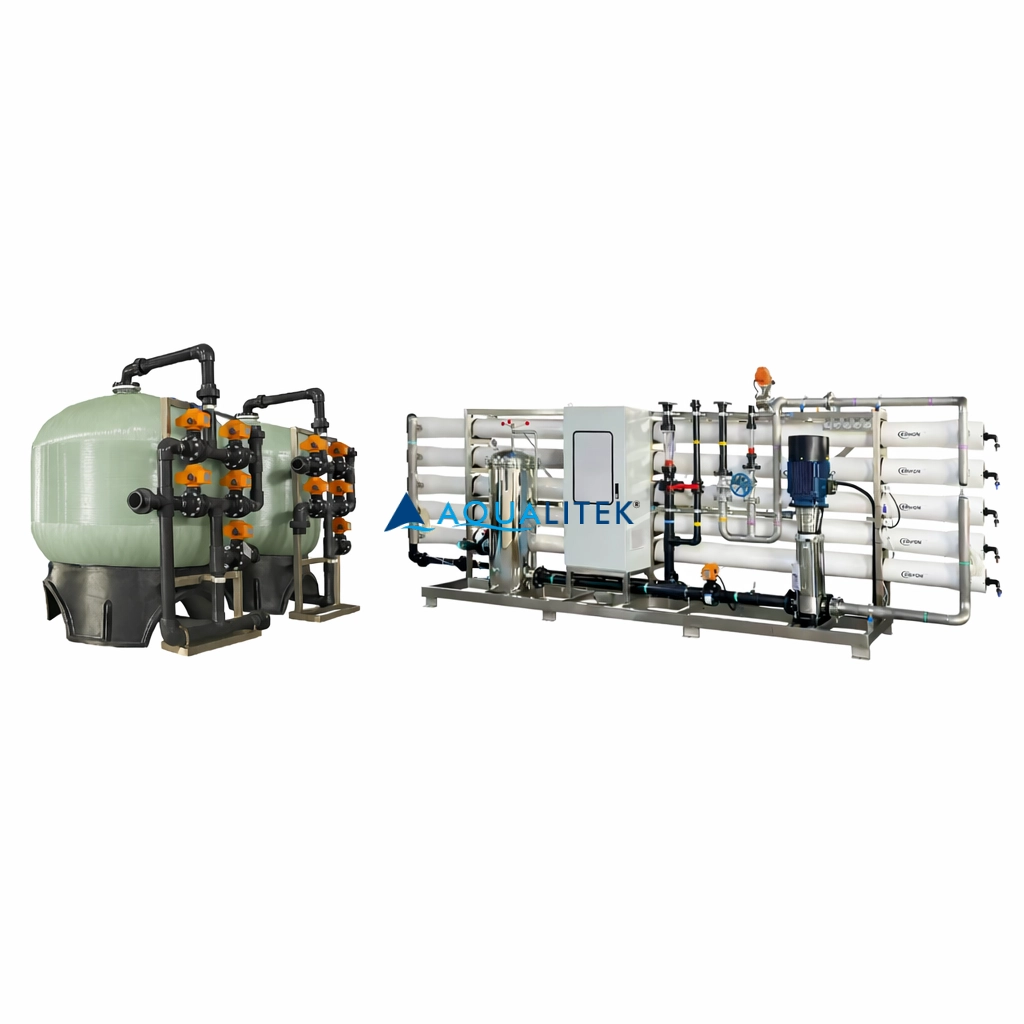
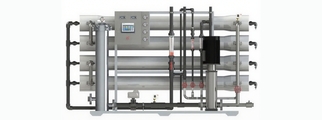
30TPH Industrial Reverse Osmosis (RO) System designed for industrial and municipal water treatment. High salt rejection, energy-efficient design, PLC control, and customizable configuration.
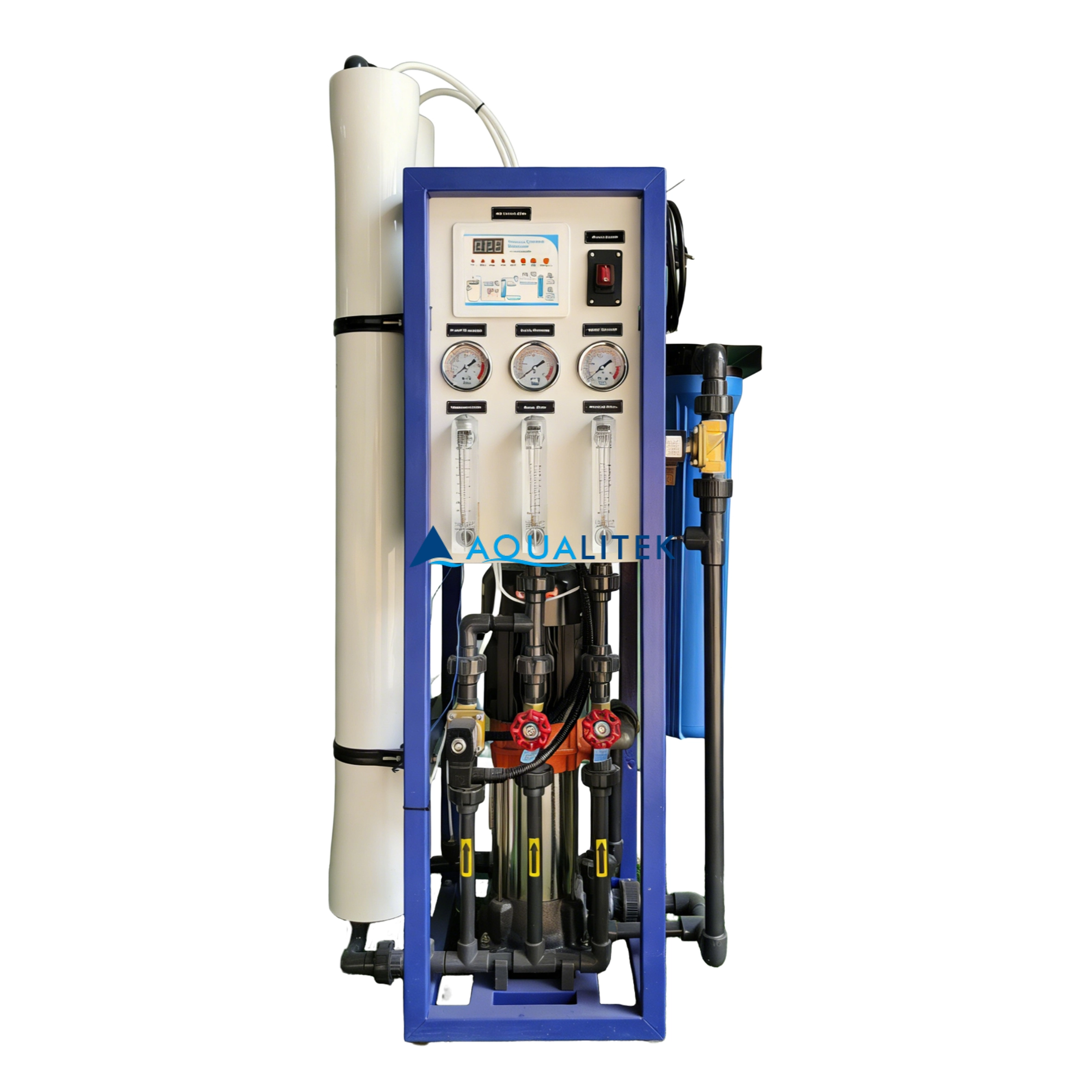
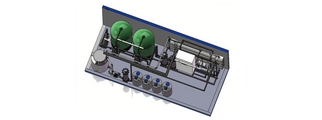
AQUALITEK's 500LPH Panel Mounted Reverse Osmosis Water Purification System delivers reliable 500 LPH RO water production. This compact industrial reverse osmosis unit is ideal for small scale industrial RO needs, ensuring efficient and high-quality purified water in a space-saving design.
© 2026 AQUALITEK. All rights reserved.
AQUALITEK- Aimee Hoo
AQUALITEK - Aimee Hoo