



Industrial Water Purified: A Guide to the Best Reverse Osmosis Systems for Scalable Production
Maximize your ROI with our 2026 guide to the best reverse osmosis systems. Master industrial RO system cost, expert installation, and filtration secrets to ensure reliable, scalable production.
- Introduction
- Defining the Scope: Industrial vs. Commercial RO Systems
- Evaluating the RO System Cost: The Total Cost of Ownership
- Critical Success Factors for RO System Installation
- Optimizing Performance: RO System for Well Water
- Understanding the Role of RO System Filters and Membranes
- Comparing Reverse Osmosis System Cost by Scale
- Innovations Driving the Best Reverse Osmosis Systems
- Maintenance Strategies for Your Industrial Reverse Osmosis System
- Conclusion: Securing Your Industrial Water Future
- FAQs About Industrial & Commercial RO Systems
- How often should I replace my industrial RO system filters?
- What is the average RO system installation timeline?
- Is it cheaper to use an RO system for well water than municipal water?
- What determines the best reverse osmosis systems for pharmaceutical use?
Introduction
In the modern industrial landscape, water is far more than a utility—it is a critical raw material. Whether you are managing a power plant, a pharmaceutical lab, or a large-scale food processing facility, the quality of your process water directly impacts your product consistency and your bottom line.
Navigating the transition from municipal supply to a dedicated industrial reverse osmosis system requires a strategic understanding of technology, logistics, and long-term financial planning. This guide explores how to identify the best reverse osmosis systems that offer high-performance filtration without compromising operational uptime. For a deeper dive into top-tier solutions, check out our Top 5 Industrial Reverse Osmosis Systems.
Defining the Scope: Industrial vs. Commercial RO Systems
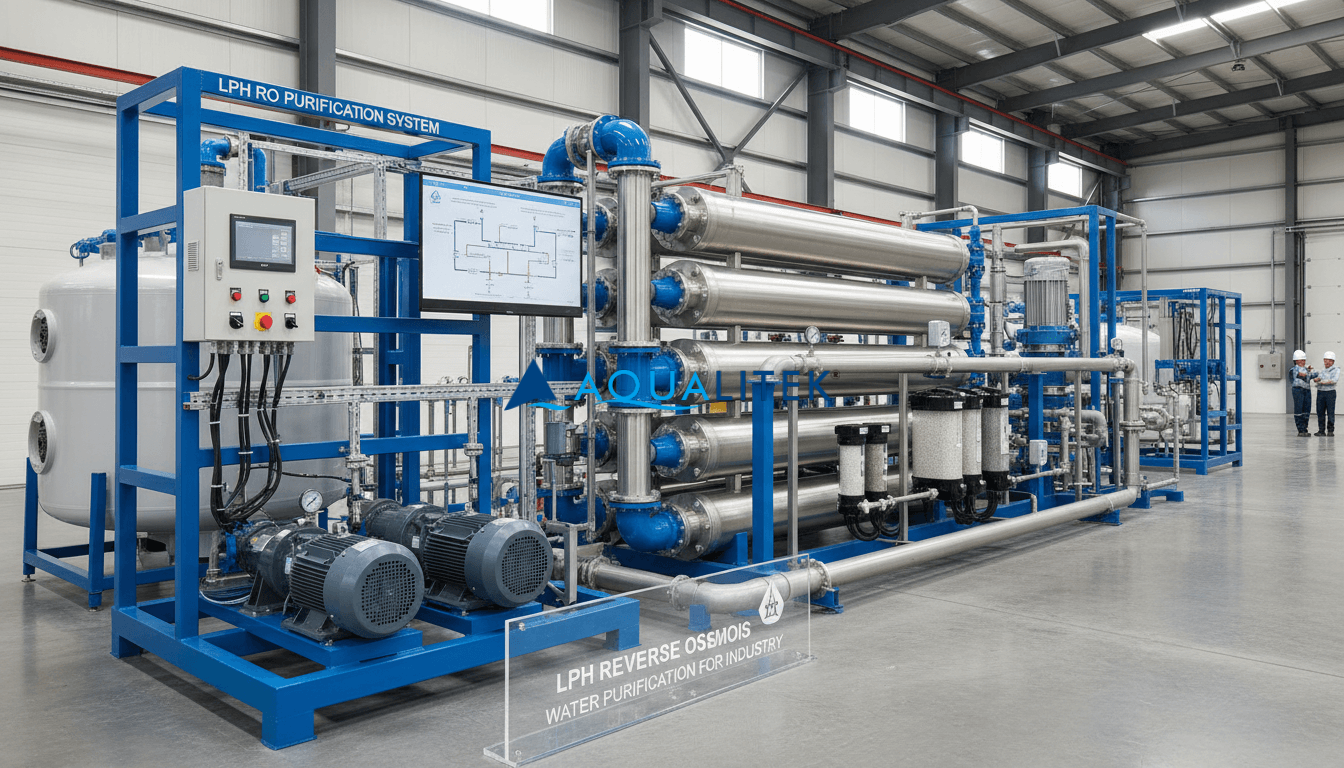
Before beginning the procurement process, it is vital to distinguish between scale and duty cycle. A commercial RO system is typically engineered for light-to-medium applications, such as professional kitchens, laboratories, or small-scale bottling operations, generally handling between 2,000 and 25,000 gallons per day (GPD).
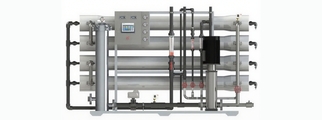
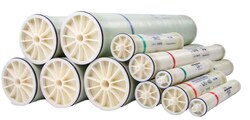
In contrast, an industrial reverse osmosis system is a heavy-duty infrastructure investment designed for continuous 24/7 operation. These systems utilize 8-inch diameter membranes and high-pressure stainless steel pumps to manage flows exceeding 50,000 GPD. Selecting the wrong category often leads to premature equipment fatigue and increased reverse osmosis system cost over time due to constant repairs.
Evaluating the RO System Cost: The Total Cost of Ownership
When a procurement manager asks about RO system cost, they are often only looking at the initial purchase price. However, a veteran marketing director knows that the true value lies in the Total Cost of Ownership (TCO). A competitive evaluation must include:
-
CAPEX: The purchase price and the complexities of the RO system installation.
-
Energy Consumption: Industrial RO is energy-intensive. Modern systems utilizing Variable Frequency Drives (VFDs) can reduce power costs by up to 30%.
-
Consumable Lifecycle: The frequency and cost of replacing RO system filters and membranes.
By investing in a higher-tier system upfront, facilities often save hundreds of thousands of dollars in energy and maintenance over a five-year period.
Critical Success Factors for RO System Installation
The success of your water treatment strategy is heavily dependent on the quality of the RO system installation. A poorly planned setup can lead to hydraulic shock, vibration damage, and localized pressure drops.
Key industrial installation requirements include:
-
Environmental Control: Industrial skids should be placed in climate-controlled environments to prevent membrane degradation.
-
Pre-filtration Plumbing: Ensuring that the feed water line can provide the necessary flow rate to keep the high-pressure pump from cavitating.
-
Waste Management: Efficiently routing the concentrate (brine) to industrial drainage that can handle high-salinity discharge.
Optimizing Performance: RO System for Well Water
Using an RO system for well water presents a unique set of challenges compared to treated municipal water. Groundwater often contains high levels of iron, manganese, and silica, which act as "membrane killers."
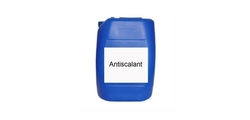
To ensure your well-water system remains operational, the best reverse osmosis systems incorporate advanced pretreatment stages. This usually involves iron oxidation, water softening, or specialized antiscalant injection. Without these, the RO system filters will clog rapidly, leading to frequent downtime and membrane scaling.
Understanding the Role of RO System Filters and Membranes
The efficiency of any commercial RO water system is determined by its multi-stage filtration profile. In an industrial setting, filtration is a tiered defense strategy:
-
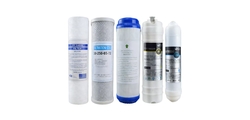
Sediment Pre-filtration: Large-capacity RO system filters remove suspended solids that would otherwise scratch the high-pressure pump.
-
De-chlorination: Since most RO membranes are made of polyamide, they are sensitive to chlorine. Activated carbon or chemical injection is essential to prevent chemical oxidation.
-
Membrane Separation: This is where the actual desalination occurs. High-rejection membranes ensure that up to 99.7% of dissolved salts are removed from the product water.
Comparing Reverse Osmosis System Cost by Scale
To provide a clear picture for stakeholders, we have benchmarked the typical reverse osmosis system cost across various industrial scales for 2026.
| Capacity | Industry Use Case | Estimated Investment (USD) |
| 10,000 GPD | Craft Brewery / Beverage | $15,000 - $22,000 |
| 50,000 GPD | Textile / Chemical Mfg | $45,000 - $65,000 |
| 250,000+ GPD | Data Center Cooling | $120,000+ |
Note: These figures exclude specialized pretreatment and complex RO system installation labor.
Innovations Driving the Best Reverse Osmosis Systems
The landscape of water treatment has shifted toward "intelligence." The best reverse osmosis systems in the current market are no longer passive hardware. They now feature:
-
Remote Telemetry: Monitoring conductivity, flow, and pressure via mobile or desktop apps.
-
Automatic Membrane Flushing: Systems that automatically purge the membranes with permeate water during standby to prevent biofouling.
-
High-Recovery Technology: Advanced hydraulic designs that minimize the volume of concentrate, directly reducing water bills and environmental impact.
Maintenance Strategies for Your Industrial Reverse Osmosis System
Reliability is a byproduct of discipline. To keep your commercial RO water system running at peak efficiency, a proactive maintenance schedule is mandatory. This includes:
-
Filter Change-outs: Replacing depth RO system filters when the pressure differential reaches a specific threshold (typically 15 PSI).
-
Membrane Cleaning (CIP): Performing a Clean-In-Place (CIP) procedure before the scale becomes irreversible.
-
Data Logging: Recording daily performance metrics to identify "membrane drift" before it causes a production stoppage.
Conclusion: Securing Your Industrial Water Future
Selecting an industrial reverse osmosis system is a decision that affects your facility's operational health for the next decade. By prioritizing high-efficiency ro system filters, ensuring a professional RO system installation, and looking beyond the initial RO system cost, you can ensure a steady supply of high-purity water.
Whether you are upgrading an existing plant or designing a new facility around an RO system for well water, focus on systems that offer transparency, data integration, and robust build quality. For comprehensive insights into system options, consider reading The Ultimate Guide to Commercial Reverse Osmosis Systems.
FAQs About Industrial & Commercial RO Systems
How often should I replace my industrial RO system filters?
In high-volume environments, pre-filters should typically be replaced every 2 to 3 months, or whenever the pressure differential across the filter housing exceeds 15 PSI. Regular replacement of these low-cost filters protects the much more expensive RO membranes.
What is the average RO system installation timeline?
For a standard commercial RO system, installation and commissioning usually take 2 to 4 days. For a custom-engineered industrial reverse osmosis system, the process can take 1 to 2 weeks, depending on the complexity of the pretreatment and integration with existing facility controls.
Is it cheaper to use an RO system for well water than municipal water?
While the water itself might be "free," the reverse osmosis system cost for well water is often higher due to the need for extensive pretreatment equipment to handle hardness and minerals. However, over several years, the savings on municipal water rates usually provide a high ROI.
What determines the best reverse osmosis systems for pharmaceutical use?
Pharmaceutical applications require "validation-ready" systems. This means the commercial RO water system must meet specific USP (United States Pharmacopeia) standards, featuring stainless steel piping and orbitally welded joints to prevent bacterial growth.


Request More Information or Expert Advice
Share a few details, and we’ll provide deeper insights, tailored suggestions, or product support.
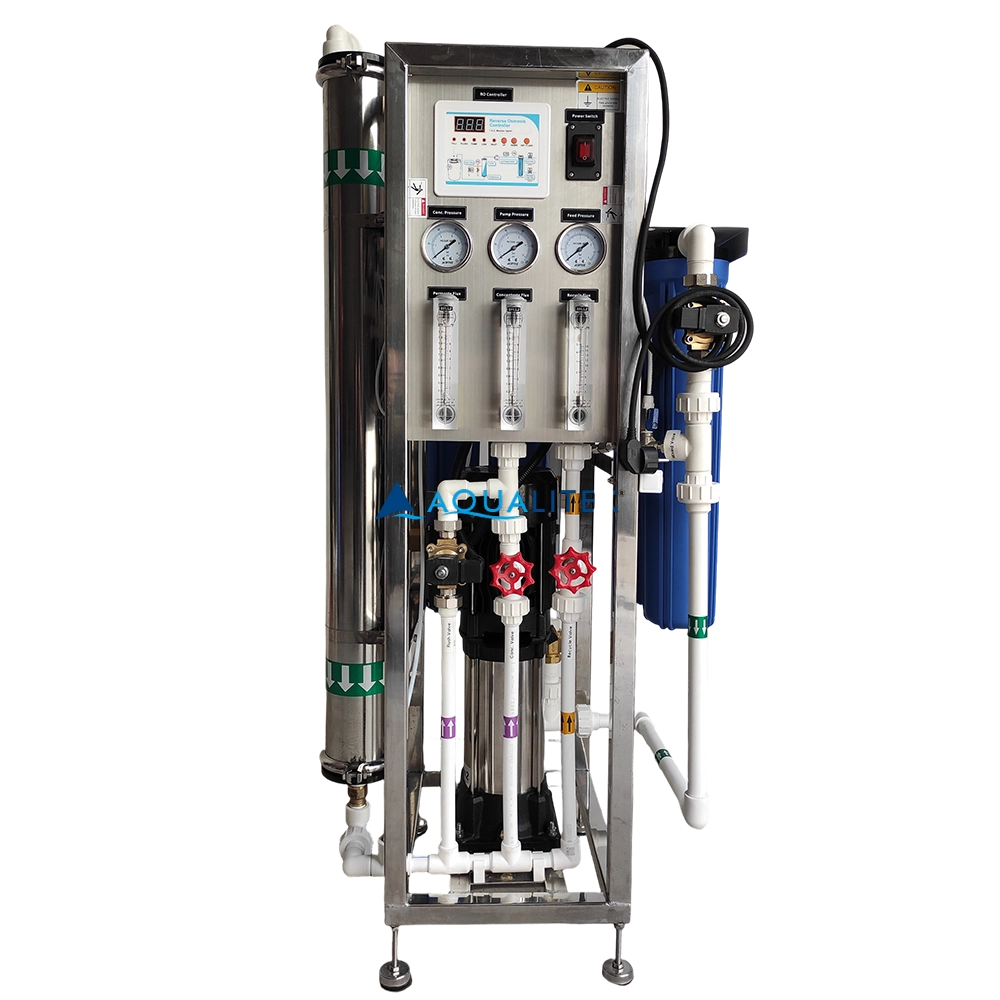
Our 500 LPH Reverse Osmosis (RO) System is engineered to provide high-quality purified water for commercial applications. Designed with advanced RO technology, durable components, and a user-friendly interface, this system ensures consistent performance, low maintenance, and long-term reliability.
With its compact design and robust skid-mounted frame, it’s an excellent choice for businesses that demand efficiency and quality in water purification.
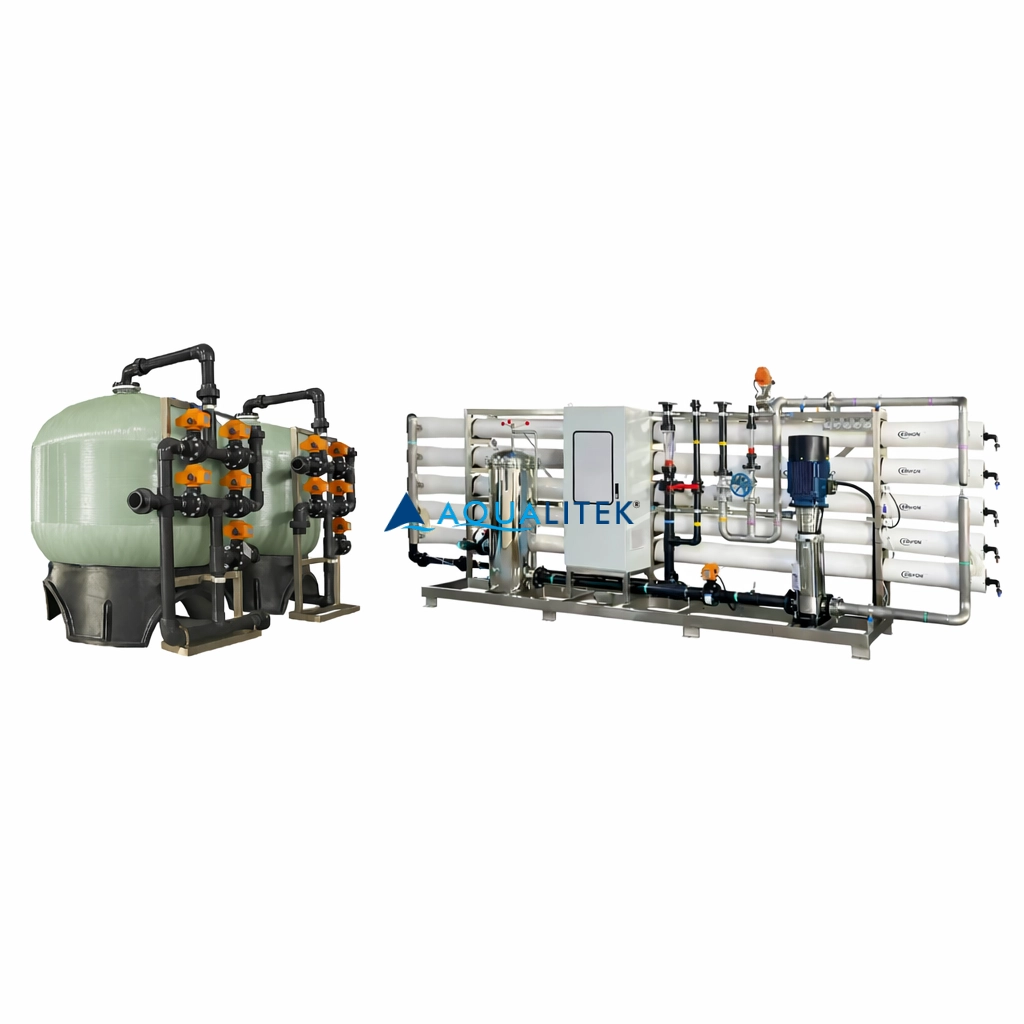
30TPH Industrial Reverse Osmosis (RO) System designed for industrial and municipal water treatment. High salt rejection, energy-efficient design, PLC control, and customizable configuration.
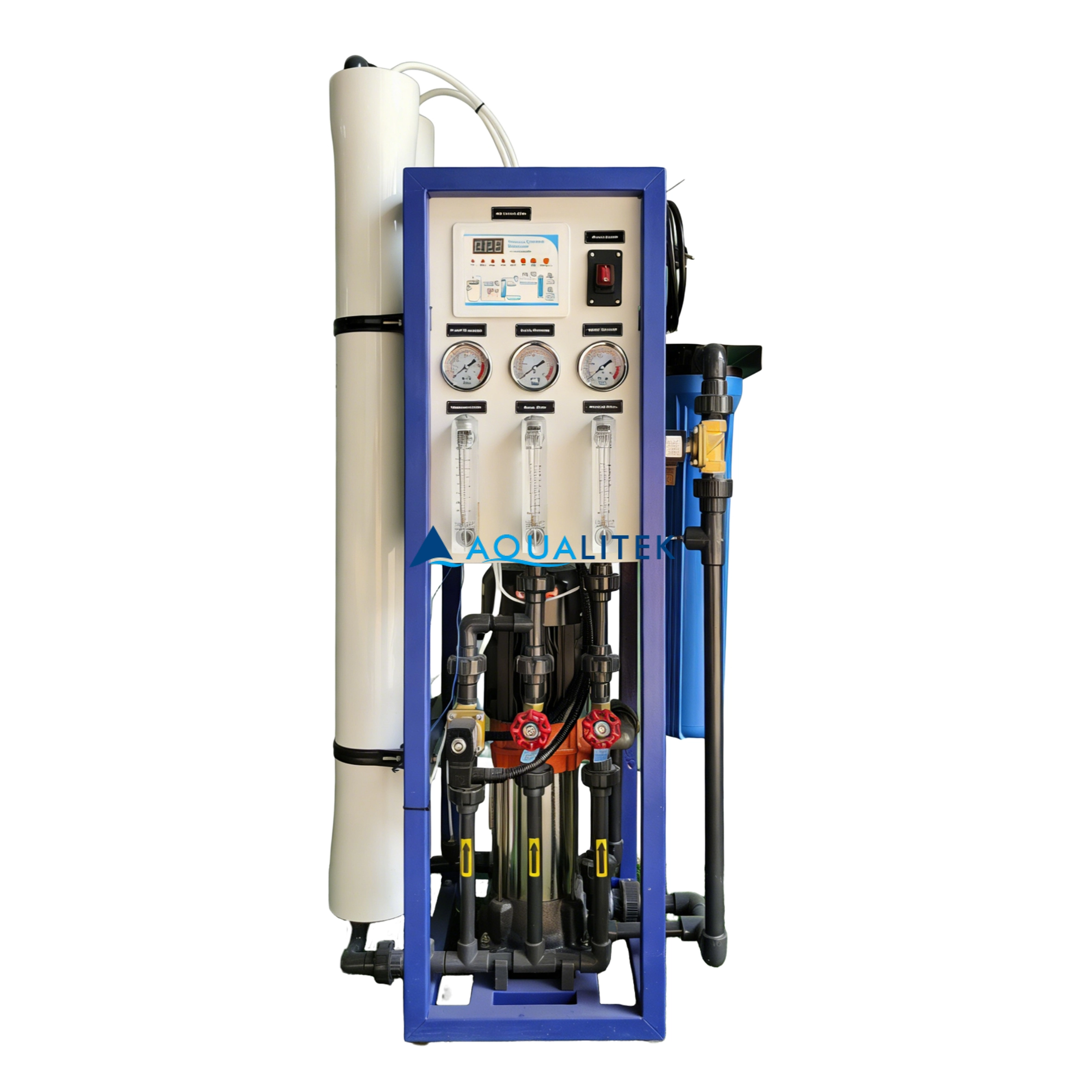
AQUALITEK's 500LPH Panel Mounted Reverse Osmosis Water Purification System delivers reliable 500 LPH RO water production. This compact industrial reverse osmosis unit is ideal for small scale industrial RO needs, ensuring efficient and high-quality purified water in a space-saving design.
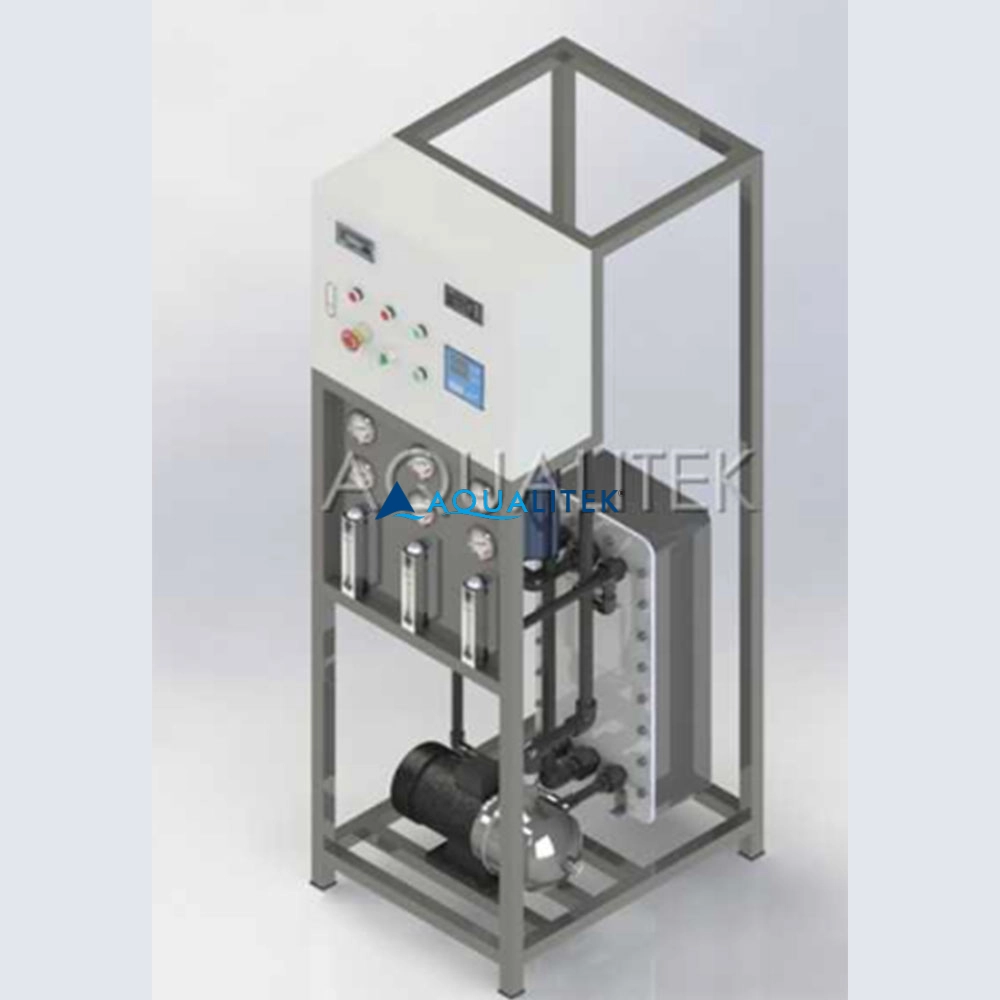
Electrodeionization (EDI) system is an advanced water purification technology that combines ion exchange and electrochemical processes to produce ultra-pure water. Unlike traditional deionization methods, which rely on chemical regeneration, EDI utilizes electric fields to drive the movement of ions through ion-exchange membranes, effectively removing dissolved salts and other ionic contaminants.
This process is continuous and does not require the use of chemicals for regeneration, making it an environmentally friendly and cost-effective solution for producing high-quality deionized water. EDI systems are widely used in applications requiring ultrapure water, such as in the pharmaceutical, semiconductor, power generation, and biotechnology industries, as well as for laboratory use.
By offering high-purity water without the need for chemical regeneration, EDI systems provide a sustainable, efficient, and reliable alternative to traditional deionization methods, making them an ideal choice for industries where water quality and process control are critical.
© 2026 AQUALITEK. All rights reserved.
AQUALITEK- Aimee Hoo
AQUALITEK - Aimee Hoo