



What Problems Can Be Identified Visually from a Disassembled RO Membrane Element?| Insights by AQUALITEK
A disassembled RO membrane element reveals valuable clues about fouling, scaling, oxidation, and mechanical damage. Learn how visual inspection helps diagnose system problems quickly and accurately.
- Introduction
- Why Visual Inspection of RO Membranes Is Important
- Common Problems Identified by Visual Inspection
- 1. Scaling (Inorganic Fouling)
- 2. Colloidal or Sludge Fouling
- 3. Organic Fouling
- 4. Biological Fouling (Biofouling)
- 5. Oxidative Damage
- 6. Mechanical Damage or Abrasion
- 7. Telescoping or Element Deformation
- 8. End Cap and Seal Issues
- What Visual Inspection Cannot Determine
- Best Practices for Membrane Visual Inspection
- Conclusion
Introduction
When an RO system experiences performance decline, high pressure drop, or abnormal water quality, disassembling and visually inspecting the membrane element is often the most direct and revealing diagnostic method.
Even without laboratory analysis, many critical membrane problems can be identified by the naked eye, providing immediate guidance for troubleshooting, cleaning strategy, and system optimization.
This article explains what problems can be visually identified from a disassembled RO membrane element, and what each visual sign typically indicates.
Why Visual Inspection of RO Membranes Is Important
Visual inspection allows operators to:
•Quickly determine the dominant fouling type
•Identify irreversible membrane damage
•Evaluate the effectiveness of previous cleanings
•Trace problems back to pretreatment or operation errors
It is often the first step before chemical analysis or performance testing.
Common Problems Identified by Visual Inspection
1. Scaling (Inorganic Fouling)
Visual Signs:
•White, gray, or off-white crystalline deposits
•Hard, brittle surface texture
•Shiny or chalky appearance
Likely Causes:
•Excessive recovery rate
•Insufficient antiscalant dosing
•Sudden increase in feed water hardness
•Incorrect concentrate flow control
Scaling is often uneven and more severe at the concentrate end.
2. Colloidal or Sludge Fouling
Visual Signs:
•Brown, yellow, or gray muddy layers
•Slimy or gelatinous texture
•Easily smeared by touch
Likely Causes:
•Inadequate pretreatment filtration
•High turbidity or SDI in feed water
•Malfunctioning multimedia or cartridge filters
This type of fouling usually forms a dense cake layer on the membrane surface.
3. Organic Fouling
Visual Signs:
•Dark brown or black stains
•Oily or greasy surface
•Patchy or uneven discoloration
Likely Causes:
•High COD or TOC in feed water
•Industrial wastewater intrusion
•Poor upstream oil or organic removal
Organic fouling often appears sticky and difficult to rinse off.
4. Biological Fouling (Biofouling)
Visual Signs:
•Green, brown, or black slime
•Foul or sewage-like odor
•Stringy or filamentous deposits
Likely Causes:
•Inadequate disinfection
•Long shutdown periods without protection
•Nutrient-rich feed water
Biofouling is commonly accompanied by rapid pressure drop increase.
5. Oxidative Damage
Visual Signs:
•Yellowing or browning of the membrane sheet
•Brittle or cracked membrane surface
•Loss of smooth texture
Likely Causes:
•Residual chlorine or other oxidants
•Activated carbon breakthrough
•Improper chemical cleaning
Oxidation damage is irreversible and cannot be corrected by cleaning.
6. Mechanical Damage or Abrasion
Visual Signs:
•Scratches or scuff marks
•Torn membrane sheets
•Deformed feed spacers
Likely Causes:
•Improper installation or removal
•Foreign particles entering the membrane
•Sudden pressure shocks
Mechanical damage often leads to salt rejection failure.
7. Telescoping or Element Deformation
Visual Signs:
•Membrane layers pushed out at one end
•Uneven element length
•Wrinkled membrane sheets
Likely Causes:
•Excessive differential pressure
•Severe fouling
•Improper startup or shutdown procedures
This condition indicates serious hydraulic imbalance.
8. End Cap and Seal Issues
Visual Signs:
•Damaged or flattened O-rings
•Misaligned end caps
•Evidence of bypass flow paths
Likely Causes:
•Repeated installation errors
•Aging elastomers
•Incorrect pressure vessel assembly
Seal issues can cause permeate quality deterioration without obvious fouling.
What Visual Inspection Cannot Determine
While extremely valuable, visual inspection alone cannot:
•Quantify salt rejection loss
•Measure membrane permeability
•Identify exact chemical composition of foulants
For deeper diagnosis, lab analysis and performance testing are recommended.
Best Practices for Membrane Visual Inspection
✔ Inspect under good lighting
✔ Compare inlet vs concentrate ends
✔ Document with photos
✔ Combine findings with operating data
✔ Use results to adjust pretreatment or operation
Conclusion
A disassembled RO membrane element provides a wealth of diagnostic information through simple visual inspection.
From scaling and fouling to oxidation and mechanical damage, most common RO problems leave clear visual fingerprints. Learning to recognize these signs allows operators to:
•Act faster
•Clean more effectively
•Prevent repeat failures
Visual inspection is not just observation—it is a powerful diagnostic tool in RO system management.


Request More Information or Expert Advice
Share a few details, and we’ll provide deeper insights, tailored suggestions, or product support.
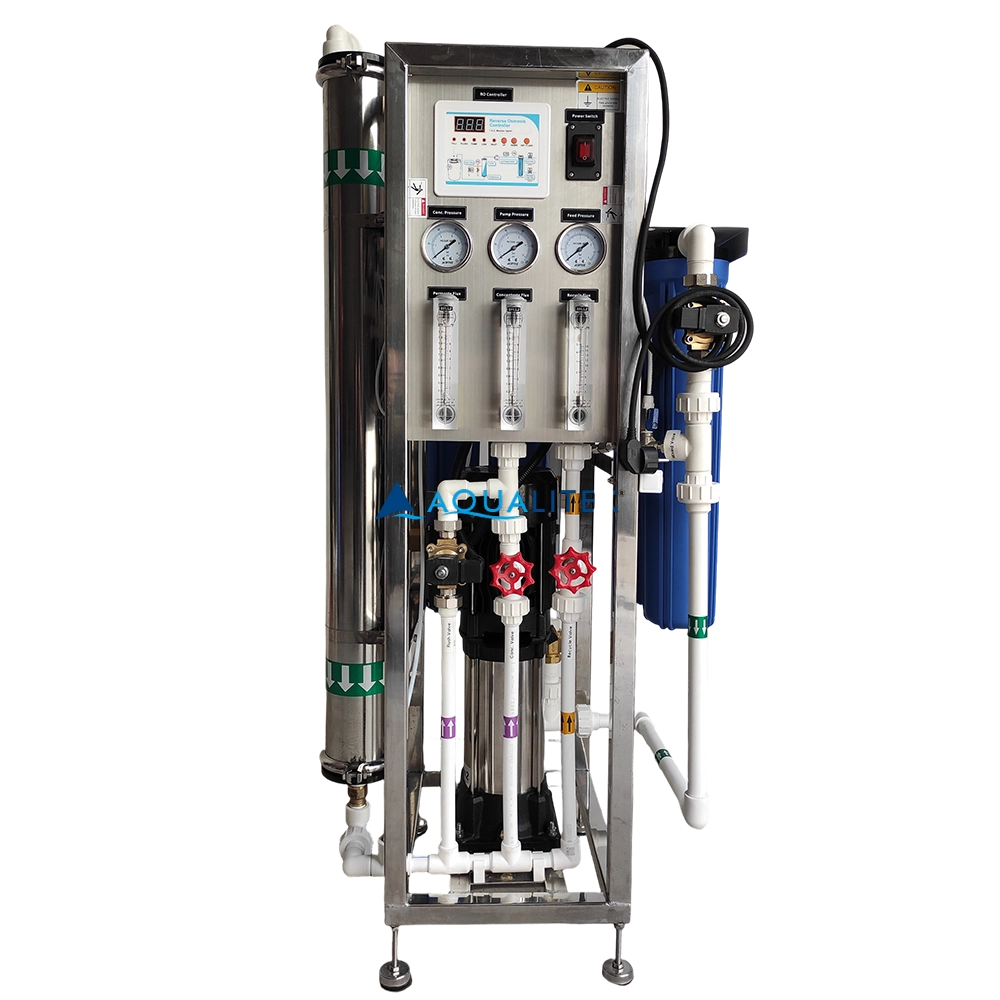
Our 500 LPH Reverse Osmosis (RO) System is engineered to provide high-quality purified water for commercial applications. Designed with advanced RO technology, durable components, and a user-friendly interface, this system ensures consistent performance, low maintenance, and long-term reliability.
With its compact design and robust skid-mounted frame, it’s an excellent choice for businesses that demand efficiency and quality in water purification.
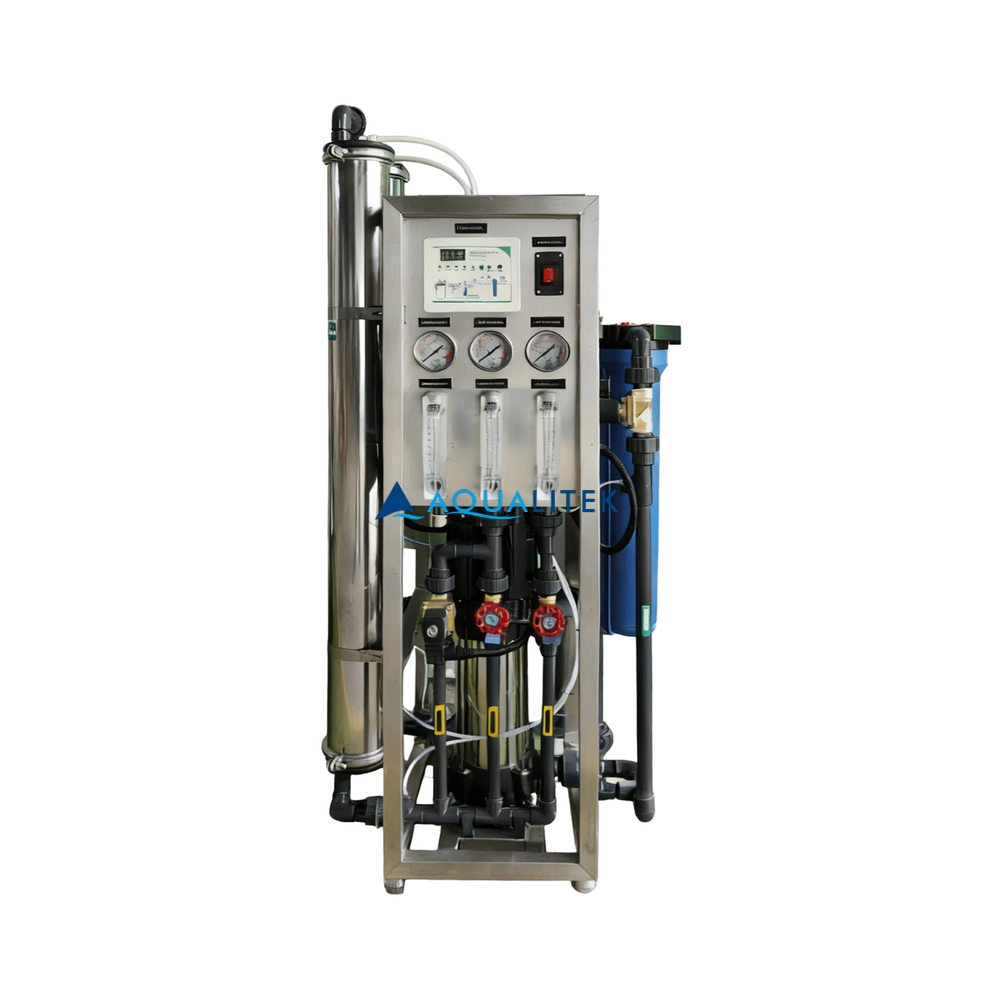
TWV series Reverse Osmosis (RO) systems are pre-engineered and pre-assembled units with 2.5”/4” membrane housings(single element type)for tap water(lower TDS).They are designed for overall superior performance, high recovery rates and offer great savings with low maintenance and operation costs.
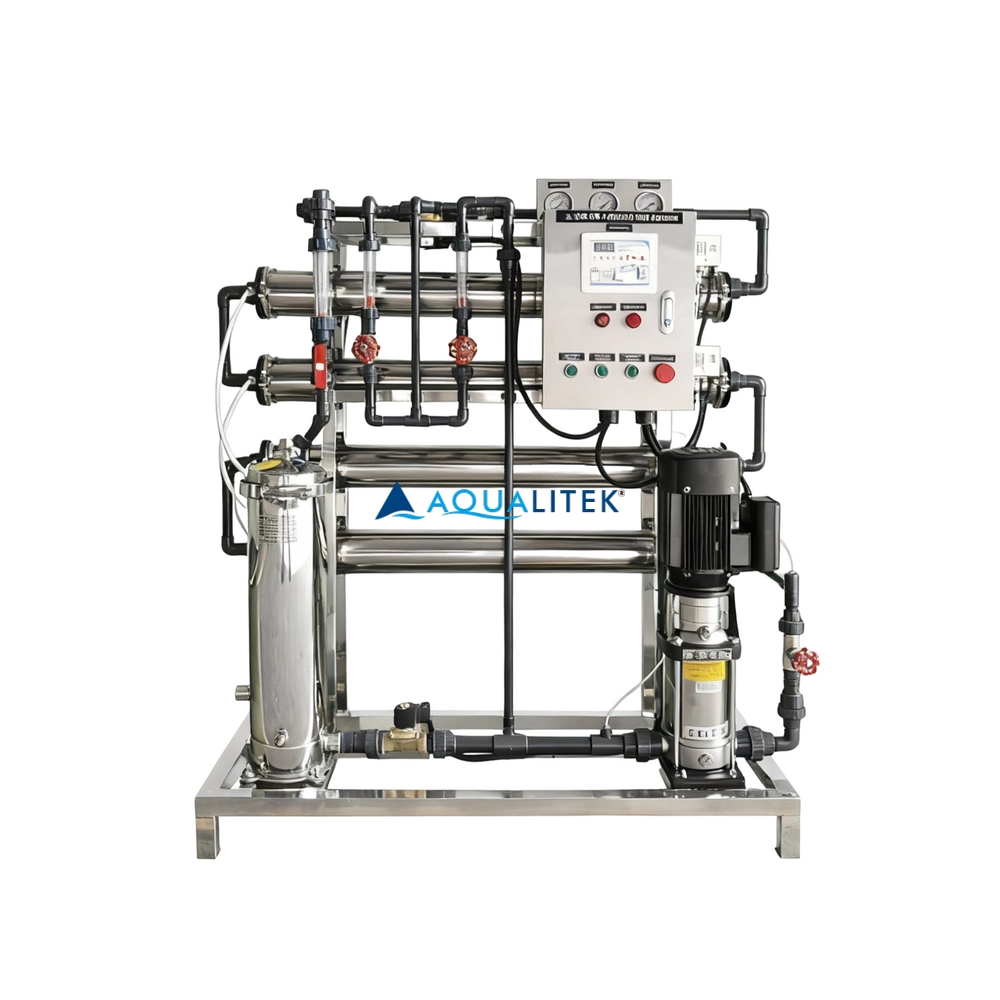
TWF series Reverse Osmosis (RO) systems are pre-engineered and pre-assembled units with 4” membrane housings(multiple elements type) for tap water(lower TDS) .The medium large volumes can help meet your a variety of commercial and industrial applications. They are designed for overall superior performance, high recovery rates and offer great savings with low maintenance and operation costs.

TWE series Reverse Osmosis (RO) systems are pre-engineered and pre-assembled units with 8” membrane housings for tap water (lower TDS). The large volumes can help meet your a variety of industrial applications. They are designed for overall superior performance, high recovery rates and offer great savings with low maintenance and operation costs.
© 2026 AQUALITEK. All rights reserved.
AQUALITEK- Aimee Hoo
AQUALITEK - Aimee Hoo