




If RO Permeate Smells Like Rotten Eggs, What Contaminant Is Likely Present?| Insights by AQUALITEK
A rotten egg smell in RO permeate is a serious warning sign. Learn which contaminants cause this odor, how to confirm the source, and what corrective actions should be taken immediately.
- Introduction
- Primary Cause: Hydrogen Sulfide (H2S)
- Why Rotten Egg Smell Points to Hydrogen Sulfide
- How Hydrogen Sulfide Enters RO Permeate
- 1. H2S Present in the Feed Water
- 2. Biological Activity Inside the System
- 3. Post-Membrane Contamination (Most Common)
- Why RO Membranes Do Not Remove H₂S Effectively
- How to Quickly Confirm the Source of the Odor
- Step 1: Smell Comparison Test
- Step 2: Test for Hydrogen Sulfide
- Step 3: Check Operating History
- Corrective Actions
- Immediate Measures
- Disinfection and Cleaning
- Long-Term Prevention
- Other Less Common Odor Causes (for Comparison)
- Conclusion
Introduction
Under normal conditions, RO permeate should be colorless, tasteless, and odorless.
If the produced water suddenly emits a rotten egg smell, this is not a minor sensory issue—it is a strong indicator of specific chemical or biological contamination.
Understanding what causes this odor and how it enters the RO system is critical to protecting membrane integrity, downstream equipment, and water safety.
This article explains what contaminant is most likely responsible, how to confirm it, and what actions should be taken.
Primary Cause: Hydrogen Sulfide (H2S)
Why Rotten Egg Smell Points to Hydrogen Sulfide
A rotten egg odor in water is almost always caused by hydrogen sulfide (H₂S).
Key characteristics of H₂S:
•Extremely strong odor at very low concentrations
•Colorless gas dissolved in water
•Detectable by smell before it becomes measurable by many instruments
Even trace levels (below 0.1 mg/L) can produce a noticeable odor.
How Hydrogen Sulfide Enters RO Permeate
1. H2S Present in the Feed Water
Some groundwater or surface water sources naturally contain:
•Sulfur compounds
•Sulfate-reducing bacteria (SRB)
If pretreatment is insufficient, H₂S can pass into the RO feed.
2. Biological Activity Inside the System
Under anaerobic conditions, sulfate-reducing bacteria can grow:
•In pretreatment tanks
•In carbon filters
•In RO permeate pipelines
These bacteria convert sulfate into hydrogen sulfide.
This is especially common after long shutdowns or stagnant operation.
3. Post-Membrane Contamination (Most Common)
RO membranes reject bacteria effectively, but they do not protect downstream piping.
Common post-membrane sources:
•Biofilm growth in permeate storage tanks
•Dead-end pipelines
•Poorly sanitized distribution systems
In many cases, the odor is generated after the membrane, not by membrane failure.
Why RO Membranes Do Not Remove H₂S Effectively
Hydrogen sulfide:
•Is a small, uncharged molecule
•Can partially pass through RO membranes in dissolved form
•Is not reliably rejected like salts or bacteria
Therefore, RO alone cannot be relied upon for H₂S removal.
How to Quickly Confirm the Source of the Odor
Step 1: Smell Comparison Test
•Smell RO permeate directly at membrane outlet
•Smell water at storage tank or end-use point
If odor increases downstream, contamination is post-membrane.
Step 2: Test for Hydrogen Sulfide
•Use H₂S test strips or colorimetric kits
•Measure at multiple points in the system
Step 3: Check Operating History
•Recent shutdowns?
•Stagnant pipelines?
•Lack of periodic disinfection?
These are strong indicators of biological H₂S generation.
Corrective Actions
Immediate Measures
•Stop supplying affected permeate
•Drain and flush permeate tank and pipelines
•Increase flushing frequency
Disinfection and Cleaning
•Sanitize permeate storage and distribution lines
•Remove biofilm mechanically if possible
•Apply approved disinfectants compatible with materials
Long-Term Prevention
•Avoid long stagnant periods
•Implement routine permeate line sanitation
•Ensure proper ventilation of storage tanks
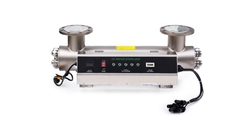
•Consider post-treatment (e.g., UV or degassing)
Other Less Common Odor Causes (for Comparison)
|
Odor Description |
Possible Cause |
Likelihood |
|
Musty / earthy |
Algae or actinomycetes |
Low |
|
Chemical / solvent |
Organic contamination |
Low |
|
Metallic |
Iron or manganese |
Very low |
|
Rotten egg |
Hydrogen sulfide (H₂S) |
Very High |
Conclusion
If RO permeate smells like rotten eggs, hydrogen sulfide is the most likely contaminant.
In most cases, the root cause is:
•Biological activity
•Stagnation
•Post-membrane contamination
Prompt diagnosis and corrective action are essential to prevent microbial growth, corrosion, and customer complaints.
Odor is not just a sensory issue—it is an early warning signal that should never be ignored.


Request More Information or Expert Advice
Share a few details, and we’ll provide deeper insights, tailored suggestions, or product support.
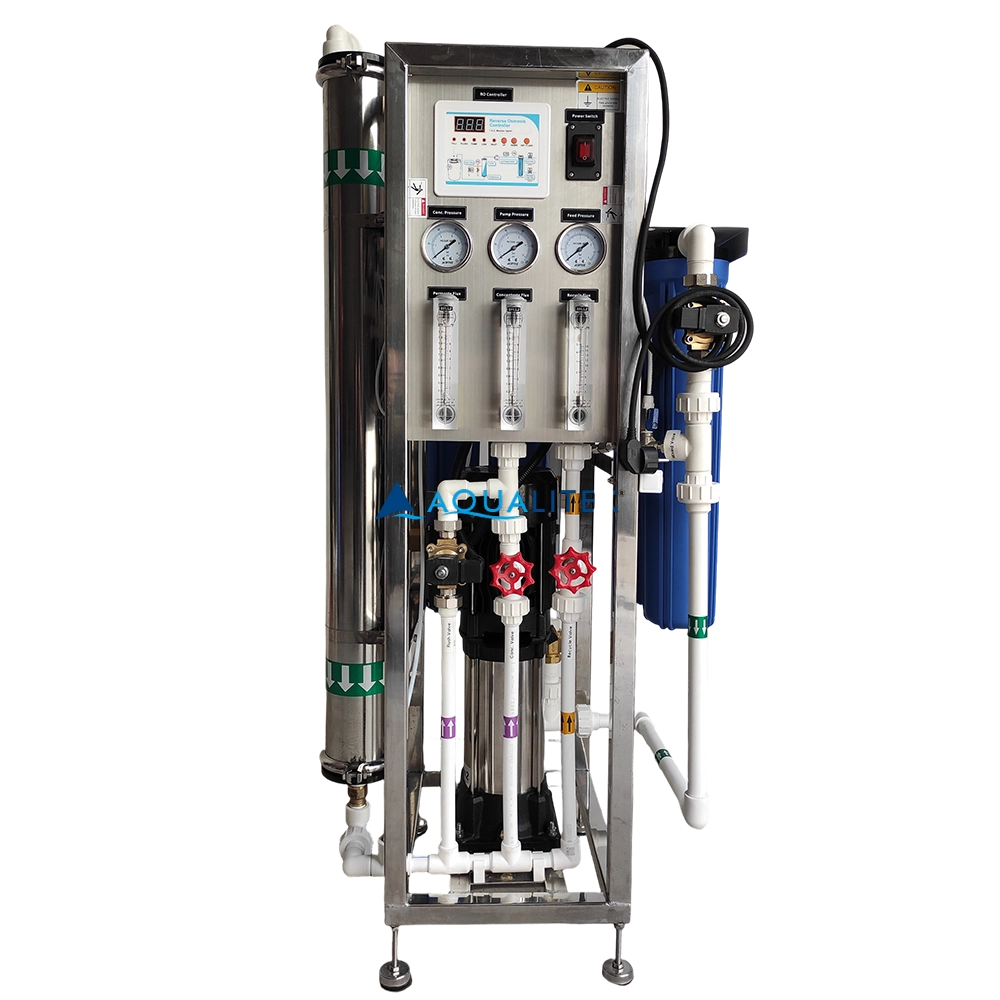
Our 500 LPH Reverse Osmosis (RO) System is engineered to provide high-quality purified water for commercial applications. Designed with advanced RO technology, durable components, and a user-friendly interface, this system ensures consistent performance, low maintenance, and long-term reliability.
With its compact design and robust skid-mounted frame, it’s an excellent choice for businesses that demand efficiency and quality in water purification.
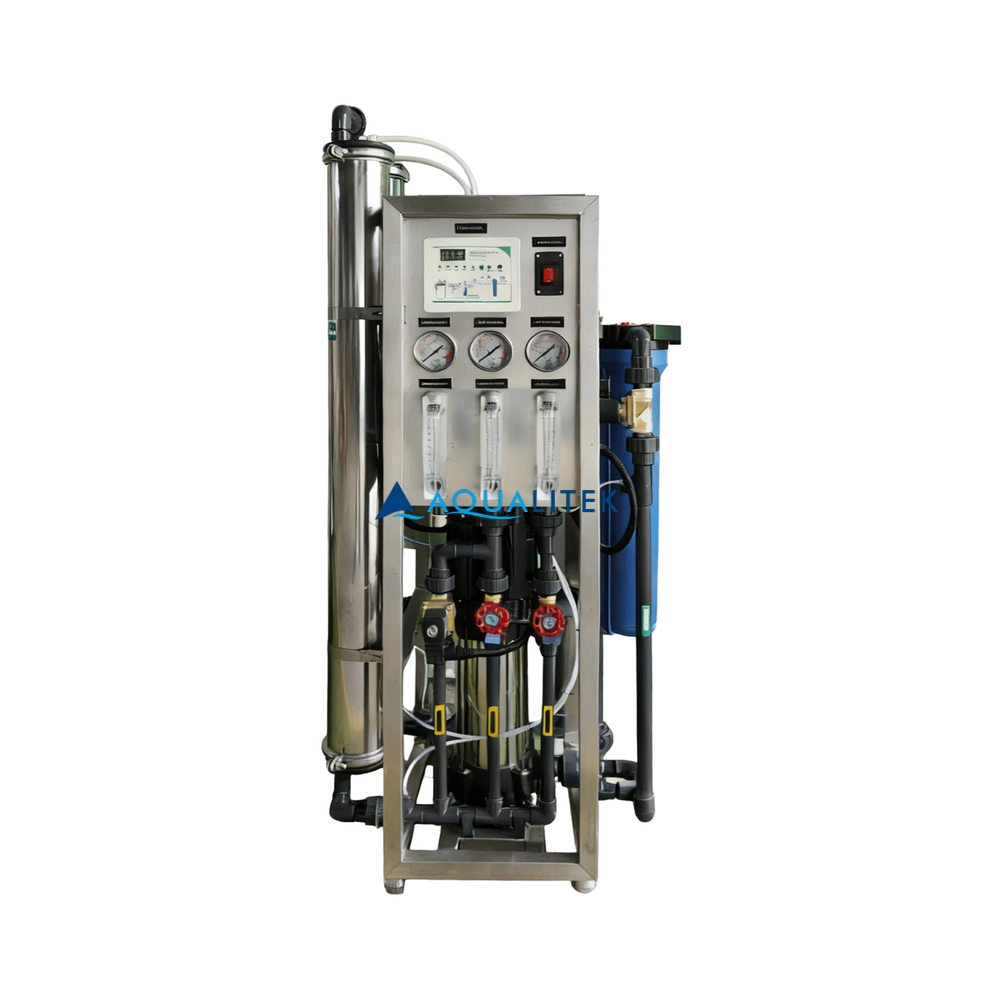
TWV series Reverse Osmosis (RO) systems are pre-engineered and pre-assembled units with 2.5”/4” membrane housings(single element type)for tap water(lower TDS).They are designed for overall superior performance, high recovery rates and offer great savings with low maintenance and operation costs.
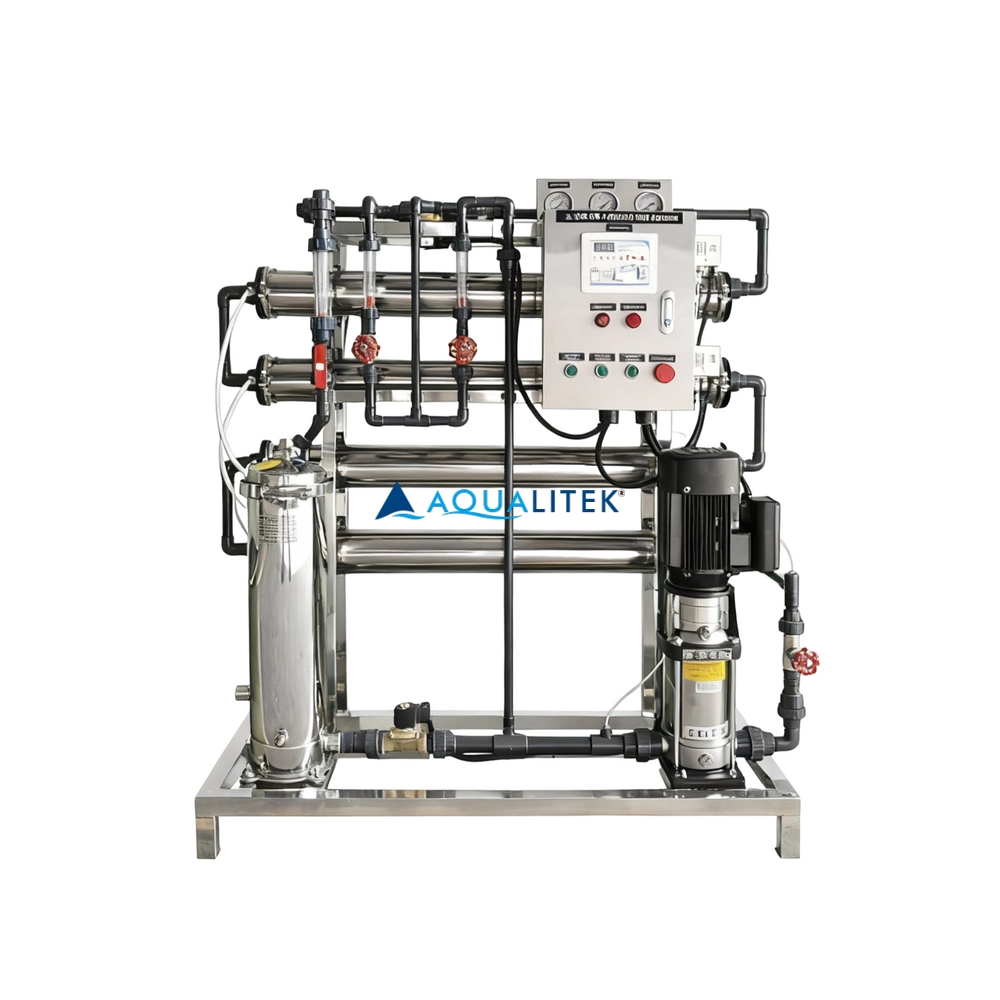
TWF series Reverse Osmosis (RO) systems are pre-engineered and pre-assembled units with 4” membrane housings(multiple elements type) for tap water(lower TDS) .The medium large volumes can help meet your a variety of commercial and industrial applications. They are designed for overall superior performance, high recovery rates and offer great savings with low maintenance and operation costs.

TWE series Reverse Osmosis (RO) systems are pre-engineered and pre-assembled units with 8” membrane housings for tap water (lower TDS). The large volumes can help meet your a variety of industrial applications. They are designed for overall superior performance, high recovery rates and offer great savings with low maintenance and operation costs.
© 2026 AQUALITEK. All rights reserved.
AQUALITEK- Aimee Hoo
AQUALITEK - Aimee Hoo