



Best Ways to Quickly Identify Whether an RO Membrane Element Is New or Used| Insights by AQUALITEK
In industrial RO systems, distinguishing between new and used membrane elements is critical for installation, troubleshooting, and warranty management. This Best-practice guide explains fast, reliable, and field-proven methods to identify whether an RO membrane element is new or old—without complex testing.
- Why It’s Important to Identify New vs. Used Membranes
- Best and Fastest Methods to Identify Membrane Condition
- 1. Check the Outer Wrap and Surface Cleanliness (Fastest Visual Check)
- 2. Inspect the Brine Seal Condition (Very Reliable Indicator)
- 3. Examine the End Caps and O-Rings
- 4. Smell Test (Surprisingly Effective)
- 5. Check Manufacturer Labels and Serial Numbers
- 6. Weight Comparison (Quick Physical Check)
- 7. Performance-Based Confirmation (If Installed)
- Common Misjudgments to Avoid
- Best Practice Summary
- Conclusion
Why It’s Important to Identify New vs. Used Membranes
Incorrectly installing a used membrane as “new” can lead to:
•Misjudged system performance
•Incorrect baseline data
•Premature cleaning or replacement decisions
•Warranty disputes
A quick and accurate assessment helps operators make the right call immediately.
Best and Fastest Methods to Identify Membrane Condition
1. Check the Outer Wrap and Surface Cleanliness (Fastest Visual Check)
New Membrane
•Clean, uniform outer wrap
•No visible discoloration
•No slime, scale, or deposits
Used Membrane
•Yellowing, browning, or dark stains
•Visible scale (white or gray crystals)
•Slippery biofilm or odor
Rule of thumb:
If the surface doesn’t look factory-clean, it’s not new.
2. Inspect the Brine Seal Condition (Very Reliable Indicator)
New Membrane
•Brine seal is soft, elastic, and intact
•No deformation or flattening
•No tears or cracks
Used Membrane
•Flattened or hardened seal
•Uneven edges
•Small cracks or permanent deformation
Brine seals age quickly under pressure—this is one of the most telling signs.
3. Examine the End Caps and O-Rings
New Membrane
•Smooth end caps
•No scratches or tool marks
•O-rings are flexible and glossy
Used Membrane
•Scratches from installation/removal
•Compressed or dried O-rings
•Dirt embedded around grooves
4. Smell Test (Surprisingly Effective)
New Membrane
•Neutral or mild preservative smell
Used Membrane
•Musty or sewage-like odor
•Chemical or biofouling smell
Any strong odor usually indicates prior operation.
5. Check Manufacturer Labels and Serial Numbers
New Membrane
•Clear, intact labels
•Legible serial number
•No fading or peeling
Used Membrane
•Labels faded, partially missing, or water-stained
Also compare serial numbers with:
•Purchase records
•Installation logs
6. Weight Comparison (Quick Physical Check)
New Membrane
•Heavier due to preservative solution
•Uniform internal moisture
Used Membrane
•Lighter (partially drained or dried)
•Uneven weight distribution
This method is especially useful when comparing multiple elements.
7. Performance-Based Confirmation (If Installed)
If the membrane is already installed:
New Membrane Performance
•High initial permeate flow
•High salt rejection
•Stable pressure behavior
Used Membrane Performance
•Lower normalized flux
•Reduced salt rejection
•Higher operating pressure
⚠️ This method should confirm—not replace—physical inspection.
Common Misjudgments to Avoid
❌ “It looks clean, so it must be new”
❌ “It came from storage, so it’s unused”
❌ “Performance seems okay, so it’s new”
Visual and mechanical signs matter more than assumptions.
Best Practice Summary
✔ Inspect surface and cleanliness
✔ Check brine seals carefully
✔ Examine end caps and O-rings
✔ Verify labels and serial numbers
✔ Use odor and weight as secondary clues
Combining 2–3 methods gives over 90% identification accuracy.
Conclusion
The fastest way to identify whether an RO membrane element is new or used is through visual inspection of the outer wrap, brine seals, end caps, and labeling, supported by odor and weight checks. These methods require no tools, no testing, and can be performed immediately on-site.
Accurate identification protects system performance, budgets, and operational decisions.


Request More Information or Expert Advice
Share a few details, and we’ll provide deeper insights, tailored suggestions, or product support.
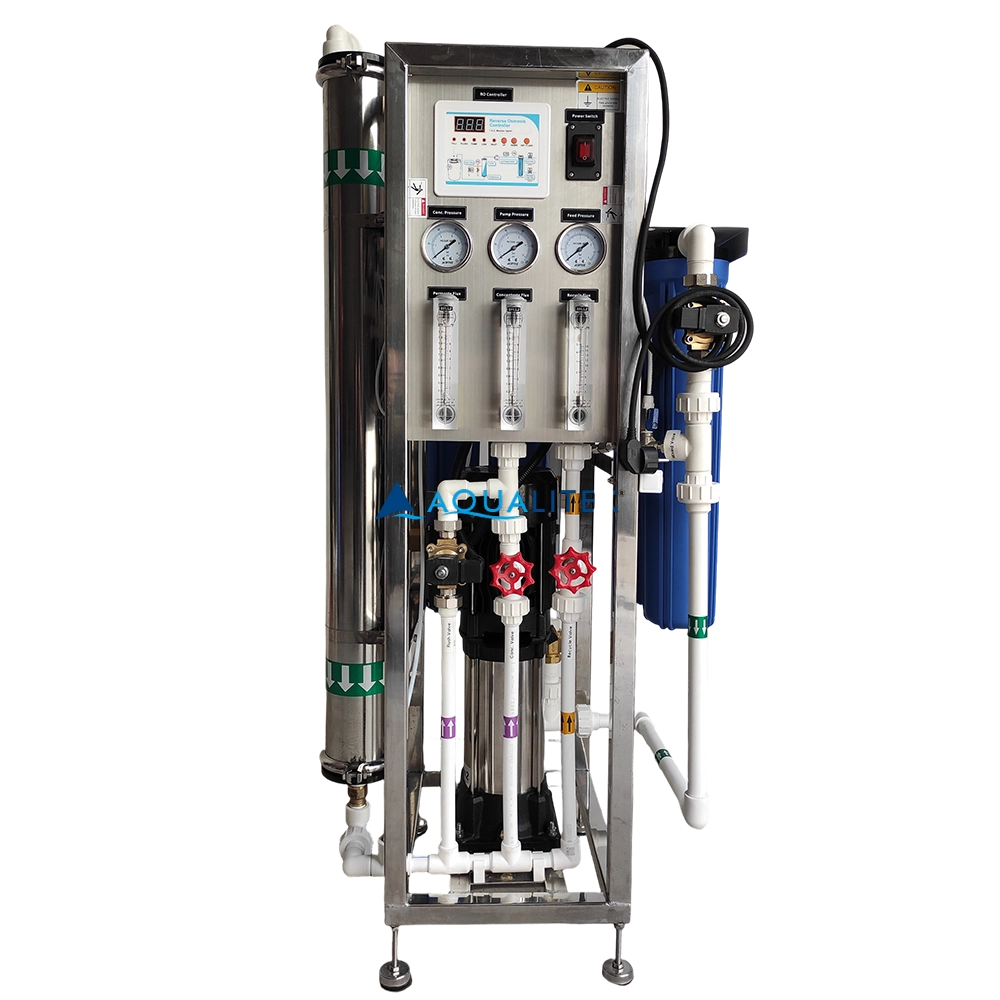
Our 500 LPH Reverse Osmosis (RO) System is engineered to provide high-quality purified water for commercial applications. Designed with advanced RO technology, durable components, and a user-friendly interface, this system ensures consistent performance, low maintenance, and long-term reliability.
With its compact design and robust skid-mounted frame, it’s an excellent choice for businesses that demand efficiency and quality in water purification.
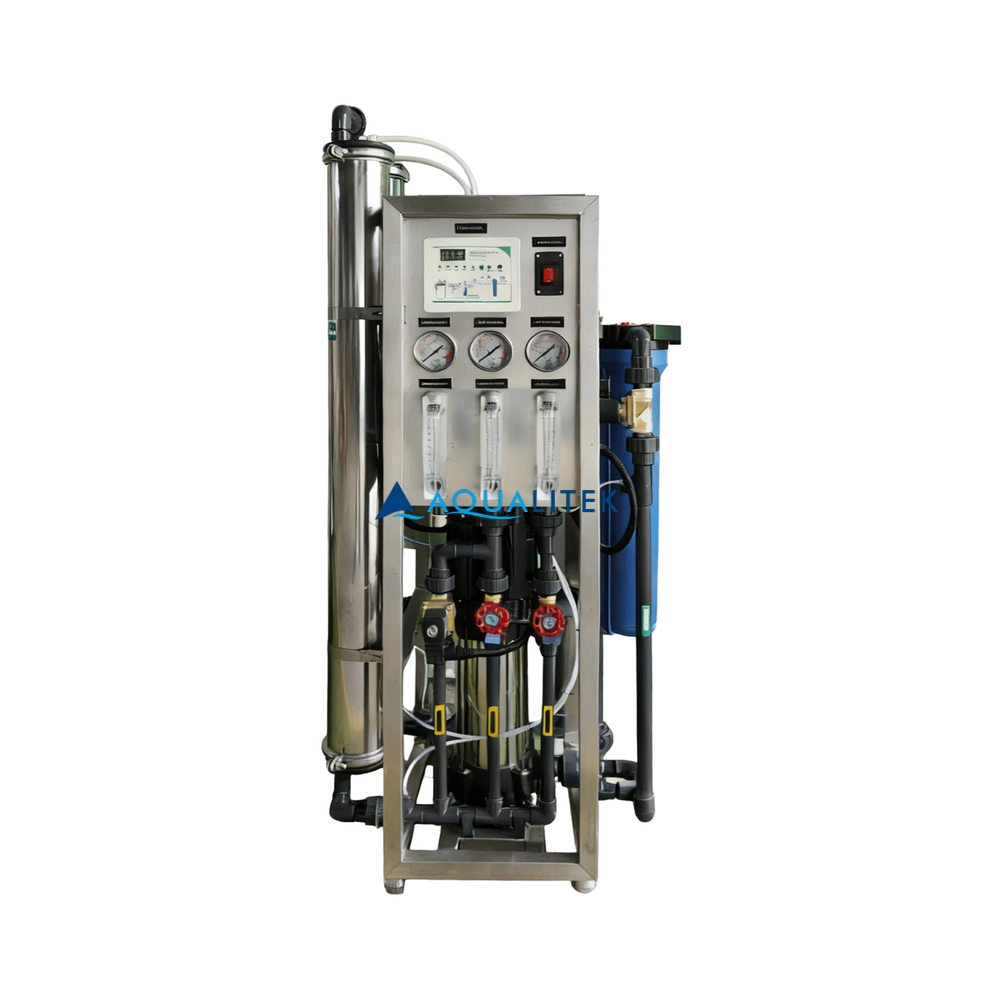
TWV series Reverse Osmosis (RO) systems are pre-engineered and pre-assembled units with 2.5”/4” membrane housings(single element type)for tap water(lower TDS).They are designed for overall superior performance, high recovery rates and offer great savings with low maintenance and operation costs.
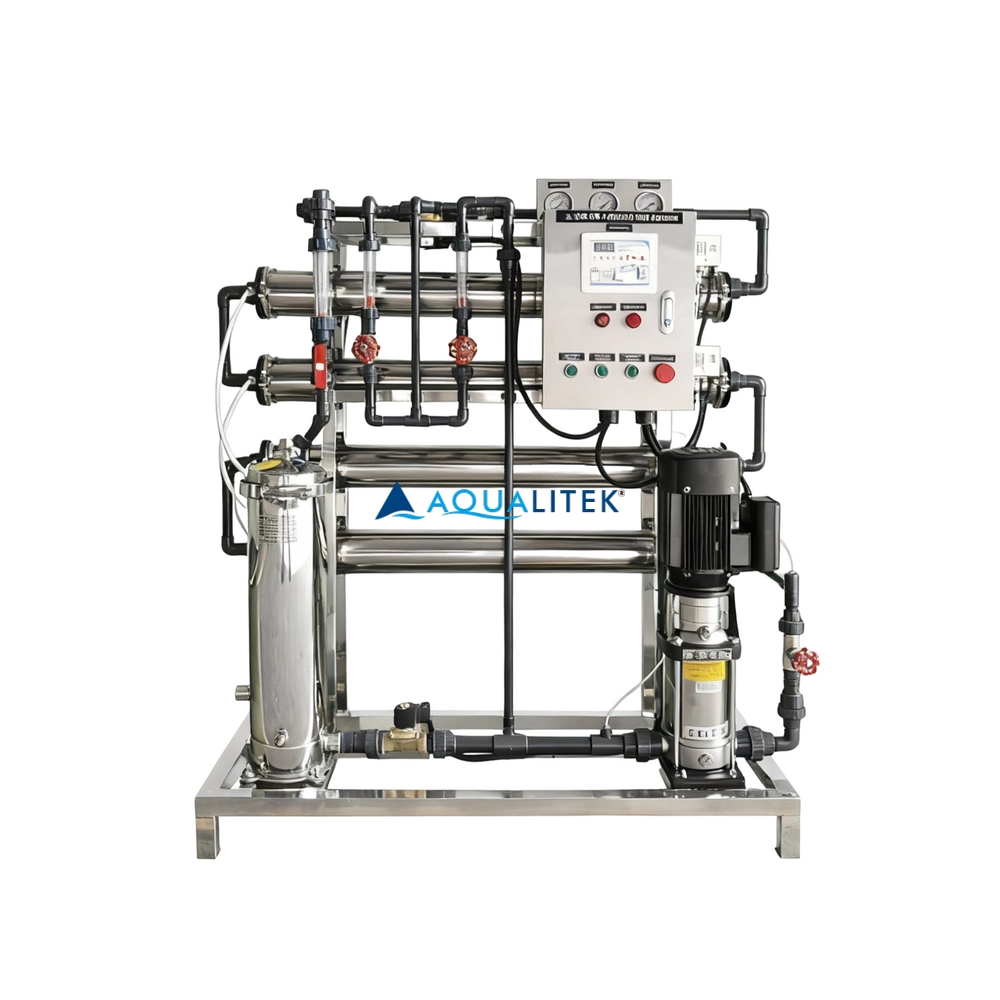
TWF series Reverse Osmosis (RO) systems are pre-engineered and pre-assembled units with 4” membrane housings(multiple elements type) for tap water(lower TDS) .The medium large volumes can help meet your a variety of commercial and industrial applications. They are designed for overall superior performance, high recovery rates and offer great savings with low maintenance and operation costs.
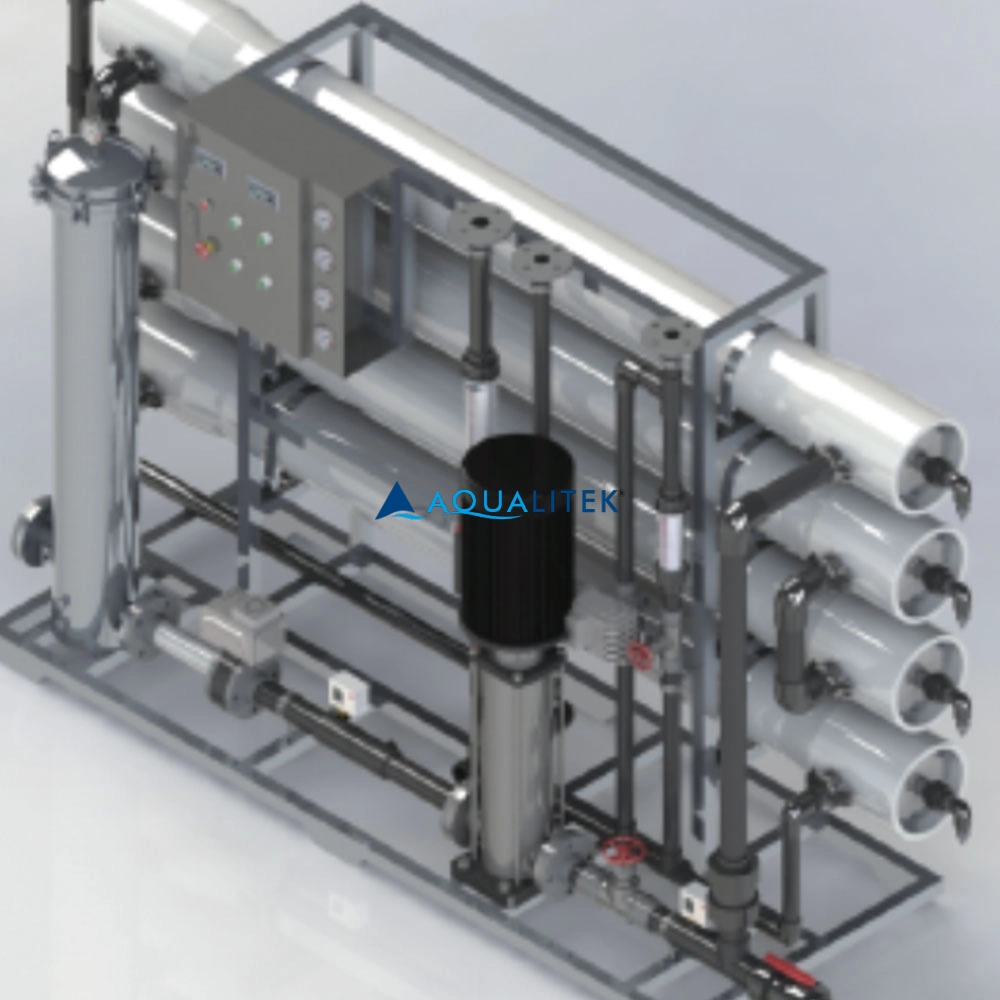
TWE series Reverse Osmosis (RO) systems are pre-engineered and pre-assembled units with 8” membrane housings for tap water (lower TDS). The large volumes can help meet your a variety of industrial applications. They are designed for overall superior performance, high recovery rates and offer great savings with low maintenance and operation costs.
© 2026 AQUALITEK. All rights reserved.
AQUALITEK- Aimee Hoo
AQUALITEK - Aimee Hoo