



How to evaluate membrane cleaning effectiveness?
Understanding Reverse Osmosis Systems
Reverse osmosis (RO) systems are integral to water purification, effectively removing contaminants to provide clean, safe drinking water. They operate by forcing water through a semipermeable membrane, which blocks impurities while allowing water molecules to pass through. This process eliminates various contaminants, including:
- Fluoride
- Salt
- Sediment
- Minerals
- Chlorine
- Arsenic
- Volatile organic compounds (VOCs)
- Herbicides
- Pesticides
These systems are available in different configurations to suit various needs:
Residential RO Systems: Designed for home use, typically installed under the sink, providing purified water directly to the faucet and refrigerator. They are ideal for households requiring moderate water output.
Commercial RO Systems: Built for high-volume water purification, suitable for applications like seawater desalination, car wash rinsing, restaurant beverages, and more. These systems handle larger capacities and are essential for industries with significant water demands.
Key Components of Reverse Osmosis Systems
A standard RO system comprises several components that work together to ensure efficient filtration:
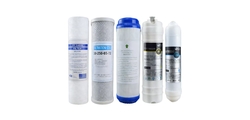
Pre-Filters: Remove larger particles like dirt and sediment, protecting the RO membrane from damage.
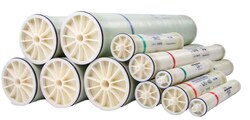
RO Membrane: The core of the system, filtering out dissolved solids and contaminants.
Post-Filters: Polish the water, enhancing taste and odor before it reaches the faucet.
Storage Tank: Holds purified water until needed.
Faucet: Dispenses the purified water.
Evaluating Membrane Cleaning Effectiveness
Regular maintenance, including membrane cleaning, is crucial for the optimal performance of RO systems. To assess the effectiveness of membrane cleaning:
Measure Permeate Flow Rate: Compare the flow rate of purified water before and after cleaning. A significant increase indicates successful cleaning.
Monitor Water Quality: Test the purified water for Total Dissolved Solids (TDS) levels. A decrease in TDS post-cleaning suggests improved membrane performance.
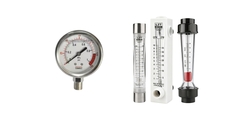
Check System Pressure: Ensure that the system operates within the recommended pressure range. Proper pressure is essential for effective filtration.
Inspect for Fouling Indicators: Look for signs of fouling, such as scaling or biofilm, on the membrane surface. Effective cleaning should remove these deposits.
Common Issues and Solutions in Reverse Osmosis Systems
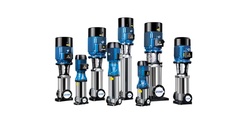
Low Water Pressure: Insufficient pressure can hinder RO system performance. Installing a booster pump can enhance water pressure, ensuring efficient filtration.
Hard Water Scaling: Hard water can lead to mineral buildup on the membrane. Using a water softener in conjunction with the RO system can prevent scaling and extend membrane life.
Frequent Filter Changes: Regularly replacing pre-filters and post-filters is essential to maintain water quality and protect the RO membrane.
Advantages of AQUALITEK Reverse Osmosis Systems
AQUALITEK offers high-quality RO systems designed for both residential and commercial applications. Their systems feature:
Advanced Filtration Technology: Ensures the removal of a wide range of contaminants, providing pure and safe drinking water.
Durability: Built with high-grade materials for longevity and consistent performance.
User-Friendly Design: Easy installation and maintenance, with clear instructions and accessible customer support.
Energy Efficiency: Designed to operate efficiently, reducing energy consumption and operational costs.
Comprehensive Warranty: Backed by a robust warranty, offering peace of mind and reliable customer service.
For more information on AQUALITEK's reverse osmosis systems, visit their official website.
Conclusion
Understanding the components, maintenance, and evaluation methods of reverse osmosis systems is essential for making informed decisions in water treatment system procurement. Regular maintenance, including effective membrane cleaning, ensures optimal performance and extends the lifespan of the system. AQUALITEK's RO systems provide a reliable solution for both residential and commercial water purification needs, combining advanced technology with user-friendly features and comprehensive support.
References
(https://www.freshwatersystems.com/collections/reverse-osmosis-systems)
(https://uswatersystems.com/collections/for-home-reverse-osmosis-systems)
(https://www.reverseosmosisonline.com/reverse-osmosis-systems.html)
(https://www.reverseosmosis.com/collections/reverse-osmosis-systems)
(https://www.waterfiltersonline.com/reverse-osmosis-systems.html)
(https://www.reverseosmosis.com/blogs/news/hard-water-vs-soft-water)
(https://www.reverseosmosis.com/blogs/news/pfas-in-tap-water)
(https://www.reverseosmosis.com/blogs/news/changing-your-reverse-osmosis-filters)
Note: The above references provide additional information and resources related to reverse osmosis systems and their maintenance.




Request More Information or Expert Advice
Share a few details, and we’ll provide deeper insights, tailored suggestions, or product support.
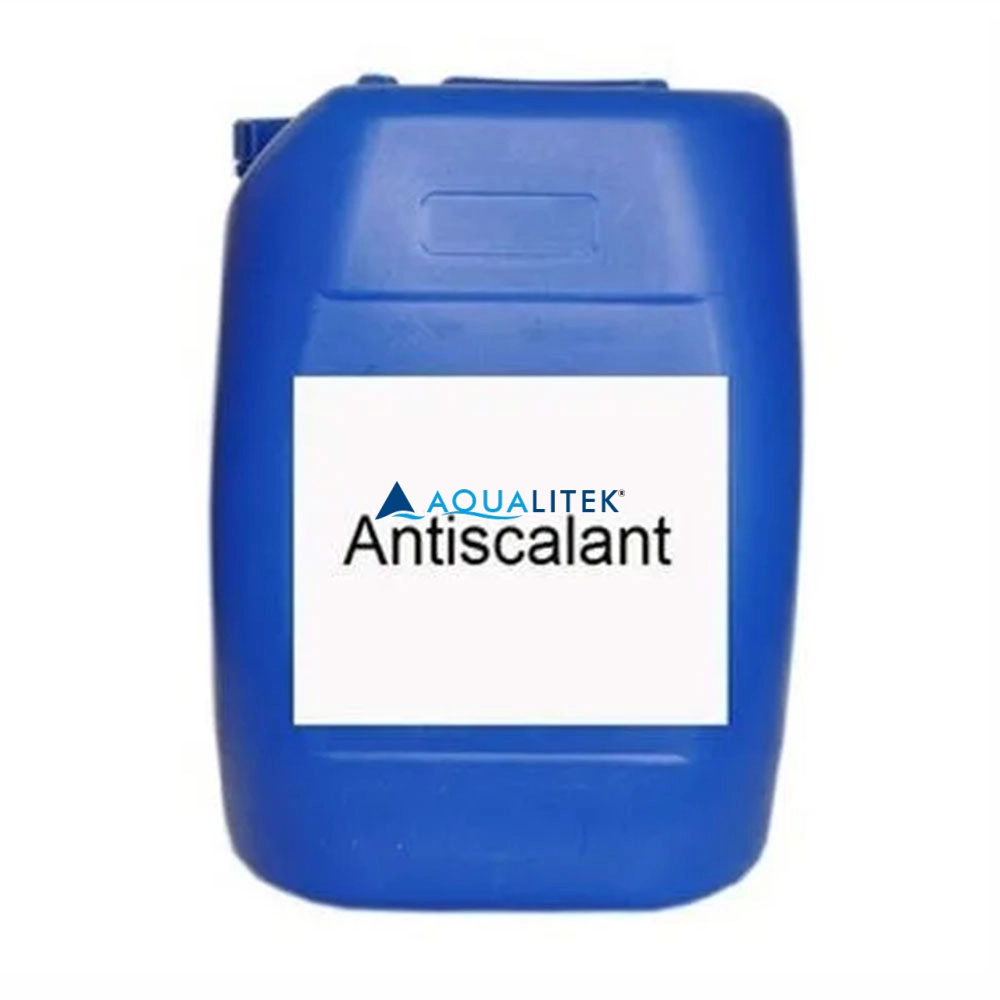
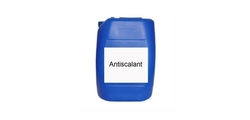
Anti-Scalant is a specialized water treatment chemical designed to prevent the formation of scale in reverse osmosis (RO) systems. Scaling is a common issue in RO systems, where minerals like calcium, magnesium, and silica precipitate and form hard deposits on the membrane surface. These deposits can clog the membranes, reduce water production efficiency, and increase operational costs.
RO chemical anti-scalants work by inhibiting the crystallization of scale-forming minerals, effectively keeping them in solution and preventing them from adhering to the membrane. This ensures the longevity and optimal performance of the RO system.
Anti-scalants are essential in applications with hard water or high mineral content, such as in industrial, municipal, and desalination plants.
These chemicals are highly effective in preventing scaling caused by common minerals such as calcium carbonate, calcium sulfate, barium sulfate, and silica, helping to extend the lifespan of the membranes, reduce cleaning cycles, and enhance system efficiency.
By incorporating an RO chemical anti-scalant into your water treatment process, you can improve the reliability and overall performance of your reverse osmosis system, ensuring consistent, high-quality water output while minimizing maintenance costs.
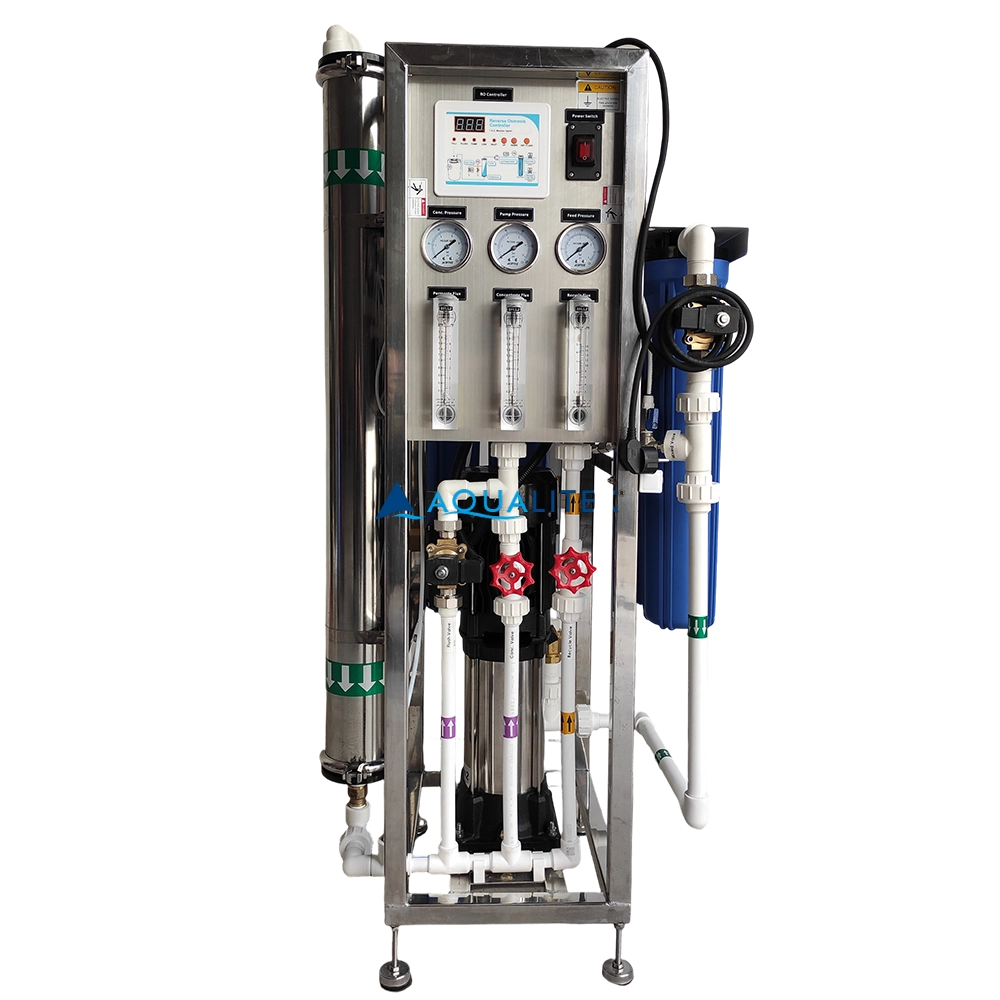
Our 500 LPH Reverse Osmosis (RO) System is engineered to provide high-quality purified water for commercial applications. Designed with advanced RO technology, durable components, and a user-friendly interface, this system ensures consistent performance, low maintenance, and long-term reliability.
With its compact design and robust skid-mounted frame, it’s an excellent choice for businesses that demand efficiency and quality in water purification.
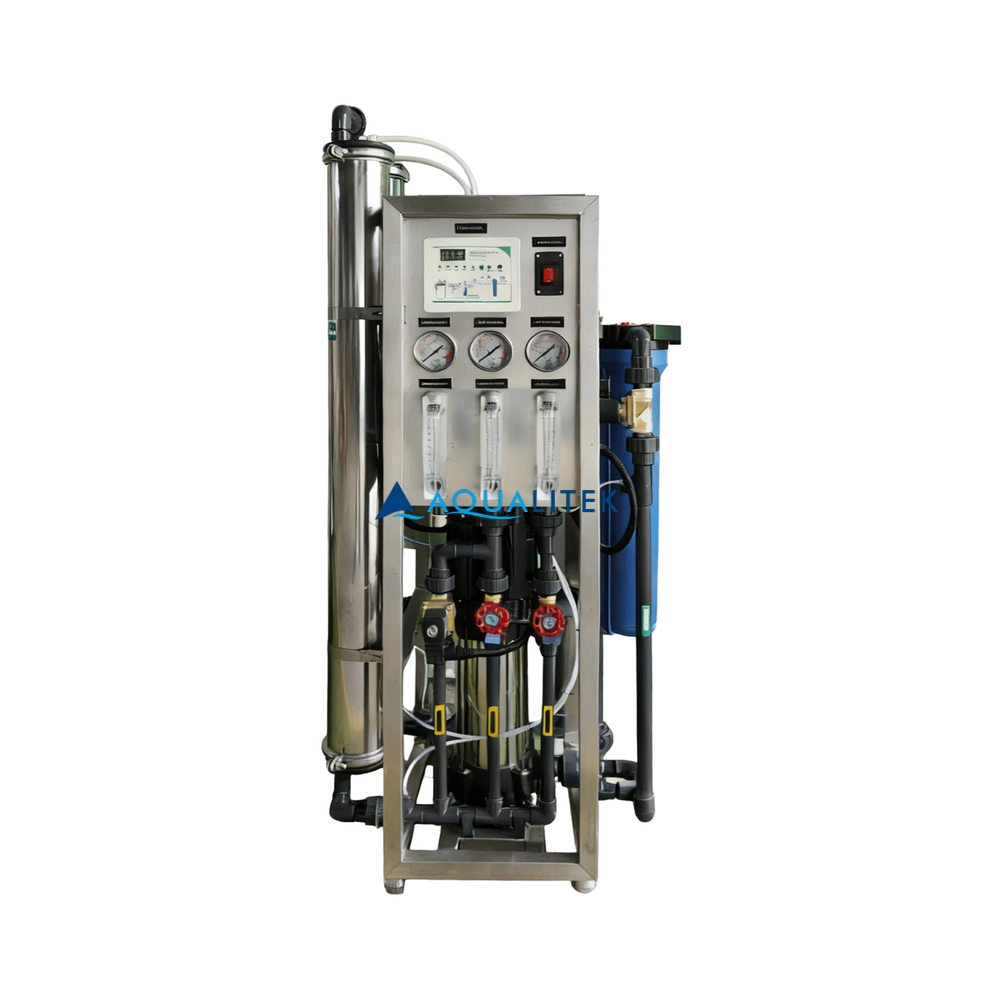
TWV series Reverse Osmosis (RO) systems are pre-engineered and pre-assembled units with 2.5”/4” membrane housings(single element type)for tap water(lower TDS).They are designed for overall superior performance, high recovery rates and offer great savings with low maintenance and operation costs.
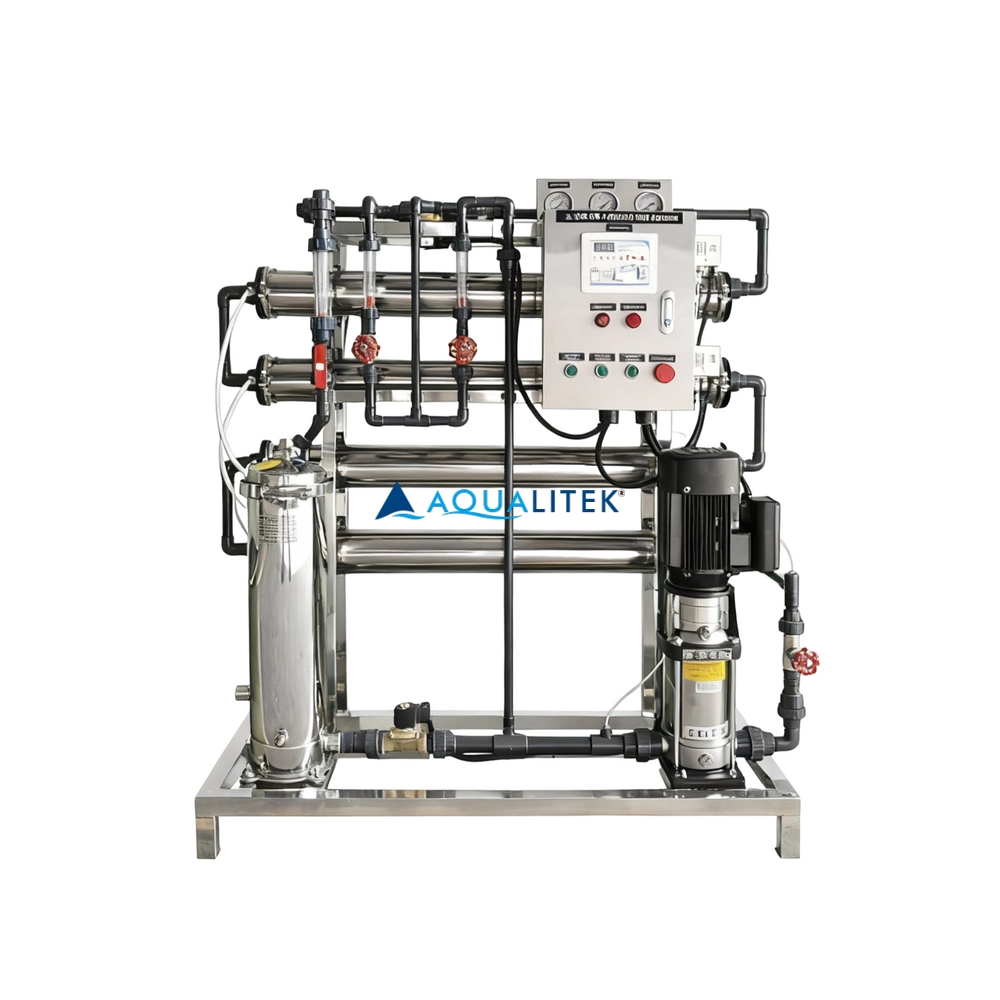
TWF series Reverse Osmosis (RO) systems are pre-engineered and pre-assembled units with 4” membrane housings(multiple elements type) for tap water(lower TDS) .The medium large volumes can help meet your a variety of commercial and industrial applications. They are designed for overall superior performance, high recovery rates and offer great savings with low maintenance and operation costs.
© 2026 AQUALITEK. All rights reserved.
AQUALITEK- Aimee Hoo
AQUALITEK - Aimee Hoo