



What troubleshooting steps for high differential pressure?
- Understanding Reverse Osmosis System Troubleshooting
- 1. High Differential Pressure in Reverse Osmosis Systems
- 2. Low Water Flow Rate
- 3. Water Tastes or Smells Bad
- 4. Leaking System Components
- 5. System Runs Continuously
- 6. Noisy System Operation
- 7. Cloudy or Milky Water
- 8. Dripping or Leaking Faucet
- Conclusion: AQUALITEK's Commitment to Quality
Understanding Reverse Osmosis System Troubleshooting
Reverse osmosis (RO) systems are essential for providing clean and purified water. However, like any mechanical system, they can encounter issues that affect their performance. This guide addresses common problems associated with RO systems, their potential causes, and practical solutions to maintain optimal functionality.
1. High Differential Pressure in Reverse Osmosis Systems
Problem:
High differential pressure across the RO membrane can indicate fouling or scaling, leading to reduced water flow and system efficiency.
Causes:
- Fouling: Accumulation of contaminants such as bacteria, organic matter, or minerals on the membrane surface.
- Scaling: Precipitation of minerals like calcium and magnesium, forming deposits on the membrane.
Solutions:
- Regular Cleaning: Implement periodic cleaning protocols to remove fouling and scaling. For instance, mineral scaling can often be removed in a six‑ to eight‑hour cleaning on closed‑circuit RO systems.
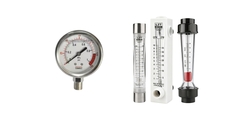
- Monitoring: Keep track of normalized permeate flow, differential pressure, and other metrics to detect early signs of fouling or scaling.
2. Low Water Flow Rate
Problem:
A noticeable decrease in water flow from the RO faucet can be frustrating and may indicate underlying issues.
Causes:
- Clogged Filters: Over time, filters can become saturated with contaminants, restricting water flow.
- Degraded Membrane: A compromised membrane can hinder water passage.
- Low Feed Water Pressure: Insufficient incoming water pressure can affect system performance.
Solutions:
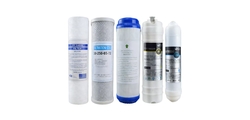
- Filter Replacement: Regularly replace filters as per manufacturer recommendations to ensure optimal performance.
- Membrane Inspection: Assess the membrane for signs of degradation and replace if necessary.
- Pressure Check: Ensure that the feed water pressure is within the recommended range (typically 40-60 psi).
3. Water Tastes or Smells Bad
Problem:
Unpleasant taste or odor in RO-purified water can be a sign of system contamination.
Causes:
- Bacterial Growth: Stagnant water can lead to bacterial proliferation, affecting water quality.
- Clogged Filters: Saturated filters can harbor bacteria and other contaminants.
Solutions:
- System Flushing: If the system has been unused for an extended period, flush the entire unit, including the storage tank, to eliminate stagnant water.
- Regular Maintenance: Replace filters and sanitize the system periodically to prevent bacterial buildup.
4. Leaking System Components
Problem:
Leaks can occur at various points in the RO system, leading to water wastage and potential damage.
Causes:
- Loose Fittings: Over time, connections can loosen, causing leaks.
- Worn O-Rings: Degraded O-rings can fail to seal properly, resulting in leaks.
Solutions:
- Inspection: Regularly check all fittings and O-rings for signs of wear or looseness.
- Tightening: Ensure all connections are securely tightened to prevent leaks.
5. System Runs Continuously
Problem:
An RO system that operates without stopping can waste water and energy.
Causes:
- Faulty Automatic Shut-Off Valve: A malfunctioning valve may fail to stop water flow when the storage tank is full.
- Broken Check Valve: A damaged check valve can allow water to flow continuously.
Solutions:
- Valve Testing: Test the automatic shut-off and check valves to ensure they function correctly.
- Component Replacement: Replace any faulty valves to restore normal operation.
6. Noisy System Operation
Problem:
Unusual noises, such as gurgling or hissing, can indicate issues within the RO system.
Causes:
- Air in System: Air trapped in the system can cause gurgling sounds.
- Improper Drain Line Installation: Incorrect installation can lead to siphoning and gurgling noises.
Solutions:
- Air Purging: If the system is new or after filter replacement, allow time for air to dissipate naturally.
- Drain Line Adjustment: Ensure the drain line is installed correctly to prevent siphoning.
7. Cloudy or Milky Water
Problem:
Water that appears cloudy or milky can be unappealing and may indicate specific issues.
Causes:
- Air Bubbles: Tiny air bubbles can cause a milky appearance, especially in new systems or after filter changes.
- High Oxygen Levels: Elevated oxygen levels in the water supply can lead to cloudiness.
Solutions:
- System Flushing: Allow the system to run for a few minutes to clear air bubbles.
- Filter Replacement: If cloudiness persists, consider replacing the filters to ensure water clarity.
8. Dripping or Leaking Faucet
Problem:
A faucet that drips or leaks without apparent cause can be a nuisance.
Causes:
- Improper Installation: Incorrectly fitted parts can lead to leaks.
- Worn Components: Over time, faucet components can degrade, causing drips.
Solutions:
- Inspection: Examine the faucet and connections for signs of wear or improper installation.
- Component Replacement: Replace any worn or damaged parts to restore proper function.
Conclusion: AQUALITEK's Commitment to Quality
When selecting a reverse osmosis system, it's crucial to choose a brand known for reliability and performance. AQUALITEK offers advanced RO systems designed to address common issues effectively, ensuring clean and safe drinking water for your home or business. Their commitment to quality and customer satisfaction makes them a trusted choice in the water treatment industry.
References:**SEO Title:** Reverse Osmosis System Troubleshooting Guide


Request More Information or Expert Advice
Share a few details, and we’ll provide deeper insights, tailored suggestions, or product support.
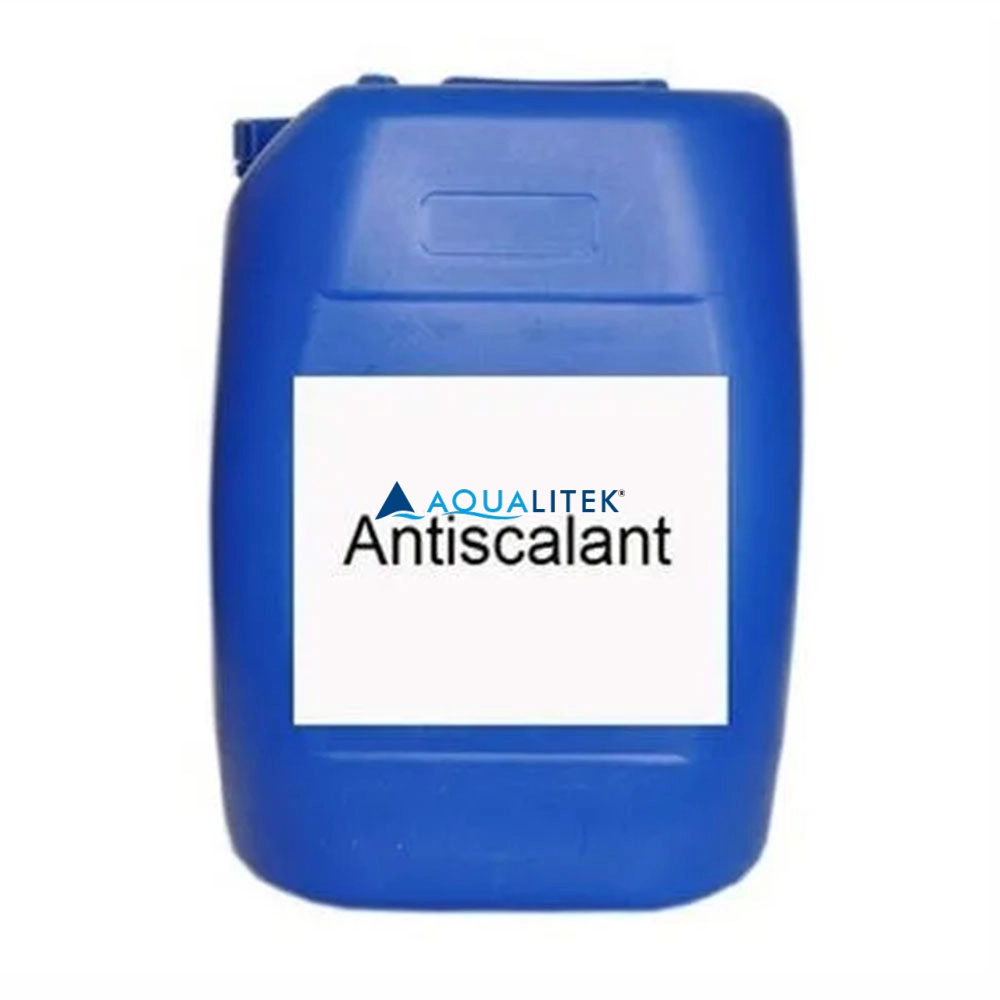
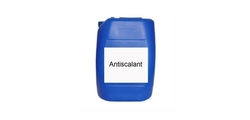
Anti-Scalant is a specialized water treatment chemical designed to prevent the formation of scale in reverse osmosis (RO) systems. Scaling is a common issue in RO systems, where minerals like calcium, magnesium, and silica precipitate and form hard deposits on the membrane surface. These deposits can clog the membranes, reduce water production efficiency, and increase operational costs.
RO chemical anti-scalants work by inhibiting the crystallization of scale-forming minerals, effectively keeping them in solution and preventing them from adhering to the membrane. This ensures the longevity and optimal performance of the RO system.
Anti-scalants are essential in applications with hard water or high mineral content, such as in industrial, municipal, and desalination plants.
These chemicals are highly effective in preventing scaling caused by common minerals such as calcium carbonate, calcium sulfate, barium sulfate, and silica, helping to extend the lifespan of the membranes, reduce cleaning cycles, and enhance system efficiency.
By incorporating an RO chemical anti-scalant into your water treatment process, you can improve the reliability and overall performance of your reverse osmosis system, ensuring consistent, high-quality water output while minimizing maintenance costs.
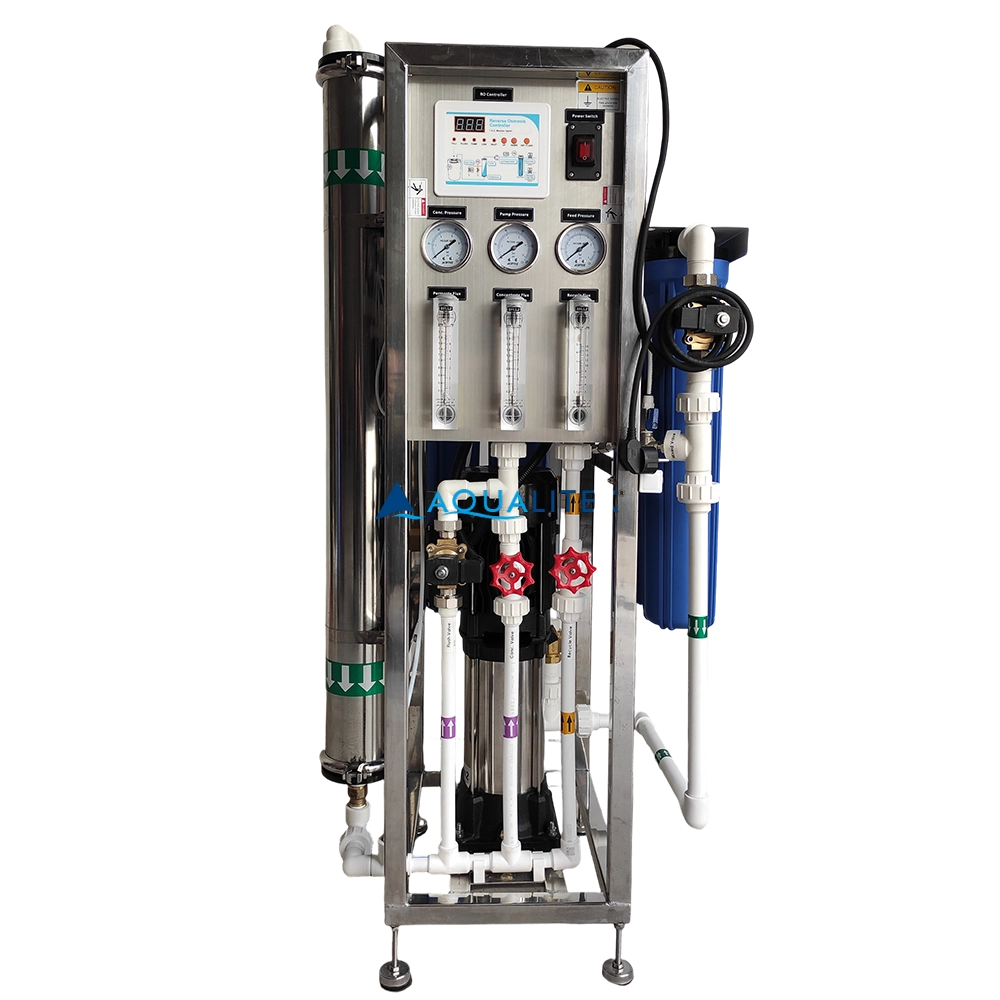
Our 500 LPH Reverse Osmosis (RO) System is engineered to provide high-quality purified water for commercial applications. Designed with advanced RO technology, durable components, and a user-friendly interface, this system ensures consistent performance, low maintenance, and long-term reliability.
With its compact design and robust skid-mounted frame, it’s an excellent choice for businesses that demand efficiency and quality in water purification.
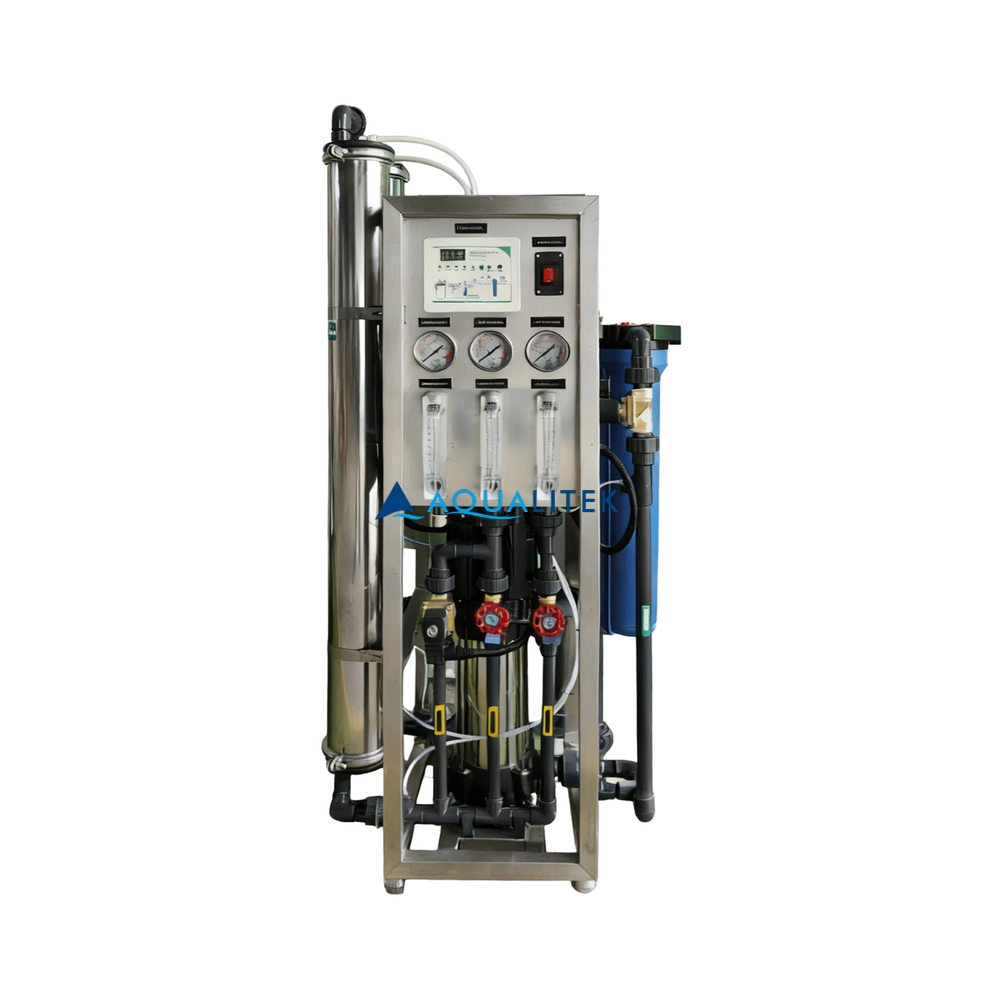
TWV series Reverse Osmosis (RO) systems are pre-engineered and pre-assembled units with 2.5”/4” membrane housings(single element type)for tap water(lower TDS).They are designed for overall superior performance, high recovery rates and offer great savings with low maintenance and operation costs.
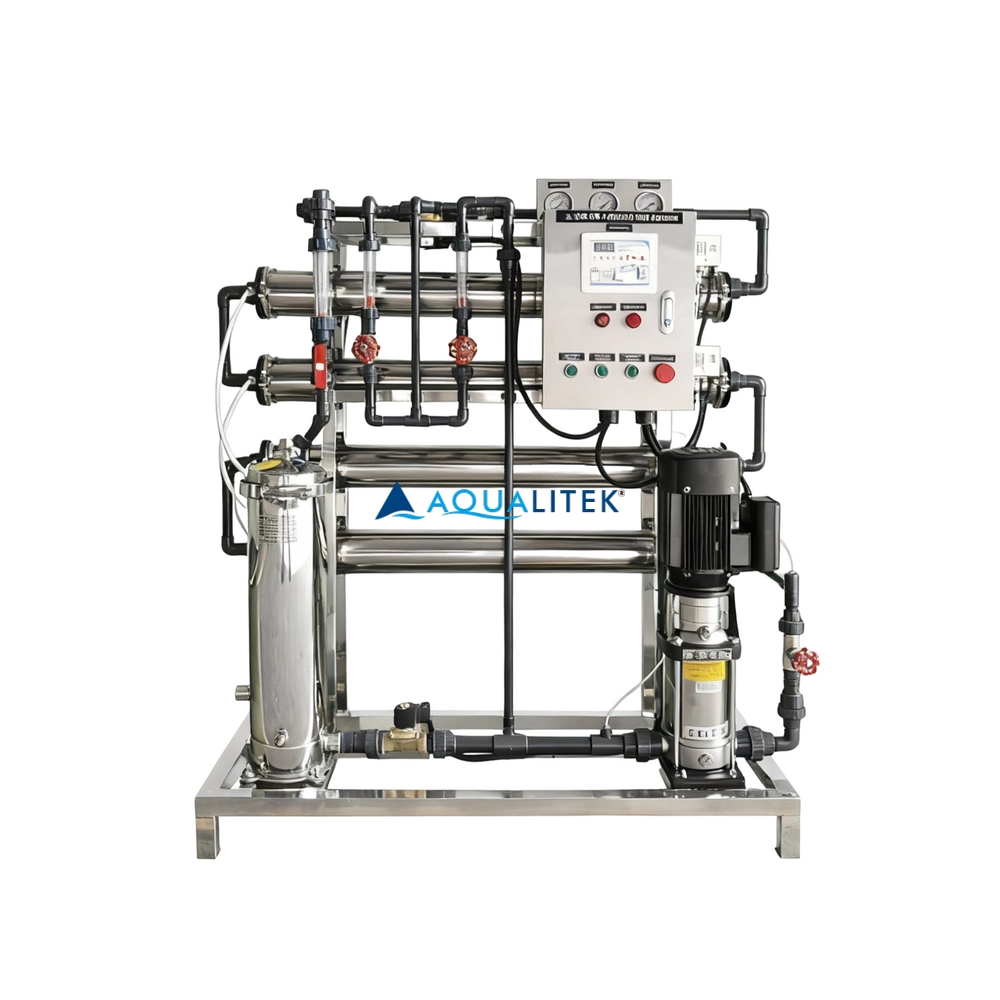
TWF series Reverse Osmosis (RO) systems are pre-engineered and pre-assembled units with 4” membrane housings(multiple elements type) for tap water(lower TDS) .The medium large volumes can help meet your a variety of commercial and industrial applications. They are designed for overall superior performance, high recovery rates and offer great savings with low maintenance and operation costs.
© 2026 AQUALITEK. All rights reserved.
AQUALITEK- Aimee Hoo
AQUALITEK - Aimee Hoo