




How to prevent chloride-induced corrosion in RO systems?
- Understanding Reverse Osmosis Systems: Key Considerations and Corrosion Prevention Strategies
- 1. What are the primary causes of corrosion in reverse osmosis systems?
- 2. How does chloride-induced corrosion affect RO system components?
- 3. What are effective methods to prevent chloride-induced corrosion in RO systems?
- 4. How does residual chlorine impact RO membrane performance?
- 5. What are the disadvantages of using chlorination in RO systems?
- 6. How do chloride concentrations in RO water affect corrosion rates?
- 7. What are the benefits of using high chromium steels in RO systems?
- 8. How can biofouling and microbiologically influenced corrosion (MIC) be controlled in RO systems?
- 9. What role do sulfites play in reverse osmosis plants?
- 10. How does pH affect corrosion in RO systems?
- 11. What are the advantages of using AQUALITEK's RO systems?
Understanding Reverse Osmosis Systems: Key Considerations and Corrosion Prevention Strategies
Reverse osmosis (RO) systems are integral to modern water treatment, offering efficient solutions for desalination and purification. However, potential buyers must be aware of common challenges, particularly corrosion risks, to ensure optimal performance and longevity. Below are some frequently asked questions to guide your purchasing decisions.
1. What are the primary causes of corrosion in reverse osmosis systems?
Corrosion in RO systems primarily results from:
Chloride Concentration: High chloride levels can dissolve protective oxide films on metal surfaces, leading to increased corrosion rates.
Residual Chlorine: Even low concentrations of residual chlorine can cause oxidation, degrading membrane performance over time.
Material Selection: Using materials with low chromium content (<15% Cr) can result in poor resistance to corrosion under dynamic conditions.
2. How does chloride-induced corrosion affect RO system components?
Chloride-induced corrosion can lead to:
Membrane Degradation: Accelerated corrosion can compromise membrane integrity, reducing salt rejection rates and overall system efficiency.
Structural Damage: Corrosion of pipes, pumps, and valves can result in leaks, system failures, and increased maintenance costs.
3. What are effective methods to prevent chloride-induced corrosion in RO systems?
To mitigate corrosion risks, consider the following strategies:
Material Selection: Opt for materials with high chromium content (>15% Cr) to enhance corrosion resistance.
Protective Coatings: Apply epoxy-based coatings to provide a barrier against corrosive elements.
Cathodic Protection: Implement cathodic protection systems, such as sacrificial anodes, to prevent corrosion of submerged components.
Dechlorination: Use dechlorination agents like sodium bisulfite to remove residual chlorine from feed water, protecting membranes from oxidative damage.
4. How does residual chlorine impact RO membrane performance?
Residual chlorine can cause oxidation of the RO membrane, leading to a decline in salt rejection rates. Even a concentration of 1 ppm can result in membrane degradation within 200 to 1,000 hours, depending on water quality.
5. What are the disadvantages of using chlorination in RO systems?
Chlorination can lead to:
Membrane Damage: Chlorine can degrade cellulose acetate membranes, reducing their lifespan.
Formation of Disinfection Byproducts: Chlorination can produce byproducts like chlorite and chlorate ions, which may require additional treatment steps.
6. How do chloride concentrations in RO water affect corrosion rates?
Higher chloride concentrations in RO water can increase corrosion rates of metallic components. Materials with low chromium content (<15% Cr) exhibit poor resistance under such conditions.
7. What are the benefits of using high chromium steels in RO systems?
High chromium steels (>15% Cr) offer:
Enhanced Corrosion Resistance: They provide better protection against chloride-induced corrosion, extending the lifespan of RO system components.
Improved Structural Integrity: These materials maintain strength and durability under corrosive conditions, reducing maintenance needs.
8. How can biofouling and microbiologically influenced corrosion (MIC) be controlled in RO systems?
Effective control measures include:
Advanced Pretreatment: Utilize ultrafiltration membranes and media filtration with biocide-impregnated filter media to remove organic matter and microorganisms.
Chemical Treatments: Employ non-oxidizing biocides and antiscalants with bio-dispersant properties to control microbial growth and scaling.
Surface Modifications: Apply anti-fouling coatings and modify membrane surfaces to reduce biofilm formation.
Monitoring Systems: Implement real-time biofilm monitors and ATP analysis to detect and address biofouling early.
9. What role do sulfites play in reverse osmosis plants?
Sulfites are used to remove residual chlorine from feed water, preventing oxidative damage to RO membranes. They react with chlorine dioxide to form chloride and sulfate, effectively dechlorinating the water.
10. How does pH affect corrosion in RO systems?
The pH level influences corrosion rates:
Low pH: Increases water acidity, accelerating corrosion.
High pH: Encourages protective oxide layer formation on metal surfaces, reducing corrosion.
11. What are the advantages of using AQUALITEK's RO systems?
AQUALITEK offers:
Advanced Corrosion Protection: Utilizing high-quality materials and protective coatings to enhance system durability.
Efficient Biofouling Control: Incorporating advanced pretreatment technologies and chemical treatments to maintain optimal performance.
Comprehensive Monitoring Solutions: Providing real-time monitoring systems for early detection and management of potential issues.
Expert Support: Offering professional guidance and maintenance services to ensure system longevity and efficiency.
By choosing AQUALITEK, you invest in a reliable and efficient RO system tailored to meet your water treatment needs.


Request More Information or Expert Advice
Share a few details, and we’ll provide deeper insights, tailored suggestions, or product support.
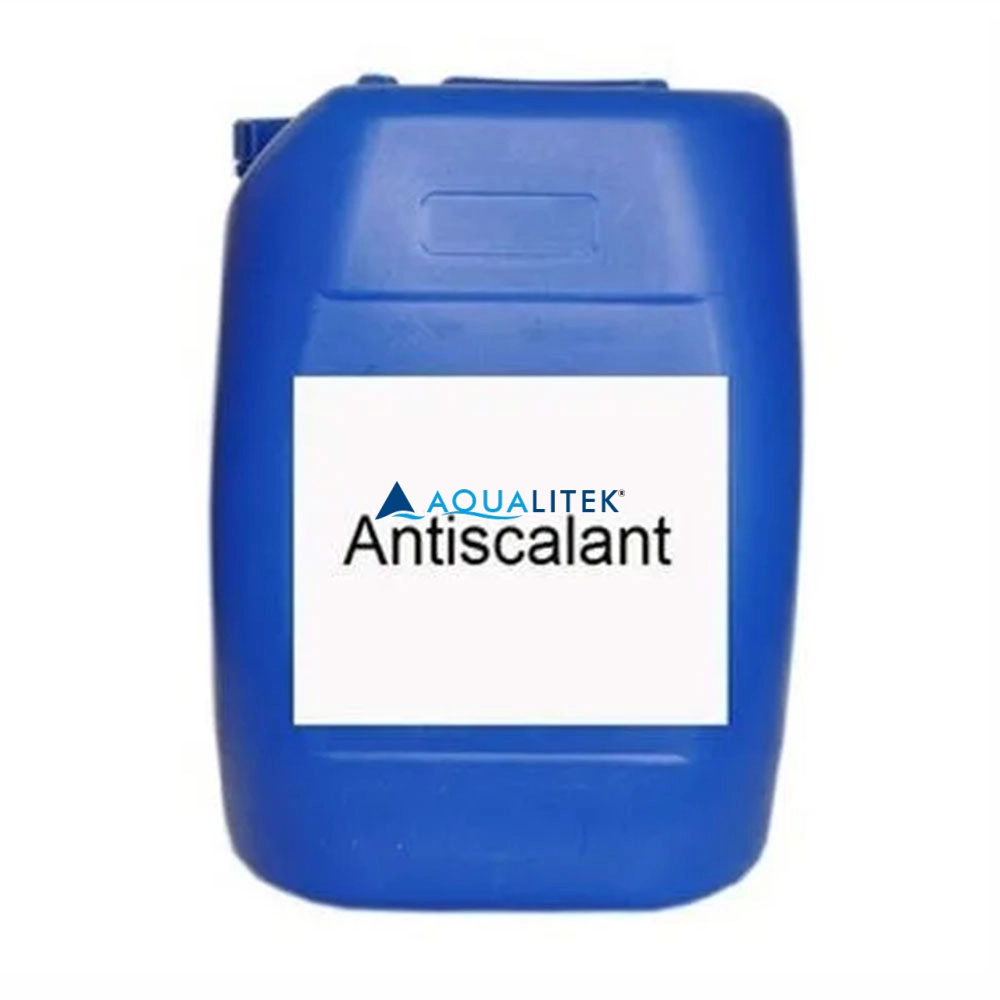
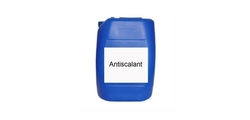
Anti-Scalant is a specialized water treatment chemical designed to prevent the formation of scale in reverse osmosis (RO) systems. Scaling is a common issue in RO systems, where minerals like calcium, magnesium, and silica precipitate and form hard deposits on the membrane surface. These deposits can clog the membranes, reduce water production efficiency, and increase operational costs.
RO chemical anti-scalants work by inhibiting the crystallization of scale-forming minerals, effectively keeping them in solution and preventing them from adhering to the membrane. This ensures the longevity and optimal performance of the RO system.
Anti-scalants are essential in applications with hard water or high mineral content, such as in industrial, municipal, and desalination plants.
These chemicals are highly effective in preventing scaling caused by common minerals such as calcium carbonate, calcium sulfate, barium sulfate, and silica, helping to extend the lifespan of the membranes, reduce cleaning cycles, and enhance system efficiency.
By incorporating an RO chemical anti-scalant into your water treatment process, you can improve the reliability and overall performance of your reverse osmosis system, ensuring consistent, high-quality water output while minimizing maintenance costs.
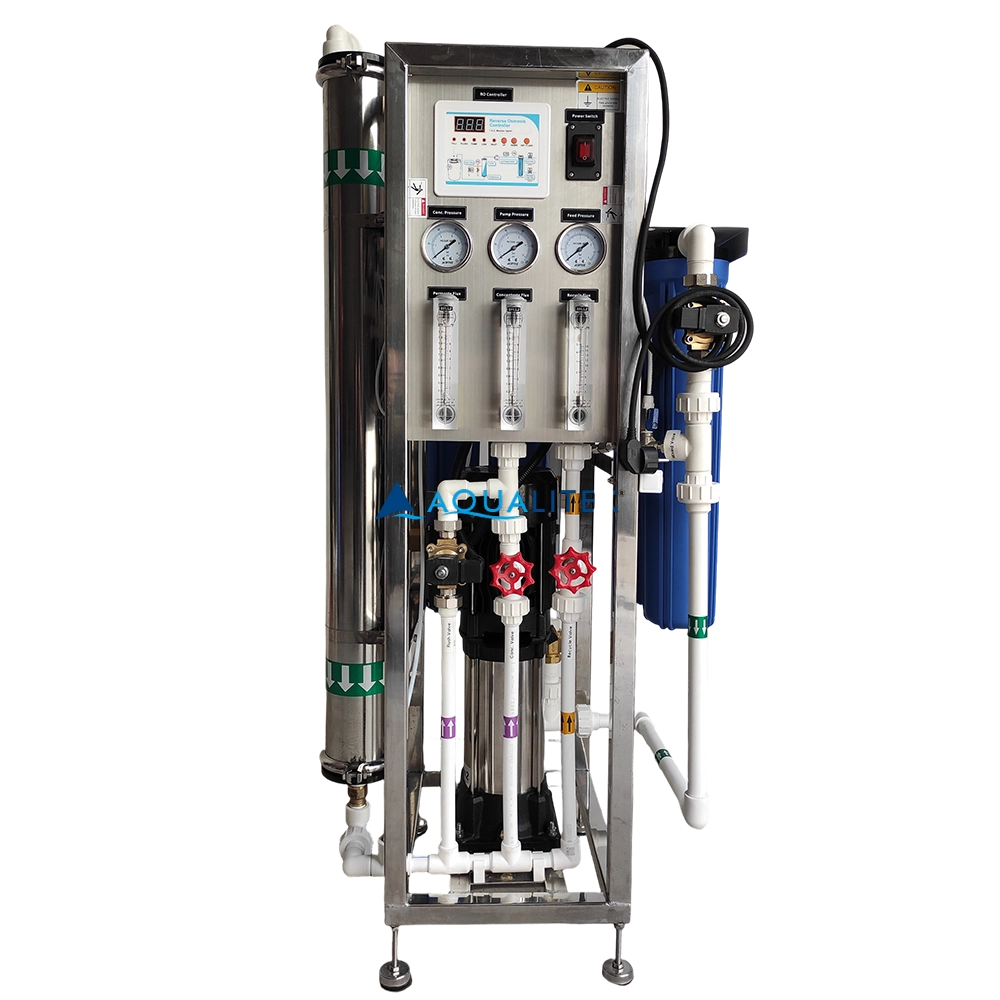
Our 500 LPH Reverse Osmosis (RO) System is engineered to provide high-quality purified water for commercial applications. Designed with advanced RO technology, durable components, and a user-friendly interface, this system ensures consistent performance, low maintenance, and long-term reliability.
With its compact design and robust skid-mounted frame, it’s an excellent choice for businesses that demand efficiency and quality in water purification.
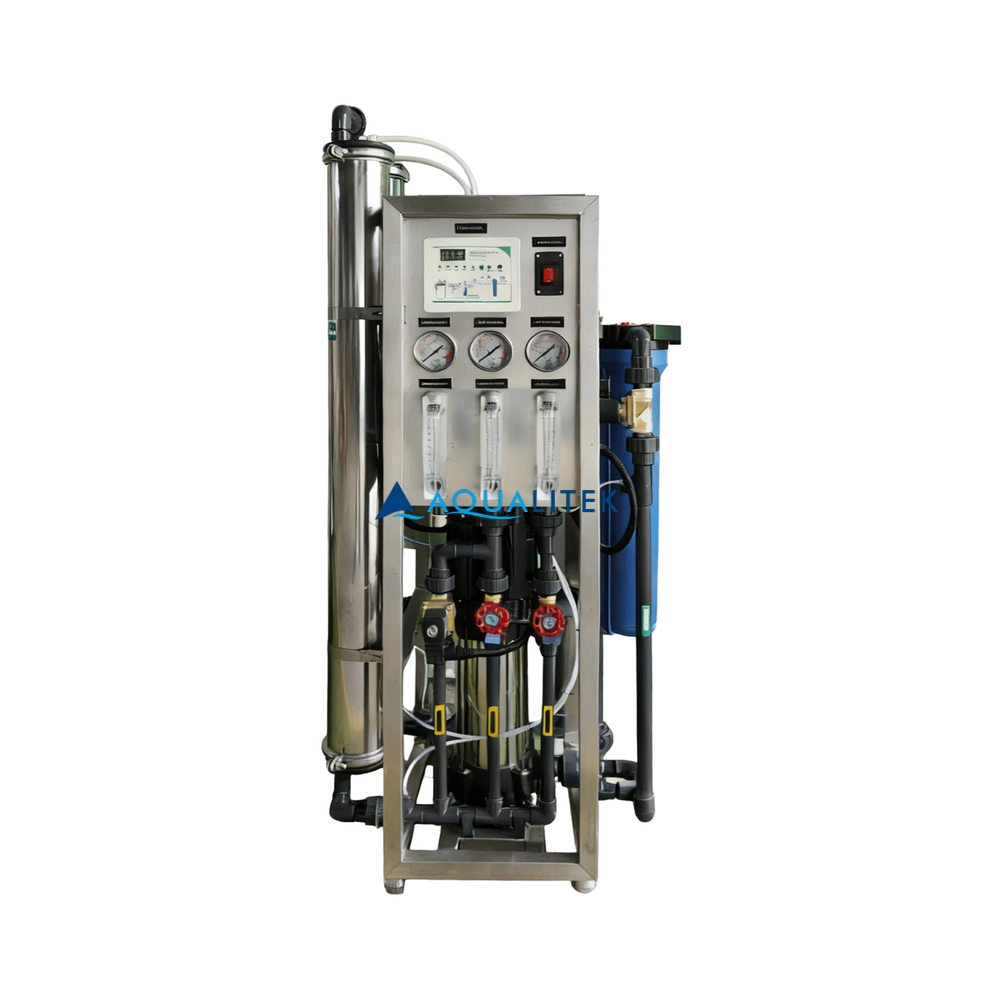
TWV series Reverse Osmosis (RO) systems are pre-engineered and pre-assembled units with 2.5”/4” membrane housings(single element type)for tap water(lower TDS).They are designed for overall superior performance, high recovery rates and offer great savings with low maintenance and operation costs.
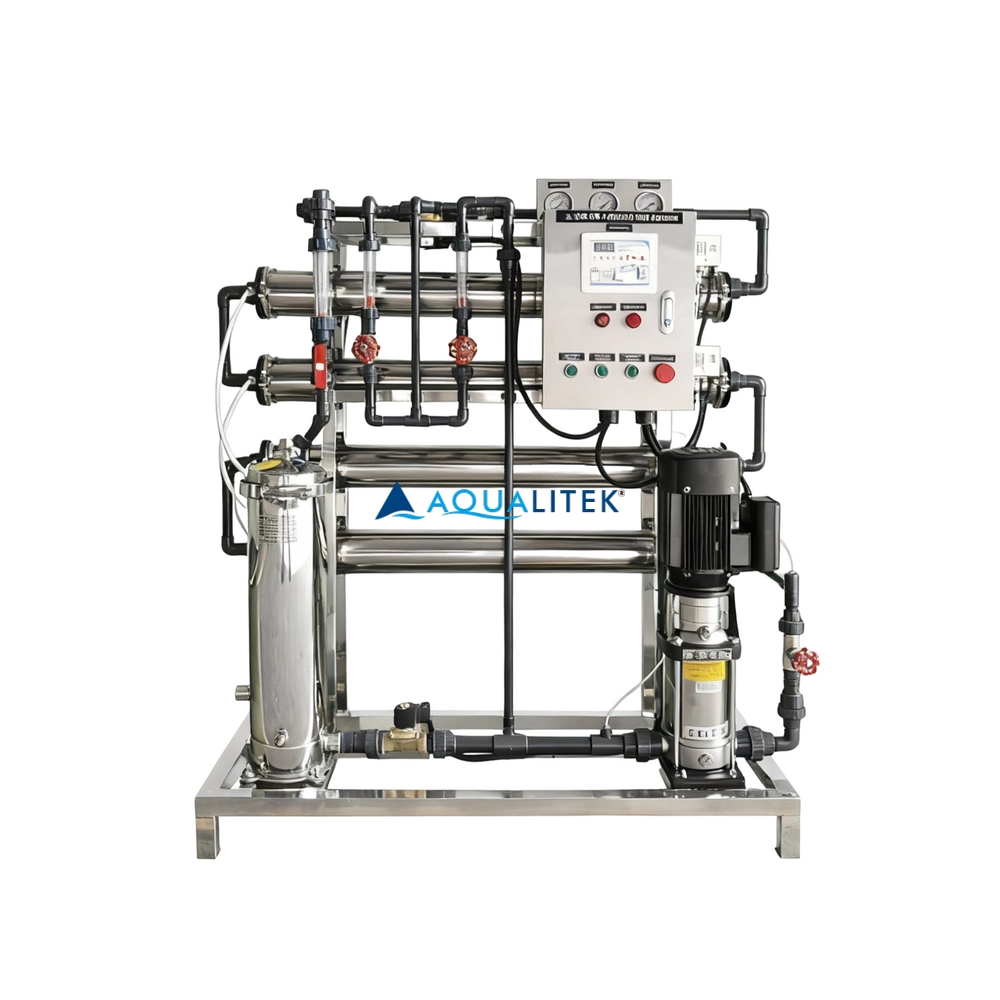
TWF series Reverse Osmosis (RO) systems are pre-engineered and pre-assembled units with 4” membrane housings(multiple elements type) for tap water(lower TDS) .The medium large volumes can help meet your a variety of commercial and industrial applications. They are designed for overall superior performance, high recovery rates and offer great savings with low maintenance and operation costs.
© 2026 AQUALITEK. All rights reserved.
AQUALITEK- Aimee Hoo
AQUALITEK - Aimee Hoo